



Performance Fabrics for Sportswear
Investing in the right performance fabrics for sportswear can shape athlete comfort, safety, and results. Today’s activewear relies on specialized blends, engineered constructions, and rigorous lab testing. Whether for intense training, team uniforms, or outdoor pursuits, knowing the details behind polyester, nylon, and spandex blends will help you choose gear that lasts and performs.
Why Fabric Selection Matters in Sportswear
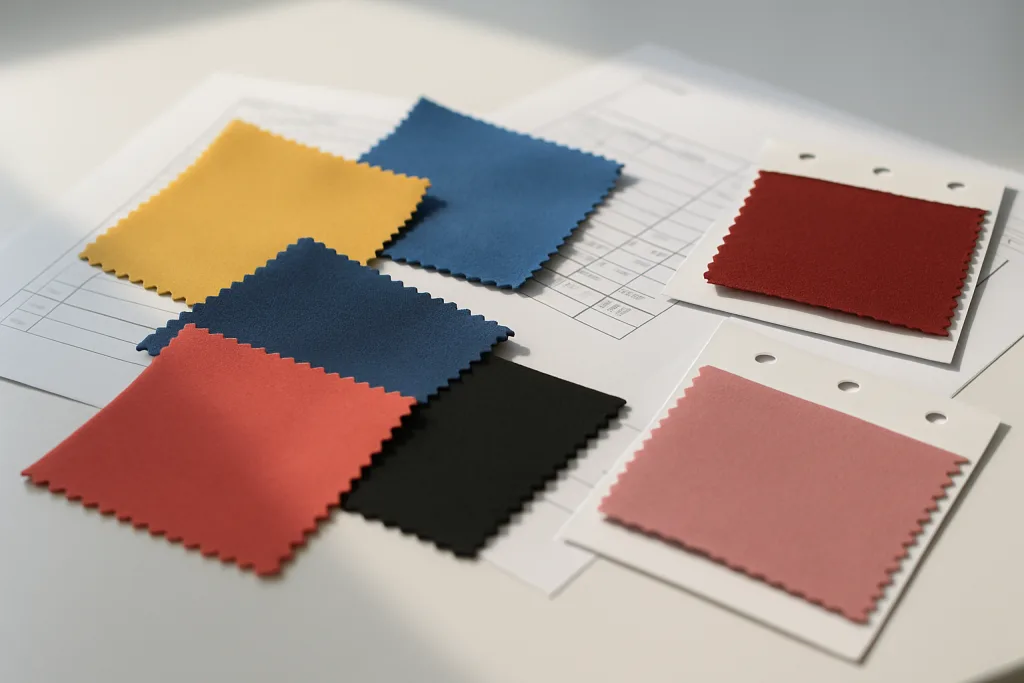
Every sport demands unique fabric qualities. Runners need lightweight breathability, while gym-goers prefer stretch and recovery. Football kits call for durability, and golf shirts require moisture control. Each element—fiber blend, weight (GSM), stretch, finishing—affects how a garment feels, keeps you dry, and stands up to repeated use.
Common Performance Fabrics: Polyester, Nylon, and Spandex Explained
Polyester: The Backbone of Modern Sportswear
Polyester is a synthetic fiber known for moisture management, strength, and easy care. It’s quick-drying, resists wrinkles, and holds color well. Most technical shirts use 100% polyester or blend it with elastane for better stretch.
Nylon: Smooth, Durable, Lightweight
Nylon feels softer and smoother than polyester. It’s strong, abrasion-resistant, and often found in track jackets, swimwear, and performance shorts. Nylon blends add flexibility and softness.
Spandex (Elastane): Adding Stretch and Shape
Spandex, sometimes called elastane or Lycra, provides high elasticity. Even a small percentage (6–15%) in a blend lets garments stretch with movement and stay in shape after repeated wear.
How Blends Boost Performance
- Polyester/Spandex: Used in compression gear and active tops; balances durability with mobility.
- Nylon/Spandex: Common in yoga pants and leggings; softer touch with four-way stretch.
- Polyester/Nylon: Hybrid texture, great for lightweight jackets and training shorts.
The Key Metric: GSM & Stretch in Sportswear Fabrics
What is GSM?
GSM stands for Grams per Square Meter. It measures fabric weight. Lower GSM (120–160 gsm) works for tees and singlets. Medium GSM (180–220 gsm) suits polos, while heavier GSM (260–360 gsm) powers sweatshirts and jackets.
Stretch & Recovery
- 2-way stretch: Moves in one direction; used in polos and fitted tees.
- 4-way stretch: Expands both horizontally and vertically; vital for tights and compression wear.
- Higher spandex content increases both stretch and shape retention.
Table: Comparing Fabric Blends by Weight, Stretch, and Sport
| Blend | Typical GSM | Stretch Type | Best Use |
|---|---|---|---|
| Polyester/Spandex | 160–220 | 4-way | Compression gear, running tops |
| Nylon/Spandex | 200–280 | 4-way | Leggings, yoga pants |
| 100% Polyester | 140–200 | 2-way | Team jerseys, tees |
| Polyester/Nylon | 160–220 | 2-way | Training jackets, shorts |
Moisture-Wicking vs. Breathability: Which Matters More?
Moisture-Wicking Defined
Moisture-wicking fabrics move sweat away from the skin’s surface. They use special fibers (mainly polyester) and finishes to keep you dry during activity. Look for garments labeled with quick-dry, Dri-FIT™, or Coolmax™ technology.
Breathability Explained
Breathable fabrics allow air to pass through, cooling you down. They usually have open structures, mesh panels, or lighter weights. Air permeability, measured in lab tests, tells how much airflow a material provides.
Choosing the Right Focus
- High sweat sports (running, cycling): Moisture-wicking is crucial.
- Hot climates or outdoor play: Prioritize breathability.
- Layered gear (jackets, base layers): Both features matter.
Lab Testing: Guaranteeing Quality and Performance
Critical Lab Tests for Sportswear Fabrics
- Air Permeability: Measures breathability in mm/s or cfm. Ensures cooling during exercise.
- Pilling Resistance: Assesses fuzz ball formation after washing/rubbing (ISO 12945 standard).
- Abrasion Resistance: Tests how well fabric stands up to friction and scraping (Martindale or Wyzenbeek method).
- Moisture Management: Evaluates how fast sweat moves through the fabric and dries.
- Dimensional Stability: Checks shrinkage after standard washes (AATCC 135/150).
Color Fastness and UV Protection
Color stability is critical for branding, uniforms, and club colors. UV protection, measured by UPF, helps outdoor athletes stay safe.
Expert takeaway: Leading manufacturers like Ninghow use accredited labs and in-house protocols to validate every performance claim, reducing returns and boosting customer confidence.
Pros and Cons by Sport: Matching Fabric to Activity
Running & Cycling
- Polyester/spandex blends dry fast and flex with the body.
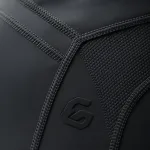
- Mesh panels enhance cooling, but thin fabrics can snag or pill.
Yoga & Training
- Nylon/spandex leggings move smoothly and recover shape well. They resist abrasion from mats and workouts.
- Polyester leggings cost less but may feel stiff or trap heat.
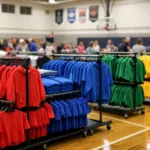
Team Sports (Soccer, Basketball)
- Polyester knits (pique, single jersey) balance strength, colorfastness, and price.
- Higher GSM improves durability but adds weight. Breathable mesh helps during tournaments or summer games.
Golf, Tennis, Outdoor Activities
- Polo shirts in combed cotton/poly blends upgrade comfort and moisture control.
- Nylon shell jackets resist wind and water, ideal between games or in wet climates.
What Sets Performance Fabrics Apart: Construction & Finishes
Knits vs. Wovens
- Knits: Single jersey, pique, and interlock offer stretch and softness. Used in tees and polos.
- Wovens: Twill, poplin, and ripstop strengthen jackets and shorts; less stretch, more structure.
- French terry & fleece (280–360 gsm): Popular for sweatshirts and tracksuits; brushed backers boost warmth.
Performance Finishes
- Anti-odor/antimicrobial treatments (e.g., silver ion finish) keep gear fresh for longer wear.
- UPF/UV coatings block out sun radiation.
- Stain release helps busy athletes keep their kit clean.
- Peach or brushed finishes smooth the surface for luxury handfeel.
Ninghow: Smart Sourcing & Rigorous Testing
Ninghow works with verified mills in China, South Asia, and Turkey for consistent, certified raw materials. Yarn selection covers combed cotton (20s/24s/32s), ring-spun, recycled polyester (rPET), and high-stretch elastane blends. Technical teams develop tech packs with exact GSM, stretch, and construction specs for each order.
Sampling & Lab Dips
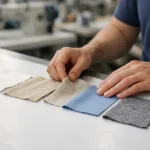
Before bulk runs, Ninghow coordinates lab dips and strike-offs for Pantone color match. Bulk color approval and shade band reviews guarantee visual consistency—even across repeat orders.
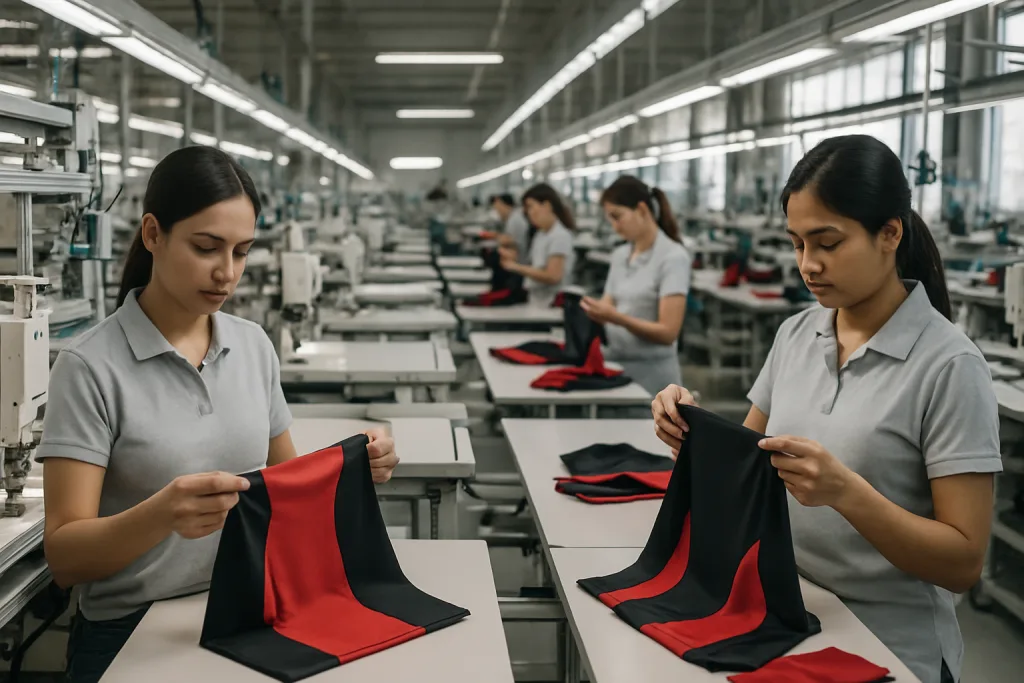
Inline and Endline Quality Control
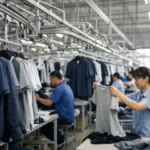
Automated and manual cutting lines use markers, notches, and grainline checks to optimize fabric yield. Sewing covers ISO 301/401/504/602 for strong, even seams, with SMV-based line balancing to minimize flaws. Each batch goes through inline checks, endline QC, and third-party lab testing for air permeability, colorfastness (ISO 105-C06/X12), dimensional stability (AATCC 135/150), and seam strength (ASTM D1683).
Decoration
Ninghow offers screen print (plastisol/water-based), DTF, sublimation, and embroidery with careful handfeel and durability checks. Wash testing ensures print or embroidery lasts for at least 30 cycles per client requirements.
Business Outcomes: Durability, Value, and Sport-Specific Performance
Smart material choices extend the life of apparel, reduce after-sales issues, and keep color and fit consistent across seasons. Features like moisture-wicking, anti-odor, and UV protection increase market value with minimal cost impact. Effective QC and lab testing drive repeat orders and build long-term brand partnerships.
Practical Applications by Garment Type
Polos, T-shirts, and Jerseys
- Single jersey and pique knits in 160–240 gsm blends for lightweight comfort and team wear.
- Self-fabric or rib collars, coverstitch hems, and high-density logo printing for added longevity.
Shorts, Pants, and Jackets
- Woven ripstop or poplin for durability. Moisture-wicking mesh lining for breathability.
- Bartacks reinforce stress points. Zippered pockets add function for multisport apparel.
Sweatshirts & Hoodies
- Brushed French terry or fleece interiors (280–360 gsm).
- Ribbed cuffs and hems, direct embroidery or water-based print for soft feel.
Quality Assurance and Compliance Frameworks
Lab and Third-Party Testing
Performance and quality claims must be validated by standards such as OEKO-TEX STANDARD 100, GOTS (organic cotton), and BSCI/WRAP/SEDEX for ethical sourcing. Compliance ensures global safety, fair labor, and end-user trust.
Packaging, Logistics, and Traceability
Efficient folding methods, barcode-enabled packaging, and size ratio packs shipped under EXW/FOB/CIF/DDP Incoterms maintain order integrity. Hangtags, woven/care labels (ISO 3758 symbols), and carton markings close the loop between product specs and delivery.
Next Steps: Partnering for Custom Sportswear
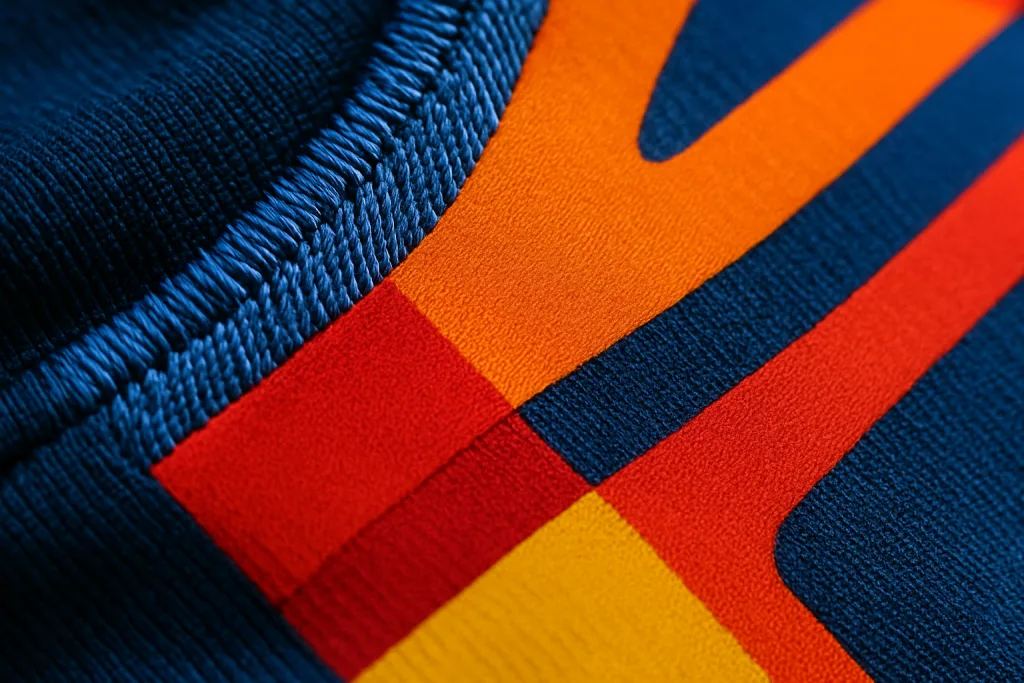
Performance fabrics for sportswear provide the foundation for branding, team identity, and function. Brands, teams, and retailers can specify blend ratios, GSM, stretch, and finishes. Choosing a specialist manufacturer like Ninghow means you get tailored tech packs, rapid lab dipping, rigorous QC, and reliable delivery on every order. For a sample or spec review, reach out to Ninghow’s technical sales team.
Frequently Asked Questions
What makes polyester blends ideal for sportswear?
Polyester blends wick moisture, dry quickly, and keep shape. Spandex adds stretch, making gear flexible and comfortable for active movement.
How does GSM affect a sports garment?
Higher GSM means a heavier, more durable fabric—best for sweatshirts or winter gear. Lower GSM gives lightweight comfort, perfect for tees and active tops.
What is the difference between moisture-wicking and breathability?
Moisture-wicking keeps sweat off the skin, while breathability allows air flow. Both together keep athletes dry and cool during intense activity.
Which lab tests guarantee good sports fabric performance?
Key tests include air permeability, pilling resistance, abrasion resistance, and shrinkage. These confirm comfort, durability, and longevity in everyday use.
How does Ninghow perform quality control on sportswear?
Ninghow uses inline and endline checks, lab dips for color, SMV-based sewing control, and sends out samples for accredited lab testing before mass production.
Can I specify custom blend ratios or finishes for my sportswear line?
Yes. Ninghow offers OEM/ODM manufacturing, so you can set fiber blends, GSM, stretch, moisture finishes, color, and decoration based on your requirements.
