
Types of Embroidery Used in Apparel Manufacturing
Embroidery gives apparel depth, style, and personality. In modern garment manufacturing, three embroidery types stand out: 平绣 (flat embroidery), 毛巾绣 (towel embroidery or chenille), and 立体绣 (three-dimensional embroidery or puff). Each method brings unique benefits and is chosen for its visual impact and tactile qualities. Companies like Ninghow master these techniques to deliver consistent, top-quality results for global brands and programs. Understanding each style helps designers and buyers select the best embroidery to match their apparel vision.
Flat Embroidery (平绣): Precision and Versatility
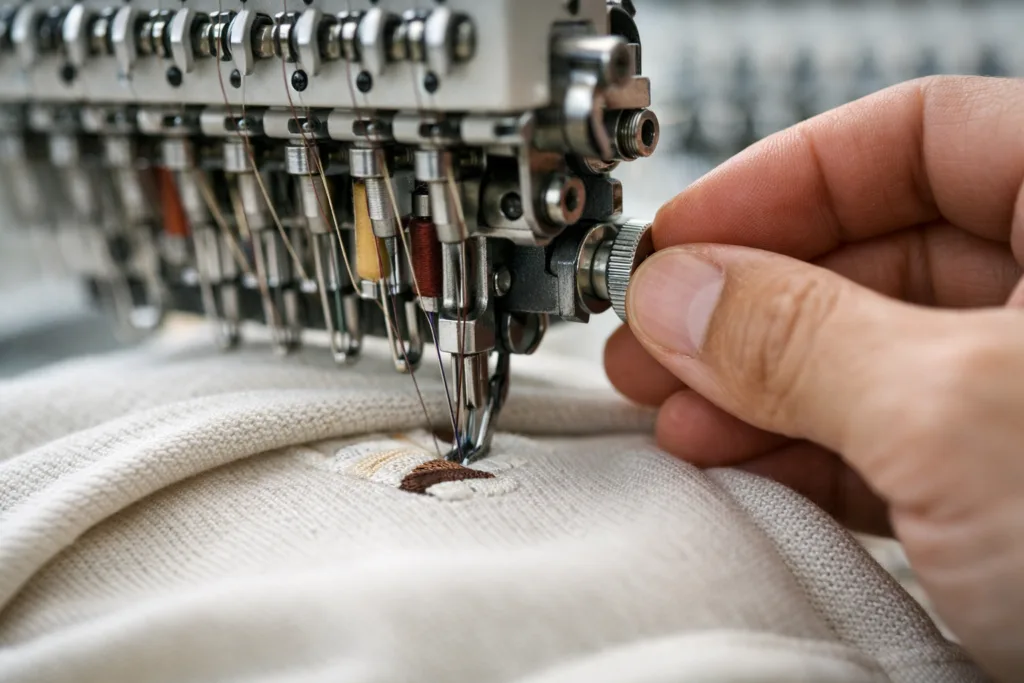
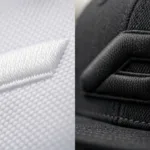
Flat embroidery (平绣) is the most widely used embroidery type in the apparel world. It produces crisp patterns with thread stitched flatly onto fabric surfaces. This method suits anything from small logos to intricate, multi-color designs. Flat embroidery delivers a refined finish perfect for business shirts, polos, sports uniforms, and promotional wear.
How Flat Embroidery Works
Designs are digitized using specialized software, which defines needle movements for embroidery machines. Machines use threads like viscose, polyester, or rayon, running at high speed over prepared garments. Each stitch follows a programmed sequence, resulting in detailed artwork with clean edges.
Benefits of Flat Embroidery
- Excellent durability and wash resistance
- Supports fine details and wide color range
- Low bulk – won’t distort garment fit
- Ideal for logos, badges, names, and intricate patterns
Material Choices and Applications
Flat embroidery works with nearly any woven or knit textile, including combed cotton, polyester, pique, interlock, denim, and twill. Common staple thickness is 20s/32s or 240gsm (grams per square meter) for tops.
- Corporate polos
- T-shirts and sweatshirts
- Sportswear (jerseys, caps)
- Promotional goods (bags, aprons)
Towel Embroidery (毛巾绣): Texture and Impact
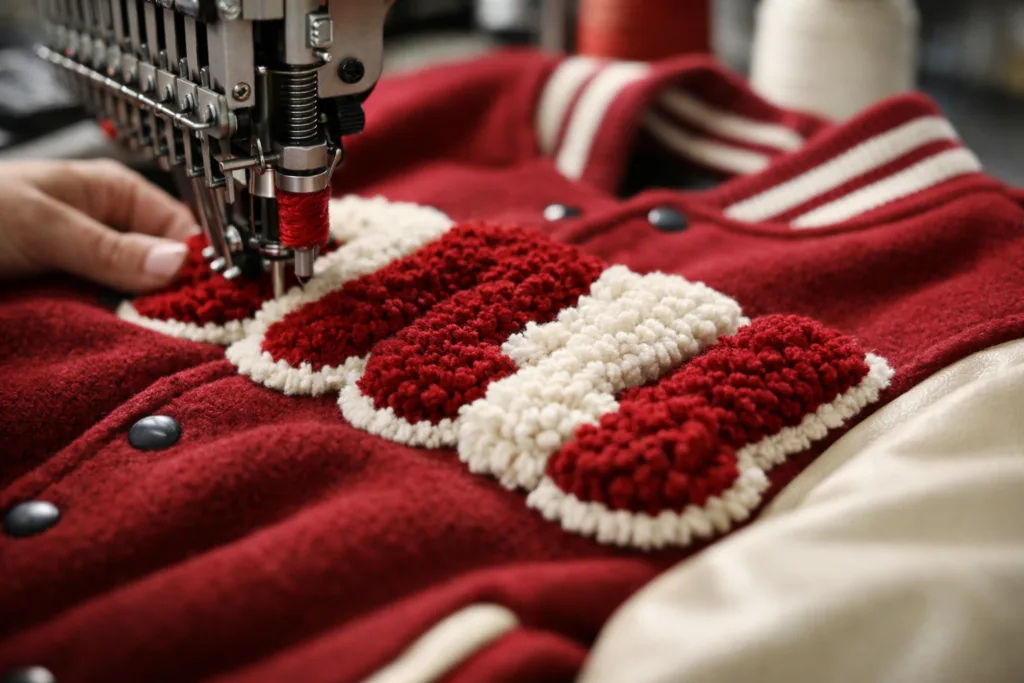
Towel embroidery, known as 毛巾绣 or chenille embroidery, stands out for its plush surface and deep pile effect. It mimics the look and feel of a towel, using loop stitches to create raised, velvety textures. Brands like Ninghow use chenille to enhance designs, producing eye-catching graphics for youth fashion, varsity jackets, and athletic wear.
The Chenille Embroidery Process
Chenille machines use yarns wound in continuous loops, forming soft mounds on the fabric. The process relies on a chenille head paired with a chain stitch head for detail. Garment makers select materials like acrylic, cotton, or blended chenille yarns, balancing softness, color vibrancy, and durability.
Where Towel Embroidery Works Best
- Streetwear basics and varsity jackets
- Team uniforms with bold numbers or letters
- Children’s apparel for extra comfort
- Fashion sweatshirts and resort wear
Strengths and Considerations
| Embroidery Type | Texture | Best Use | Key Material |
|---|---|---|---|
| Flat Embroidery | Smooth & thin | Logos/patterns | Polyester, viscose |
| Towel/Chenille | Soft & thick, pile | Letters/patches | Acrylic, cotton, chenille |
| 3D/Puff Embroidery | Raised, firm | Bold emblems | Polyester, foam |
Three-Dimensional Embroidery (立体绣): Depth and Drama
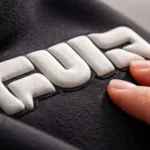
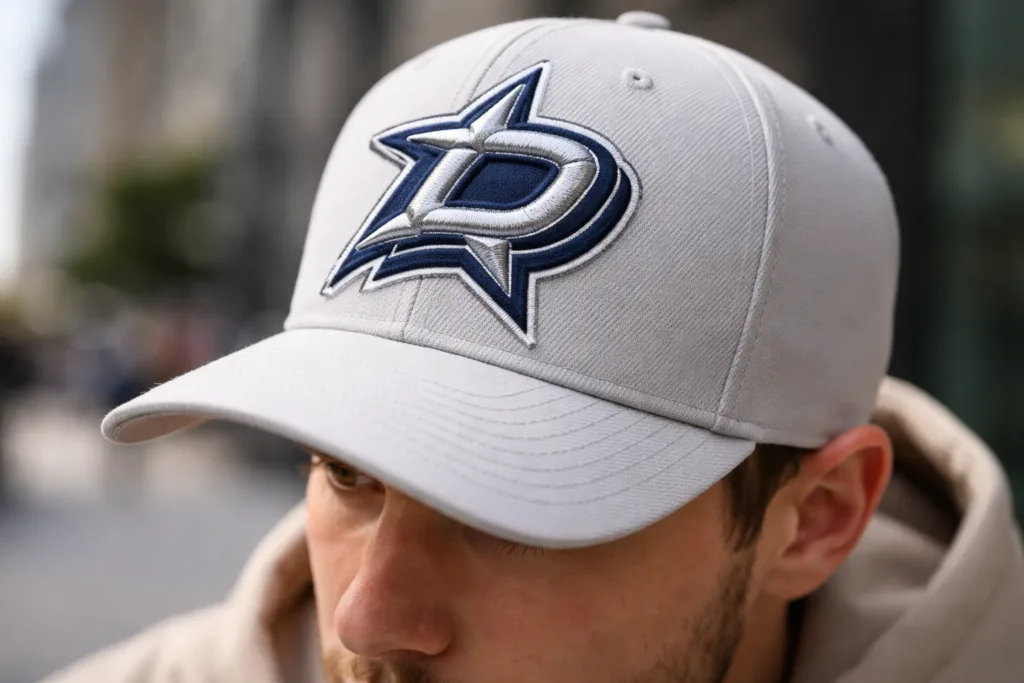
Three-dimensional embroidery, called 立体绣, uses foam or padding beneath threadwork to lift designs above the garment’s surface. This technique excels at bold emblems, stylized graphics, and premium caps, giving products a modern edge. Ninghow often applies 3D embroidery for brands seeking standout, tactile decoration.
The 3D/Puff Embroidery Technique
A foam layer (usually EVA or polyurethane) is placed under the embroidery area. Specialized software calculates stitch angles to wrap thread tightly over this foam, creating clean contours and minimizing gaps. Most machines deploy thicker polyester threads for coverage and durability.
Best Uses for 3D Embroidery
- Baseball caps and snapbacks
- Streetwear hoodies and oversized tees
- Premium garment branding
- Accessories and promotional headwear
Challenges and Solutions
Lines must be bold and shapes simplified for even foam coverage. Careful QC ensures foam cut-outs match design, and stitches are dense enough to prevent breakage or surface distortion. Wash testing helps maintain raised shape over time.
Embroidery Design and Digitizing
The digitizing process is crucial to embroidery quality. Artists use software to set stitch direction, density, sequence, and underlay structure. Parameters vary by embroidery type and target textile. Flat embroidery requires fine, close stitches; towel/chenille needs looser loops; 3D embroidery demands angled stitches to secure foam. Accurate digitizing ensures consistent results, clean artwork, and minimal thread waste.
What Goes Into a Tech Pack?
- Vector artwork (.ai or .eps text outline)
- Embroidery type flagged (flat/towel/3D)
- Pantone thread colors & yarns
- Position, size, and stitch count
- Backing, foam, or wash instructions (if needed)
Common Issues Solved by Good Digitizing
- Puckering and thread breakage
- Design distortion on stretch or pile fabrics
- Color gaps in multicolor areas
- Excess bulk for high-density embroidery
Material Selection and Embroidery Success
Choosing the right base fabric and thread ensures embroidery durability and appearance. For flat embroidery, ring-spun cotton, blended fabrics, and standard knits (pique, jersey, interlock) work best. Towel/chenille embroidery thrives on sturdy cotton, acrylic, or blended fleeces—often 280–360gsm for optimal pile. For 3D/puff embroidery, firm surface woven or knit materials are key, and foam density must balance height and flexibility.
Popular Thread Types
- Polyester: Colorfast, durable, less prone to fading
- Rayon: Smooth surface, vibrant sheen, easy for intricate details
- Cotton: Matte finish, natural look, works well for chenille
- Chenille/loop yarn: Plush feel, strong texture in towel embroidery
Embroidery Machinery, Craftsmanship, and Quality Control
Modern embroidery manufacturers rely on high-speed multi-head machines, precision cutters, and digitized controls. Leading facilities like Ninghow combine technical skill with rigorous QC. Every stage, from thread tension to finished sizing, is measured against spec tables and visual standards. AQL protocols, colorfastness testing, and dimensional checks ensure embroidery aligns with garment quality goals.
QC Steps for Embroidery Apparel
- Sample approval and TOP comparison
- Inline tension and thread checks
- Puckering/skew and foam placement control
- Spec measurement versus tech pack
- Colorfastness (wet/dry), wash durability tests
- Bartack strength and edge finishing
Applications of Different Types of Embroidery
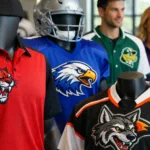
Each embroidery type fits specific fashion categories and branding needs. Flat embroidery is the standard workhorse, ideal for uniforms, business wear, and high-detail logos. Towel/chenille effects are sought for bold, playful graphics—especially sportswear, youth, and sourced vintage looks. 3D/puff embroidery brings depth to branding, making caps, jackets, and sports apparel pop in retail environments.
How Brands Leverage Embroidery
- Retail streetwear and varsity labels opt for chenille and 3D embroidery
- Corporate, golf, and event wear favor flat embroidery for classic branding
- Sports teams combine towel/chenille for numbers with flat embroidery logos
- Promotional and fashion launches blend embroidery types for visual hierarchy
Key Business Metrics
Stitch count, color change, embroidery area, and type impact pricing, MOQ (Minimum Order Quantity), and lead time. Durable embroidery ensures garments last through wash cycles, maintaining branding integrity. Consistent embroidery placement and color matching signal quality craftsmanship and reliable B2B service—Ninghow’s core values.
Environmental Standards and Compliance
Responsible embroidery also means meeting safety and sustainability benchmarks. Many buyers require compliance with OEKO-TEX STANDARD 100, ensuring threads, fabrics, and finishes are free of harmful substances. For organic capsule collections, embroidery must use GOTS-certified yarns and backings. Brands exporting to Europe or North America often specify REACH compliance for inks, backing, and threads, and require CPSIA/Prop 65 oversight for children’s apparel. Ninghow applies these standards throughout sourcing and production.
Working with an OEM/ODM Embroidery Manufacturer
Choosing the right manufacturer shapes the final outcome. OEM (Original Equipment Manufacturing) and ODM (Original Design Manufacturing) providers like Ninghow can customize embroidery method, thread, and backing to match brand needs and technical specs. They advise on digitizing, stitch optimization, and bulk color approval – including running lab dips and strike-offs before production.
Steps in the Embroidery Apparel Order Flow
- Design submission and tech pack review
- Digitizing and sampling (embroidery swatch)
- Bulk color approval (lab dips, Pantone matching)
- Production run with inline QC
- End-line inspection and TOP sample validation
- Packing (fold/hangtag/labelling) and export shipment
Reliable partners maintain fit consistency and craftsmanship across all orders, leveraging deep expertise for brands launching global apparel programs.
Frequently Asked Questions
What is the main difference between flat embroidery and towel embroidery?
Flat embroidery uses smooth, thin stitches for crisp patterns, while towel (chenille) embroidery creates a textured, plush surface using looped yarn. Each style offers unique visual and tactile effects.
Which garments are best suited for three-dimensional (puff) embroidery?
Three-dimensional embroidery works best on baseball caps, jackets, hoodies, and premium branding pieces where raised graphics and bold emblems provide standout appeal.
What thread types are commonly used in apparel embroidery?
Polyester and rayon threads are popular for flat embroidery due to their durability and color range, while chenille embroidery uses plush acrylic or cotton yarns for pile texture.
How does digitizing affect embroidery quality?
Digitizing controls stitch type, density, and direction, which determines the clarity, durability, and appearance of embroidered designs on garments.
What compliance standards should apparel embroidery meet?
Brands and manufacturers often require OEKO-TEX STANDARD 100, GOTS, and REACH compliance for threads, fabrics, and finishes to ensure safety and sustainability in production.
How does embroidery type impact apparel cost and lead time?
Puff and chenille embroidery typically increase cost and production time due to higher material use and complexity, while flat embroidery offers greater efficiency for large-scale orders.
