
Global Sportswear Market Overview
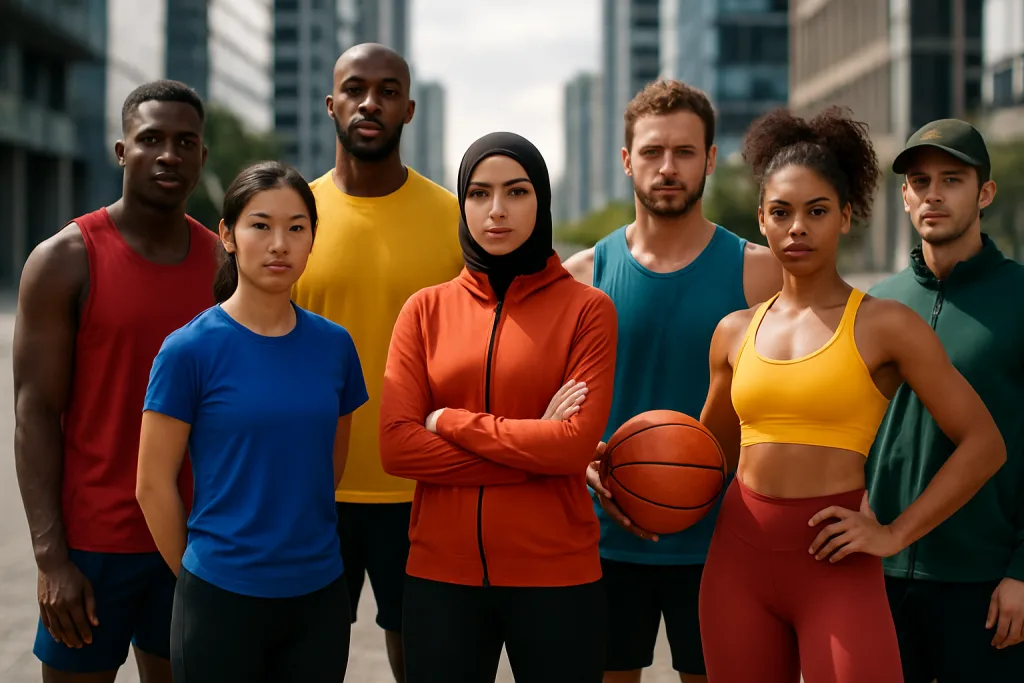
The global sportswear market flourishes on innovation and changing consumer lifestyles. A recent report from Statista projects sportswear revenue will surpass $400 billion worldwide by 2025. Health-focused living, athleisure adoption, and youth culture lead the charge. North America and Europe remain strong markets, while Asia-Pacific, especially China and India, shows record growth in sportswear demand and digital shopping.
- Rising demand for multi-purpose apparel
- Sustainable and recycled materials trending
- Online retail transforming purchase habits
This surge drives the need for advanced fabrics, technical details, and new business models—from direct-to-consumer brands to flexible OEM partners.
Major Design Trends for Sportswear in 2025
Sleek comfort and performance now go hand-in-hand. Here’s what defines the top sportswear trends for 2025:
- Eco-conscious fabrics: The shift toward organic cotton, recycled polyester (rPET), and sustainable elastane blends continues. Brands are embracing GOTS-certified cotton, modal, and viscose in jersey and pique knits.
- Function meets style: Technical finishes such as moisture-wicking, UV protection (UPF 40+), and anti-odor treatments come standard. Stain release and brushed backer finishes create versatile, easy-care pieces.
- Adaptive fits: Graded size sets with tighter tolerances, ergonomic paneling, and 3D mapping make sportswear offer a personal, flattering fit for every body.
- Color and prints: Lab-tested bulk Pantone matching, fade-resistant shades, and digital prints are more accurate than ever. Sublimation and DTF (direct-to-film) prints are rising for bold graphics on polyester.
- Advanced decoration: Embroidery—3D/puff and classic—alongside heat transfers and screen printing give dimension, durability, and unique identity to sportswear collections.
Material & Performance Table
| Fabric | Key Properties | Best Use Scenarios |
|---|---|---|
| Combed Cotton (24s/32s) | Soft, breathable, stable | T-shirts, polos, casual wear |
| Recycled Polyester (rPET) | Durable, wicking, sustainable | Activewear, team uniforms |
| French Terry (300–360 gsm) | Warmth, moisture control | Hoodies, sweatshirts |
| Elastane Blends | Flexibility, shape retention | Leggings, fitted tops |
| Pique Knit | Textured, breathable | Polo shirts, golf apparel |
| Modal/Viscose | Silky, drapes well | Streetwear basics, fashion tees |
Expert Takeaway
“Fabrics aren’t just the foundation—they’re a statement of brand values. The best sportswear of 2025 will prove performance, style, and sustainability can coexist.” — Apparel Production Manager, Ninghow
Top 10 Global Sportswear Brands for 2025
This year’s list of giants and challengers shows who is leading in design, tech, and global strategy. Here’s a breakdown:
- Nike — Still top, blending heritage with advanced performance. Recent launches in Flyknit and Space Hippie push recycled innovation.
- Adidas — Boost and Primegreen lines demonstrate commitment to recycled polyester and sustainable apparel.
- Puma — Known for speed-inspired streetwear, collaborations, and seamless blends of style and functionality.
- Under Armour — Focuses on technical moisture management, athletic fits, and anti-odor finishes.
- Lululemon — Pioneers athleisure and yoga wear with ultra-soft, quick-drying blends and proprietary fits.
- New Balance — Expanding its running and retro lifestyle collections, with eco-friendly initiatives.
- Reebok — Reviving heritage with new technical partnerships, classic silhouettes, and high-energy graphics.
- Decathlon — European giant with affordable, quality sportswear, excelling in large-scale technical R&D.
- Columbia Sportswear — Outdoor and hiking leaders noted for UPF knits and Omni-Tech waterproofing.
- ASICS — Running and training specialist, investing in certified organic and recycled base layers.
Each invests in quality control, batch management, and rigorous compliance with global standards—including OEKO-TEX and GOTS certifications. This high-level detail sets benchmarks for upcoming and private label brands.
OEM Sportswear: Private Label Manufacturing Power
For brands seeking a fast route to market, OEM (Original Equipment Manufacturer) and private label sportswear are driving growth. OEM partnerships empower startups and established labels to launch collections with custom sizing, performance fabrics, and bespoke decoration—all while controlling business costs and timelines.
- Flexible Minimum Order Quantities (MOQs)
- Access to advanced lab work: Pantone color matching, strike-offs, and bulk approval
- Tech pack guidance, pattern grading, and automated cutting for fit consistency
- Comprehensive decoration options: screen print, embroidery, heat transfer, DTF, and more
- End-to-end QC: inline checks, dimensional stability, seam strength, and AQL reporting
Manufacturers like Ninghow lead by combining craftsmanship with sustainable practices—offering combed cotton in 24s/32s, rPET moisture-wick knits, and customized packaging/labeling. Brands gain competitive turnarounds and global reach by leveraging such expertise.
Ninghow’s Role: Powering Next-Gen Sportswear Labels
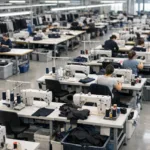
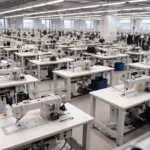
Ninghow is making waves in the OEM sportswear space. They supply top-tier brands and new labels with full-service manufacturing for polo shirts, hoodies, T-shirts, shorts, pants, jackets, and more. Clients benefit from consistent fit, strict quality control (including ISO/AATCC standards for colorfastness, seam strength, and dimensional change), and skilled craftsmanship in every product.
Ninghow’s process covers the entire journey:
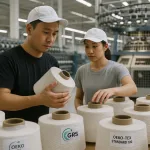
- Fabric selection: Organic, recycled, and premium technical blends tailored to each brand’s needs
- Lab dips and bulk color management: Pantone matching, shade banding, and strike-off validation
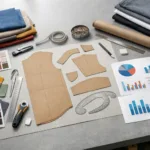
- Precision pattern cutting: Automatic and manual, with focus on tolerances and size grading
- Sewing and finishing: Multiple stitch types (ISO 301/401/602), reinforced seams, coverstitch hems, and rib collar attachment
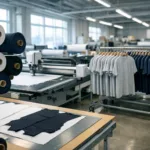
- Decoration: Embroidery (including 3D), screen printing, sublimation for polyester, and durable heat transfers
- Compliance and testing: OEKO-TEX STANDARD 100, GOTS, CPSIA for safety; rigorous AQL checks and batch controls
- Packaging: Fold methods, polybag specs, hangtags, care labels (ISO symbols), and export carton prep to meet Incoterms
From sample development through bulk shipping (FOB/CIF/DDP), Ninghow supports brands launching sports, lifestyle, and promotional collections—including streetwear basics and team uniforms. The focus on sustainability and reliability sets them apart for 2025.
Smart Innovations in Sportswear Construction
Technical advances originate at every production stage. Auto-cutting precision and grainline control improve fit. Moisture-wicking knits and mesh paneling provide targeted breathability, while advanced seam types (flatlock, ISO 504, and bartacks) boost comfort and durability in movement.
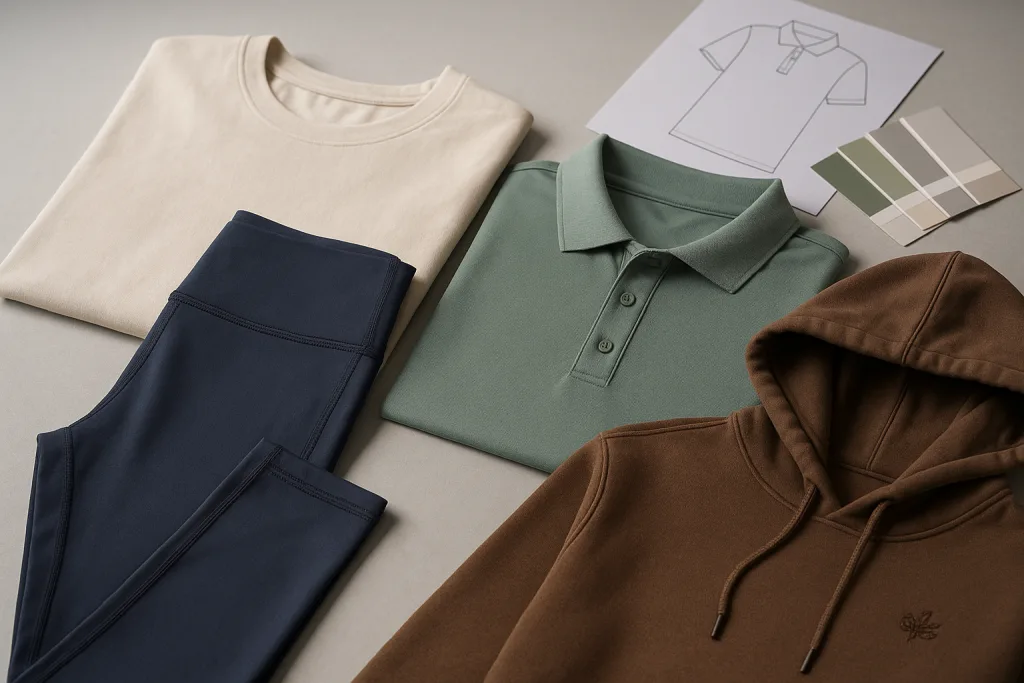
- French terry and brushed fleece offer flexible options for warmth and recovery
- UV-blocking, antimicrobial, and anti-pilling finishes extend garment life
- Decorations balance handfeel and resistance: e.g., water-based screen prints resist cracking, direct-to-film prints last hundreds of washes
Market leaders combine these techniques for versatile apparel—whether for golf, beach resorts, or everyday athleisure. Consistent SMV (Standard Minute Value) and line balancing keep costs and quality stable across production runs.
Quality Control: Ensuring Peak Performance and Longevity
Quality is more than a buzzword—it’s built into every stitch. Rigorous testing and compliance, such as fabric performance (ASTM D1683 for tear resistance, ISO 12945 for pilling, AATCC 135 for dimensional change), guarantee that sportswear meets high standards. Many brands and OEMs enforce inline and endline checks, use spec measurement tables, and require batch reporting for puckering, skew, and color stability.
Global standards like OEKO-TEX and GOTS certification help brands ensure their products are free of harmful substances and ethically made. For US-bound products, compliance with CPSIA and California Prop 65 is essential for labeling and safety.
Sportswear Applications: From Teams to Athleisure
The reach of top sportswear trends and brands dominating 2025 spans:
- Professional sports teams: Uniforms and training apparel needing durability and bold decoration
- Golf and resort wear: Performance polos and wovens with advanced moisture and UV control
- Corporate programs: Custom-branded activewear and promotional basics
- Streetwear: Jersey tees, hoodies, and pants styled for comfort and style
- Event merchandising: High-visibility, decorated T-shirts and sweatshirts supporting large-scale printing and fast turnarounds
Private label options, powered by flexible OEMs, let brands express unique identities while optimizing cost and logistics.
How to Launch a Sportswear Label in 2025
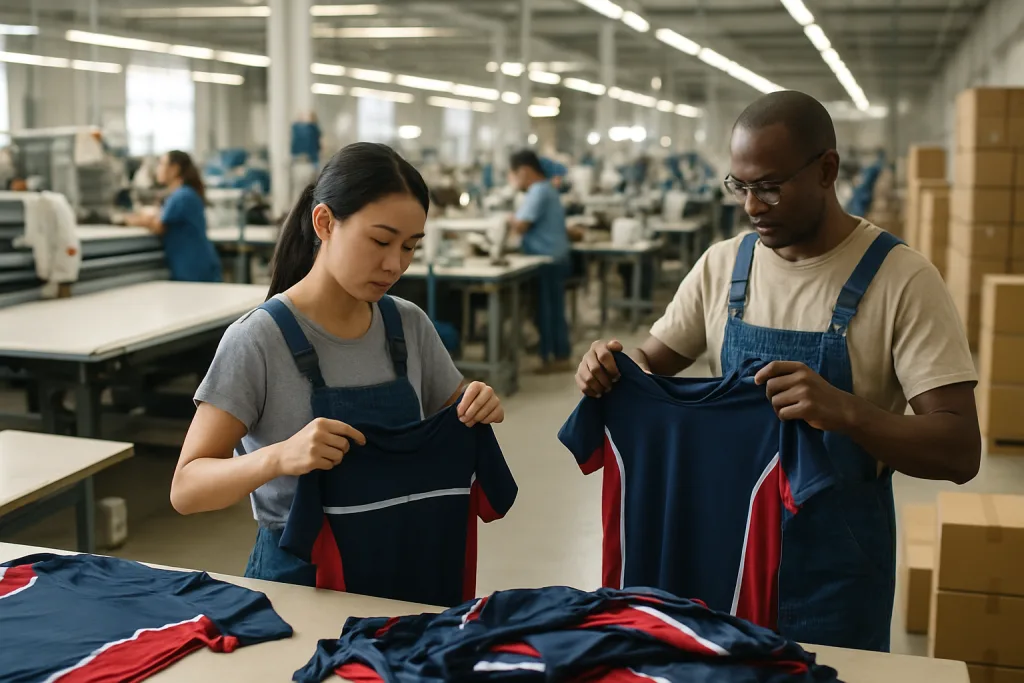
Starting a sportswear line requires clear steps, reliable partners, and industry know-how. Here’s a practical blueprint:
- Define your brand’s style and technical aspirations
- Create detailed tech packs—with reference samples, size specifications, trims, and decorations
- Choose manufacturer partners with full compliance and flexible MOQs (like Ninghow)
- Select fabrics and finishes that balance performance, sustainability, and cost
- Develop pre-production samples, validate fit and decoration, and finalize bulk color approvals
- Monitor quality control—track inline/endline checks, test for wash stability, and approve shipments before export
- Leverage nimble logistics, including barcoded packaging and clear export documentation
Brands that blend technical expertise, design appeal, and sustainability are poised to lead the market.
Frequently Asked Questions
What defines sportswear trends in 2025?
Eco-friendly fabrics, multi-functional finishes, and adaptive fits lead the trends. Innovations in decoration and colorfastness add value for both athletes and fashion-conscious consumers.
Which brands are leading the global sportswear market?
Nike, Adidas, Puma, and Under Armour top the list, followed by Lululemon, New Balance, Reebok, Decathlon, Columbia Sportswear, and ASICS for performance and style.
What are the benefits of OEM sportswear manufacturing?
OEM partners enable custom designs, flexible minimum orders, and rapid production. Brands get access to advanced fabric, fit, and decoration expertise without heavy investment in their own factories.
How does Ninghow support sportswear brands?
Ninghow offers end-to-end manufacturing, from sustainable fabrics and compliant production to customized packaging, QC reporting, and global logistics, supporting both startups and established brands.
What quality control tests should sportswear undergo?
Apparel is tested for colorfastness, wash stability, seam strength, pilling resistance, and dimensional change using standards like OEKO-TEX, GOTS, ASTM, and AATCC.
How can brands enter the sportswear market in 2025?
Define clear tech packs and product goals, select reliable OEM partners, validate samples and compliance, focus on sustainable fabric choices, and use effective quality and shipment controls.
