



Identifying Signs It’s Time to Switch Clothing Manufacturers
Choosing the right partner can make or break any fashion label or apparel brand. However, there are inflection points when the partnership with your current supplier isn’t working, affecting timelines, quality, or your company’s growth. Recognizing when to switch clothing manufacturer is essential to ensure your products meet expectations, your business scales, and your reputation stays intact. In this article, you’ll discover common signals, how to confirm the root causes, and practical steps you can take to transition smoothly.
Switch Clothing Manufacturer: Key Warning Signs
Consistent Quality Problems
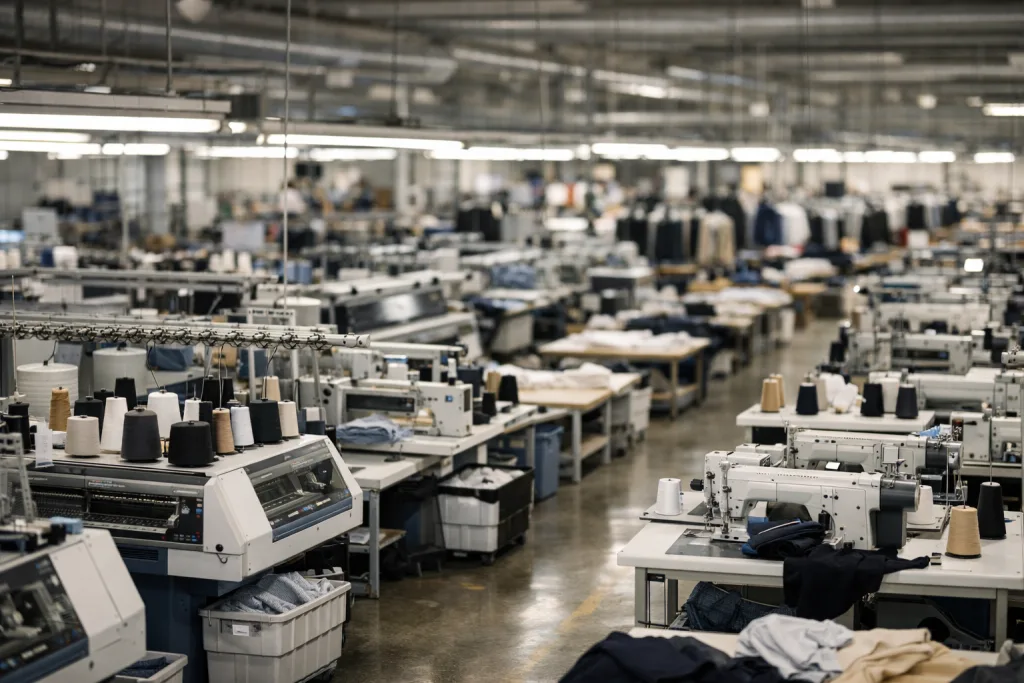
If you’re repeatedly discovering stitching errors, crooked seams, uneven prints, or defective zippers, it’s a clear warning something’s off. Most top manufacturers deliver 95%+ first-pass quality rates. Anything less and it’s time to review your supply chain—and maybe switch clothing manufacturer.
Delayed Deliveries
Production delays are serious, especially for seasonal or trend-driven apparel. If delays become the norm rather than the exception, consider them a strong indicator your manufacturer may not be able to keep up with your demands. Reliable partners consistently meet their timelines—even when busy.
Poor Communication
Lack of clear, proactive communication leads to errors and confusion. When questions go unanswered for days, or specifications are misunderstood, this lack can be costly. Manufacturers who value your partnership prioritize regular, meaningful updates.
Rising Defect Rates
Are your returns, repairs, or QC failures climbing? If so, this trend suggests slippage in process controls. Great manufacturers invest in quality control and continually improve; those who don’t leave you at risk.
Missed Compliance or Certifications
Laws and buyer expectations are rising every year. If your factory can’t maintain certifications (like OEKO-TEX, GOTS, WRAP) or fails social or environmental audits, it’s not just risky—it could block you from key markets.
Hidden or Unjustified Cost Increases
Cost adjustments happen, but if you see frequent, unexplained price hikes, or find charges that don’t match quotes, ask why. Transparency is key. If you’re getting vague reasons or stonewalled, explore your options.
Unwillingness to Innovate or Customize
Markets change, and so do fashion trends. A good manufacturing partner supports new fabrics, printing techniques, or quick MOQ adjustments. If your current supplier is inflexible, you may outgrow them.
Declining Customer Service
Unexpectedly poor service—whether in samples, shipping, invoicing, or problem-solving—signals trouble. You deserve responsiveness and solutions, not excuses. Switch clothing manufacturer if poor service persists.
Capacity Constraints or Overload
Manufacturers sometimes overcommit and can’t give your business the attention it needs. If your runs keep getting delayed due to capacity issues, you may need a more scalable partner.
Lack of Transparency or Trust
If you can’t visit the factory, receive honest costing, or access basic tracking, something’s fundamentally wrong. Trust and transparency are non-negotiable in modern fashion manufacturing.
How to Confirm the Root Cause of Problems
Analyze Quality Control Reports
Review rejection rates, types of defects, and frequency. Is there a pattern in samples or bulk production? This will indicate if issues are chronic or project-specific.
Review Your Communication Log
Skim through emails, chats, and call histories. Frequent misunderstandings, slow responses, or disputes are evidence of communication gaps.
Conduct a Process Audit
Either visit the factory yourself or request a trusted agent to do so. Reviewing first-hand the processes in sampling, cutting, sewing, and finishing often reveals where quality or lead times stall.
Compare Expected vs. Actual Timelines
Create a timeline of PO placement, samples, bulk run, quality check, and delivery for your last 2–3 orders. Any delays? Where and why did they happen?
Monitor Cost Breakdowns
Compare quoted prices to actual invoices. Identify and question any recurring, unexplained fees or price increases. This helps establish transparency (or lack thereof).
Request Third-Party Audit or Inspection
Sometimes, using an outside service for factory or compliance audits uncovers hidden weaknesses that impact consistency or reputation.
Seek Customer and Vendor Feedback
Talk with those downstream (retailers) and your logistics vendors. Negative patterns signal the issue isn’t isolated.
Steps to Take Before You Switch Clothing Manufacturer
Clarify Your Non-Negotiable Requirements
List what matters most: quality standards, delivery windows, certifications, order volumes, etc. This clarifies what to watch for in new suppliers.
Communicate Concerns (and Give a Fair Chance)
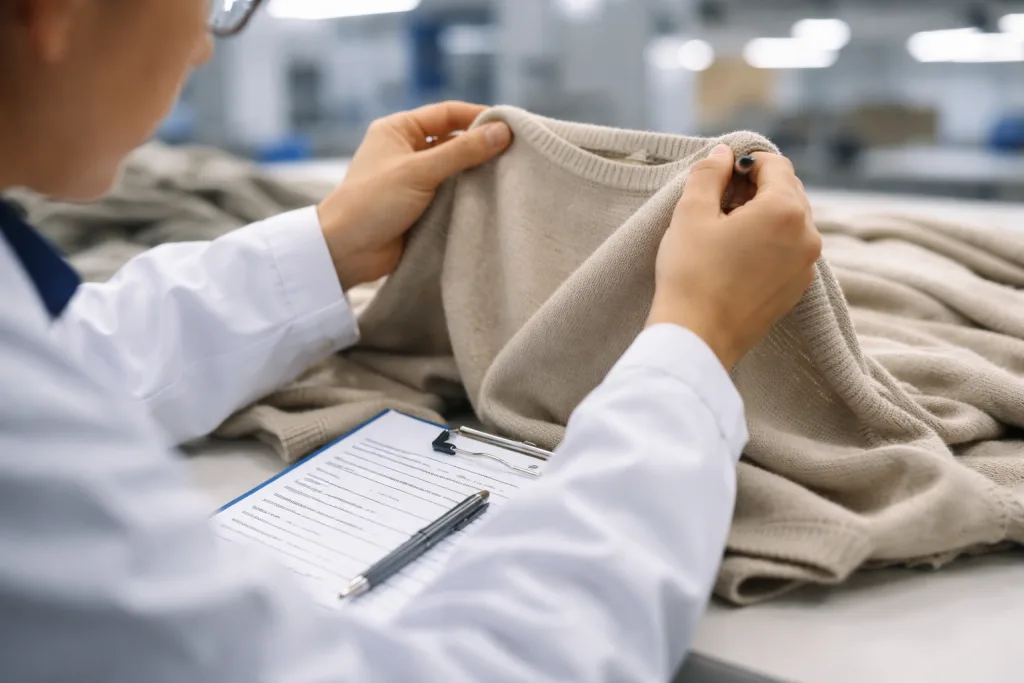
Discuss issues with your current manufacturer. Sometimes, transparent, constructive feedback prompts improvements. Give a chance, but set clear timelines for progress.
Start Your Supplier Search (Discreetly)
Research alternative manufacturers. Check references, request certifications, and review factory portfolios. Leading directories like Alibaba, Makers Row, and global sourcing expos are good places to start.
Request and Review Samples
Always assess sample garments—stitching, trims, print clarity, washability—before making commitments. Compare head-to-head with current output.
Evaluate Factory Capabilities and Flexibility
Do they offer the MOQs, lead times, and material options you require? Are they comfortable with the product range you envision? Schedule a video tour if you can’t travel.
Understand Cultural and Timezone Fit
Reliable mass production depends on solid cross-cultural communication. Make sure you have at least one point-person that’s responsive and understands your style and market needs.
Comparison Table: Old vs New Manufacturer
| Criteria | Current Manufacturer | Potential New Manufacturer |
|---|---|---|
| Sample Quality | Inconsistent | Consistent, better finish |
| Delivery Timeliness | Frequently late | Guaranteed window |
| Certifications | Some expired | Current & audited |
| Price Transparency | Hidden fees | Open breakdown |
| Minimum Orders | High threshold | Flexible MOQs |
| Communication | Slow, unclear | Fast, clear, responsive |
Questions to Ask a Potential New Manufacturer
- What is your average defect rate?
- Can you share recent compliance audit results?
- How do you handle order scaling or urgent re-orders?
- Are pattern making, grading, or technical design included?
- Who is my day-to-day contact and what’s your communication protocol?
- Do you support private label or OEM customization like Ninghow?
Brand Voice: Ninghow’s Approach to Making the Switch
Ninghow understands the challenges brands face when switching manufacturing partners. From onboarding with a dedicated project manager to supporting flexible MOQs and rapid prototyping, Ninghow emphasizes clarity and consistency in production. The factory’s OEM/private label services ensure your vision is supported with technical expertise and open communication.
If you’re considering a reliable clothing manufacturer, it’s worth learning how factories like Ninghow approach real-world customization and production.
Switch Clothing Manufacturer: Process Flow
Initial Vetting
Use online research, references, and review sites for a first pass, then schedule introduction calls.
Sample & Development Runs
Test a small batch or sample, judge overall fit, finish, repeatability, and responsiveness—before making volume decisions.
Contract & Confidentiality
Work with clear production agreements, IP/NDA protections, and payment terms. Professional partners support transparency, not handshake deals.
Transition Timeline Planning
Don’t move all at once—pilot a collection or split orders across both old and new partners for risk mitigation.
Tips for a Smooth Transition
- Communicate respectfully with your current manufacturer. Burning bridges can trigger retribution (like delayed shipments) unnecessarily.
- Document all steps, approvals, and handoffs to avoid missteps and misunderstanding with your new partner.
- Keep buffer stock or parallel production during the switch, ensuring you can deliver on sale channels without interruption.
- If the new partner supports onboarding, as with Ninghow, leverage any training or handover coordination they offer.
Common Mistakes to Avoid When You Switch Clothing Manufacturer
- Switching during peak seasons without contingency—aim for low-season transitions if possible
- Choosing solely on price instead of value—evaluate service, quality, reliability, and total landed costs
- Rushing without multiple test samples—rinse and repeat to confirm fit and finish
- Failing to verify certifications—ask to see original documentation and, if possible, third-party audit confirmation
How Leading Brands Make the Change
Industry leaders usually pilot two or three new manufacturers and gradually shift capacity over. They keep old partners informed (to preserve supply security) and use detailed technical packs and color/fabric swatch approvals to limit miscommunication. The most successful transitions typically include a probation period for new partners and emphasize shared targets, as exemplified by industry suppliers like Ninghow.
Switch Clothing Manufacturer

If you’re facing frequent production headaches, unexplained cost hikes, or deteriorating quality, don’t hesitate to audit your current partnerships. Modern apparel markets move fast, and switching clothing manufacturer could be the key to unlocking better supply chain resilience. Follow proven steps, clarify what matters most, and don’t be afraid to ask tough questions—your reputation and profits depend on it.
Conclusion: Building Stronger Manufacturing Partnerships
Switching your clothing manufacturer is a big step, but sometimes, it’s your smartest move for success and growth. Look for repeat signals: declining quality, poor service, lack of transparency, and rising costs. Confirm problems through careful documentation and open dialogue, then plan your next moves professionally and proactively. With the right partner—one that values reliability, innovation, and communication—you’ll set your brand up for sustainable wins. Ready for a new chapter? The smartest brands never settle for less than what their customers deserve.
Frequently Asked Questions
What are the earliest signs of a failing clothing manufacturer?
Look for increasing defects, late shipments, poor communication, and a rise in customer complaints. These indicate reliability problems early on.
How do I confirm issues aren’t my fault before switching?
Audit your tech packs, order details, and feedback logs. If instructions are clear and unchanged, but problems continue, the issue is usually supply-side.
What documents should I request from a new manufacturer?
Ask for business licenses, compliance certifications, references, and example contracts. Reliable factories provide these upfront without hesitation.
Is it risky to switch manufacturers during busy seasons?
Yes—peak periods amplify risks. Try to switch during your brand’s slow season to allow time for onboarding and troubleshooting without market pressure.
How long does the transition to a new clothing manufacturer typically take?
Expect about 2–3 months for proper vetting, sampling, and test production. Rushing risks miscommunication and repeat errors.
What advantages can a new manufacturer like Ninghow offer?
Ninghow provides better flexibility, rapid sampling, private label/OEM options, and improved communication—crucial for growing or pivoting brands.
