


Pillar Content:Clothing Manufacturing Process
In recent years, sustainable fabrics have become a must in modern clothing production. People now care about how clothes affect the planet. This shift brings huge change to the fashion world. Brands that choose sustainable fabrics help reduce pollution, save water, and protect workers. At Ninghow, we proudly support this change with expert OEM/ODM services, no MOQ, and international wholesale solutions. Welcome to a journey toward kinder fashion.
1. Why Sustainability Matters in the Apparel Industry
1.1 The environmental footprint of fast fashion
Fast fashion creates lots of waste. Factories use tons of water and energy. Chemicals from dyes pollute rivers. Many clothes end up in landfills within months. This hurts ecosystems and carbon emissions rise fast.
1.2 Consumer demand for transparency and values
Today’s buyers care about values. They want to know where clothes come from and how they are made. They look for sustainable fabrics that are gentle on nature. Brands that show transparency and real green efforts get strong trust and loyalty.
2. Organic Cotton – Softness with Responsibility
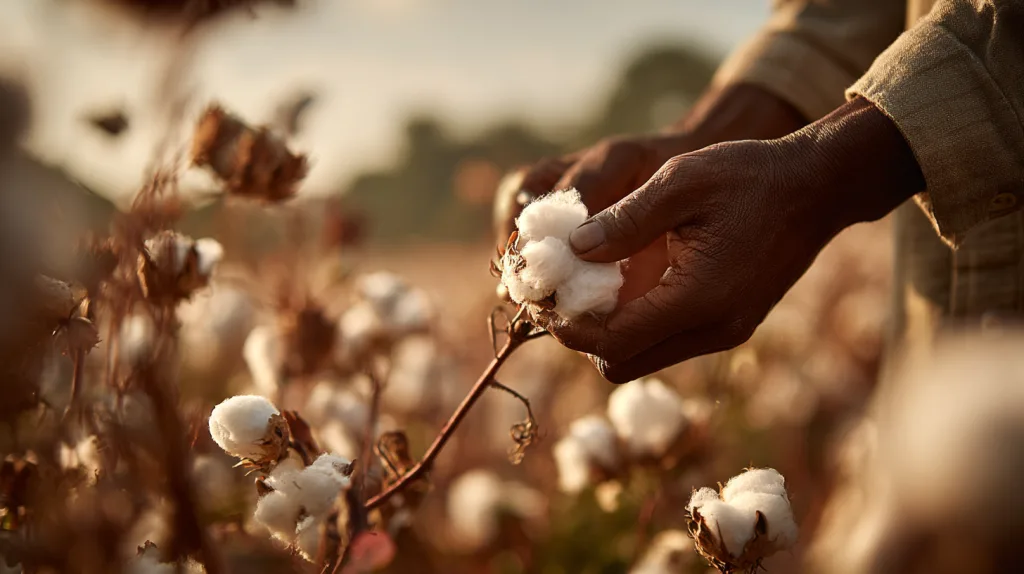
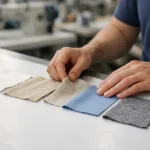
Organic cotton is grown without harmful chemicals. Farmers use natural fertilizers and protective methods that keep soil and water safe. It often comes with certifications like GOTS (Global Organic Textile Standard) or OEKO TEX, which guarantee no toxins. Organic cotton is soft, breathable, and safe for sensitive skin like children’s.
Organic cotton also helps farmers. Reduced chemical use protects their health and reduces costs. It often comes with fair trade labels, supporting fair wages.
3. Recycled Polyester – Reducing Plastic Waste
Recycled polyester is made from existing plastic, such as PET bottles. This reduces plastic waste and gives materials a new life. The fiber keeps its strength, dries quickly, and is ideal for sportswear and swimwear.
| Advantage | Recycled Polyester | Virgin Polyester |
| Source | Post consumer plastic | Fossil fuel raw |
| Waste Reduced | Lowers plastic pollution | No impact on waste |
| Performance | High—moisture wicking | High |
| Environmental Footprint | Smaller | Larger |
Using recycled polyester helps close the recycling loop and preserve natural resources.
4. Bamboo, Hemp & Other Eco Materials
4.1 Bamboo: fast growing, moisture wicking fiber
Bamboo grows quickly, using minimal water and no pesticides. The fiber is soft and breathable. It naturally resists odor and wrinkles. It works well for beachwear and casual wear that must feel cool and comfy.
4.2 Hemp: sturdy, low impact crop
Hemp grows with little water and no weed killers. Its tough fibers are durable, long lasting, and get softer with use. Hemp is great for business wear and casual styles that need strength and eco simplicity.
4.3 Other emerging sustainable fibers (Tencel, Piñatex, etc.)
- Tencel (Lyocell) is made from wood pulp in a closed loop process that recycles water and solvents. It’s soft and eco friendly.
- Piñatex uses pineapple leaf fibers—making use of farm waste. It’s a creative leather alternative.
- Other fibers include cork fabric, recycled cotton, and soy based materials.
These options are great for designers wanting unique, planet kind materials.
5. How Ninghow Helps Brands Adopt Sustainable Fabrics
At Ninghow, we make sustainable fashion simple and affordable:
5.1 OEM/ODM flexibility with no MOQ constraints
Whether you need a small batch of sustainable beachwear or bulk sports jackets, Ninghow supports you. No MOQ (minimum order quantity) means flexibility for new brands or limited edition runs.
5.2 Quality control and eco certification support
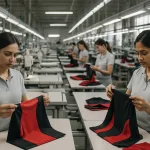
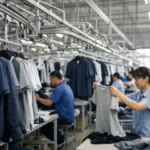
We ensure high quality and offer help with GOTS, OEKO TEX, and other eco certifications. Our team oversees eco friendly dyeing, fair labor, and strict checks to maintain trust in your sustainable claims.
5.3 International wholesale and logistics solutions
Ninghow ships globally with clear import documentation and smooth logistics. Whether your customers are in Europe, North America, or Asia, we manage timely delivery while keeping carbon footprint in mind.
6. Case Study: Eco Friendly Polo Shirts
6.1 Design brief and material selection
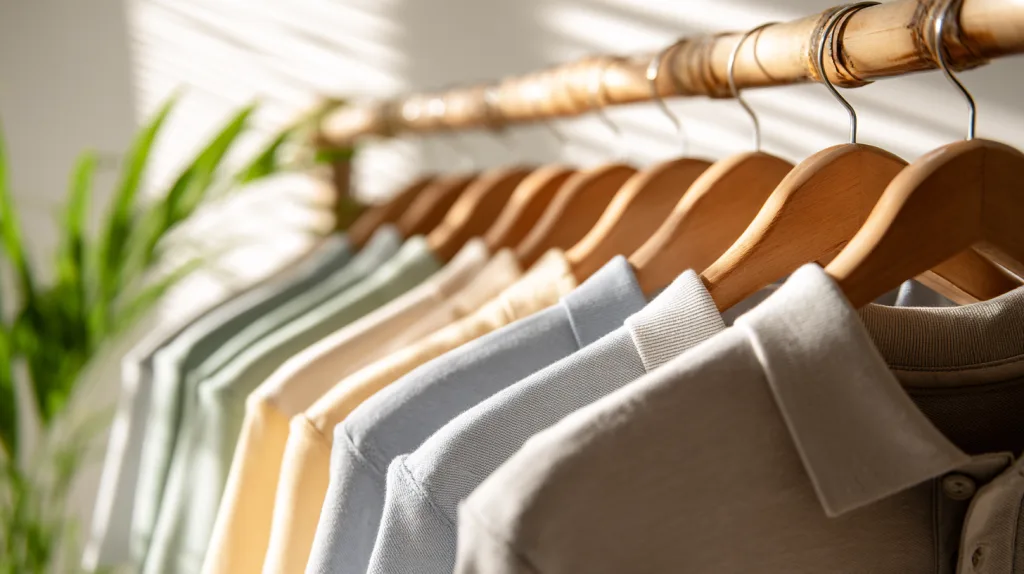
Project: a premium polo shirt line using 70% organic cotton and 30% recycled polyester. The goal was softness, moisture wicking, and eco credentials.
6.2 Production process and sustainability results
- Chosen organic cotton with GOTS certification.
- Incorporated recycled polyester from post consumer PET.
- Low impact dye methods and water recycling in factory.
Result: Water use reduced by 40%, CO₂ emissions cut by 30%, and no harmful chemical residues.
6.3 Cost, impact, and customer response
The item cost was slightly higher than standard polos but justified by value—eco labels, performance, and brand story. Retailers reported strong purchase response, especially from eco conscious customers. The polos sold out in two seasons, and repeat orders flowed in.
7. Work with Ninghow for Sustainable Clothing Manufacturing (Call to Action)
If you are ready to make a difference with sustainable fabrics, Ninghow is your trusted partner. With OEM/ODM services, zero MOQ, quality control, and international support, we help bring eco friendly clothing ideas to life. Whether it’s sportswear, beachwear, or corporate fashion—we tailor production to your vision.
Let’s build a greener future together—one fabric at a time.
(External resource for sustainability standards: Global Organic Textile Standard (GOTS) for more info.)
FAQ
What is the production timeframe for sustainable fabrics?
At Ninghow, typical production time for sustainable fabric items ranges from 4 to 8 weeks, depending on material sourcing and order size. Low‑MOQ batches often complete in the shorter end, while larger orders or certification processes may extend to 8 weeks.
Is there a minimum order quantity (MOQ) when using organic or recycled fabrics?
No. Ninghow supports no MOQ (no minimum order quantity) for sustainable fabric orders. You can order small runs or test batches without a high upfront commitment.
How does choosing sustainable fabrics affect cost?
Sustainable materials like organic cotton or recycled polyester may carry a slight premium, typically 5–20% above conventional fabrics. However, the added value in branding, eco‑credentials, and long‑term savings (e.g. durability, marketing appeal) often outweighs the cost difference.
How do you ensure fabric quality when using eco materials?
We maintain strict quality control protocols, from fabric inspection and lab testing to, if needed, eco‑certification verification (e.g. GOTS, OEKO‑TEX). We work with experienced mills and perform regular audits to ensure reliability.
What are key benefits of organic cotton versus bamboo or hemp?
Organic cotton is soft and safe for sensitive skin; bamboo is fast‑growing, moisture wicking, and soft; hemp is strong, durable, and low‑impact in farming. Each excels in different use cases—what matters is matching fiber to the end use.
How long does shipping take for international wholesale orders?
Shipping time varies by destination: usually 1–2 weeks via air freight for urgent orders, or 3–6 weeks via sea freight for cost‑sensitive wholesale. We optimize for speed, cost, and carbon efficiency.
