
In today’s fashion landscape, consumers and brands alike are becoming increasingly aware of the environmental impact of the clothes we wear. The rise of sustainable clothing manufacturers is not just a passing trend — it reflects a fundamental shift in how the industry operates. For startups, emerging brands, and eco-conscious retailers, aligning with manufacturers who prioritize sustainability isn’t just ethical; it’s smart business.
In this blog post, we’ll explore what makes a manufacturer truly sustainable, the key materials and processes driving this movement, and how to choose the right partner to meet your environmental values without compromising on quality or scalability.
Why Sustainability Matters in Clothing Manufacturing
Fast fashion has dominated the global market for decades, but it has come at a steep environmental cost:
- Over 92 million tons of textile waste are produced each year globally.
- Traditional dyeing and treatment processes are responsible for about 20% of global water pollution.
- Non-biodegradable materials like polyester take centuries to break down.
Sustainable clothing manufacturers are stepping up to combat these issues. They offer more responsible production options, reduce waste, and promote ethical labor practices — all without sacrificing style or function.
Eco-Friendly Materials Driving the Shift
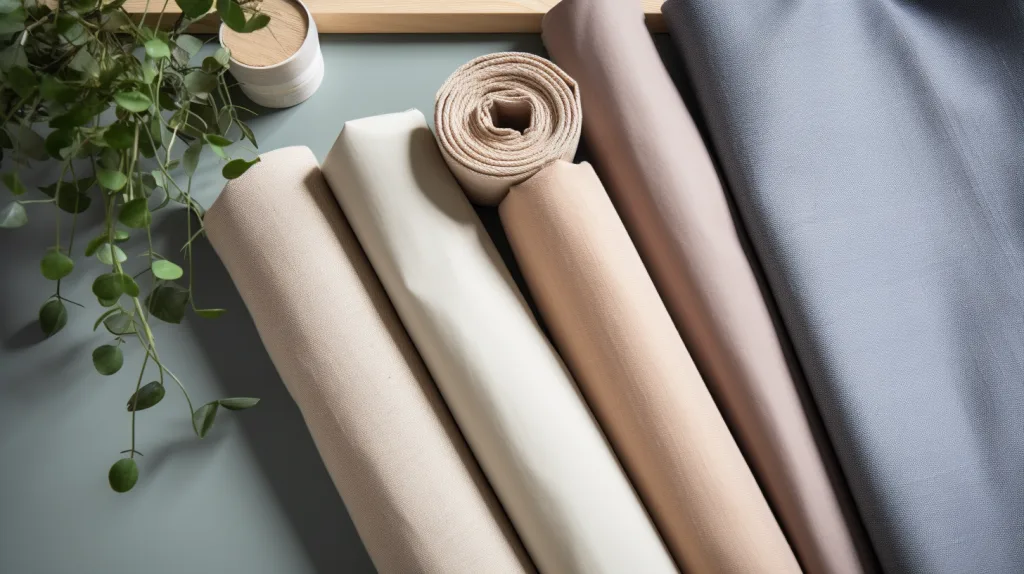
A major part of sustainable manufacturing lies in the choice of materials. The right fabrics reduce environmental impact while maintaining durability and comfort.
Popular Sustainable Fabrics
- Organic Cotton: Grown without harmful pesticides and with significantly less water.
- Recycled Polyester (rPET): Made from used plastic bottles, reducing landfill waste.
- Hemp: Naturally pest-resistant, grows quickly, and improves soil health.
- TENCEL™ / Lyocell: Produced from sustainably harvested wood pulp in a closed-loop system.
- Bamboo Viscose: Fast-growing, renewable, and soft on the skin.
These materials are often blended or finished using non-toxic dyes and biodegradable treatments to ensure the garment remains eco-friendly throughout its life cycle.
Sustainable Manufacturing Processes
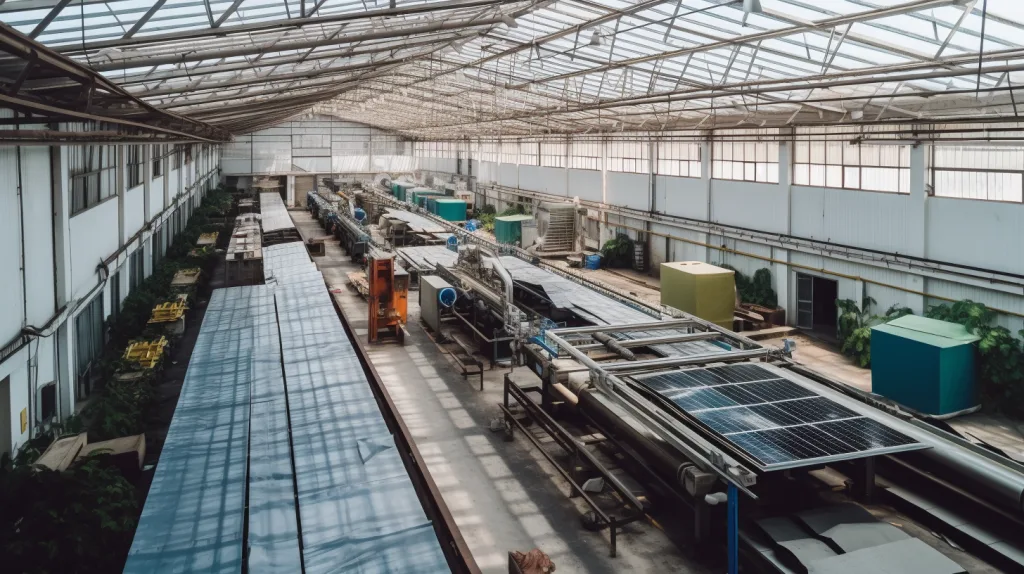
Eco-conscious brands should look for manufacturers who implement green practices not only in materials but throughout the production cycle.
Key Eco-Friendly Practices
- Low-Impact Dyeing: Techniques that use less water and avoid toxic chemicals.
- Water Recycling Systems: Capturing and reusing water in dyeing and washing processes.
- Solar or Renewable Energy: Powering facilities with solar, wind, or hydroelectric sources.
- Zero-Waste Pattern Cutting: Reducing fabric scraps through smart design.
- Ethical Labor Conditions: Ensuring fair wages, safe workplaces, and responsible hiring.
At Ninghow, for instance, we actively incorporate water-saving dyeing and low-MOQ zero-waste production solutions, allowing small brands to make a big impact.
How to Choose the Right Sustainable Clothing Manufacturer
Not all manufacturers who claim sustainability walk the talk. Here’s what to look for when sourcing an eco-conscious partner:
Certifications That Matter
- GOTS (Global Organic Textile Standard)
- OEKO-TEX® Standard 100
- GRS (Global Recycled Standard)
- Fair Trade Certified
- SA8000 for social accountability
These third-party standards ensure transparency and authenticity in sustainability claims.
Flexibility and Scalability
For startups or brands testing new eco-collections, small minimum order quantities (MOQs) and quick sampling are essential. A good sustainable manufacturer will support:
- Low-MOQ production
- Fast prototyping and sampling
- Custom fabric sourcing
- Eco-friendly printing and packaging options
Ninghow specializes in custom sustainable manufacturing — whether you’re designing organic cotton polos or rPET activewear, we help bring green concepts to market efficiently.
Real-World Use Cases: From Idea to Impact
Let’s look at a few examples where sustainable manufacturing made all the difference:
- Emerging Beachwear Brand: A client wanted biodegradable swimwear packaging and low-waste cutting. We sourced compostable bags and implemented digital patterning to meet both needs.
- Athleisure Startup: Focused on recycled fabrics, we helped them develop a collection using rPET and moisture-wicking bamboo blends, with eco-inks for branding.
- Corporate Gifting Program: For a company looking to align with ESG goals, we produced branded polos made from organic cotton and shipped using plastic-free packaging.
The Long-Term Advantage of Going Green
Eco-conscious apparel isn’t just about doing good — it’s also a strategic move:
- Brand Loyalty: Gen Z and millennial buyers favor sustainable choices.
- Retail Partnerships: Many retailers now require sustainability as part of their supply chain.
- Reduced Risk: Compliance with environmental laws is getting stricter globally.
- Marketing Differentiation: A sustainable story stands out in a crowded market.
When you work with a trusted sustainable clothing manufacturer, you’re not just creating garments — you’re creating impact.
Partnering with Ninghow: Your Sustainability Ally
At Ninghow, we’re more than a clothing factory — we’re your sustainability partner. With flexible production volumes, transparent practices, and a curated selection of eco-materials, we help brands turn their vision into a responsible reality.
Whether you’re building an eco-friendly streetwear brand, launching recycled fabric sportswear, or prototyping for a green collection, our team offers:
- Custom sourcing of sustainable fabrics
- Eco-labeling and certifications
- Rapid, low-MOQ production
- Tailored advice for startups
Let’s work together to make fashion better — for the planet and your brand.
Frequently Asked Questions (FAQ)
Q1: What’s the difference between eco-friendly and sustainable clothing?
A: Eco-friendly refers to minimizing harm to the environment in specific aspects (like using organic cotton), while sustainability involves a more holistic approach — including materials, labor, processes, and long-term impact.
Q2: Are sustainable materials more expensive?
A: While some sustainable materials may have a slightly higher base cost, the long-term savings from reduced waste, better durability, and brand value often outweigh the initial expense.
Q3: Can I order small quantities when working with a sustainable clothing manufacturer?
A: Yes! At Ninghow, we offer low minimum order quantities (MOQs) and fast prototyping to help small brands and startups test their collections sustainably.
Q4: Do sustainable fabrics limit my design options?
A: Not at all. Today’s eco-fabrics are available in a wide variety of textures, colors, and finishes — giving you flexibility without compromising creativity.
Q5: How do I know a manufacturer is truly sustainable?
A: Look for certifications like GOTS, OEKO-TEX®, and GRS, and ask detailed questions about materials sourcing, production practices, and labor policies.
Related Reading
