

Launching a sportswear brand is both exciting and challenging. Success begins with a sharp vision, organized planning, and a clear understanding of apparel manufacturing. This comprehensive guide walks you from first idea through your first purchase order (PO), with practical advice for positioning, product line decisions, and smart sampling processes. Whether you want to serve athletes, teams, or style-focused fans, you’ll learn how to build a dependable brand with lasting appeal.
Defining Your Market Position: Where Does Your Sportswear Brand Fit?
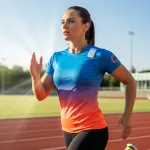
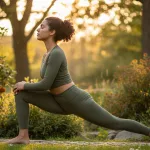
Your market position is the foundation of your brand. Who are you building for—serious athletes, weekend warriors, or fashion-conscious urbanites? Are you targeting performance, sustainability, or affordability?
- Target Audience: Age, gender, activity, location, values
- Competitor Scan: Direct vs. indirect brands, price points, features
- Unique Value: Performance edge, fit, style, eco-materials, local production, etc.
For example, if your brand will prioritize sustainable materials and ethical manufacturing, your messaging, design, and sourcing choices must all reinforce that. Study successful brands to find gaps. Survey potential customers. Consider whether collaborating with a partner like Ninghow, who shares a focus on quality and sustainability, can strengthen your approach right from the start.
Sportswear Product Line Planning: Breadth vs. Depth
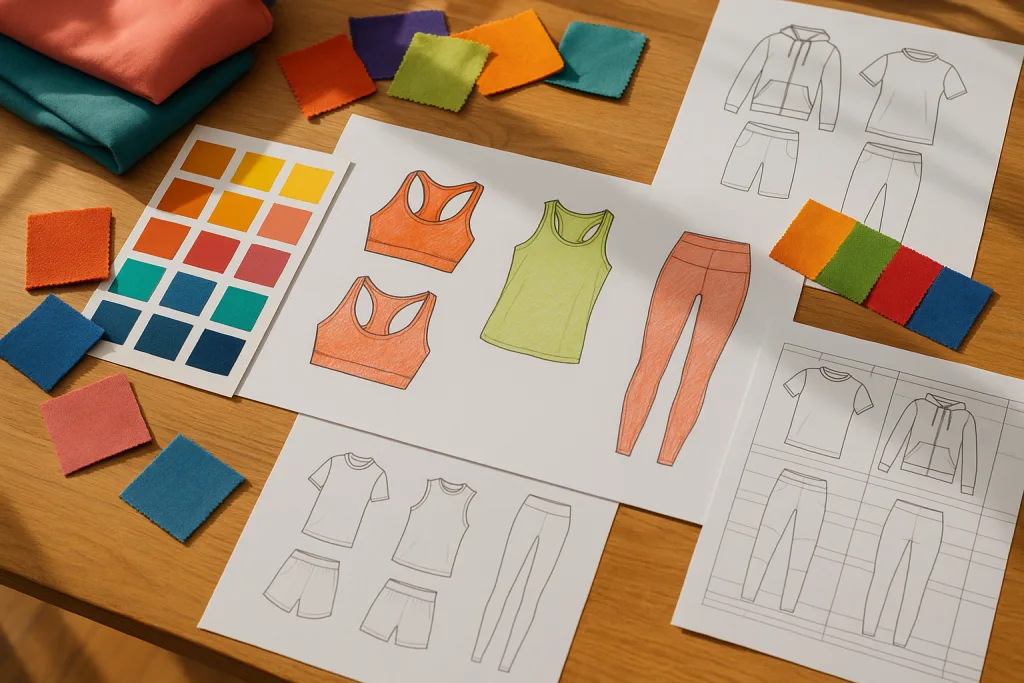
Define your first product drop wisely. Sportswear founders often start too broad. Instead, choose a focused line:
- Signature styles: Polo shirts, performance tees, sweatshirts, jackets, or leggings
- Core colors: Modern neutrals plus a bold accent
- Functional details: Pockets, mesh zones, flatlock seams, rated for sweat management
Avoid overwhelming choices. Build your initial collection around consistent fabrics, finishes, and construction to save time and cost. See the below table for common options and use-cases:
| Fabric/Finish | Key Properties | Best for |
|---|---|---|
| Combed cotton 24s (180–200 gsm) | Soft handfeel, breathable, casual fit | Tees, polo shirts, basics |
| Recycled polyester/elastane (220–240 gsm) | Moisture-wicking, stretch, quick dry | Active tops, leggings, shorts |
| French terry (300–350 gsm) | Loopback moisture control, warmth | Sweatshirts, joggers, hoodies |
| Pique polyester/cotton blend (180–230 gsm) | Classic polo texture, durable, colorfast | Golf polos, uniforms |
| Anti-odor finish/UPF treatment | Odor control, sun protection | Outdoor sports, activewear |
Building a Tech Pack: Turning Ideas Into Production-Ready Specs
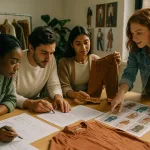
Once you settle on styles and fabrics, create detailed tech packs for each piece. These tech packs include:
- Front/back/side design views
- CAD sketches and measurements (including tolerances)
- Stitch types and seam construction (e.g., ISO 601 flatlock, coverstitch hems)
- Fabric specs (e.g., 94% rPET, 6% elastane, 230 gsm, moisture-wicking)
- Colorways (Pantone codes) and size ranges
- Branding details (labels, embroidery, print, position)
This document guides factories like Ninghow and shrinks room for production error.
The Sampling Cadence: Creating and Perfecting Your Prototypes
Sampling brings your product from paper to reality. A robust process will help you control quality and cost.
- Initial Sample (Proto): Test core construction and fit. Feedback leads to pattern tweaks.
- Fit Sample: Fine-tune drape, mobility, and style details.
- Pre-Production Sample (PPS/TOP): All details, trims, sizing, and colors finalized. Used for final approval.
Request lab dips or strike-offs to approve fabric color—Pantone matching ensures shade consistency across bulk production. Remember, touch and stretch matter as much as looks. Approve fabric handfeel and surface finish (e.g., peach finish, anti-pilling, print clarity).
Sampling Timeline: Set Realistic Milestones
| Step | Typical Working Days |
|---|---|
| Proto sample | 10–15 days |
| Fit sample revision | 7–10 days |
| PPS sample & approval | 10–14 days |
| Bulk sample (TOP) | 10–12 days |
Building trust with your manufacturer, sharing clear feedback, and consolidating sample requests—these save weeks and minimize costly errors later on.
Approvals: What to Sign-Off Before Production
Before you move into manufacturing, confirm and approve every pivotal detail. Skipping this step leads to miscommunication, wasted time, and lost money. Here’s what to tick off:
- Bulk fabric and trim approvals (lab dips for color, fabric quality, zipper/hardware samples)
- Pantone color match records
- Fit and size set approval (graded samples in all sizes)
- Decoration method (print/embroidery/seam taping), with tested stability and durability
- Branding: woven/heat labels, swing-tags artwork placement, barcode/care label content
- PPS sample sign-off as the gold standard (kept on file by factory and brand)
- Packaging approval (folding, polybag, hangers, carton marking, size ratios)
Establish the Acceptable Quality Limit (AQL)—typically 2.5 for consumer sportswear. Insist on a detailed spec sheet for each item. This is where partners like Ninghow shine, using strict QC protocols and transparent documentation.
Pre-Production Checklist: What You Must Finalize
Strong organization reduces surprises. Before issuing your first bulk order, double-check these essentials:
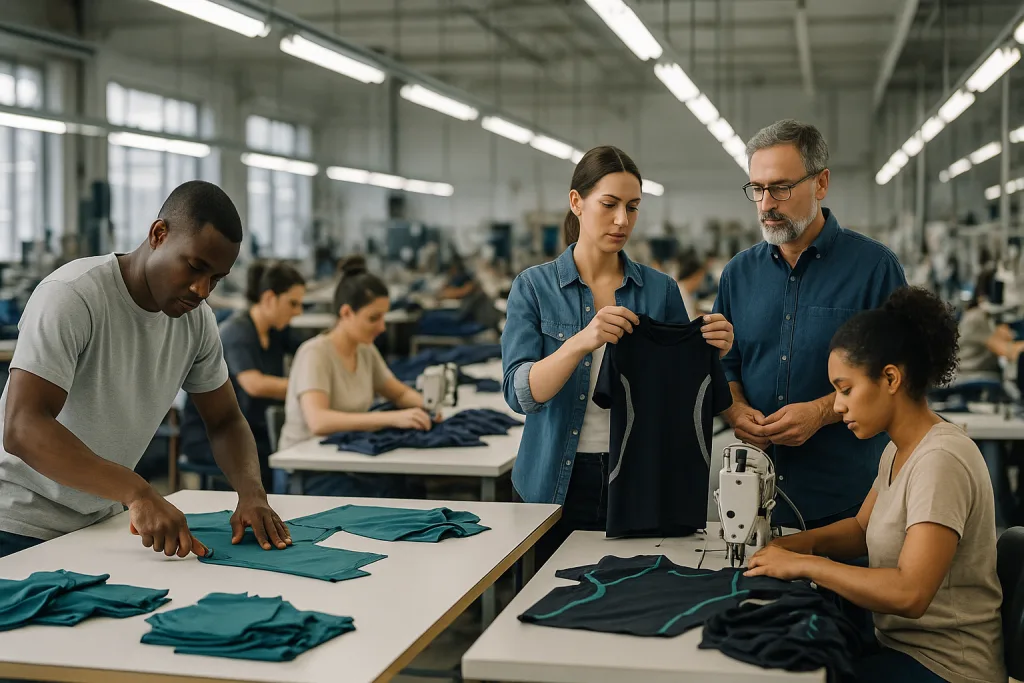
- Approved tech packs (with correct marker and pattern files)
- All PPS samples fully signed off
- Final fabric order (bulk lab dips, shade bands, roll qty)
- Trim/hardware order (drawcords, zips, snaps, approved by batch)
- Size and ratio breakdown
- Packaging details (polybag specs, hangtags, carton marks, export carton weight/dims)
- Shipping method and incoterms (EXW, FOB, CIF, DDP, etc.)
- Down payment and purchase order signed
Prepare for possible scenarios: color matching errors, fabric shortages, or label misprints. Maintain frequent communication and document all confirmations. Reputable makers like Ninghow often invite you to inspect pre-bulk or video-call walk-throughs for peace of mind.
First PO to Delivery: Inside the Manufacturing Process
Your order is placed; now your focus must shift to production oversight and launch prep. Here’s how the process unfolds inside an experienced factory:
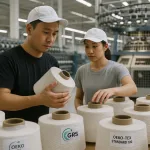
- Fabric Relaxation & Spreading: Rolls are unwound and allowed to relax before precision cutting—prevents shrinkage and grants better fit.
- Marker Making & Cutting: Digital markers maximize fabric yield. Automated and manual cutters ensure crisp edges, accurate notching, and grain alignment.
- Sewing Line Balancing: Stitch teams specialize by seam type (lockstitch, seam cover, overlock), with targeted SMV (Standard Minute Value) benchmarks for each station to boost flow and maintain fit consistency.
- Decoration & Branding: Screen print, digital print, or embroidery as specified, with lab tests for colorfastness (ISO 105-C06), wash durability (AATCC 135), and print adhesion.
- Inline and Endline QC: Spec measurement tables, visual checks for puckering/skew, and needle detection for added product safety.
- Packing & Export: Folding (flat or half-fold), polybagging with correct size ratio, hangtags, barcode/UPC labeling, carton marking, and palletizing.
| Process Step | Typical Issue | QC Action |
|---|---|---|
| Fabric cutting | Edge fraying, misaligned motifs | Visual check, edge sealing |
| Sewing | Skip stitches, seam breakage | Seam strength test (ASTM D1683) |
| Decoration | Print peel, shade inconsistency | Wash/abrasion test |
| Packing | Wrong size ratio, carton mislabel | End-line checklist, barcode scan |
Top manufacturers run pre-shipment inspections and often support third-party audits to confirm compliance (e.g., OEKO-TEX STANDARD 100, BSCI, GOTS, ANSI/ASQ Z1.4 AQL sampling).
Start a Sportswear Brand: Step-by-Step from Idea to First PO
Your journey starts with a clear idea and moves through careful design, planning, sampling, and production. Here’s a quick-glance checklist to keep you on target:
- Pinpoint your brand’s unique value, target customer, and product niche.
- Select an edited first line—focus on excellent fit, fabric, and function.
- Create detailed tech packs and seek a manufacturing partner with expertise (like Ninghow).
- Sample with discipline: build, test, refine, and specify every detail.
- Approve each step, from fabric colors to the final pre-production sample.
- Finalize all production info—ratios, trims, labels, packaging, and shipment terms.
- Monitor production milestones, stay in close contact, and confirm quality at every checkpoint.
Getting your first PO right sets the tone for long-term trust and credibility.
Your First 90 Days: Winning Moves for Early Momentum
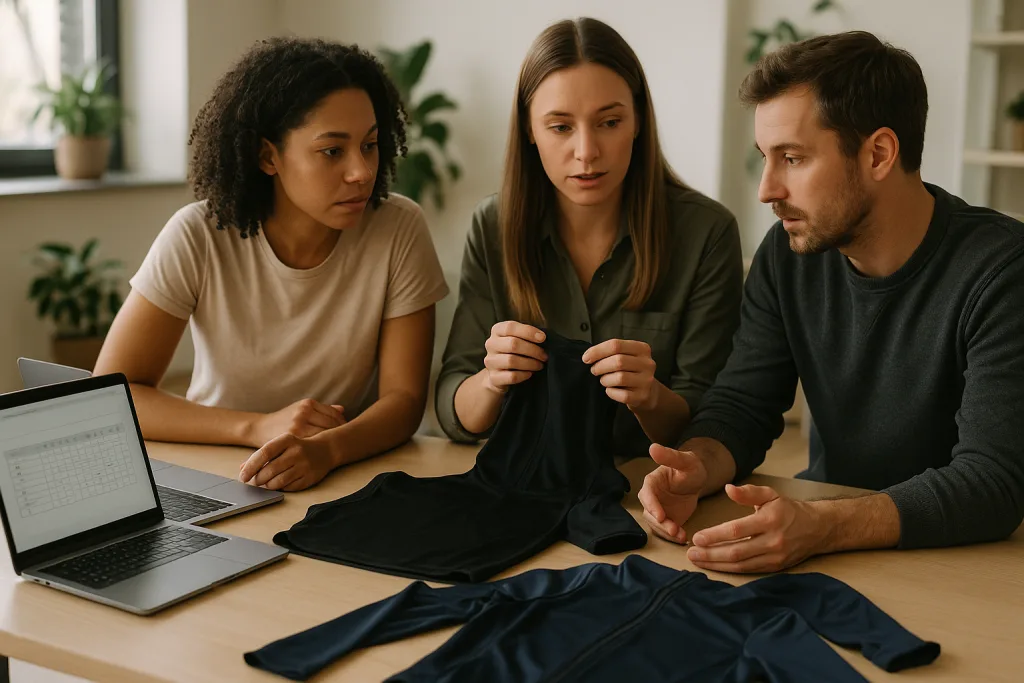
The initial three months shape your sportswear brand’s direction. Staying organized and focused pays off. The following actions will help you gain traction and avoid costly missteps:
- Build an Audience Early: Start your email list, share behind-the-scenes product development, and offer sneak peeks.
- Mock-up Your Shop: Use detailed product renders, compelling copy, and real photos from samples for your website and catalog.
- Map Fulfillment/Shipping: Select global or local partners, prepare customs paperwork, and forecast lead times.
- QA and Beta-launch: Test wear your first production run—get feedback from real sports users or influencers. Adjust quick if needed.
- Refine Brand Touchpoints: Double-check care labels, swing tags, sizing info, and online fit guides.
Track sell-through rates, gather reviews, and use early data to tweak your next designs. With a polished launch and collaborative manufacturing, you maximize your chances for success—and lay the foundation for a strong brand, one collection at a time.
Frequently Asked Questions
How much budget do you need to start a sportswear brand?
Most new brands need between $10,000 and $30,000 to cover sampling, production minimums, and brand setup. Costs vary with style complexity, materials, and launch volume.
What is a tech pack and why is it important?
A tech pack is a detailed document with drawings, specs, and construction guidelines that tells a manufacturer exactly how to make your design. It reduces mistakes and miscommunication, saving time and money.
How many pieces should my first production run include?
Typical minimum orders for custom sportswear range from 300 to 1,000 pieces per style or color. Starting modestly helps test the market and manage risk.
Which materials are best for performance activewear?
Recycled polyester blends, elastane, moisture-wicking cotton, and technical knits like single jersey or French terry offer comfort, stretch, and durability for most sportswear needs.
How do I check factory quality before placing a large order?
Request references, certifications, and pre-production samples. Many reputable manufacturers allow site visits or use third-party quality control for added assurance.
How long does it take from first sample to bulk delivery?
The full timeline is 90 to 150 days, including sampling, approvals, production, and shipping. Delays can occur if feedback loops are slow or material issues arise.
