



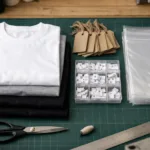
Introduction to Smart Sportswear Trends
Smart sportswear trends are transforming the apparel landscape. Athletes, fitness fanatics, and lifestyle brands all seek gear that does more than just look good — they want sportswear that tracks performance, enhances comfort, and makes workouts smarter. The race to blend advanced materials, embedded sensors, and stylish silhouettes is heating up, with both global giants and agile newcomers leaping into the fray.
Brands face unique challenges in this space. From sourcing tech fabrics and integrating electronics to solving daily care issues, each step demands precision. In this guide, you’ll see the latest options, care realities, and business-friendly pilot approaches for small and medium labels. Reliable clothing manufacturers like Ninghow offer deep production know-how, supporting OEM and ODM lines in smart apparel domains.
The Evolution of Smart Sportswear

Sportswear has come a long way from classic cotton tees and polyester shorts. Today, smart sportswear incorporates sensors, conductive inks, and specialty finishes for data capture and comfort adjustment. This innovation applies to running, training, golfing, and team sports clothing, appealing to athletes and tech-savvy consumers alike.
From Fabrics to Functionality
Traditional performance finishes — such as moisture-wicking, anti-odor, and UV protection — remain popular. Now, garment makers experiment with conductive yarns, pressure sensors, and integrated battery pockets. These allow shirts and shorts to monitor heart rate, breathing, motion, or even joint pressure during use.
Key Drivers of Innovation
- Fitness tracking and wearable data
- On-demand heating/cooling (thermoregulation)
- Biofeedback for injury prevention
- Integrated lighting for night sports
Use Cases Expanding
- Pro and amateur cycling apparel with biometric sensors
- Golf polos featuring swing analysis
- Football shirts collecting movement data for coaches
Materials: Smart Textiles and Conductive Prints
Material choice is crucial in smart sportswear trends. Most designs start with technical textiles and layer on intelligent elements — either woven in, printed, or attached post-production.
Smart Fibers and Yarns
- Silver-coated yarns: For conductivity and odor control
- Graphene blends: Lightweight, flexible, excellent thermal regulation
- Elastane-rich bases: For comfortable sensor embedding
Conductive Print Technologies
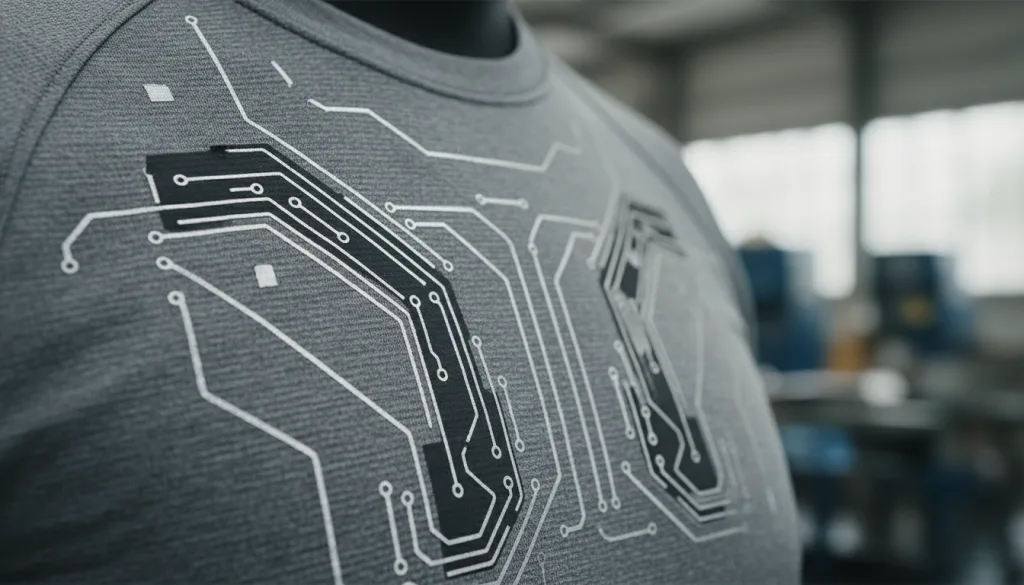
Conductive inks and prints (carbon, silver, or copper-based) are applied via screen printing or transfer printing. The placement is strategic to ensure accurate readings of body metrics while minimizing friction or discomfort.
Comparison Table: Smart Textile Solutions
| Fabric/Finish | Properties | Best Use Scenario |
|---|---|---|
| Pique polyester with silver yarn | Moisture-wicking, conductivity, anti-bacterial | Team shirts, compression wear |
| Graphene blended jersey | Stretch, thermal, sensor-friendly | Running tops, yoga pants |
| Cotton/modal rib with carbon ink | Soft, flexible, good for non-contact sensors | Smart casual polos, golf shirts |
Lab Testing and Certification
Materials must pass tests for colorfastness (ISO 105-C06/X12), wash durability, and electrical safety. OEKO-TEX STANDARD 100 certification is common for skin-friendly assurance.
Technology Integration: Sensors, Circuits, and Sewn Features
Integrating sensors and electronics demands smart design and expert sewing. Simple conductive patches or pressure sensors can be stitched in with coverstitch seams. Advanced styles feature removable modules or USB sockets hidden under plackets or inside pocket seams.
Sensor Attachment Methods
- Sewing: Embedded pads linked by conductive thread
- Lamination: Bonding sensor arrays to inner layers
- Snap-in: Modular circuits that detach for washing
Pattern & Cutting Challenges
Precision is crucial. Tech packs require graded size sets with tight tolerances to position sensors correctly. Fabric relaxation and marker placement must account for circuit bulk.
Sewing Line Considerations
- Line balancing for added steps (ISO 401 lockstitch + 504 overlock)
- Needle selection to avoid electrical shorts
- Bartacks for reinforcement at sensor sites
Expert Insight: Ninghow’s engineers run inline checks for sensor alignment and offer end-line testing for connectivity so that every batch meets spec.
Decoration and Branding for Smart Sportswear
Designing smart sportswear trends is not just about technology. Branding matters, too. Water-based screen prints offer breathability, while DTF (direct-to-film) transfers preserve the handfeel of high-tech fabrics. Embroidery (including 3D puff) is possible on areas away from sensors or circuit lines.
Balancing Aesthetics and Function
- Logo placement away from sensor zones
- Pantone-matched colors for batch consistency
- Heat transfer labels for tagless comfort
Care Label Requirements
Care instructions must specify approved washing temperatures, no bleach, and drying recommendations since many sensor systems are sensitive to heat and agitation. ISO 3758 care symbols ensure international clarity.
Wash & Care Realities: Keeping Smart Sportswear Safe
The biggest challenge for smart sportswear is care. Embedded electronics can be delicate. Even durable conductive prints or yarns require gentle handling to prevent damage or performance loss, especially after repeated wash cycles in home or commercial settings.
Testing for Durability
Manufacturers perform dimensional change checks (AATCC 135/150), pilling resistance (ISO 12945), and burst strength (ASTM D3786). Wash testing simulates 30+ laundry cycles to confirm sensor function and print still adhere. Some systems, like snap-in modules, can be removed before washing. Others rely on water-resistant coatings for protection.
Care Instructions: Essentials
- Cold wash recommended (≤30°C)
- Air dry, avoid tumble dryers
- Remove detachable modules prior to wash
- Do not iron printed sensor areas
Post-Wash Inspection
- Check for sensor detachment or signal loss
- Inspect for print cracking or fabric puckering
- Confirm labels remain readable and intact
Expert Takeaway: Reliable OEM partners like Ninghow help brands test samples under real-world conditions before scaling production.
Sourcing Options for Small and Medium Brands
As smart sportswear trends grow, sourcing complexity rises. Startup and boutique labels face hurdles finding trusted suppliers for tech textiles, sensor components, and quality sewing. Minimum order quantities (MOQ), lead times, and cost per unit may be higher than with classic apparel.
Flexible Sourcing Strategies
- Partnering with manufacturers offering low-MOQ pilot runs
- Buying off-the-shelf modules for test launches
- Working with ODM players for semi-custom options
Sourcing Checklist
- Source GOTS or OEKO-TEX certified technical fabrics
- Request lab dips and strike-offs for color and print matching
- Ask for reference samples to review sensor accuracy
- Demand detailed tech packs and graded size runs
- Negotiate Incoterms (EXW/FOB/DDP) to favor flexible delivery
Cost Breakdown Table
| Component | Estimated Cost % | Notes |
|---|---|---|
| Technical Fabric | 40% | Premium blends, certified yarns |
| Sensors/Modules | 30% | Imported, tested components |
| Sewing & Finishing | 20% | Specialized labor, seam types |
| Packaging/Labels | 10% | Custom care instructions, tagless options |
Pilot-Friendly Approaches for New Entrants
Launching smart sportswear doesn’t require huge upfront investment. Several business-friendly pilot strategies help small brands enter the market and validate ideas before scaling up.
Steps to Pilot Success
- Start with modular or detachable electronics (easy care, low risk)
- Pilot with small batches, focus on top-selling styles
- Use direct-to-film prints to prototype sensor placement
- Collect real user feedback on comfort, durability, and data accuracy
- Refine tech packs and update sourcing for bulk production
B2B Partner Selection
- Shortlist manufacturers experienced in smart textiles (e.g., Ninghow)
- Review factory compliance: OEKO-TEX, BSCI, WRAP
- Insist on batch and shade control for consistency
- Request lab-tested samples for verification
Pro Tip: Brands that pilot, test, and iterate smart gear with agile OEMs optimize time-to-market and lower risk.
Smart Sportswear Trends
Smart sportswear trends now deliver more than just performance and fit. Today’s customer wants clothing that interacts, adapts, and informs. Trends point to increased use of silver and conductive fibers, modular sensor arrays, and wearable circuits that merge seamlessly with fabrics. Eco-focused brands focus on recyclable technical textiles, while sports teams tap integrated data for training insights. The future belongs to brands that navigate sourcing, care, and innovation — and pilot wisely with partners committed to fit, quality, and technical expertise.
Future Outlook and Scaling Smart Sportswear
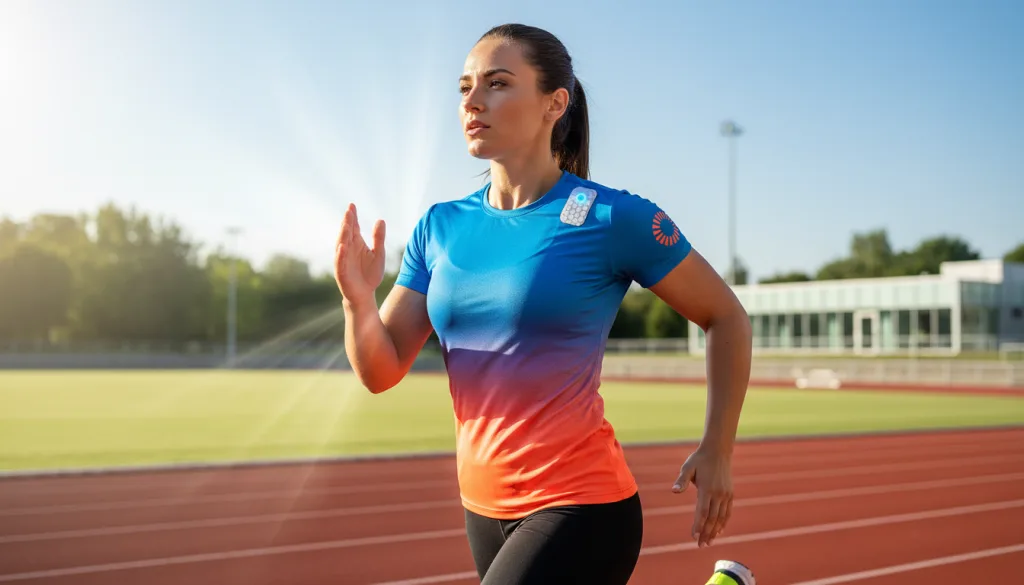
What’s next for smart sportswear? Expect more lightweight sensors, flexible printed circuits, and easy-care designs. Bulk production will depend on advances in textile engineering, automation (auto-cutting, line balancing), and robust quality control. Sustainability will shape sourcing, with organic cotton, rPET, and closed-loop production gaining traction. Brands that master small-scale pilots through trusted OEMs, such as Ninghow, will avoid costly missteps and build reputations for innovation and reliability.
Key Takeaways for Brands
- Smart sportswear requires disciplined sourcing, precise sewing, and advanced testing
- Care and durability are the greatest technical hurdles
- Pilot-friendly production is essential for new, smaller brands
- Ninghow supports flexible runs, technical design, and B2B reliability
Frequently Asked Questions
What are the latest smart sportswear trends?
The latest trends include wearable sensors, conductive prints for biometrics, modular electronics, and sustainable technical fabrics designed for sport and active lifestyles.
How do you care for garments with embedded sensors?
Most smart sportswear should be washed in cold water, air dried, and kept away from heat. Removable electronics must be detached before laundering to avoid damage.
Are conductive prints durable through washing?
Conductive prints can last, but their durability depends on ink quality, placement, and wash method. Gentle cycles and air drying extend lifespan, but repeated washing may reduce performance.
What is the minimum order quantity for small brands?
Minimum order quantities for smart sportswear vary by supplier, but agile manufacturers like Ninghow offer pilot runs starting at 200–300 pieces per style per color.
Can smart sportswear be customized with brand decorations?
Sure. Logos and graphics can be added using approved printing or embroidery methods. Placement must avoid sensor zones so functionality remains strong and visuals pop.
What compliance standards apply to smart sportswear?
Smart sportswear should meet OEKO-TEX STANDARD 100 for textile safety, plus relevant ISO/AATCC metrics for durability, wash resistance, and electrical safety of embedded components.
