
Pillar Content: High Capacity Clothing Manufacturer Guide
When you’re preparing to scale your apparel brand, choosing the right garment factory is one of the most crucial decisions you’ll make. Not all factories are built to handle mass production apparel — and selecting the wrong one can lead to missed deadlines, inconsistent quality, and frustrated customers.
In this article, we’ll break down the top signs that show whether a garment factory is truly ready to support your production at scale. Whether you’re launching a large seasonal collection or fulfilling a major wholesale order, understanding factory production capacity and operational strength is key to long-term success.
Why Factory Production Capacity Matters
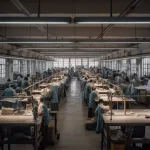
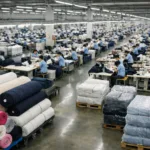
Factory production capacity isn’t just about numbers — it’s a reflection of infrastructure, efficiency, and scalability. A factory capable of handling mass production apparel must maintain consistent output without compromising quality, communication, or delivery timelines.
Startups and growing brands often struggle with delays due to misaligned expectations. Knowing the right questions to ask — and the right signs to look for — ensures you’re working with a capable and reliable partner from day one.
1. Transparent Daily Production Capacity
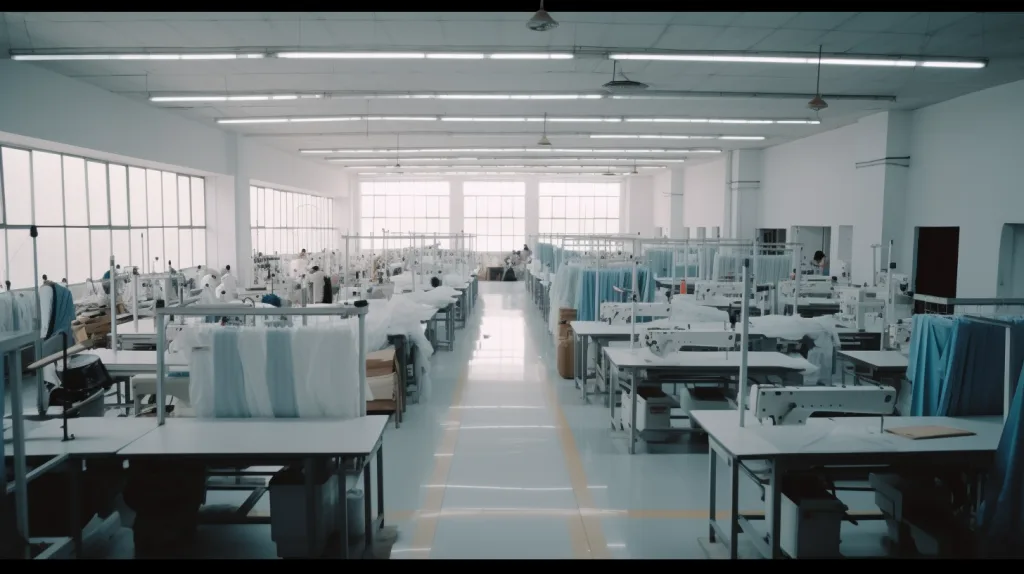
A professional garment factory should be able to provide clear data on their daily output capacity, broken down by product type (e.g., T-shirts, hoodies, polo shirts). This helps you align your production schedule and anticipate lead times accurately.
Red Flags:
- Vague or fluctuating production estimates
- Inability to share historical data or capacity charts
What to Look For:
- Daily production numbers by category
- Available workforce by production line
- Proven track record of scaling output seasonally
2. Efficient and Structured Sampling Process
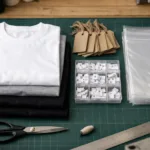
Before bulk production begins, the sample approval process reveals how well a factory handles customization, communication, and detail.
An experienced manufacturer will guide you through:
- Tech pack review and feasibility
- Material sourcing consistency
- Sample turnaround time (usually within 3–7 days)
Bonus Tip: Fast and accurate sampling is a sign of a streamlined internal process — critical for maintaining quality at scale.
3. Modern Equipment and Line Configuration
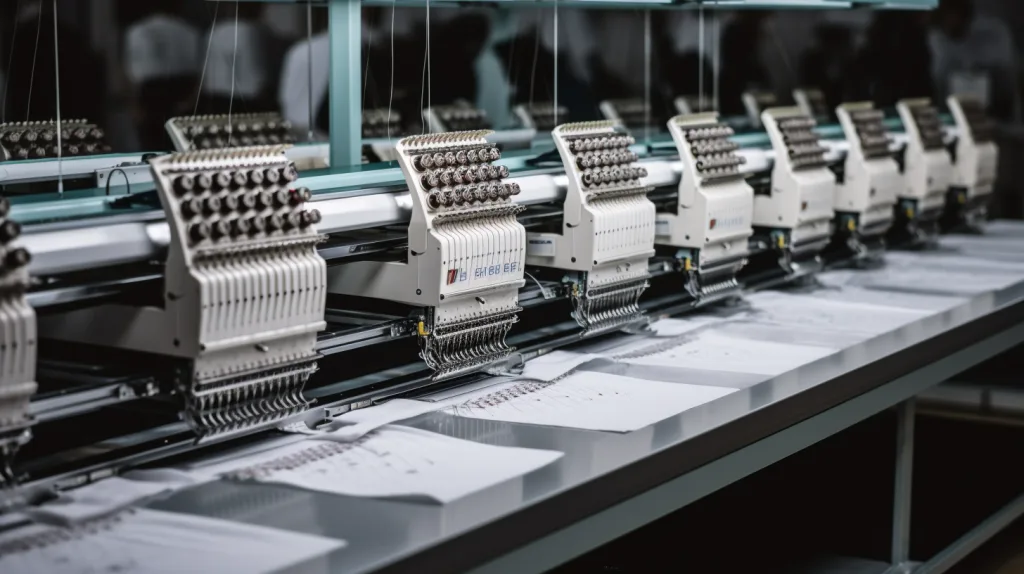
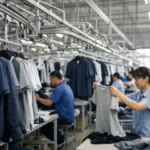
Mass production apparel requires automated or semi-automated equipment to ensure consistency and speed. Ask to tour the facility or request details about their machinery.
Key Equipment Indicators:
- Auto-cutting machines for fabric
- Digital embroidery or printing systems
- Quality industrial sewing machines by function (flatlock, overlock, etc.)
Advanced factories will also have dedicated lines for different apparel types, reducing bottlenecks and ensuring smoother transitions between product types.
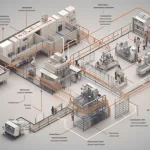
4. Use of ERP or Digital Management Systems
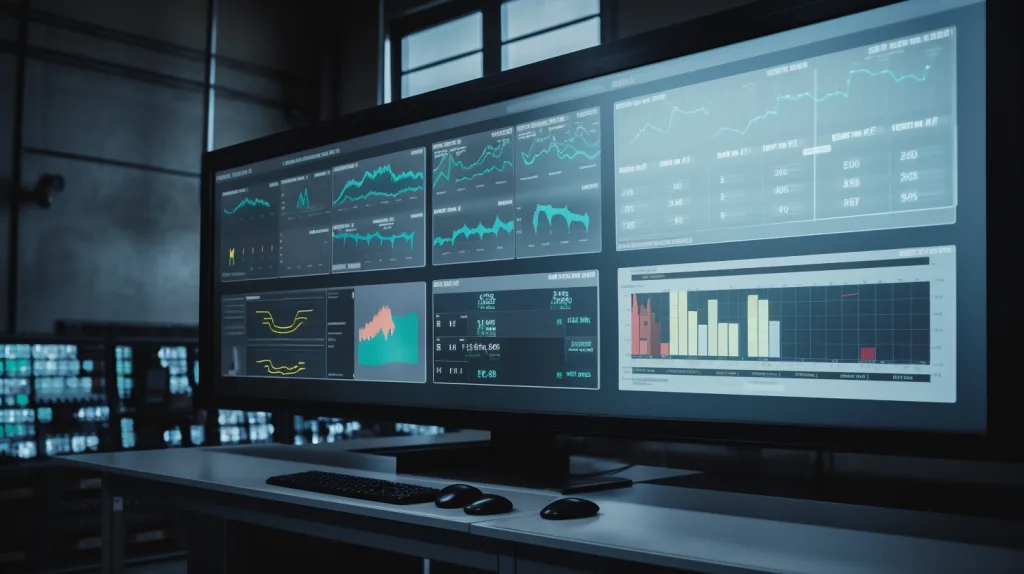
Factories that use ERP (Enterprise Resource Planning) systems can track orders, inventory, production timelines, and QC reports in real time. This level of digital organization reduces errors, speeds up communication, and enables clients to monitor progress.
Look For:
- Integration with order tracking and reporting tools
- QR/barcode systems for material and inventory tracking
- Digital dashboards for line monitoring
A well-documented ERP system is a sign of operational maturity — ideal for high-volume partnerships.
5. Robust Quality Control Procedures
At mass production levels, quality issues can snowball fast. A factory with weak QC processes may deliver subpar goods or force you into costly reworks.
Strong QC Systems Should Include:
- In-line inspections at multiple production points
- AQL (Acceptable Quality Limit) standards
- Pre-shipment inspection reports
- Defect tracking and root cause analysis
Ask for examples of previous QC reports or certificates to confirm these systems are active and enforced.
6. Scalable Workforce and Flexible Shift Planning
Can the factory increase capacity during peak seasons or for urgent orders? Factories ready for scale will have a scalable workforce and flexible shift schedules to manage demand fluctuations.
Signs of Flexibility:
- Trained backup staff
- Evening/weekend shifts as needed
- Clear HR structure for onboarding new workers quickly
This adaptability ensures your orders remain on track even when demand spikes.
7. Client References and Case Studies
Nothing beats real-world proof. A reliable garment factory should have references or documented case studies showcasing past mass production apparel partnerships.
Look for testimonials from:
- Established fashion brands
- Wholesalers or event organizers
- International clients with high-volume needs
These references give insight into how the factory performs under pressure and at scale.
Conclusion: Choosing the Right Factory for Mass Production Apparel
Selecting the right garment factory is about more than just price — it’s about capacity, consistency, and communication. By evaluating production capacity, sampling processes, equipment, ERP systems, and quality control, you can confidently partner with a factory built to grow with your brand.
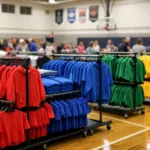
At Ninghow, we specialize in scalable solutions for growing apparel businesses. Whether you’re launching a beachwear line, outfitting a sports team, or preparing for a nationwide retail rollout, our flexible MOQ, fast sampling, and proven production workflows are designed for mass production success.
