






Introduction: Rush Clothing Manufacturing Explained
Rush clothing manufacturing is a hot topic in today’s fast-paced fashion industry. Everyone from startups to established retailers wants products on shelves as quickly as possible. But how realistic are rush orders in apparel production, and what should brands expect? This article unpacks the circumstances where rush orders are feasible, explores their risks and costs, and details practical strategies to successfully expedite your clothing manufacturing while maintaining quality.
When Is Rush Clothing Manufacturing Possible?
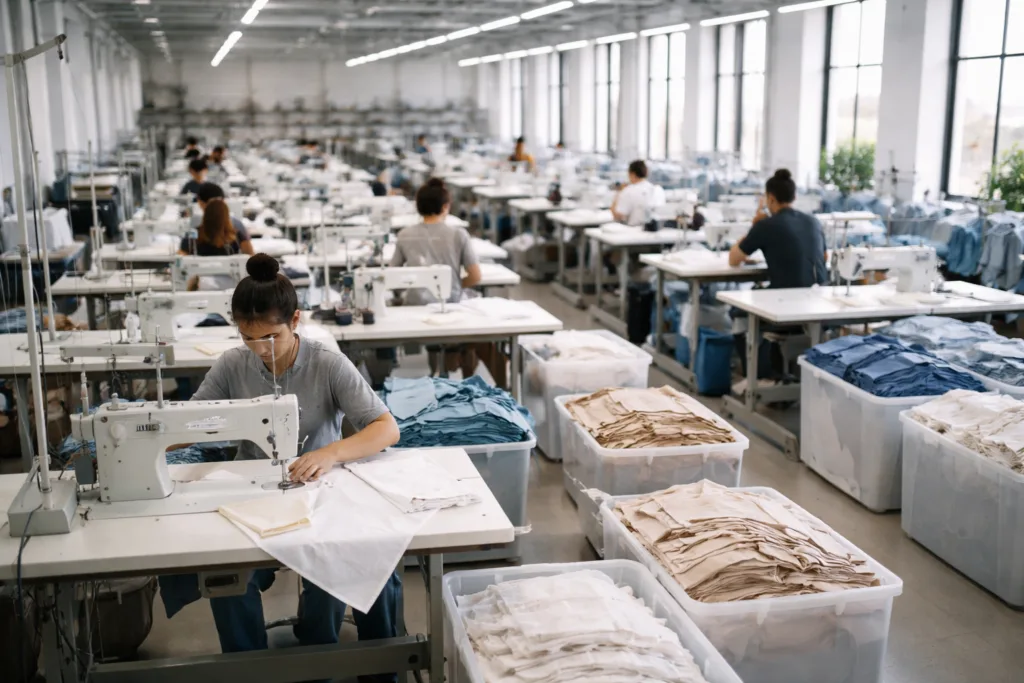
Rush clothing manufacturing refers to the process of producing garments within a shortened lead time, much faster than standard production cycles. But not all situations allow for an accelerated timeline. Key factors influencing feasibility include factory capacity, availability of raw materials, and production line flexibility. Typically, rush orders are possible when the style is simple, fabrics are stocked, and the manufacturer has space in their schedule.
Common Scenarios for Rush Orders
Brands might request rush clothing manufacturing for events, pop-up launches, restocking bestselling items, or responding to viral trends. Emergency situations—like supply chain disruptions or last-minute retail deals—may also trigger urgent requirements.
What Factories Require to Accept Rush Orders
Manufacturers need precise tech packs, confirmed materials, and upfront payment. Ongoing relationships and reliable past orders often increase the likelihood of acceptance.
Risks and Costs Associated with Rush Apparel Production
There’s no denying the appeal of rush clothing manufacturing, but it comes with trade-offs. Understanding the risks and costs helps set realistic expectations and avoids unwelcome surprises.
Potential Quality Compromises
Speeding through production may mean less time for thorough quality checks, careful pattern making, or precise finishing—potentially resulting in more defects.
Increased Costs and Premium Fees
Factories typically charge surcharges for rush orders. Extra costs arise from overtime wages, expedited shipping fees, and prioritized use of equipment, with premiums ranging between 10–30% or more.
Scheduling Conflicts and Resource Allocation
Shuffling standard orders aside to accommodate rush requests may cause delays for other customers and stress factory resources. Brands should recognize the negative impacts this can have on both the manufacturer and their own reputation.
Feasible Rush Strategies for Clothing Manufacturing
While not every rush order is possible, some strategies can maximize the odds of success in apparel manufacturing:
- Select flexible manufacturing partners with proven rush experience
- Choose simple designs with easily available materials
- Provide well-documented tech packs and specifications
- Maintain frequent and transparent communication with factories
- Consider splitting production between locations or using semi-finished stock
Materials Management for Fast Production
Rush orders become more achievable when manufacturers have fabric inventory on hand or quick sourcing channels. Pre-booking fabrics and trims can shave days or weeks off the lead time.
Utilizing Pre-Existing Patterns and Blocks
Choosing established styles and measurements minimizes the sampling phase, and allows faster cutting and assembly.
Rush Clothing Manufacturing
Rush clothing manufacturing is not simply a matter of asking for faster service. It involves careful planning, compromise, and collaboration between the brand and factory to achieve shorter turnaround while minimizing risk.
Production Workflow Adjustments
Some manufacturers offer dedicated rush production lines or assign more skilled workers to urgent orders, improving both speed and consistency.
Technology’s Role in Rush Orders
Advanced software for production management and smart factory solutions can enable real-time tracking and more efficient scheduling, reducing bottlenecks during high-pressure projects.
Evaluating Whether to Rush: Decision Checklist
Before pushing for rush production, brands and buyers should consider:
- Is the deadline non-negotiable?
- Will quality truly be acceptable?
- Are customers expecting immediate delivery, or can you delay?
- What financial impact will premium fees create?
Managing Expectations: What’s Realistic?
Rush clothing manufacturing can compress timelines, but not every design or order size is suited to acceleration. Experts caution that very complex garments or new product launches are rarely successful when rushed; smaller batch production and reorder items are most realistic.
Timeframes to Expect
Standard production for simple styles may take 25–45 days, while effective rush strategies can sometimes deliver within 10–20 days—especially if fabric is on hand and patterns don’t require changes.
Communication Best Practices for Rush Apparel Production
Clear and frequent updates are vital. Share all technical documentation, confirm all materials, and ensure direct contact with a factory decision-maker to resolve issues quickly.
Sample Approval Accelerations
Digital sampling and virtual approvals can speed up the sampling phase by several days, reducing delays in physical sample shipments.
OEM and Private Label Rush Orders: The Ninghow Approach
Ninghow, a specialist in OEM and private label apparel manufacturing, streamlines rush orders by maintaining fabric stock, leveraging experienced technicians, and using digital order management tools. Their team carefully balances speed with reliability, ensuring urgent orders still undergo vital quality inspection and compliance checks. If you’re considering a reliable clothing manufacturer, it’s worth learning how factories like Ninghow approach real-world customization and production. View Ninghow Apparel Production Timeline.
Strategies to Reduce Rush Risk
Reducing risk starts by limiting rush orders to proven styles and using familiar partners. Placing orders with prepared materials and avoiding design changes during manufacturing is also key.
Maintaining Quality Assurance Under Pressure
Some companies, like Ninghow, implement extra inspection steps for rush orders, and dedicate senior technicians to oversee critical quality control.
Cognitive Cost Analysis: Is It Worth It?
Brands must weigh the psychological and operational strain of rushing apparel orders. Will the extra expense and risk pay off in higher sales or market opportunity? For viral retail moments or pop-up events, the answer may be yes. For most new launches, maintaining a little patience usually produces better results.
Alternatives to Rush Manufacturing
Options such as pre-season stock orders, forecast-based production, and local manufacturing hubs can proactively meet fast deadlines, reducing reliance on emergency rush services.
Factory Relationships: Building Trust for Future Rush Orders
Developing respectful long-term relations with manufacturers increases the chances of future rush requests being prioritized. Show appreciation when factories deliver rapid service and maintain fair payment terms.
Legal and Contractual Considerations
Ensure rush order terms are specified in contracts: delivery dates, penalties for late shipments, and warranty on quality. This preemptive clarity improves accountability on both sides.
International Supply Chain Factors
Global sourcing and overseas factories add shipping time, customs risk, and communication complexity. Localizing supply for urgent orders can make a dramatic difference.
Rush Apparel Order: Case Stories and Lessons
Fashion brands share mixed experiences with rush clothing manufacturing. Some achieve quick wins by simplifying their product mix, others face costly mistakes due to overlooked details or miscommunication.
Technological Advancements in Apparel Rush Services
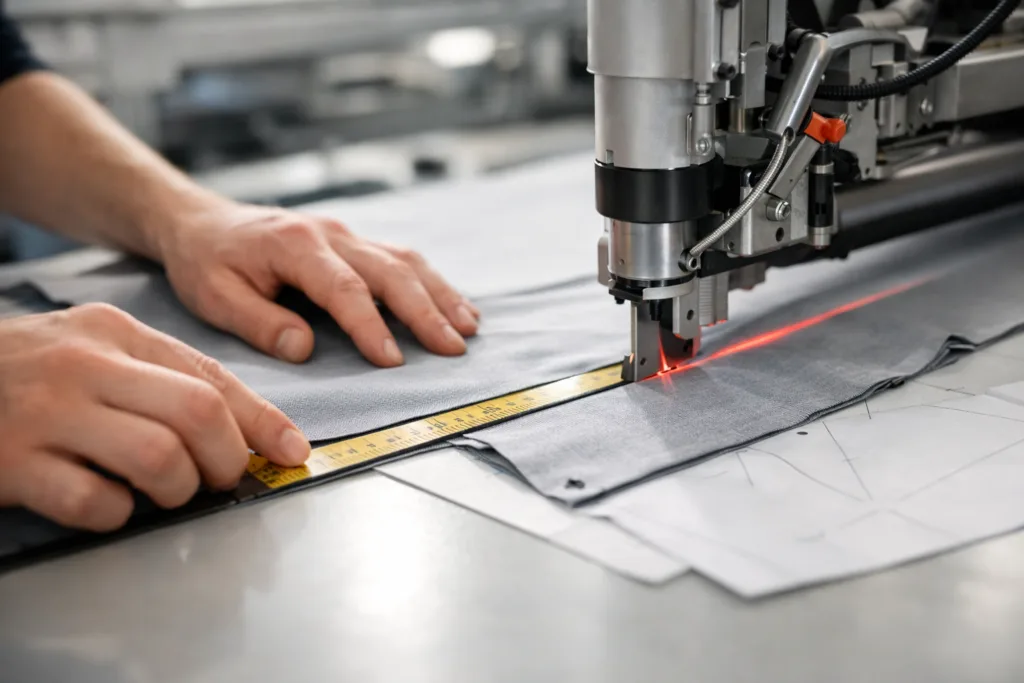
Automated cutting machines, real-time production tracking systems, and instant sample approvals are making rush clothing manufacturing more practical for a growing array of products.
Rush Clothing Manufacturing for Small Businesses
Startups can benefit from rush production by launching limited runs or restocking trending items. However, they must plan budgets for extra fees and consider that not all factories will accept small, urgent orders.
Reducing Lead Time Without Sacrificing Quality
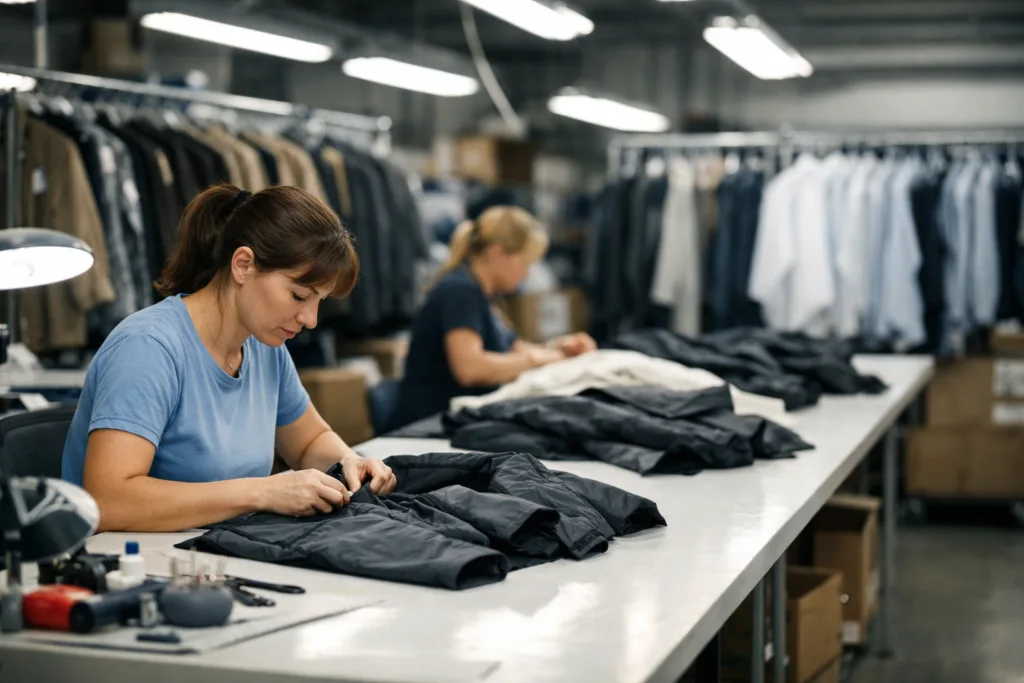
Strategies include selecting multipurpose fabrics, repurposing popular patterns, and keeping pre-approved colorways on standby. Brands mentioning Ninghow report a reliable balance between speed and craftsmanship even during rush orders.
Frequently Asked Questions
What is the usual speed for rush clothing manufacturing?
Rush orders for apparel generally take between 10–20 days for simple designs, compared to 25–45 days for standard production. Timelines may be shorter if materials are stocked and patterns are pre-approved.
Can all clothing types be rushed?
Not all garments can be produced quickly. Simple, familiar styles and reorders are best suited for rush manufacturing, while complex or new designs rarely benefit from accelerated timelines.
How much do rush orders cost?
Factories usually charge 10–30% extra, depending on urgency, complexity, and order size. Additional costs can include expedited shipping and overtime wages.
Do rush orders affect clothing quality?
Rushing production may increase quality risks, but careful planning, proactive communication, and skilled partners like Ninghow can help maintain standards even for urgent orders.
What’s the best way to request a rush order?
Provide a detailed tech pack, confirm all materials, communicate your deadline clearly, and be prepared to pay a premium. Relationship history with the factory often helps.
Are there alternatives to rush manufacturing?
Brands can reduce the need for rush orders by leveraging pre-season stock, forecast-based orders, or local manufacturing hubs for flexible and faster solutions.
Conclusion
Rush clothing manufacturing offers an invaluable tool in the fast-moving apparel industry, but it brings unique risks, costs, and limitations. By carefully evaluating circumstances, applying feasible strategies, and communicating openly with manufacturers—especially those experienced in rush services—brands can navigate urgent orders successfully, without losing sight of quality or sustainability. Smart planning today sets the stage for confident, timely launches tomorrow.
