


Introduction: Why Quality Inconsistency in Clothing Manufacturing Matters
Quality inconsistency in clothing manufacturing is a problem that silently disrupts brands, supply chains, and consumer trust. For companies competing in today’s apparel sector, even mild variations in color, stitching, or fit can drain profit margins, create excess waste, and trigger costly returns. This practical case study reveals the root causes of quality inconsistency, actionable steps for correction, and a results-driven approach any apparel business can follow.
Understanding Quality Inconsistency in Clothing Manufacturing

Quality inconsistency in clothing manufacturing refers to significant, recurring variations in product standards—such as differences in stitching, color, fabric strength, or fit—within the same batch or production cycle. These inconsistencies can arise at any stage, from material sourcing to final inspection.
Common Types of Apparel Quality Issues
- Color mismatch between fabric lots
- Stitching irregularities leading to weak seams
- Fabric defects such as pilling or holes
- Inconsistent measurements leading to poor fit
- Trims and embellishments not matching brand guidelines
The Real-World Impact on Apparel Brands
Brands facing quality inconsistency risk higher return rates, negative customer reviews, wasted inventory, and weakened brand reputation. In global markets, even a single batch with discrepancies can trigger a costly domino effect across retail partners and online platforms.
Investigating Root Causes: How Apparel Quality Inconsistency Begins
Understanding why quality issues occur is the first actionable step toward sustainable improvement. Through practical analysis and manufacturer interviews, the following root causes often emerge:
Material Variability
Inconsistent raw materials—such as fabrics, threads, and trims—are a primary culprit. Mills may deliver textile bolts with minor color differences, or zippers may come from different suppliers with quality fluctuations.
Process Deviation
When workers, machines, or workspaces lack standardized procedures, subtle changes slip in between shifts or production runs. This is magnified across multiple assembly lines or contractors.
Insufficient Quality Checks
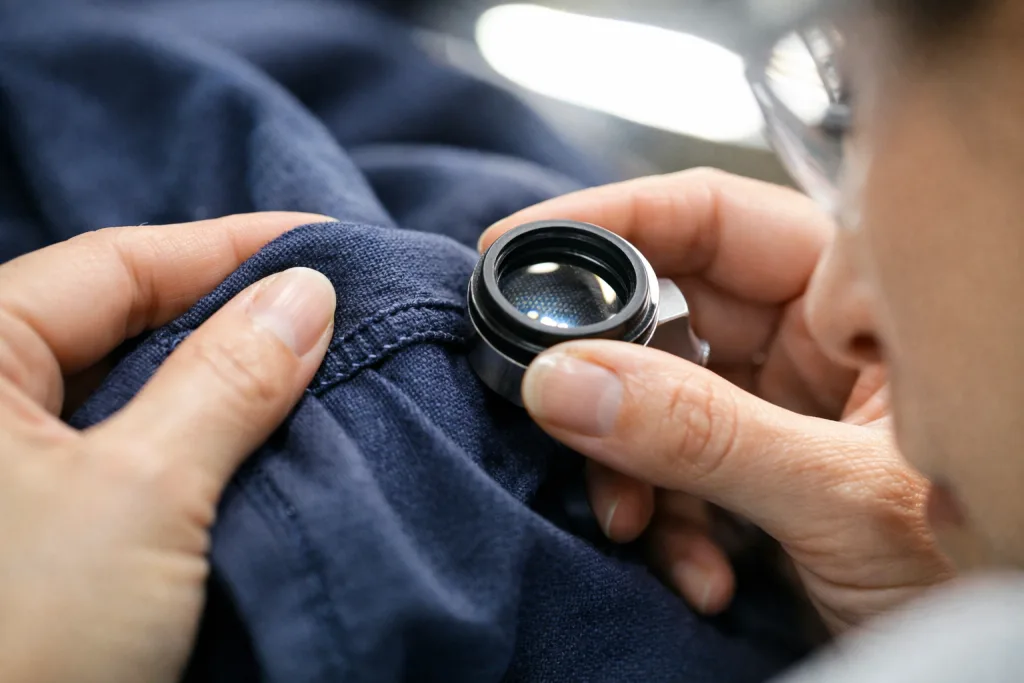
Weak or infrequent inspections fail to catch minor flaws until after large volumes are produced. Without robust in-line and final inspections, defective pieces reach stores undetected.
Personnel Turnover and Training Gaps
High staff turnover or poorly trained operators lead to varied workmanship. Inconsistent upskilling results in uneven product standards batch-to-batch.
Communication Breakdowns
Mismatches between design, production, and QA teams regarding specifications, updates, or tolerances introduce errors that ripple through to the finished garments.
Case Study: Diagnosing and Fixing Apparel Quality Inconsistency
A mid-sized activewear brand faced a spike in returns due to uneven stitching, color variation, and sizing discrepancies across one collection. They decided to launch a process-improvement task force to analyze and resolve the issue using the following steps:
Root Cause Assessment Approach
- Batch sampling: Pulled random samples from various production lots.
- Process mapping: Documented every step from material reception to shipping.
- Staff interviews: Spoke with operators and supervisors for observational insights.
- Historical analysis: Compared return and complaint data with previous batches.
The Remediation Plan: Actions and Execution Steps
After pinpointing root causes, the brand implemented a structured action plan to address gaps at each stage.
Strict Material Standardization
They adopted a single-source strategy for critical fabrics and established color and strength specifications. Every textile bundle received a unique lot ID and underwent extra lab dips and shade assessments.
Enhanced Process Controls
Factory teams received new SOPs (Standard Operating Procedures) along with daily ‘first-off’ sample approval signoffs to reinforce process consistency.
Quality Checkpoints Upgrade
Mid-production checkpoints were introduced using digital templates. In-line inspectors were empowered to stop the line if major defects appeared. Defect tracking boards were installed for real-time feedback.
Personnel Training & Retention Initiatives
A buddy system paired new hires with skilled operators, while monthly upskilling workshops tackled specific skill gaps. Retention bonuses were introduced to stabilize the team.
Cross-Functional Communication Routines
Weekly briefs between design, production, and QA teams synchronized standards and shared visual references. A digital approval platform streamlined spec updates and tracked version history.
Results: Tangible Improvements and Team Response
Three months after the new measures, returns for quality issues dropped by 63%. Customer complaints fell significantly, while factory rework time was cut in half. Employees reported higher morale and confidence in delivering consistent quality.
Actionable Checklist to Prevent Quality Inconsistency
- Vet and standardize all material suppliers
- Create thorough SOPs and enforce them rigorously
- Install frequent, real-time inspection checkpoints
- Invest in upskilling and retaining factory staff
- Foster open, frequent cross-team communication
- Leverage digital systems for documentation and traceability
Quality Inconsistency in Clothing Manufacturing
Quality inconsistency in clothing manufacturing is preventable with disciplined processes, engaged teams, and reliable partners. Brands should make it a continuous journey—each new product, supplier, or trend can introduce new variables. Constant vigilance and improvement pave the path to superior, predictable apparel quality.
How Technology Helps Fix Apparel Quality Gaps
Modern tools like computer vision inspection, real-time barcode traceability, and digital patternmaking help spot defects before they spread. Cloud-based quality management platforms allow immediate flagging of issues to management—enabling earlier corrections and stronger consistency.
Metric-Driven Quality Control: Setting and Tracking KPIs
To sustain improvement, successful manufacturers set and monitor key performance indicators such as first-pass yield, defect type rates, and on-time delivery. Clear KPIs make it easier to spot trends and address emerging risks proactively—locking in progress and encouraging accountability.
The Role of Supply Chain Transparency
Transparent supply chains, with every tier mapped and monitored, help prevent hidden material inconsistencies and surface issues quickly. Open supplier communication and shared standards foster collective problem-solving across borders.
Empowering Factory Workers for Better Apparel Quality
Workers on the line are the first to notice pattern irregularities or material flaws. Factories that empower staff—through suggestion boxes, feedback loops, and training—reduce defects and boost efficiency.
Brand Perspective: Quality Inconsistency Lessons from Ninghow
As an apparel manufacturer offering OEM and private label services, Ninghow illustrates how standardized training, digital inspection protocols, and transparent sample approval processes lead to tangible quality gains. Staff are encouraged to report issues promptly, and a dedicated improvement team reviews complaints in weekly reviews. If you’re considering a reliable apparel manufacturer, it’s worth learning how factories like Ninghow approach real-world customization and production.
Continuous Improvement: Embedding Quality Culture
Top brands treat quality as an evolving process, not a single project. By rewarding staff for proactive problem-solving and investing in new tools, continuous quality improvement becomes part of the company culture.
Outsourcing and Partner Selection Strategies
For brands working with third-party manufacturers, due diligence is vital. Detailed audits, transparency on defect rates, and periodic on-site visits help maintain standards. When evaluating a partner like Ninghow, look for their track record and willingness to embrace corrective feedback.
Common Mistakes That Undermine Apparel Consistency
- Ignoring small flaws until they worsen
- Switching suppliers without adequate vetting
- Lack of digital documentation for production runs
- Weak onboarding for seasonal workers
Customization and Scalability Challenges
Scaling up orders or introducing new styles—like colorways or fabric blends—can amplify existing inconsistencies if not managed carefully. Tools such as digital twins and collaborative planning with partners (including Ninghow) can bridge gaps as brands grow.
Legal and Regulatory Considerations
Apparel quality isn’t just a brand choice—safety standards, labeling requirements, and country-specific regulations must be met. International brands need tight controls to avoid compliance issues and recalls.
Cost Management Versus Quality Assurance

Cutting costs should never mean cutting corners on quality. Successful apparel companies allocate consistent resources to quality checks, staff training, and technology—viewing it as an investment, not an expense.
Final Thoughts: Building Excellence Into Every Apparel Batch
Fixing quality inconsistency in clothing manufacturing is a journey involving root cause analysis, disciplined systems, and empowered teams. Armed with the steps and checklist above, apparel brands can turn unpredictable quality into a strategic advantage—winning long-term trust through every stitch.
Frequently Asked Questions
What are the main signs of quality inconsistency in apparel manufacturing?
Common signs include color mismatches, uneven stitching, irregular sizing, faulty trims, and frequent customer complaints or returns.
How do brands identify the root causes of quality inconsistency?
Brands use process mapping, sample testing, staff interviews, and analysis of complaint data to pinpoint where inconsistencies originate.
What is the most effective way to prevent quality issues in clothing production?
Standardizing materials, maintaining strict process control, regular staff training, and implementing in-line quality checks are best practices.
How can technology help control apparel product quality?
Computer vision inspections, barcode tracking, and cloud-based quality management tools help detect and address defects in real time.
Should brands audit their manufacturing partners regularly?
Yes, periodic audits and open communication with manufacturers such as Ninghow help ensure ongoing compliance with quality standards.
Are there ways to maintain quality as product lines scale up?
Yes, leveraging digital planning tools, robust supplier vetting, and clear process documentation make it possible to replicate consistency at scale.
