
For emerging fitness brands, choosing between private label gym clothing and OEM (Original Equipment Manufacturer) production is a crucial decision. Both offer unique advantages and challenges—but which path is best for your gymwear business?
In this article, we’ll break down the key differences between private label and OEM in the context of activewear and gym clothing. We’ll also explore common use cases, cost implications, and how Ninghow supports both models to help brands scale with confidence.
Understanding the Basics: Private Label vs. OEM
Before diving into the pros and cons, it’s important to clarify what each model means.
What Is Private Label?
Private label refers to pre-designed, factory-owned products that are rebranded under your label. In gymwear, this typically includes:
- Pre-developed T-shirts, leggings, sports bras, etc.
- Customizable features like logos, colors, and packaging
You don’t design the product; you brand it as your own.
What Is OEM (Original Equipment Manufacturer)?
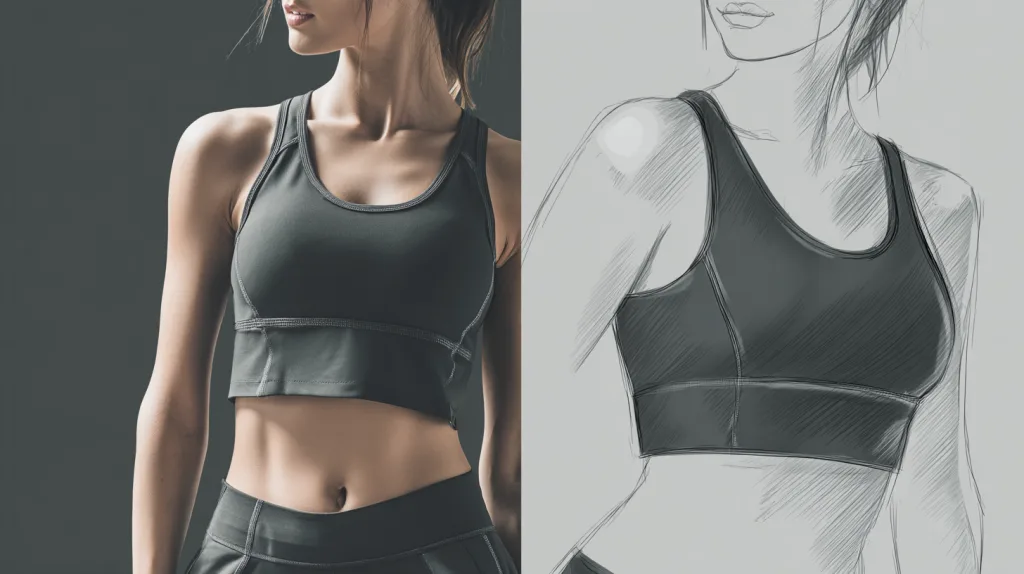
OEM production means you create your own design, and the manufacturer produces it according to your specifications. OEM is ideal for:
- Unique patterns or materials
- Specialized fits or technical features
- Brand-first concepts with creative control
You supply the idea; the manufacturer brings it to life.
Comparing Private Label and OEM for Gym Clothing
1. Product Uniqueness
- Private Label: Limited uniqueness—other brands may use the same base products.
- OEM: Full creative freedom for standout collections.
2. Time to Market
- Private Label: Fast (2–4 weeks depending on customization)
- OEM: Longer (4–8 weeks or more, depending on sample development and material sourcing)
3. Cost Efficiency
- Private Label: Lower initial investment; ideal for testing the market.
- OEM: Higher upfront costs due to sampling, tech packs, and tooling.
4. MOQ (Minimum Order Quantity)
- Private Label: Usually lower (as few as 50–100 pieces per style)
- OEM: Often requires higher MOQ (100–300+ pieces per custom design)
5. Brand Positioning
- Private Label: Great for fast-launch brands or influencer lines
- OEM: Perfect for long-term brand building with unique identity
When to Choose Private Label for Gymwear
Private label gym clothing is ideal if you:
- Want to launch quickly
- Have a limited budget
- Are testing product-market fit
- Prefer focusing on branding and marketing
Example: A fitness influencer wants to release a capsule collection of matching sets without going through full product development. Private label allows fast turnaround with a professional finish.
When to Choose OEM for Gymwear
OEM gymwear production is right if you:
- Have strong design ideas or unique technical needs
- Are building a long-term, differentiated brand
- Need specific fits or high-performance fabric blends
Example: A startup wants to launch a women’s gymwear line with sculpting panels, moisture-wicking mesh zones, and ergonomic waistband cuts. OEM gives them full design control.
How Ninghow Supports Both Models
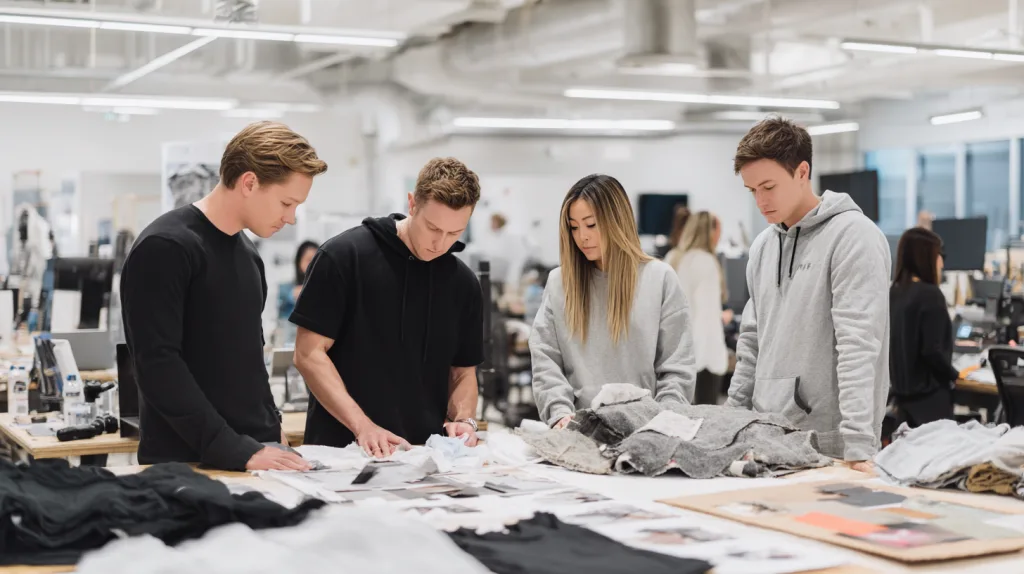
At Ninghow, we understand that every brand has unique goals and starting points. That’s why we provide full support for both private label and OEM gym clothing manufacturing.
For Private Label Clients:
- Access to ready-to-brand activewear collections
- Logo placement and colorway customization
- Low MOQs starting from just 50 pieces
- Custom packaging and label options
For OEM Clients:
- Support with tech pack creation and material sourcing
- Rapid prototyping and sampling (in 7–10 days)
- Flexible production runs from 100–500+ units
- Guidance on sizing, stitching, and fabric optimization
Our team works closely with fitness brands, influencers, and startups worldwide to bring both private label and OEM visions to life.
Blended Model: The Best of Both Worlds
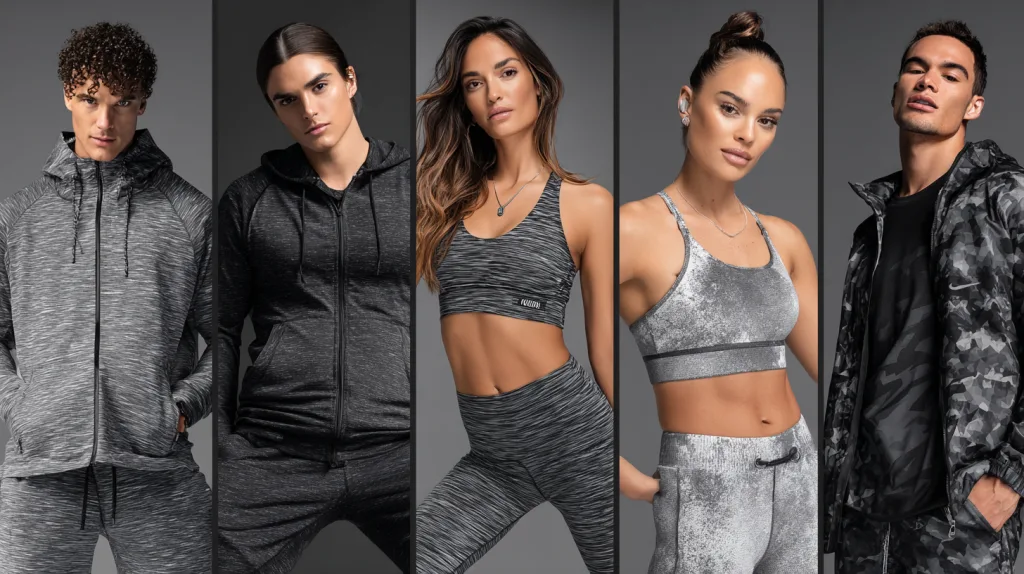
Many brands choose to start with private label to build initial traction, then transition to OEM as they grow. This hybrid strategy offers:
- Lower upfront risk
- Faster brand exposure
- Smooth scalability into custom product lines
At Ninghow, we help clients make that transition seamlessly—often using initial private label sales data to inform OEM design decisions.
Final Thoughts: Which Is Right for Your Gymwear Brand?
There’s no one-size-fits-all answer. Your choice between private label gym clothing and OEM should align with your:
- Budget
- Brand goals
- Product complexity
- Launch timeline
Whether you need ready-made gym sets or a full custom line with signature details, Ninghow is here to support your journey. With fast turnaround times, flexible MOQs, and a collaborative approach, we empower you to launch and grow with confidence.
Reach out to us today to explore which model is right for your next collection—and let’s build something strong together.
