
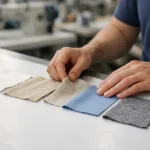

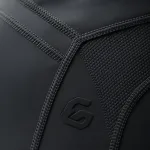
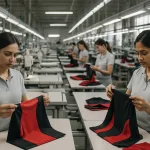

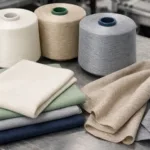
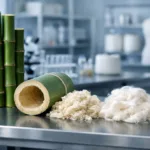

Choosing the right fabric is one of the most important decisions when creating custom polo shirts. Whether you’re designing uniforms, promotional apparel, or a retail collection, the fabric you select directly impacts comfort, durability, performance, and brand perception.
With a wide range of options — from classic cotton to technical polyester and innovative eco-materials — understanding the differences between polo shirt fabric types is key to making the right choice. This guide will walk you through the pros and cons of the most common materials used in polo shirts and help you determine what’s best for your brand or business.
Why Fabric Choice Matters
Polo shirts are incredibly versatile — used in corporate settings, sports, events, and fashion. But each use case demands something slightly different from the fabric:
- Corporate uniforms need to look professional and feel comfortable for all-day wear.
- Sports polos must handle sweat and movement without losing shape.
- Fashion polos require texture, drape, and design flexibility.
- Eco-conscious brands prioritize sustainable materials without sacrificing quality.
That’s why understanding custom polo shirt fabric options is essential for delivering the right balance of form and function.
Cotton Polo Shirts
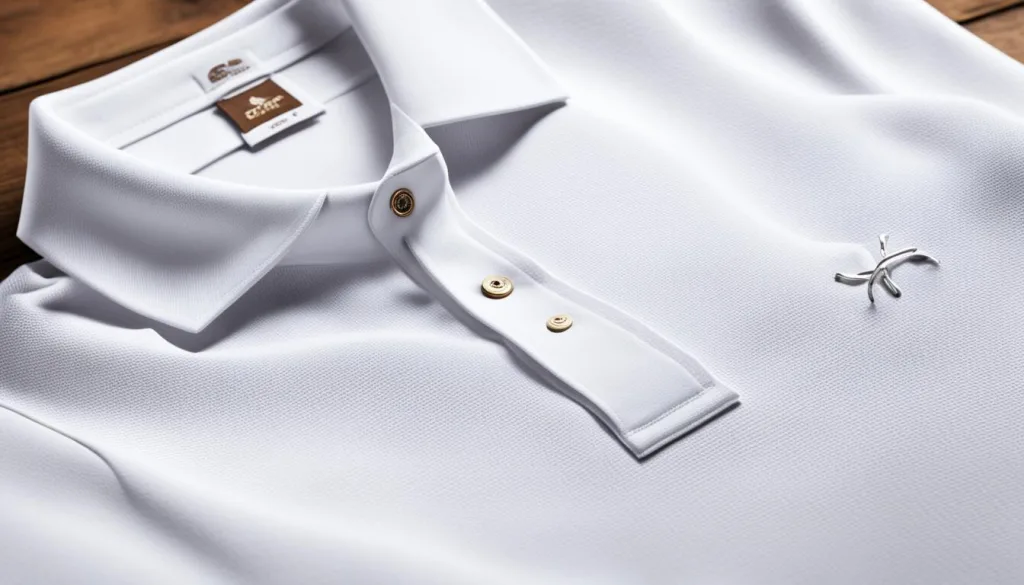
Cotton is the most classic and widely recognized material for polo shirts. It’s soft, breathable, and comfortable for daily wear.
Pros:
- Natural fiber, soft against the skin
- Breathable and moisture-absorbent
- Great for casual or semi-formal styles
- Available in various weaves (pique, jersey, interlock)
Cons:
- Wrinkles easily
- Can shrink in wash (unless pre-shrunk)
- Slower to dry than synthetics
Best for:
- Casual fashion polos
- Company uniforms in temperate climates
- Lifestyle or resort brands
Polyester Polo Shirts
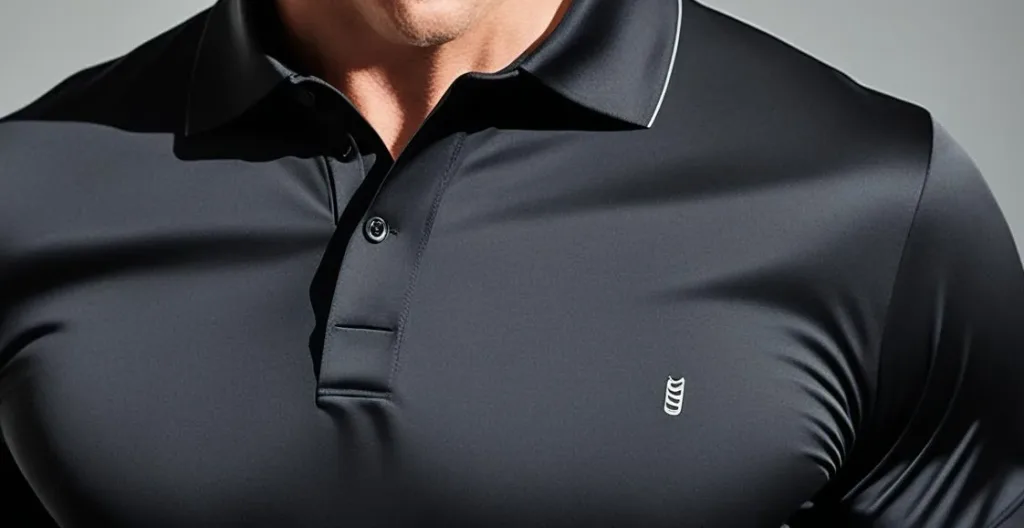
Polyester is a synthetic fiber often used in activewear thanks to its durability, moisture-wicking, and quick-dry capabilities.
Pros:
- Lightweight and fast-drying
- Wrinkle-resistant and holds shape well
- Moisture-wicking — ideal for performance wear
- Often more cost-effective in bulk
Cons:
- Less breathable than cotton
- May feel less natural on the skin
- Can retain odor if not treated
Best for:
- Sports teams and athletic events
- Outdoor work or high-activity environments
- Budget-friendly promotional polos
Cotton-Polyester Blends
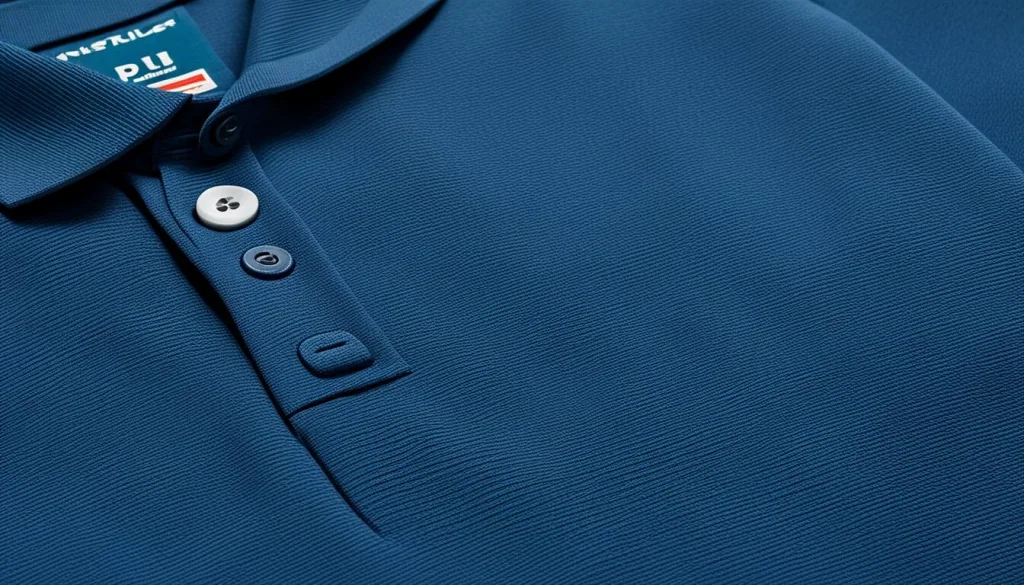
Blended fabrics combine the strengths of both cotton and polyester — balancing comfort, durability, and affordability.
Pros:
- Softer than pure polyester, more durable than pure cotton
- Wrinkle-resistant and less prone to shrinking
- Often more affordable than premium natural fabrics
- Better printing surface for logos and graphics
Cons:
- May pill over time
- Less luxurious feel compared to 100% cotton
Best for:
- School uniforms
- Promotional use with frequent wear
- Workwear with moderate physical activity
Eco-Friendly Polo Shirt Fabrics

Sustainability is increasingly important for today’s customers. Fortunately, many eco-friendly polo shirts are now made from innovative, green materials.
Organic Cotton
- Grown without harmful pesticides or fertilizers
- Soft, breathable, and hypoallergenic
- More sustainable than conventional cotton
Recycled Polyester (rPET)
- Made from recycled plastic bottles
- Reduces waste and carbon footprint
- Shares the same moisture-wicking properties as virgin polyester
Bamboo Fabric
- Naturally antibacterial and ultra-soft
- Biodegradable and renewable
- Excellent moisture regulation
TENCEL™ or Modal
- Made from sustainably harvested wood pulp
- Extremely soft, breathable, and drapey
- Great for premium or fashion-forward polos
Best for:
- Sustainable fashion or eco-conscious brands
- High-end or ethical collections
- Companies promoting ESG values
Choosing the Right Fabric for Your Brand
When selecting the best fabric for your custom polo shirts, consider these key factors:
1. Purpose and Usage
- Is the shirt for sports, corporate wear, casual retail, or events?
- Will it be worn indoors or outdoors?
2. Customer Comfort
- How important is breathability, stretch, or skin feel?
- Will the wearer be active or sitting most of the time?
3. Printability and Customization
- Do you need screen printing, embroidery, or heat-transfer compatibility?
- Polyester and blends tend to offer cleaner surfaces for logos.
4. Sustainability Goals
- Do you want to promote eco-friendly practices?
- Will your customers care about material origin and production ethics?
5. Budget and Production Volume
- Cotton and blends are great for mid-range pricing.
- Polyester works for cost-effective high-volume orders.
- Sustainable fabrics often carry a higher per-unit cost.
Ninghow Recommendations
At Ninghow, we offer flexible solutions based on your needs:
- Premium Pique Cotton for classic, textured polos with a soft hand-feel
- Cool-Dry Polyester for performance polos that wick moisture
- CVC and TC Blends (Chief Value Cotton / Terylene Cotton) for balance between comfort and durability
- Eco Fabrics like recycled polyester and organic cotton for sustainable brands
We’ll help you choose the perfect polo shirt fabric types based on your brand vision, target audience, and budget. With low MOQs, fast sampling, and full customization, Ninghow is your trusted partner in bringing your ideal polo to life.
Final Thoughts
Choosing the right fabric for your custom polo shirt is not just a technical decision — it’s a strategic one that affects branding, performance, and customer satisfaction. By understanding the characteristics of cotton, polyester, blends, and eco-friendly fabrics, you can make confident choices that align with your business values and product goals.
If you’re unsure where to start, our team at Ninghow is here to guide you every step of the way — from fabric selection to final production.
