




What is GOTS Certified Organic Cotton?
The Global Organic Textile Standard (GOTS) is the leading worldwide standard for organic fibers, including cotton. GOTS certification ensures that textiles meet strict environmental and social criteria from harvesting raw materials to labeling finished products.
Key Standards of GOTS Certification
- Organic fibers must be at least 70% of the product composition.
- No use of toxic dyes, heavy metals, or hazardous chemicals.
- Wastewater treatment in processing units is mandatory.
- Safe and fair working conditions for employees across the supply chain.
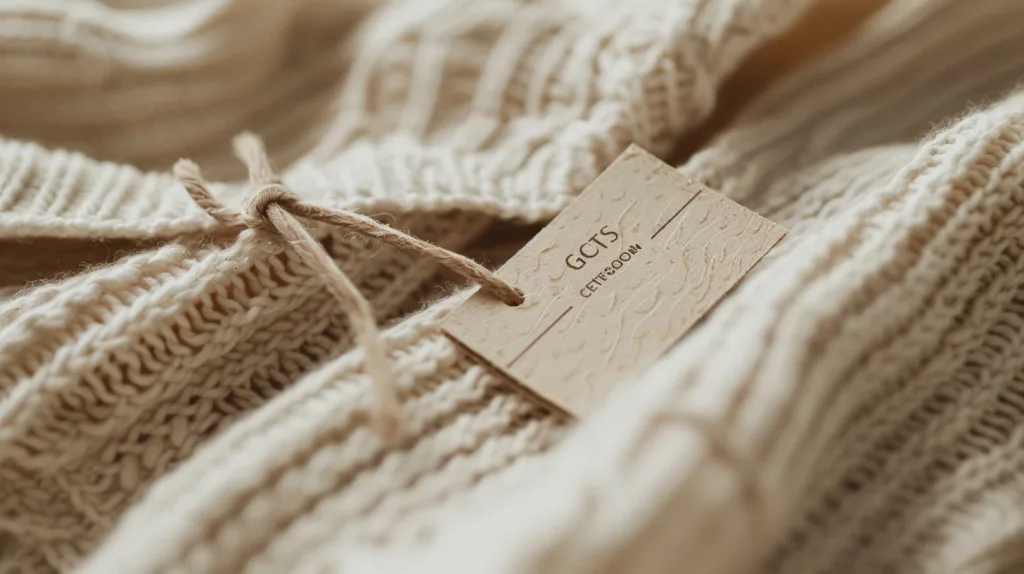
Why GOTS Matters for Global Brands
For brands, GOTS certification signals trust and transparency. It provides assurance to B2B buyers and end consumers that the clothing they purchase is genuinely organic and produced responsibly. Many leading apparel companies now require GOTS as part of their sustainability commitments.
OEKO-TEX Certification in Organic Cotton Fabrics
While GOTS focuses on the entire supply chain, OEKO-TEX certification is primarily concerned with product safety and testing for harmful substances.

What OEKO-TEX Tests For
- Over 100 harmful substances, including pesticides, heavy metals, and formaldehyde.
- Colorfastness, pH value, and allergenic dyes.
- Skin-friendliness and consumer health safety.
Benefits for Buyers and Consumers
For B2B buyers, OEKO-TEX certification means reduced liability and consumer confidence. For end consumers, it guarantees that the clothing is safe for sensitive skin, particularly in products like baby wear, underwear, and activewear.
Fairtrade Cotton and Ethical Sourcing
Fairtrade certification focuses on the social and economic aspects of cotton production, ensuring that farmers and workers benefit from fair wages and ethical working conditions.
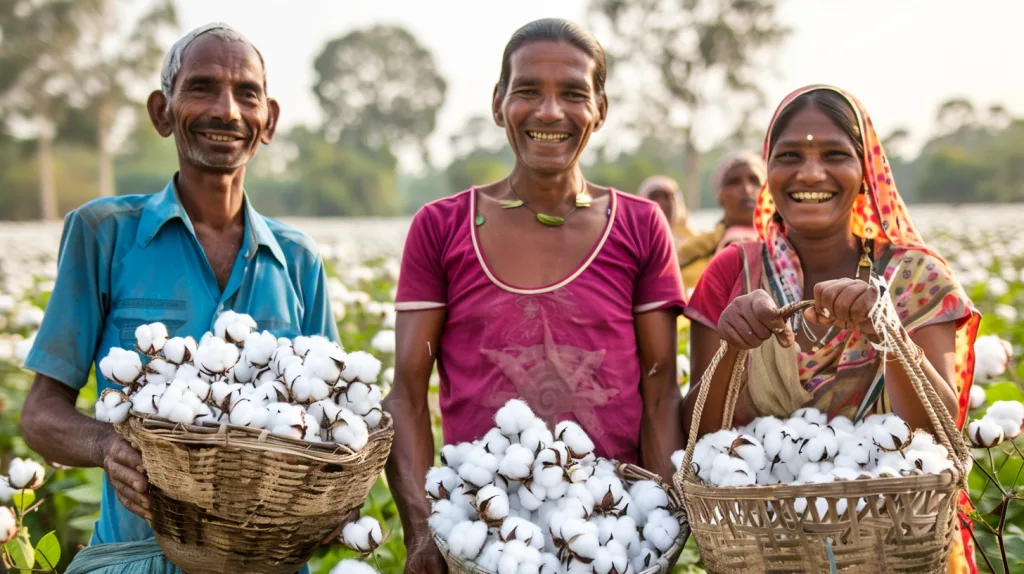
Ensuring Fair Wages and Worker Rights
- Minimum price guarantee to protect farmers against market fluctuations.
- Fairtrade Premiums invested in community development projects like education and healthcare.
- Prohibition of child labor and forced labor practices.
Case Study: Fairtrade Cotton in Fashion
Brands like People Tree and Marks & Spencer have incorporated Fairtrade cotton into their product lines. These initiatives not only support ethical supply chains but also strengthen brand reputation among conscious consumers.
Why Certifications Matter for Buyers and Brands
Certifications serve as an essential tool for transparency, quality assurance, and market competitiveness. They provide measurable proof of sustainability efforts.
Building Consumer Trust Through Transparency
Consumers today expect brands to back up their sustainability claims. Certifications like GOTS, OEKO-TEX, and Fairtrade provide third-party validation that builds trust and loyalty.
Meeting CSR and Regulatory Compliance
For B2B buyers, certifications align with corporate social responsibility (CSR) initiatives and global regulations. They reduce the risk of greenwashing and ensure ethical sourcing practices.
How Ninghow Delivers Certified Organic Cotton
At Ninghow, we partner with certified suppliers and ensure our fabrics meet global standards like GOTS and OEKO-TEX. Our Fairtrade collaborations further guarantee that workers are treated fairly while maintaining the highest quality in organic cotton clothing.
Conclusion: Certifications as a Path to Sustainable Success
Certifications are more than labels—they are a roadmap for building sustainable, ethical, and competitive brands. By choosing GOTS, OEKO-TEX, and Fairtrade certified cotton, businesses not only protect the planet but also win the trust of modern, eco-conscious consumers.
FAQ: Organic Cotton Certifications
1. What does GOTS certification cover?
GOTS covers the entire supply chain, including environmental impact, social conditions, and chemical usage.
2. Is OEKO-TEX the same as organic certification?
No. OEKO-TEX focuses on testing harmful substances in textiles, while GOTS certifies the organic origin and sustainable processing.
3. How does Fairtrade help cotton farmers?
Fairtrade guarantees minimum prices, fair wages, and investments in community projects, supporting farmers economically and socially.
4. Do certifications increase product costs?
Yes, slightly. However, certifications add long-term value by enhancing brand credibility and consumer trust.
5. Can Ninghow supply GOTS and OEKO-TEX certified fabrics with no MOQ?
Yes! Ninghow offers certified organic cotton fabrics with flexible sourcing options, including no MOQ, making it accessible for businesses of all sizes.
6. Are certifications important for small businesses?
Absolutely. Certifications help small businesses stand out, attract conscious consumers, and comply with international sourcing standards.
