

Introduction: The Rising Demand for Organic Cotton Baby Clothing
In today’s eco-conscious world, parents are becoming more mindful of what touches their baby’s skin. Organic cotton baby clothing has quickly become a symbol of safety, comfort, and care — the three essentials for any parent who wants the best for their child.
From onesies to swaddles, organic cotton is not just a fabric choice; it’s a commitment to health and sustainability. This natural fiber offers a soft touch free from synthetic chemicals, ensuring delicate baby skin stays irritation-free. For manufacturers like Ninghow, producing certified organic cotton kids clothing is more than a trend — it’s a responsibility to nurture future generations with safe, breathable, and ethical garments.
Why Organic Cotton is Best for Baby Clothing
Chemical-Free & Hypoallergenic Nature
Traditional cotton farming often relies on pesticides and synthetic fertilizers that can leave chemical residues on the final fabric. In contrast, organic cotton baby clothes are grown without these harmful substances, making them gentle even on the most sensitive skin.
Babies’ skin is thinner and more permeable than adults’, absorbing up to five times more substances. That’s why organic fabrics matter — they eliminate exposure to irritants, allergens, and toxins, reducing the risk of eczema, rashes, or respiratory issues.
Ninghow ensures every piece of organic cotton kids clothing meets international safety standards — from seed to stitching.
Breathability and Temperature Regulation
Organic cotton fibers allow excellent air circulation and moisture absorption, keeping babies cool in summer and warm in winter. This natural breathability minimizes sweat buildup, preventing discomfort and overheating — vital for infants who can’t yet regulate body temperature effectively.
Sustainability and Eco-Friendliness
Organic cotton cultivation uses 91% less water and 62% less energy than conventional cotton. By avoiding toxic pesticides, it protects soil health and supports biodiversity. Choosing organic cotton baby clothes helps reduce carbon footprints and contributes to a cleaner planet for future generations.
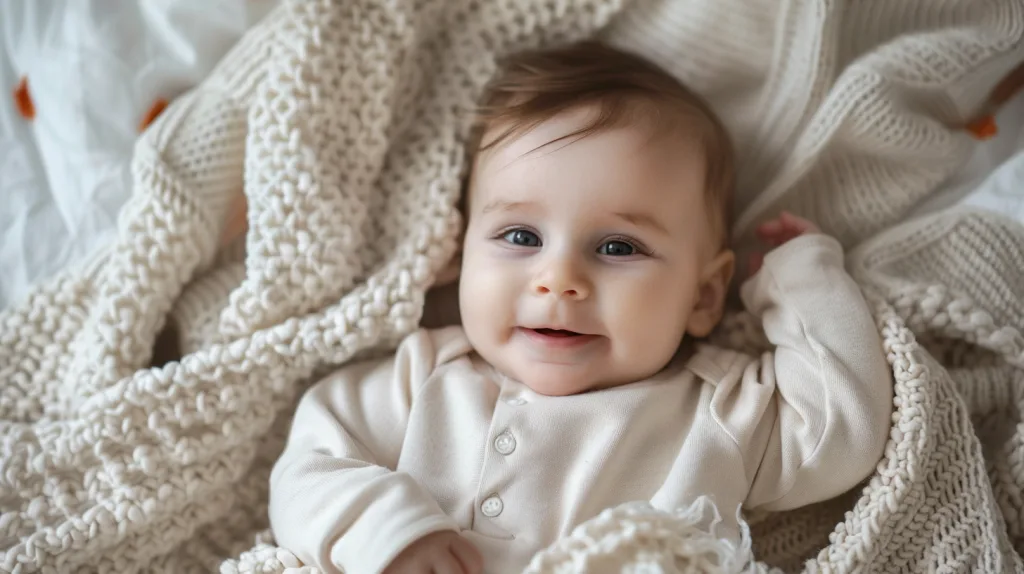
Safety Standards in Organic Cotton Baby Clothes
GOTS Certification & International Standards
The Global Organic Textile Standard (GOTS) is the gold standard in verifying organic integrity. To be labeled “organic,” fabrics must meet strict environmental and social criteria. GOTS ensures that from cotton farming to final sewing, no harmful chemicals are used, and fair labor practices are upheld.
Safe Dyes and Non-Toxic Finishing
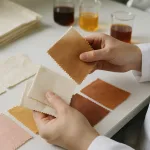
Organic cotton babywear often uses natural or low-impact dyes, which are water-based and free from heavy metals. This ensures no harmful residues touch the baby’s skin. Ninghow’s finishing process prioritizes gentle washing, avoiding silicone softeners or toxic resins.
Testing for Infant Sensitivity and Compliance
All organic cotton kids clothing undergoes pH testing, colorfastness checks, and skin contact safety tests. These ensure garments remain soft and color-safe after multiple washes.
Understanding OEKO-TEX and Other Labels
Beyond GOTS, certifications like OEKO-TEX® Standard 100 guarantee fabrics are tested for over 100 harmful substances. Retailers should always look for these marks when sourcing babywear.
Benefits for Parents and Retailers
Long-Lasting Quality and Easy Maintenance
Organic cotton’s longer, stronger fibers enhance durability. Parents love that these clothes maintain shape and softness after repeated washing — a must for active toddlers. Retailers benefit from reduced return rates and higher customer satisfaction.
Ethical Manufacturing and Transparency
Modern parents value traceability. Brands that disclose sourcing, production, and certification details gain consumer trust. Ninghow integrates full transparency through its B2B organic production model, ensuring ethical labor and environmentally friendly processes.
Growing Consumer Trust and Loyalty
According to industry reports, over 70% of millennial parents prefer sustainable products. Offering organic cotton kids clothing helps retailers tap into a loyal, eco-conscious customer base willing to invest in quality.
Organic Cotton Baby Clothing Wholesale and Private Label Options
Wholesale Opportunities for Retailers
Wholesaling organic cotton baby clothes is an excellent opportunity for retailers looking to expand into the eco-friendly market. With minimum order flexibility and competitive pricing, Ninghow supports both emerging brands and large distributors.
Customization and Private Label Services
From custom patterns and embroidery to eco-friendly packaging, private label services help brands stand out. Ninghow offers seamless OEM & ODM solutions — ensuring your organic cotton babywear reflects your brand identity and values.
Ninghow Expertise in Organic Babywear
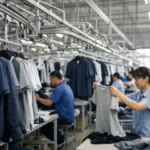
With years of experience, Ninghow’s team combines innovation and craftsmanship, producing collections that meet GOTS, OEKO-TEX, and ISO standards. Our integrated supply chain ensures every garment is traceable, safe, and beautifully made.
Case Study: From Design to Delivery
A European retailer partnered with Ninghow to launch a certified organic cotton baby line. Within six months, they achieved a 30% increase in sales and reduced product returns by 25%. This showcases how sustainable manufacturing directly enhances profitability and brand reputation.
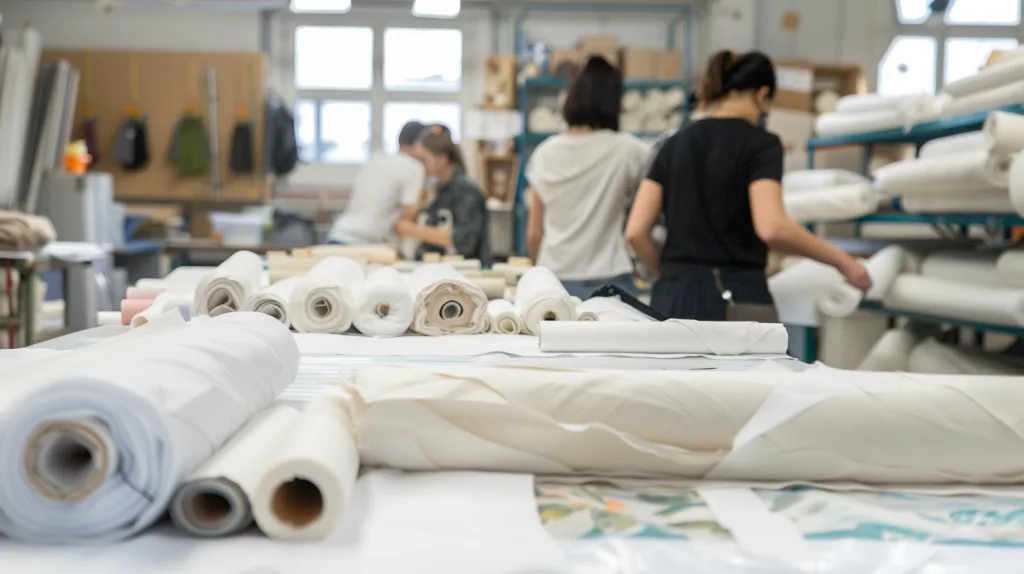
How to Identify Authentic Organic Cotton Baby Clothes
Label Verification & Certification Marks
Always check for GOTS, OEKO-TEX, or USDA Organic labels. Genuine organic cotton garments should also include batch numbers or traceability codes linking to certified farms and mills.
Fabric Feel, Stitching & Finishing Tips
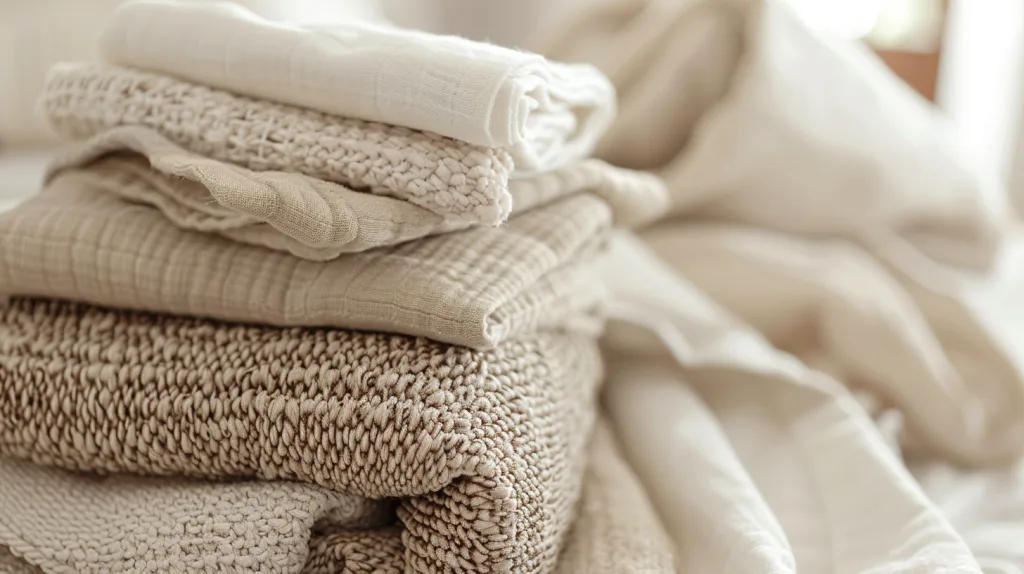
Authentic organic cotton feels naturally soft, matte, and breathable. Beware of overly shiny or stiff fabrics — these may indicate synthetic blends or chemical finishes. High-quality organic baby clothes also feature flat seams, nickel-free snaps, and eco-friendly thread for complete safety.
The Future of Organic Cotton Kids Clothing
Innovations in Sustainable Baby Textiles
The next generation of organic kidswear incorporates plant-based dyes, compostable buttons, and circular production systems. Brands like Ninghow are investing in biodegradable fibers and blockchain traceability to guarantee full supply-chain transparency.
The Global Shift Toward Eco Parenting
Parents worldwide are embracing eco-parenting, focusing on products that protect their child and the planet. This mindset drives exponential growth in the organic babywear sector — a promising future for brands committed to sustainability and safety.
FAQs About Organic Cotton Baby Clothing
Q1: Are organic cotton baby clothes worth the price?
Yes. They offer unmatched safety, comfort, and durability, reducing allergic reactions and lasting longer than synthetic alternatives.
Q2: How can I wash organic cotton baby clothes?
Use mild, phosphate-free detergent in cold or lukewarm water. Avoid bleach and fabric softeners to maintain fiber integrity.
Q3: What makes organic cotton safer for babies?
It’s free from pesticides, formaldehyde, and chemical dyes — ensuring hypoallergenic and toxin-free comfort for delicate skin.
Q4: Are all “organic” baby clothes truly organic?
Not always. Always check for GOTS or OEKO-TEX certification to confirm authenticity.
Q5: Can retailers customize organic cotton kids clothing?
Absolutely. With private label services, brands can create exclusive designs while maintaining organic certification.
Q6: Why is Ninghow trusted in organic manufacturing?
Because of its verified certifications, ethical production, and end-to-end transparency from fabric sourcing to delivery.
Conclusion: A Safe, Sustainable Choice for the Next Generation
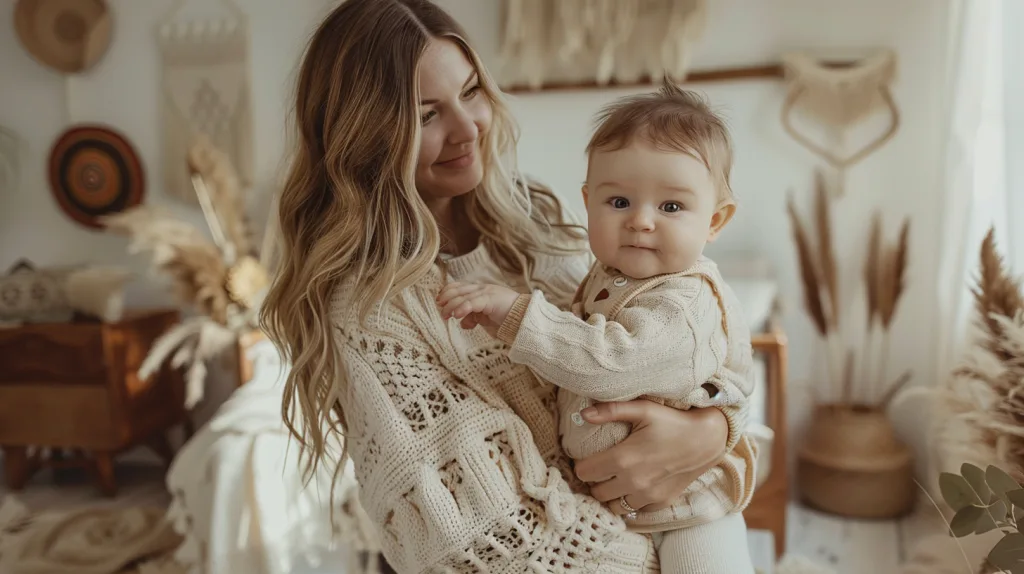
Organic cotton baby clothing stands as a perfect harmony between comfort, safety, and sustainability. For parents, it means peace of mind knowing their child’s skin is protected. For retailers, it’s a chance to align with growing eco-conscious values and strengthen brand credibility.
At Ninghow, we believe that every stitch matters. Through certified organic cotton kids clothing, we aim to nurture not only delicate skin but also a sustainable future — one garment at a time.
Related Reading
