



OEM vs ODM vs Private Label: Which Path Fits Your Brand?
Choosing between OEM, ODM, and Private Label models can make or break your sportswear brand’s journey. Each approach affects your product design, speed to market, cost, and long-term identity. Understanding these options is vital before selecting a manufacturing partner like Ninghow, who specializes in all three.
Understanding OEM, ODM, and Private Label Models
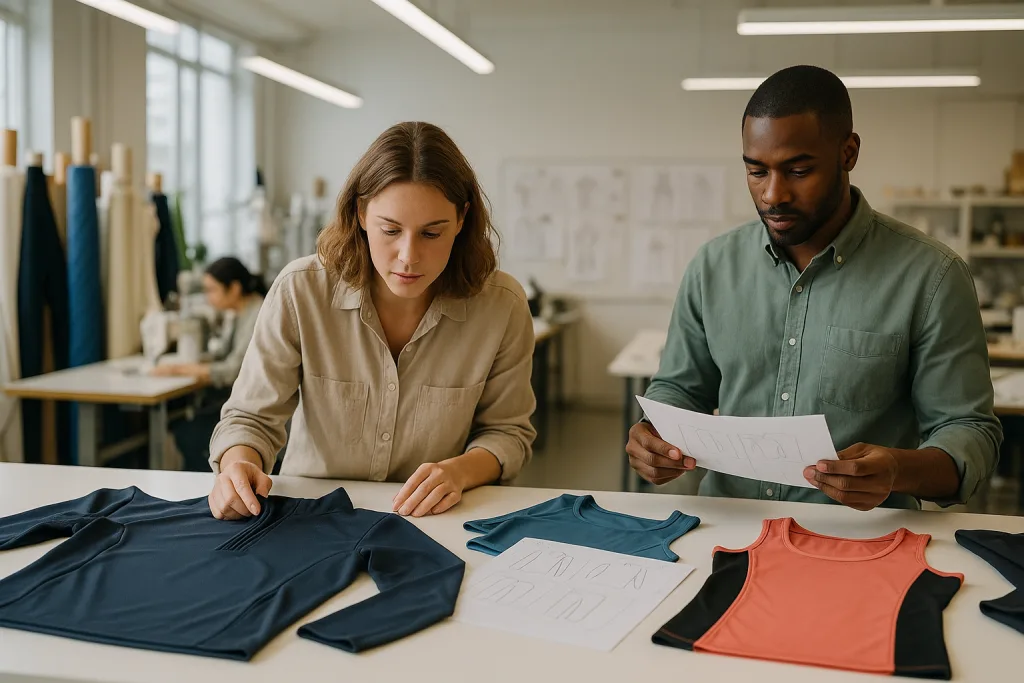
Let’s clarify the basic definitions:
- OEM (Original Equipment Manufacturer): The factory makes products based on your unique designs, tech packs, and specifications. You control fabric, trims, labels, and every finish.
- OEM (Original Design Manufacturer): The supplier offers ready-made designs, pre-developed materials, and construction methods. You customize colors, branding, or minor details. Ideal for faster launches.
- Private Label: You choose from standard products with minimal change—just your brand label and packaging. This model offers the quickest route with strict cost control.
Key Apparel Terms Defined
Tech pack: A document showing all product specs, measurements, stitch types, and trims. MOQ: Minimum order quantity. Lead time: How long from order to delivery.
Comparing Time-to-Market, Cost, and Flexibility
| Model | Time-to-Market | Upfront Cost | Design Flexibility | Best Use Case |
|---|---|---|---|---|
| OEM | 12–18 weeks | High (for sampling/molds) | Full control | Unique performance sportswear |
| ODM | 6–10 weeks | Medium | Moderate | Fast sports team programs |
| Private Label | 4–6 weeks | Lowest | Limited to branding | Promo/event apparel |
OEM: Total Customization for Unique Sportswear
If you dream of launching a technical golf polo or a moisture-wicking running jacket unlike anything out there, OEM is the path. Brands supply detailed tech packs, pick fabrics (combed cotton, rPET, or modal blends at 180–240gsm for tees or 300–360gsm for jackets), and specify stitch types like ISO 301 for durability. With OEM, you direct lab dips and Pantone matching for color control, require wash testing (AATCC 135/150), and sign off on bulk color approval. Typical lead times run 10–16 weeks, with sampling rounds—first proto, then pre-production sample, then TOP (top of production).
OEM Advantages
- Complete design freedom: unique patterns, trims, finishes
- Performance customization: choose wicking, anti-odor, or UPF treatments
- Brand recognition: apparel reflects your vision and quality standards
OEM Challenges
- Higher costs and MOQs due to custom materials
- Longer development timeline and need for expert sampling
- Requires technical knowledge—tech packs, measurements, tolerances
ODM: Speed and Leverage in Sportswear Creation
ODM lets you leverage the supplier’s pre-engineered styles and material know-how. Ninghow, for example, regularly updates ready sportswear blocks—hoodies, polos, or joggers in contemporary fits, with 160–220gsm single jersey or 280gsm fleece available. You choose color, add your logo, and swap simple details like rib trims or pockets. ODM often uses proven construction methods: coverstitch for activewear hems, bartacks on high-stress points, and correct SMV planning for efficient production.
ODM Advantages
- Faster launch—skip design iteration and pre-development trials
- Lower MOQs and often easier brand testing
- Pre-tested fits and colorways, reducing risk of defects
ODM Challenges
- Limited uniqueness (other brands may pick similar designs)
- Less control over deep fabric specs or unique features
- Customization usually restricted to surface-level changes
Private Label: Fast Track for Brand Launches
Private Label is all about speed and simplicity. You select ready-to-ship stock items—T-shirts, polos, sweatshirts—in standard fits and colors. Ninghow offers rapid relabeling and packaging, folding to spec, attaching hangtags, and ensuring compliance with OEKO-TEX STANDARD 100. Lead times can be as quick as four weeks, with the process streamlined for event programs, promotional uniforms, or basic merchandise.
Private Label Advantages
- Fastest development cycle—no design or sampling delays
- Cost-effective for bulk orders and promotions
- Simple logistics and packaging options
Private Label Challenges
- Almost zero product differentiation
- Limited materials and finishes
- May impact perceived brand value
Case Examples: OEM, ODM, and Private Label in Action
OEM: Launching a High-Performance Golf Polo
An emerging golf brand wanted polos with 30+ UPF sun protection and ultra-soft handfeel. They provided Ninghow with a full tech pack specifying 200gsm ring-spun combed cotton, peach-finished for comfort. Lab dips ensured true Pantone shades, while final bulk production involved strict spec and stability checks—dimensional change testing, pilling resistance (ISO 12945), and AQL inline QC. The result: a standout product with market-first features.
ODM: Rapid Uniforms for a Youth Soccer Club
A soccer club needed 800 uniform sets in eight colors for upcoming tournaments. Ninghow offered its ODM kit: 160gsm recycled polyester jerseys with moisture-wicking, pre-made size sets, and coverstitched hems. Each order got custom chest embroidery and logo heat-transfer prints. Lead time: just seven weeks from order to delivery.
Private Label: Fast Turnaround for a Promotional Event
An events agency ordered 10,000 branded hoodies and tees for a university campaign. With Private Label, Ninghow used stock 280gsm fleece hoodies and 180gsm single jersey tees, attached custom hangtags, packed to size ratios, and shipped FOB within four weeks. Compliance labeling and carton marking followed ISO 3758, ensuring proper care instructions.
How Ninghow Supports OEM, ODM, and Private Label Sportswear
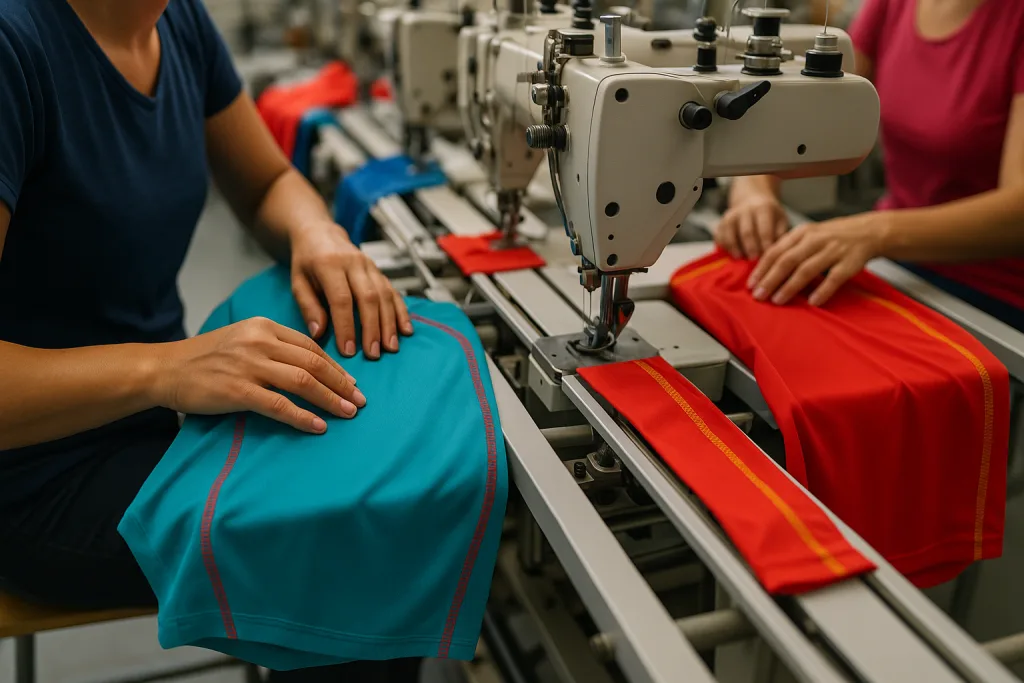
Ninghow’s production lines adapt to each business model. For OEM, onsite patternmakers grade precise size sets, control cutting markers, and run auto-cutters for accuracy. Materials are sourced against client specs—organic cotton (GOTS-certified), rPET, or modal blends. For ODM, Ninghow stocks contemporary fits in activewear categories, holds lab-tested bulk fabric, and manages rapid color customization with in-house bulk dyeing. Private Label buyers get streamlined relabeling, packaging, and batch QC for B2B demands.
Fabric Choices and Construction Examples
- Combed cotton 24s/32s for polos and tees, 160–240 gsm
- Sweatshirts in French terry or fleece, 280–360 gsm
- Technical sportswear in recycled poly, elastane blends for stretch
- ISO 301 lockstitch, ISO 401 overlock, and ISO 504/602 coverstitch for hems
Quality Assurance and Compliance
Ninghow’s factories run inline and endline QC, measuring against spec tables to avoid puckering, skew, or color drift. Each production batch undergoes needle detection (as needed), AQL sampling, and full dress rehearsals for complex embroidery or print jobs. Compliance programs address OEKO-TEX, GOTS, WRAP, and SEDEX standards. International shipments follow Incoterms like FOB (Free On Board) or DDP (Delivered Duty Paid), with packing and labeling to export specs.
OEM vs ODM vs Private Label: Which Path Fits Your Brand?
Choosing the right model hinges on your goals, budget, and product vision. Here’s a decision flowchart you can follow:
- Do you want full design control and unique tech? Pick OEM. Allow 12–18 weeks and prepare for higher MOQs and sampling rounds.
- Need speed and moderate custom touches? ODM delivers in 6–10 weeks. Perfect for teams, sports clubs, or mid-volume brands.
- Require quick, branded stock at volume? Private Label gives 4–6 week turnaround for promos and event gear.
Expert Takeaway: Match manufacturing to your brand’s stage. OEM for flagship products, ODM for agile launches, Private Label for high-volume basics.
Technical & Compliance Table: Sportswear Manufacturing Details
| Fabric Type | GSM Range | Construction | Finish/Property | Best Use |
|---|---|---|---|---|
| Combed cotton (20s/24s/32s) | 160–240 gsm | Single Jersey/Pique | Soft handfeel, colorfastness | Polo shirts, tees |
| Recycled polyester (rPET) | 160–220 gsm | Interlock | Moisture wicking, quick-drying | Sports tops, uniforms |
| Fleece/French terry | 280–360 gsm | Knitted (Brushed/Looped) | Warmth, anti-pilling | Sweatshirts, hoodies |
| Elastane blends | 180–240 gsm | Jersey/Interlock | Stretch, shape retention | Activewear, leggings |
Key Steps in Ninghow’s Sportswear Production Workflow
From Sampling to Bulk Production
- Tech pack review / style selection
- Lab dip, fabric/trim sourcing
- Proto sample making—fit + construction checks
- Graded size sets, marker planning, cutting
- Sewing line balancing: stitch selection, coverstitch, bartacks
- Decoration: print, embroidery, heat transfer
- QC: AQL checks, wash/pilling/dimensional testing (ISO/AATCC)
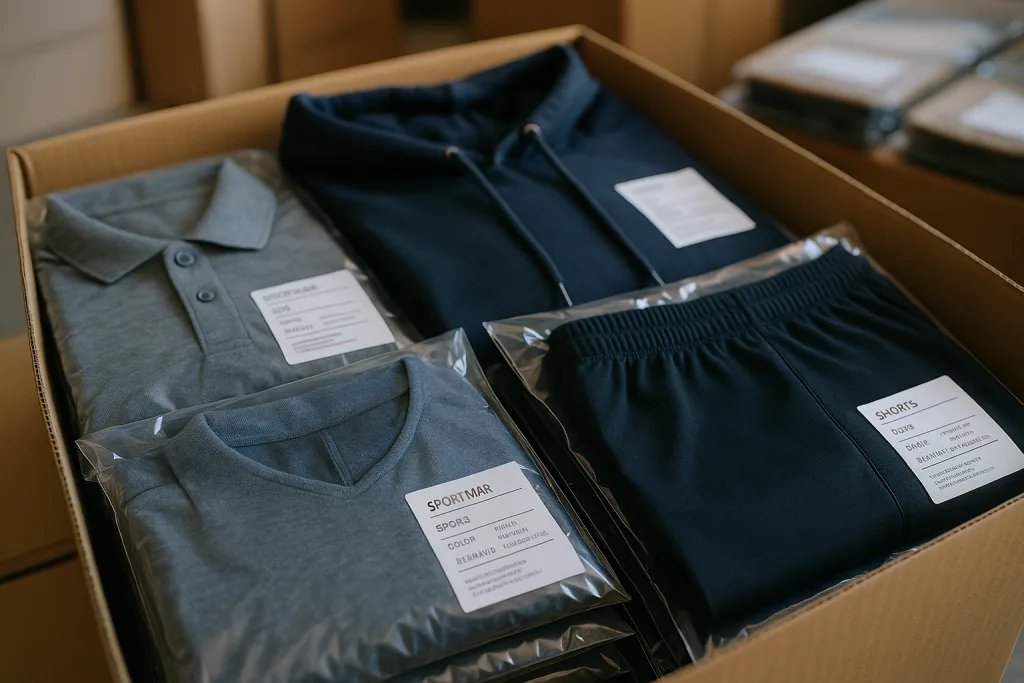
- Packing: folding, tagging, export carton prep
- Shipment: as per Incoterm (EXW/FOB/DDP)
How Each Decision Impacts Your Brand
- Fabric selection influences comfort, cost, durability, and sustainability
- Construction methods affect performance and defect rates
- Decoration choices (screen print, embroidery, DTG) balance handfeel and logo longevity
- Packaging impacts unboxing experience and retail readiness
Frequently Asked Questions
What’s the fastest way to launch a sportswear brand?
Private Label offers the quickest launch, with ready-made garments branded and shipped within four to six weeks.
How does OEM differ from ODM for sportswear?
OEM gives full control over design and materials, while ODM allows customization of ready-made styles with supplier-driven options.
What fabrics work best for high-performance sportswear?
Popular choices include recycled polyester blends (for wicking), combed cotton (for comfort), and elastane blends (for stretch).
What is the typical MOQ for each model?
OEM usually requires 500+ units per style, ODM starts around 200–400, and Private Label may allow as few as 100 per order.
Can I request compliance certifications?
Yes. Ninghow supports OEKO-TEX, GOTS, WRAP, SEDEX certifications, and can test against ISO/AATCC apparel standards as needed.
How are sportswear garments packaged for export?
Clothing is folded to spec, inserted in polybags, placed in labeled cartons, and shipped using Incoterms like FOB or DDP.
