
In the world of custom apparel manufacturing, understanding the differences between OEM clothing manufacturers and ODM clothing manufacturers is essential for fashion startups, growing brands, wholesalers, and event organizers. Whether you’re designing your own line of polo shirts, hoodies, or beachwear, choosing the right type of manufacturer can determine your speed to market, cost efficiency, and creative control.
At Ninghow, we specialize in both OEM and ODM services, helping clients around the world bring their clothing ideas to life — with flexible minimum order quantities (MOQs), fast sampling, and expert customization.
In this article, we’ll break down the key differences between OEM and ODM clothing production, their pros and cons, and how Ninghow can support your brand’s manufacturing needs.
Understanding OEM Clothing Manufacturers

OEM stands for Original Equipment Manufacturer. In the apparel industry, this refers to factories that produce garments strictly based on the client’s own designs, specifications, and tech packs.
What OEM Clothing Manufacturing Involves:
- You provide your own designs, patterns, and material specifications.
- The manufacturer handles fabric sourcing, cutting, sewing, and finishing based on your instructions.
- Branding, labels, and packaging are customized to your brand.
Advantages of OEM:
- Complete Creative Control: Perfect for fashion designers and brands with a strong identity.
- Tailored Fit and Style: You can fully customize everything from fit to fabric.
- Brand Exclusivity: No risk of seeing your designs elsewhere.
Considerations:
- Requires detailed documentation like tech packs and samples.
- Longer lead time for sampling and production.
- Higher cost and complexity for small brands without experience.
What Are ODM Clothing Manufacturers?
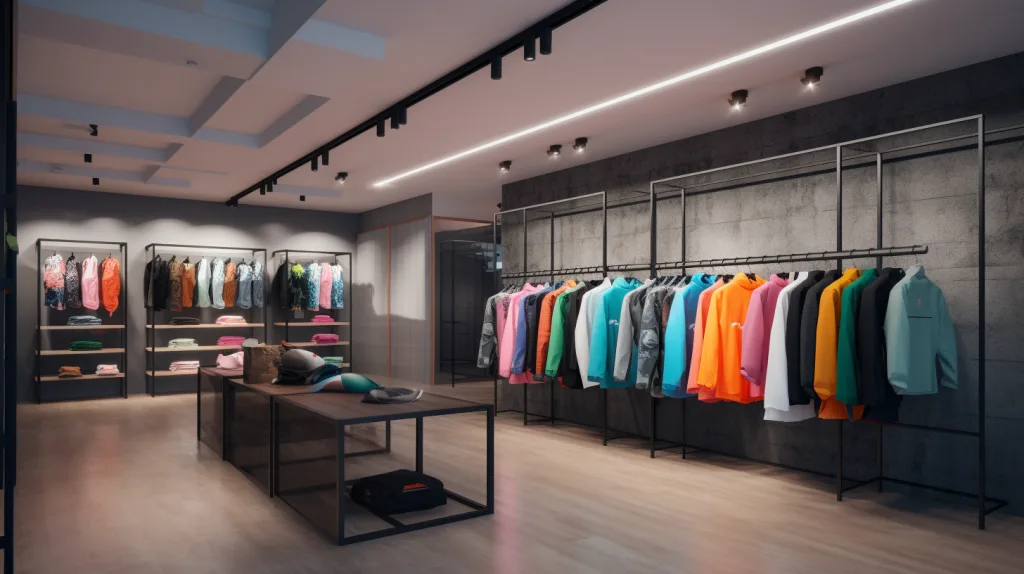
ODM stands for Original Design Manufacturer. In this model, the manufacturer provides pre-designed clothing styles that clients can brand as their own.
What ODM Clothing Manufacturing Involves:
- You select from the factory’s existing designs.
- Some level of customization is usually allowed (colors, logos, trims).
- Products are ready to go with quicker turnaround times.
Advantages of ODM:
- Faster Time to Market: Designs are already developed and tested.
- Lower Startup Costs: No need for design development.
- Easier for New Brands: Ideal for those just entering the market.
Considerations:
- Limited design flexibility.
- Others may use the same base designs.
- Not ideal for unique or niche brand identities.
Which Model is Right for Your Brand?
The choice between OEM and ODM depends on your brand goals, budget, timeline, and experience level.
OEM is best for you if:
- You have unique designs and want full creative control.
- You’re building a distinctive, high-end fashion line.
- You already have experience with production planning.
ODM is best for you if:
- You’re launching a brand with limited design resources.
- You need to get to market fast with proven styles.
- You’re testing a new product category or trend.
Many successful brands start with ODM, then gradually shift to OEM as they scale and gain more design capacity.
Ninghow: OEM and ODM Services Tailored for You
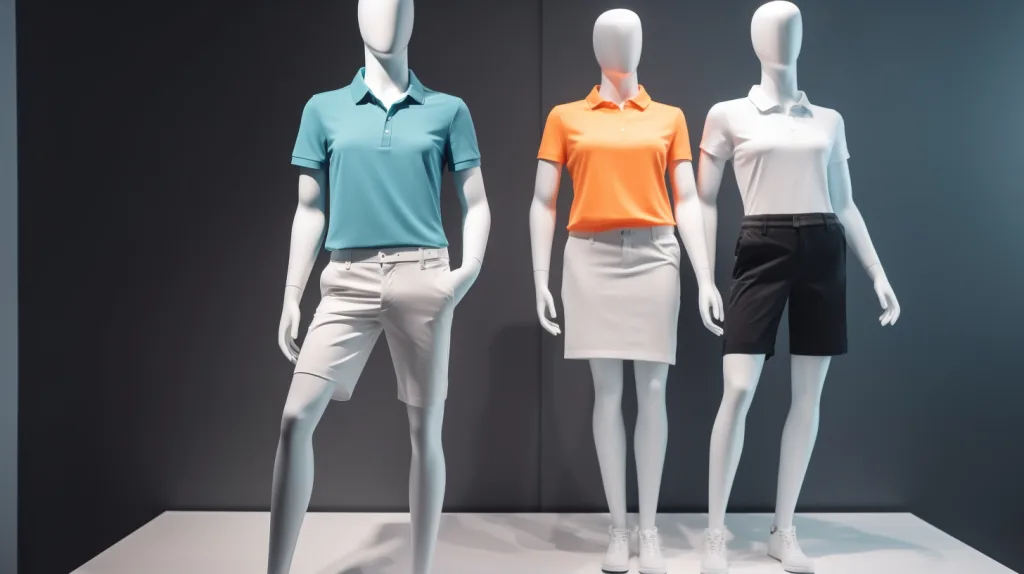
At Ninghow, we proudly support both OEM and ODM projects across various apparel categories:
Our OEM Capabilities:
- Custom POLO shirts, hoodies, T-shirts, shorts, and outerwear.
- Private label apparel with full branding support.
- Fabric sourcing, dyeing, pattern making, grading, and sampling.
- Fast sampling process to bring your vision to life quickly.
Our ODM Collection:
- Trendy, ready-made styles across sportswear, streetwear, and beachwear.
- Customizable colors, prints, and logo placements.
- Great for dropshipping, retail testing, and limited collections.
Why Choose Ninghow?
- Low MOQ: Start small and scale up confidently.
- Global Shipping: Delivering to brands and retailers worldwide.
- Responsive Support: Our team guides you through every step.
- Flexible Customization: From fabrics to finishing touches.
Real-World Examples of OEM and ODM Success
- Startup Swimwear Brand: A founder from Australia approached us with hand-drawn sketches and specific fabric preferences. We helped them turn it into a full OEM production line, starting with just 100 pieces.
- Fitness Apparel Dropshipper: A client needed quick inventory for a summer campaign. They selected from our ODM catalog and added their logo — launching in just 3 weeks.
Conclusion: OEM vs ODM — Choose What Suits Your Brand Vision
Both OEM and ODM clothing manufacturing offer unique advantages. OEM gives you the freedom to bring your exact vision to life, while ODM offers speed, simplicity, and lower upfront investment.
Whether you’re an ambitious startup or an established brand, Ninghow provides end-to-end solutions to support your journey. Let us help you navigate the right path with our flexible manufacturing services.
