


Moisture-Wicking vs Quick-Dry vs Breathable: What’s the Difference?
Performance fabrics have reshaped modern sportswear, workwear, and daily apparel. Shoppers often see the words “moisture-wicking,” “quick-dry,” and “breathable”—but few understand what sets each apart. This guide dives deep to define these features, explain how they work, show how labs test their claims, and map which is best for different activities and climates. Plus, we explore fabric care and sample swatch insights direct from Ninghow’s manufacturing floor.
Understanding Performance Fabric Mechanisms
What Is Moisture-Wicking?
Moisture-wicking refers to how well a fabric pulls sweat away from the skin. This movement occurs through capillary action, where yarns draw liquid from the inside surface and move it quickly to the outer layer. As a result, sweat can evaporate before it causes clinginess or discomfort.
How Does Moisture-Wicking Work?
- Fiber Engineering: Synthetic fibers like polyester and nylon have low absorbency but high affinity for transporting moisture along their surfaces.
- Yarn Structure: Fine denier yarns or microfibers (about 0.5–1.5 dtex) increase surface area for capillary action.
- Chemical Finishes: Hydrophilic finishes can boost the moisture movement; these are added during dyeing or post-processing.
What Is Quick-Dry?
Quick-dry describes how fast a fabric sheds moisture after it becomes wet. Not all moisture-wicking fabrics are quick-dry—the ability to release water depends on both fiber type and how much liquid the material holds (absorbency).
How Do Fabrics Dry Quickly?
- Low Absorbency: Fabrics such as 100% polyester or treated blends trap little water, so evaporation happens faster.
- Porosity & Knit Construction: Air can flow easily through loose knits (like pique or mesh), speeding up the drying process.
- Surface Finishes: Water-repellent finishes like C6 fluorocarbon keep liquid on the surface, minimizing absorption.
What Is Breathability?
Breathability is the ability of material to let air and moisture vapor pass through. Highly breathable fabrics support ventilation, keep skin cooler, and cut down risk of heat rash or odor. The best breathability comes from open weaves, strategic ventilation panels, and some advanced synthetics.
How Is Breathability Achieved?
- Yarn Selection: Thinner yarns (20s/24s/32s combed cotton, lightweight polyester) or blends encourage airflow.
- Knit or Weave Type: Single jersey, mesh, and interlock knits offer solid breathability, while woven poplin or twill is less vented.
- Fabric Weight: Lower GSM (grams per square meter), around 160–180 gsm for tees, improves air movement.
Lab Testing Performance Fabrics
How Moisture-Wicking Is Tested
Labs test wicking using vertical wicking tests, placing a fabric strip in water and measuring how high liquid climbs over time. Results are reported in millimeters per minute. Some facilities use AATCC TM 197 for standardized measurement.
Testing Quick-Dry Properties
Quick-dry rate is checked by soaking a swatch, weighing it, then timing how long it takes to air dry under controlled humidity and temperature. AATCC TM 201 guides many protocols, with results in minutes or percentage moisture lost per unit time.
Breathability Assessment Methods
Breathability uses moisture vapor transmission rate (MVTR), measured in grams per square meter over 24 hours. Common tests include ASTM E96 or JIS L 1099. Air permeability (using ISO 9237) measures how much air passes through in a set time.
Comparative Table: Key Fabric Properties
| Term | Main Mechanism | Lab Test Method | Best for | Example Fabrics from Ninghow |
|---|---|---|---|---|
| Moisture-Wicking | Capillary movement of sweat away from skin | AATCC TM197 (Vertical wicking) | Running, training, soccer | Microfiber polyester jersey, ring-spun cotton/poly blend with wicking finish |
| Quick-Dry | Fast evaporation after contact with water/sweat | AATCC TM201 (Drying rate) | Travel, hiking, team sports, humid climates | Pique knit poly, recycled poly mesh, lightweight athletic modal |
| Breathable | Air/moisture vapor transmission through fabric | ASTM E96, ISO 9237 (MVTR, Air permeability) | Warm climates, golf, leisure, tropical uniforms | Combed cotton jersey, bamboo viscose blend, rPET mesh for team polos |
Application Matrix: Sports, Activities, and Climates
Choosing the Right Performance Feature
- Moisture-Wicking: Best for high-sweat sports (basketball, running, football), gym workouts, and any activity where skin contact with sweat must be minimized.
- Quick-Dry: Ideal for outdoors, team kits, and travel—especially in wet weather or humid conditions. Think hiking, trekking, tennis, and cycling.
- Breathable: Crucial for heat-intensive environments—golf under the sun, tropical fieldwork, or everyday summer wear. Also important for uniforms and lifestyle tees.
Sport and Climate Reference:
| Activity | Climate | Recommended Fabric Performance |
|---|---|---|
| Golf | Hot/Moderate | Breathable, quick-dry |
| Soccer | Variable/High Humidity | Moisture-wicking, quick-dry |
| Gym Training | Indoor/Warm | Moisture-wicking |
| Outdoor Trekking | Wet/Cool | Quick-dry, moisture-wicking |
| Daily Casual | All Climates | Breathable |
The Ninghow Difference: Factory Insights
Sampling and Lab Dips
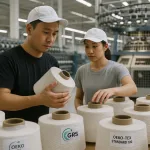
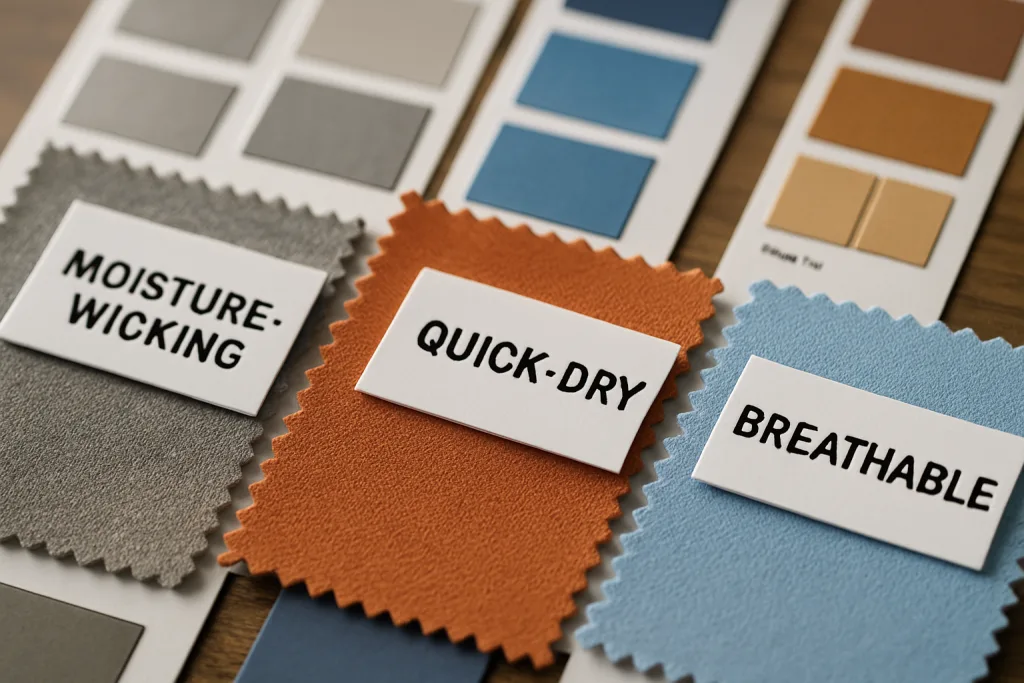
Before bulk production, Ninghow creates fabric swatches to validate performance. Clients choose from lab-dipped fabrics showing real moisture-wicking, quick-dry, or breathable results. Pantone-matched colors and strike-offs ensure brand identity while meeting technical standards.
Materials and Construction Excellence
- Yarn and Fiber: Recycled polyester (rPET), organic GOTS cotton, and elastane blends for stretch and fit consistency.
- Knit Types: Pique for polos, single jersey for tees, mesh for athletic tops—each tuned to maximize the target performance feature.
- Typical GSM: Ninghow recommends 160–220 gsm for polos/tees, 280–350 gsm for sweatshirts/fleece.
Quality Control That Matters
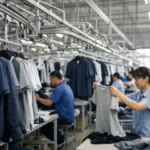
Factory-run tests check vertical wicking, drying speed, and air flow for every batch. Spec tables, inline/endline checks, and lab wash tests ensure all garments meet international standards (AATCC, ISO, OEKO-TEX).
For B2B programs, SMV analysis and line balancing optimize speed without sacrificing quality. Batch control and shade bands keep colors uniform across runs.
Care and Maintenance: Maximizing Fabric Performance
Washing and Handling Tips
- Wash cool (below 40°C) with gentle cycle to preserve finishes.
- Avoid fabric softeners—they can clog fibers and reduce wicking or quick-dry performance.
- Line dry whenever possible for best longevity.
- Turn garments inside out to minimize abrasion during washing.
- Follow label symbols (ISO 3758) for temperature and drying recommendations.
Storing Moisture-Active Apparel
Keep garments dry and folded, away from direct sunlight. For bulk B2B shipments, Ninghow uses polybags and size ratio packs to prevent moisture ingress and odor. Hangtags with clear care instructions support end-user satisfaction and reduce warranty issues.
Moisture-Wicking vs Quick-Dry vs Breathable: What’s the Difference?
Moisture-wicking pulls sweat from your skin to keep you comfortable. Quick-dry sheds water faster, making fabric ready for repeat use in less time. Breathable ensures heat and vapor escape, giving you a cooling effect and preventing skin irritation. Often, the best performance garment blends two or all three features—like Ninghow’s athletic polos, which pair wicking and breathability for comfort in every play. Choose the right feature for your activity and climate: moisture-wicking for sweat control, quick-dry for speed after wetting, and breathable for staying cool.
Decoration and Function: Print and Embroidery Effects
Screen Print and Transfers
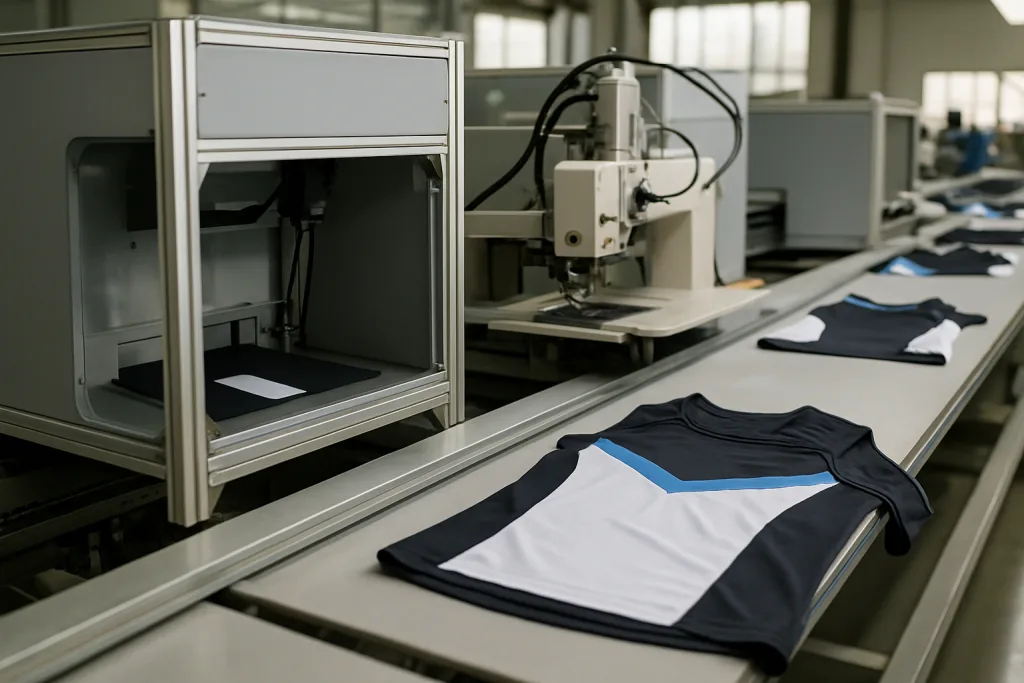
Performance garments use water-based and plastisol inks. Ninghow offers DTG (Direct-to-Garment) and DTF (Direct-to-Film) for detailed graphics, balancing handfeel and durability. Sublimation works well with polyester mesh for soccer jerseys and event polos.
Embroidery on Performance Fabrics
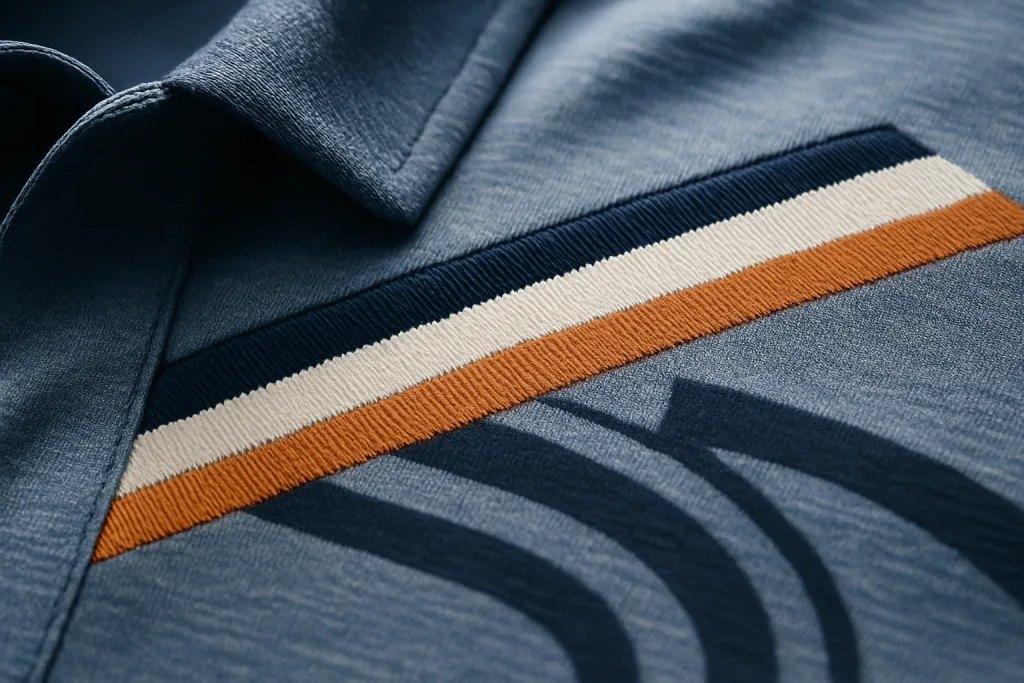
Embroidery, including 3D/puff, requires careful tension and needle selection to avoid puckering on thin or stretch fabrics. QC checks include wash tests, thread fastness, and seam strength testing per ASTM D1683. For B2B customers, proper backing and stitch density maintain logo quality without impacting performance.
Packaging, Logistics, and Brand Programs
Ninghow’s OEM/ODM Service
Clients receive folded garments with barcode or EAN tagging, hangtags, and woven labels for easy tracking. Export packaging meets Incoterms (FOB, CIF, DDP) for global lead times and secure delivery. TOP samples (bulk production previews) are lab-tested for every order before cargo ships.
Expert Takeaway: Performance Fabric Selection
Choose moisture-wicking for sweat management. Pick quick-dry for activities with frequent water exposure. Opt for breathable fabrics to keep cool in heat. Ninghow’s tech-forward manufacturing delivers tailored solutions for each need, from custom polo shirts to high-performance sports kits.
Frequently Asked Questions
How can I tell if fabric is moisture-wicking?
Moisture-wicking fabric often feels dryer to the touch during activity and quickly moves sweat away. Look for clear product descriptions or lab test certifications.
Are quick-dry and moisture-wicking the same thing?
No, moisture-wicking moves sweat from skin to fabric surface, while quick-dry means the fabric itself releases water faster after getting wet. Some fabrics deliver both.
Which is better for hot climates: breathable or quick-dry?
Breathable fabric suits hot climates best because it allows air and vapor to circulate freely, keeping you cooler and less sweaty. Quick-dry helps if you get wet often.
Should I avoid fabric softeners on performance apparel?
Yes, fabric softeners can coat fibers and reduce moisture-wicking and quick-dry capabilities. Gentle detergent and cool water are better for these garments.
What is a good GSM for active tees and polos?
For high-performance active tees and polos, 160–220 gsm is ideal. This weight balances durability, breathability, and comfort for daily wear and sports.
Does embroidery or printing weaken performance in these fabrics?
With careful process control, decoration doesn’t weaken performance, but improper tension or heavy inks can reduce moisture movement or cause puckering. Work with specialist factories like Ninghow for best results.
