


Wholesale Organic Cotton Clothing Market Overview
The market for wholesale organic cotton clothing has matured rapidly, fueled by shifting consumer preferences, environmental awareness, and regulatory incentives. Organic cotton—grown without synthetic pesticides or fertilizers—commands attention across lifestyle, sports, and promotional apparel. Increasingly, brands and distributors seek bulk supply of GOTS-certified or OEKO-TEX STANDARD 100 garments to address green initiatives and ensure product transparency. Demand spans everyday wear, athletic gear, corporate uniforms, and eco-friendly event merchandise.
Global Supply Chains & Origins
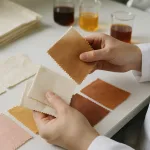
Major cultivation regions include India, China, Turkey, and the United States. These zones offer scalable options for buyers: farm-level traceability, robust certification programs, and direct-from-mill sourcing for custom fabric blends ranging from 20s/24s/32s combed ring-spun yarns to high-GSM fleece and twill applications. Wholesale partners commonly deliver via established supply chains equipped for bulk lab dips, Pantone shade matching, and batch control.
Growth Drivers
- Surging retail and promotional demand for sustainable products
- Competitive pricing as organic yields improve
- Stricter regulations on synthetic chemicals and labeling
- Improved yarn and fabric technologies offering soft handfeel and superior durability
Market Segmentation
Wholesale organic cotton clothing providers cater to diverse industries: fashion brands, sports teams, corporate programs, uniform solutions, and private label resellers. Segment-specific technical requirements often shape sourcing—athletic programs demand moisture-wicking and UPF finishes, while corporate buyers prioritize fit consistency and logo embellishment.
Key Considerations for Wholesale Buyers
Sourcing wholesale organic cotton clothing involves balancing quality, compliance, budget, and brand goals. Every decision—from yarn selection to garment finishing—impacts long-term performance and consumer trust. Below, explore crucial factors to assess before placing orders.
Fabric Quality & Certification
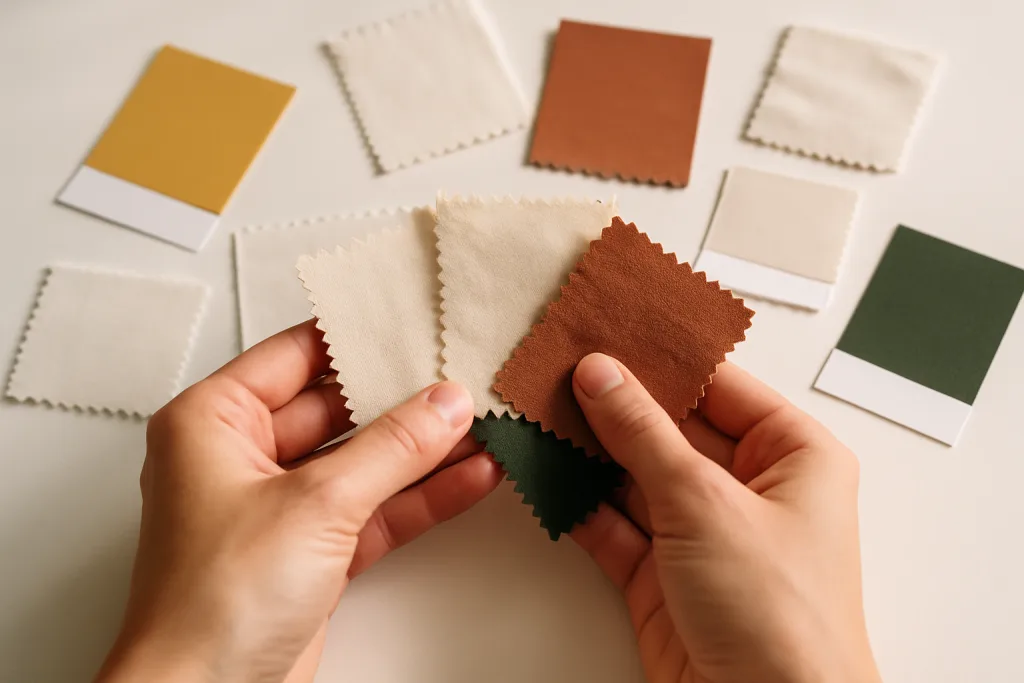
Verify fiber content and certification before committing. GOTS certification guarantees fully organic journey from farm to finished garment, including permitted dyes and trims. OEKO-TEX STANDARD 100 [source](https://www.oeko-tex.com/en/our-standards/standard-100-by-oeko-tex) offers assurance for non-toxic processing. Bulk suppliers often document traceability and maintain shade bands for color consistency across orders.
Construction Methods
- Knits: Choose single jersey (160–200 gsm) for tees, pique or interlock (200–240 gsm) for polos, French terry/fleece (280–360 gsm) for sweatshirts.
- Wovens: Twill and poplin for pants, jackets, casual shirts; typical gsm ranges from 140–240.
- Consider fabric relaxation, marker setup, and grainline control to minimize shrinkage and skew after washing.
Finishes & Performance
Opt for moisture-wicking, UV/UPF, anti-odor, or stain-release treatments if targeting activewear or hot climates. Request pre-shrink/compaction to control garment stability. Discuss options for soft peach finishes or brushed backs for superior comfort in lifestyle products.
Decoration Methods
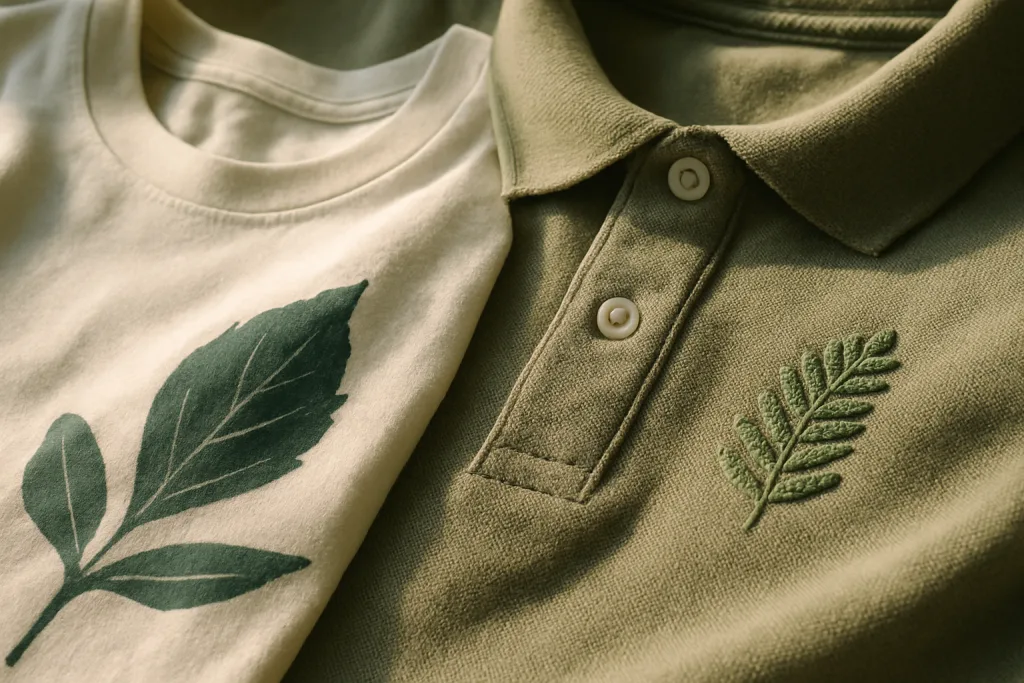
Bulk orders often involve branding—screen print (water-based/discharge preferred for handfeel), embroidery (standard or 3D/puff), DTG/DTF, or heat transfer. Each option differs in durability, vibrancy, and handfeel. Evaluate substrate compatibility: organic cotton is ideal for discharge and embroidery but requires extra colorfastness testing for dark prints.
Quality Control & Testing
- Inline and endline inspections: spec compliance, puckering/skew checks, and shade matching
- Apparel-specific testing: colorfastness (ISO 105), pilling resistance (ISO 12945), seam strength (ASTM D1683), dimensional change (AATCC 135)
- Third-party inspection possible for higher-value orders. Ask suppliers for AQL sampling protocols (ANSI/ASQ Z1.4)
MOQ, Lead Times, & Logistics
Negotiate minimum order quantities; typical ranges start at 300–500 pcs per style/color, but premium offerings or ODM programs may require more. Sample development (Proto → PP sample → TOP), bulk production, export packaging, and Incoterms (FOB, CIF, DDP) should be clarified upfront for predictable delivery.
Cost Structure Table
| Fabric/Finish | Properties | Best Use | Relative Cost |
|---|---|---|---|
| Combed Ring-Spun Jersey (GOTS) | Soft handfeel, stable color | Tees, polos, babywear | $$ |
| Organic Cotton Fleece | Warmth, brushed back | Hoodies, sweatshirts | $$$ |
| Pique Interlock | Textured, durable | Golf polos, uniforms | $$ |
| Twill Woven Organic | Strong, wrinkle-resistant | Pants, jackets | $$ |
Top Products in Wholesale Organic Cotton Clothing
The wholesale organic cotton clothing segment offers a range of products tailored to consumer demands and business applications. Below are best-selling categories and their technical highlights.
T-Shirts
Organic ring-spun cotton tees (160–180 gsm) are mainstays in retail, promotional, and team programs. Buyers choose single jersey or fine rib knits; request side-seam construction for consistent fit, and double-needle ISO 301 hems for enhanced durability. Pre-shrunk and compaction-finished options minimize wash shrinkage.
Polo Shirts
Pique or interlock polos (190–220 gsm) excel in team, golf, and uniform segments. Popular attributes include rib collar attachment, coverstitch hems, and chest embroidery. Organic polos with moisture-wicking and UV finishes address outdoor brands.
Hoodies & Sweatshirts
Brushed organic fleece (320–360 gsm) is standard for hoodies, offering warmth and a plush backer. Optimal assembly includes bartacked kangaroo pockets, flatlock seams (ISO 504 for low bulk), and reactive dyeing for rich shades. French terry alternatives (280–320 gsm) suit transitional seasons.

Pants & Shorts
Woven twill or poplin (140–180 gsm) pants merge strength, breathability, and eco-friendly provenance. Look for graded size sets, auto-cut markers, and durable seam types (ISO 401, 504). Shorts in lightweight jersey serve resorts or activewear.
Jackets
Lightweight organic cotton jackets with wind-resistant finishing and reinforced stitching feature in lifestyle and promotional kits. Customization options include branded hangtags, woven labels, and accessory control (nickel-free zippers, BSCI-compliant trims).
Decoration & Branding Examples
- Water-based screen prints for soft handfeel
- Direct embroidery or 3D puff embroidery for logos
- Eco-friendly care labels with ISO 3758 symbols
- Pantone-matched strikes offs for color approval
How to Partner with a Reliable Wholesale Supplier
Selecting and building a relationship with a dependable wholesale supplier of organic cotton clothing is a decisive step for business growth. Strategic partnerships deliver consistent quality, on-time logistics, and hassle-free compliance management.
Supplier Vetting Checklist
- Review certifications: GOTS, OEKO-TEX STANDARD 100, BSCI/WRAP/SEDEX audits
- Inspect sample quality: fabric GSM, construction, and embellishment work
- Assess lab dip and bulk color approval workflow
- Examine inline/endline QC protocols; request measurement tables and test reports
- Clarify MOQs, lead times, and payment terms
- Evaluate responsiveness and B2B communication (sampling, order tracking)
Case Study: Ninghow’s Approach
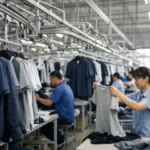
Ninghow exemplifies best practices in wholesale sourcing. As an established OEM/ODM manufacturer, Ninghow offers full-cycle support for organic T-shirts, polos, hoodies, pants, and promotional apparel. Their strengths include lab dip consistency, fit grading standardized via tech packs, and robust QC workflows ensuring each batch meets spec tolerances and color targets. By upholding certifications and leveraging automated sewing lines, Ninghow balances sustainability with reliable B2B service.
Negotiating Samples & Production
Start with proto samples reflecting desired spec—fabric, finish, decoration—progressing to PP samples approved for bulk. Communicate revisions clearly; utilize graded size sets and marker layouts for bulk consistency. Ensure that color shade bands and embellishment handfeel match expectations before final approval.
Contract & Compliance
Incorporate compliance specs in contracts: fiber certificates, lab test reports, and accessory provenance. Detail packaging (polybag specs, hangtags, carton marks), export labeling (barcode/UPC/EAN), and Incoterms for shipping. Review history of meeting AQL inspection rates and export readiness.
How to Source Wholesale Organic Cotton Clothing for Your Business
Navigating wholesale sourcing for organic cotton clothing requires precise planning, transparent supplier communications, and technical awareness. Begin by defining your product range (tees, polos, hoodies, etc.), required certifications, and performance standards. Vet reputable suppliers like Ninghow offering end-to-end OEM/ODM apparel manufacturing, leveraging their expertise in fit consistency, sustainable materials, and lab-dip shade control.
Action Steps for Wholesale Apparel Buyers
- List target SKUs by category, fabric, GSM, and finish
- Source samples for quality validation and compliance review
- Audit supplier capabilities: cutting, sewing line, QC, packaging
- Negotiate MOQs, pricing tiers, and Incoterms per seasonal or bulk requirements
- Confirm bulk color approval and batch control mechanisms
- Monitor order progress through PP sample → TOP workflow
Expert Takeaway
Wholesale organic cotton sourcing succeeds when buyers align quality standards with reliable supplier partnerships, leveraging lab dips, sample checks, and certified materials for every order.
Frequently Asked Questions
What certifications are essential for wholesale organic cotton clothing?
GOTS and OEKO-TEX STANDARD 100 certifications ensure organic origin, safe processing, and compliance with international standards. These underpin product credibility and regulatory acceptance.
How do I confirm color consistency in bulk orders?
Use lab dips, bulk strike-offs, and Pantone-matched shade bands to approve colors before production. Reputable suppliers maintain robust batch control to avoid shade variance across shipments.
What is a typical MOQ for wholesale organic cotton apparel?
Minimum orders often start around 300–500 pcs per style and color. Custom ODM projects may require higher MOQs depending on fabric and decoration complexity.
Can I request custom branding or prints on organic cotton garments?
Yes. Most wholesale suppliers offer water-based screen printing, embroidery (including 3D/puff), and heat transfer options tailored to organic substrates. Discuss artwork requirements in advance for best results.
Which technical features should I check in sample garments?
Assess fabric handle, stitch quality (e.g., ISO 301/401), seam finishing, shrinkage control, and decoration durability. Measurement tables and lab reports provide objective benchmarks.
How does Ninghow support sustainable wholesale apparel sourcing?
Ninghow utilizes certified organic cotton, advanced cutting/sewing equipment, and stringent quality control workflows to deliver eco-friendly, consistently crafted bulk apparel for B2B partners.
