


Finding the right clothing manufacturer in China can be the difference between launching a thriving fashion brand and facing costly production setbacks. Whether you’re a startup building your first line, a small brand scaling up, or an established retailer expanding to new categories, knowing how to find a clothing manufacturer in China in 2025 requires a strategic approach.
In this step-by-step guide, we’ll walk you through exactly how to find reliable Chinese manufacturers. From sourcing platforms like Alibaba to trade fairs and local sourcing agents, you’ll learn how to vet suppliers, avoid scams, and build long-term production partnerships tailored to your brand’s needs.
If you’re still researching potential partners, check out our list of top clothing suppliers in China for startups and brands or explore the best Chinese clothing brands you should know for inspiration.
Why Source Clothing Manufacturers in China in 2025?
China remains one of the world’s leading hubs for apparel manufacturing. Here’s why it continues to dominate:
- Wide range of products: From basics like T-shirts and hoodies to technical outerwear and swimwear.
- Competitive pricing: Especially for bulk orders or small-batch production from flexible factories.
- Established infrastructure: Robust logistics, textile ecosystems, and skilled labor.
- Experience with global clients: Familiarity with international quality standards and customization needs.
That said, finding the right factory—not just any factory—is essential.
Step 1: Define Your Clothing Production Needs
Before searching, clarify your production requirements:
- Product types: T-shirts, hoodies, shorts, activewear, etc. See our guide on 10 things to consider when choosing a clothing manufacturer to refine your decision.
- Target market: Mass-market, boutique, premium, etc.
- MOQ (Minimum Order Quantity): How many pieces per style or size? Learn more in how MOQ affects your clothing business – and how to negotiate it.
- Customizations needed: Printing, embroidery, labeling, packaging.
- Material preferences: Organic cotton, recycled polyester, etc.
Being clear from the beginning helps filter manufacturers that fit your scope.
Step 2: Explore Sourcing Channels

There are several reliable ways to connect with clothing manufacturers in China. Each has its pros and cons.
1. Alibaba and Online Marketplaces
Best for: Broad initial research and reaching out to many suppliers quickly.
- Use filters to narrow by “Verified Supplier” or “Trade Assurance.”
- Look for manufacturers (not trading companies) with clear product focus.
- Compare MOQs, pricing, customization options, and sample availability.
Tip: Tip: Always request samples and test communication responsiveness. You can also explore the best B2B sourcing platforms to find clothing suppliers in China beyond Alibaba.
2. Trade Shows (In-person or Virtual)
Best for: Meeting suppliers face-to-face and inspecting product quality.
- Canton Fair (Guangzhou): One of the largest trade fairs in the world.
- CHIC (China International Clothing & Accessories Fair): Focused specifically on apparel.
Virtual options Virtual options are available if travel is not feasible. These events often provide matchmaking services. If you’re targeting Guangdong-based partners, read Guangzhou clothing manufacturers: what you need to know.
3. Sourcing Agents or Third-party Agencies
Best for: Brands that want local expertise and quality control.
- Agents help vet suppliers, manage sampling, and oversee production.
- Some work on a commission basis; others charge a flat fee.
Tip: Ensure agents are transparent and represent your interests—not the factory’s.
4. LinkedIn, WeChat, and B2B Networks
Best for: Building long-term relationships directly with factory owners.
- Join sourcing and apparel manufacturing groups.
- Connect with industry insiders, especially in textile hubs like Guangzhou, Dongguan, or Yiwu.
Step 3: Verify the Manufacturer’s Credibility

This is one of the most critical steps in the process.
Key Areas to Check:
- Business license and factory registration: Ask for documentation.
- Certifications: ISO, BSCI, WRAP, GOTS (if relevant to your product type).
- Production capabilities: Request factory tour videos or do a third-party inspection (see our factory visit checklist for vetting Chinese clothing manufacturers).
- Client references: Ask for previous clients (especially if they work with startups).
- Years in business: Established manufacturers often have better systems and quality control.
Red Flags:
- Vague answers or slow responses.
- Reluctance to provide samples or certifications.
- Unclear pricing or sudden price changes after quoting.
Step 4: Order Samples and Evaluate Quality
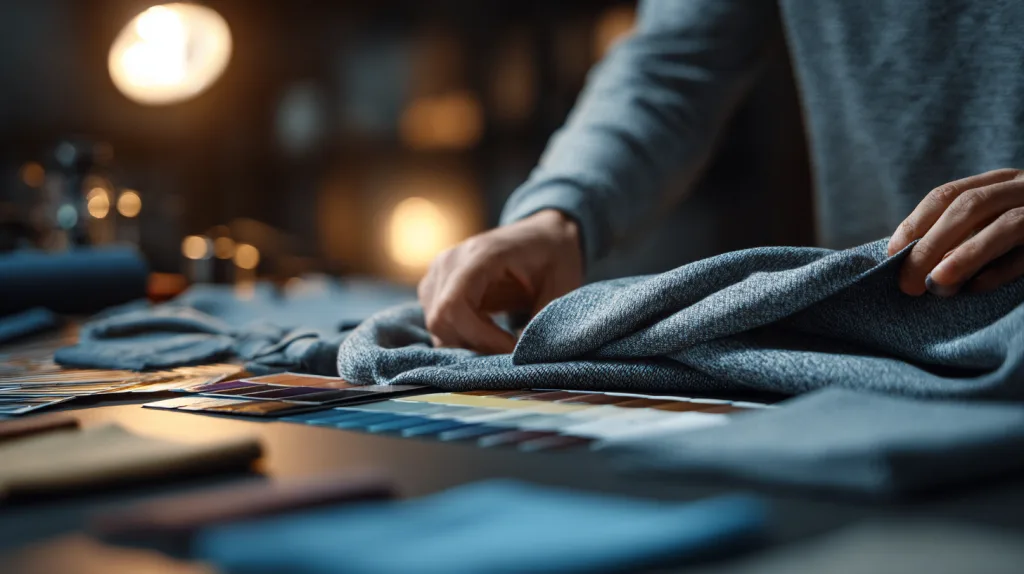
Never skip the sampling phase. It’s your chance to test:
- Fabric quality and durability
- Stitching consistency and construction
- Print or embroidery clarity
- Label accuracy and packaging standards
Pro tip:
Test wash and wear the sample before proceeding to bulk production. For more insights on the sampling process, see clothing manufacturing process explained (from design to delivery).
Step 5: Negotiate Terms and Understand the Contract
Before confirming your bulk order, align on:
- Pricing breakdown (unit cost, sample fees, shipping estimates) — read more in clothing manufacturing costs in China: what you’re really paying for.
- Lead time and production timeline
- Payment terms (often 30% upfront, 70% before shipping)
- Returns, rework, and refund policy
- IP protection clauses (especially if you’re sharing original designs)
Tip: Use bilingual contracts when possible. Consider having a lawyer review it. If MOQ terms are involved, revisit how MOQ affects your clothing business – and how to negotiate it.
Step 6: Start with a Trial Order
It’s smart to begin with a smaller run before committing to a large batch.
- Use this order to assess production speed, communication, and final product quality.
- Provide clear tech packs and specification sheets.
- Stay in close contact during the entire production run.
If the trial goes smoothly, you can scale up confidently.
Step 7: Build a Long-term Manufacturing Relationship
Once you’ve found a great clothing manufacturer in China, nurture the relationship.
- Pay on time and communicate clearly.
- Provide feedback respectfully and consistently.
- Visit the factory in person (or send a quality inspector) as you grow.
Loyal manufacturers often prioritize repeat clients for faster production slots and better pricing. You can also expand your network by exploring top clothing suppliers in China for startups and brands.
Final Tips for Sourcing Success in 2025
- Use video calls to build trust early on.
- Leverage sourcing platforms beyond Alibaba — like the best B2B sourcing platforms to find clothing suppliers in China.
- Look for flexible MOQ factories if you’re just starting out.
- Work with specialists like Ninghow who understand startup needs.
If you’re still new to the production journey, check out our clothing manufacturing process explained (from design to delivery) and 10 things to consider when choosing a clothing manufacturer before making your final choice.
