


Why Fabric Choice Matters for Business Polos
Picking the best fabric for business polos shapes how your staff feels, looks, and performs at work. The right material impacts comfort during long hours, professional appearance, and even your maintenance costs. For buyers handling corporate uniforms or team apparel programs, fabric selection is not just a style issue—it directly affects brand image and daily performance.
Main Fabric Types for Work Polos

The two most common fabrics for business polos are cotton and polyester. Some manufacturers blend these materials to balance their strengths. Understanding what each offers will help you make the right call for your organization.
Cotton Polo Shirts
Cotton is natural, soft, and highly breathable. Premium varieties, like combed cotton or ring-spun cotton, feel smooth and resist pilling. Combed cotton with 20s, 24s, or 32s yarn gives different weights—from lightweight to heavier, more structured shirts. Organic cotton (certified by GOTS) appeals to eco-conscious companies. Cotton polo knits, especially pique, are popular for their classic texture and ability to hold shape.
Advantages of Cotton
- Comfort: Gentle on skin, ideal for all-day wear.
- Breathability: Allows air flow, reducing sweat build-up.
- Absorbency: Wicks moisture naturally, though can get damp after heavy activity.
- Sustainability: Available in organic options.
Challenges of Cotton
- Wrinkling: Tends to wrinkle after washing unless treated.
- Shrinking: Can shrink if not preshrunk or compacted during manufacturing.
- Color fading: Prone to fading after repeated washes, especially dark shades.
Polyester Polo Shirts
Polyester is synthetic, built for durability, and often engineered for performance features. Recycled polyester (rPET) offers a sustainable edge. Most polyester polos use single jersey or interlock knits, sometimes blended with elastane for extra stretch.
Advantages of Polyester
- Moisture-wicking: Dries fast, ideal for active jobs or outdoor teams.
- Shape retention: Doesn’t shrink or lose form easily.
- Wrinkle resistance: Maintains crisp look with minimal care.
- Color stability: Holds dyes well, keeping colors vivid wash after wash.
Challenges of Polyester
- Feel: Can be less soft; modern processing like peach finish improves comfort.
- Odor: May retain smells unless treated with antimicrobial finishes.
- Sustainability: Virgin polyester is petroleum-based; recycled versions mitigate this.
Cotton vs. Polyester Polo Shirts: A Direct Comparison
| Fabric | Comfort | Breathability | Maintenance | Best Use Scenarios |
|---|---|---|---|---|
| Cotton (Pique, Jersey) | Very soft, gentle on skin | Excellent | Medium; requires ironing | Office staff, luxury uniforms, casual business |
| Polyester (Interlock, Jersey) | Smooth, less plush | Good; engineered for moisture-wicking | Low; easy care, machine washable | Sales teams, outdoor staff, active work settings |
| Cotton-Polyester Blend | Soft with improved durability | Balanced | Low; less wrinkling/shrinking | All-purpose business, high-rotation uniforms |
Fabric Finishes and Performance Treatments
Modern work polos benefit from advanced fabric finishes. These add real value—helping clothes feel better, last longer, and look sharper. Ninghow, for example, applies pre-shrink treatments and moisture-wicking finishes, ensuring polos keep their size and comfort through frequent washing. Antimicrobial or anti-odor finishes keep uniforms fresh, especially important for teams on the move.
Popular Performance Enhancements
- Moisture-wicking (draws sweat away, helps quick drying)
- Anti-odor/antimicrobial (limits bacteria growth for freshness)
- UPF protection (guards against ultraviolet rays outdoors)
- Stain release (easier to wash out spills and marks)
- Pre-shrunk/compaction (prevents size changes after washing)
Choosing the Right Knit Structure
Polo shirts are usually produced with pique, jersey, or interlock knits. Pique is textured and robust, jersey is lightweight and smooth, while interlock provides a soft, dense feel. For high-turnover staff programs, choose interlock or jersey for easier embroidery or prints. For premium business polos, a fine pique gives a classic, upscale look.
How to Choose the Best Polo Fabric for Work
Start by matching the shirt to its intended use. List out the daily environment—office setting, field work, or trade shows. Think about how often polos will be washed. Will staff work indoors or outdoors, sit at desks, or move around all day?
Key Selection Criteria
- Comfort Level — Always prioritize skin feel, as employees wear these for extended periods.
- Breathability — Critical for warm offices or active roles.
- Care & Maintenance — If you need easy laundering, polyester or blends reduce staff workload.
- Appearance & Color Retention — Vivid, lasting colors reflect your brand’s professionalism.
- Price & Durability — High-use uniforms benefit from blended fabrics for balanced cost and replacement cycles.
Choosing the GSM (Weight) and Yarn Type
The grams per square meter (GSM) affects the handfeel and performance. For polos, 180–220 gsm hits the sweet spot—heavy enough to drape well but still breathable. Lighter jerseys (160–180 gsm) suit summer or promotional events; heavier piques (200–240 gsm) deliver luxury and structure for corporate wear. Yarn type matters too—ring-spun or combed yarns create a smoother, stronger fabric with fewer imperfections.
Sustainability Considerations
Eco-friendly options—such as GOTS-certified organic cotton or recycled rPET polyester—are increasingly popular with modern corporations. These not only support environmental goals but also boost brand reputation among employees and clients.
Practical Manufacturing Details
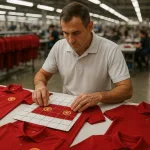
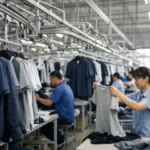
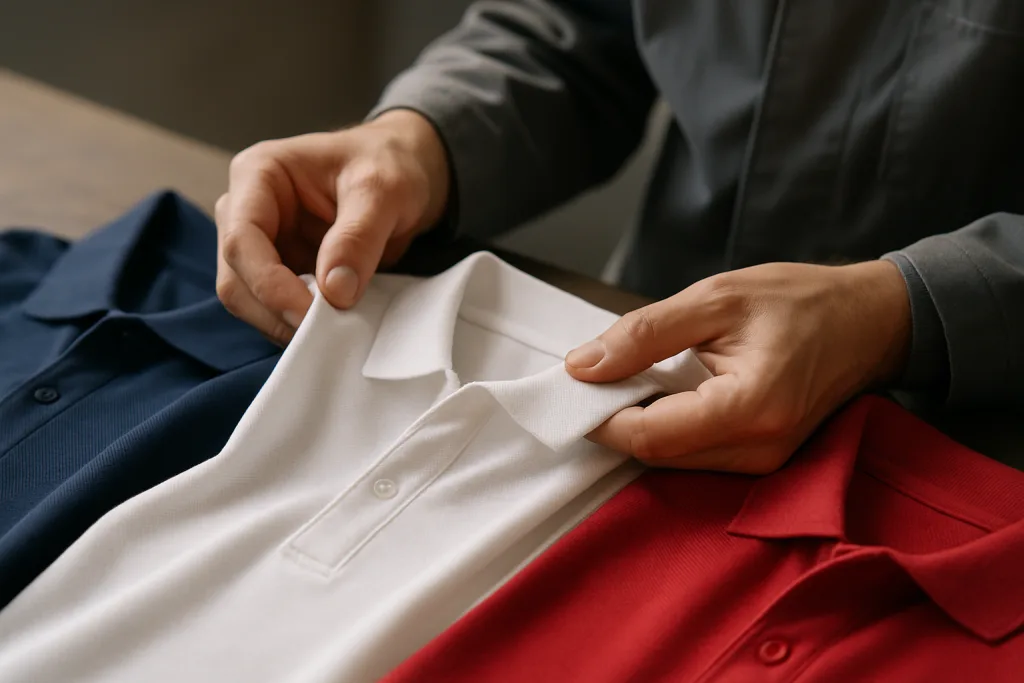
Reliable fit, color consistency, and decoration quality are shaped by the manufacturing process. For uniform buyers, working with experienced suppliers like Ninghow ensures precise pattern grading, tight measurement tolerances, and dependable batch control.
Pattern & Cutting
- Tech packs map out exact sizing, style, and details.
- Auto-cutters ensure bulk consistency; manual notching marks collars, plackets, and sleeves.
Sewing & Assembly
- Collars are attached using rib knits for snap and stretch.
- Bartacks reinforce stress points; coverstitch hems add durability.
- ISO-standard stitches (like 301 lockstitch) keep seams neat.
Decoration Methods
- Screen printing (water-based or discharge) delivers soft logos.
- DTG or DTF works for polyester blends.
- Embroidery adds dimension but may affect fabric stretch.
Quality Assurance
Each batch undergoes inline checks for puckering, skew, and proper spec. Needle detection finds stray metal fragments, and All Quality Levels (AQL) protocols catch defects before shipment. OEKO-TEX STANDARD 100 certification assures the absence of harmful chemicals in main fabrics and trims.
Color Management & Uniform Consistency
Color matching is critical for brand identity. Lab dips test dyes against Pantone codes before bulk production. Bulk color approval and strike-offs ensure samples match final shipment. For multi-location rollouts, shade bands and batch control keep uniforms visually aligned. Corporate buyers should request lab records and wash tests to guarantee stability over time.
Care, Maintenance, and Longevity
Ease of care often decides which fabric is best for work polos. Cotton needs more attention—folding, ironing, and gentle detergents preserve its look. Polyester and blends, on the other hand, resist stains and wrinkles, making them easy to wash and quick to dry.
Recommended Care Instructions
- Wash cold with like colors to avoid bleeding
- Turn garments inside out before washing, especially for printed or embroidered styles
- Hang dry or tumble low to preserve shape
- Avoid strong bleach, which fades color and weakens fibers
Understanding Uniform Life Cycle
The best fabric for business polos balances upfront cost with long-term durability. Polyester or blended polos typically outlast pure cotton styles under high-frequency wear—ideal for large teams or high-rotation settings. Track uniform performance yearly to assess reorder timelines and replacement cycles.
Sourcing and B2B Apparel Service
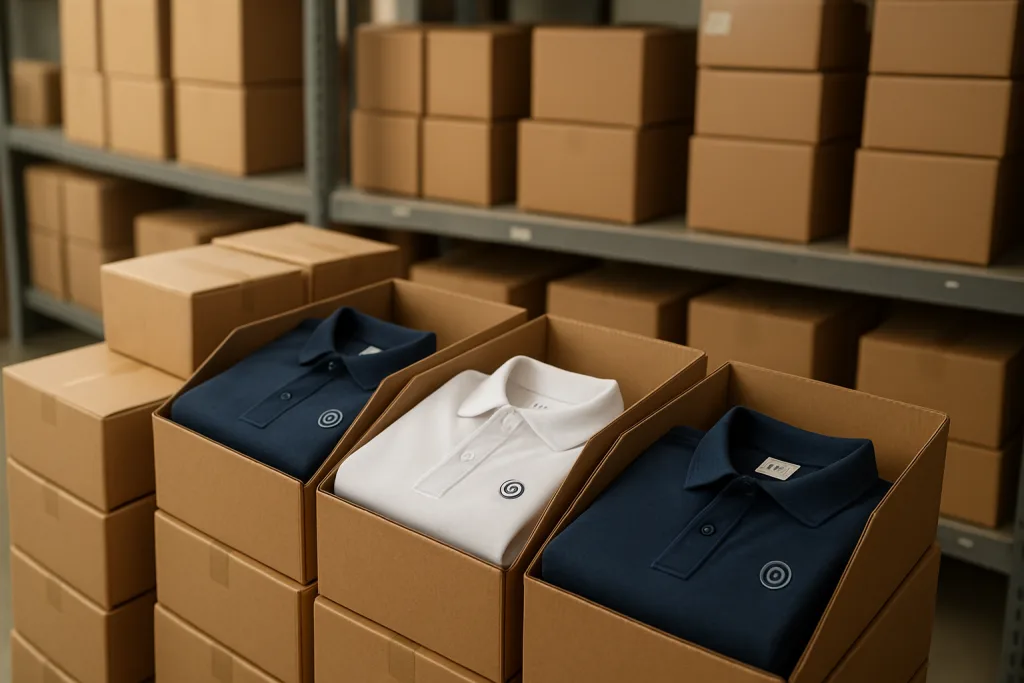
If your business or institution needs custom polos, work with a supplier who understands the connection between technical detail and reliable outcomes. Ninghow offers OEM and ODM solutions with tight control over quality, fit, and sustainability—crucial for corporate apparel programs where consistency matters. Request sample, pre-production, and top-of-production samples to avoid surprises. Check for compliance certifications, such as OEKO-TEX, GOTS, and social audits like BSCI or SEDEX.
Logistical Best Practices
- Plan for size ratio packs to match team demographics
- Specify export packaging and carton marking
- Set clear Incoterms (FOB, DDP, etc.) to avoid shipping missteps
Frequently Asked Questions
What is the most comfortable fabric for work polo shirts?
Combed cotton or premium blended fabrics offer the softest feel for all-day comfort in business polos.
Which fabric is best for breathability in corporate uniforms?
Cotton and lightweight blends provide excellent air flow, keeping staff cool in warm environments.
How do I avoid shrinking and fading in uniform polos?
Choose pre-shrunk cotton or polyester blends; follow care instructions and use gentle detergents to protect color.
Are recycled polyester polos suitable for business use?
Yes, recycled polyester polos combine durability and sustainability, making them ideal for green-conscious companies.
What is GSM, and why does it matter for polo shirts?
GSM means grams per square meter—higher GSM means thicker polos, which affects comfort and durability.
Should I choose embroidery or printing for my company logo?
Embroidery creates a premium look on heavier polos; printing suits lighter fabrics and intricate designs.
