




Introduction: Understanding Sustainable Fashion Consumer Trends
The fashion retail landscape is evolving rapidly as consumers demand more than just style and comfort—they seek purpose and responsibility. How Sustainability Drives Consumer Choices in Fashion Retail reveals how ethical manufacturing, transparency, and eco-friendly materials shape modern purchasing behavior.
From New York to Shanghai, fashion buyers are asking: Who made my clothes? and What impact does my purchase have on the planet? These questions define a new generation of consumers—value-driven, eco-conscious, and socially aware.
In this article, we explore why sustainable fashion is not just a passing trend but a fundamental shift in global retail strategy.

Why Consumers Prefer Sustainable Fashion
Consumers increasingly view sustainability as a marker of quality, authenticity, and trust. Research from McKinsey & Co. indicates that over 67% of shoppers now consider sustainability before making a purchase.
Environmental Awareness and Transparency
Climate change and pollution awareness are reshaping buying decisions. Shoppers today expect traceability—from raw materials to finished garments. When brands disclose carbon footprints, water usage, or recycling efforts, consumers reward them with loyalty.
Ethical Manufacturing and Fair Labor
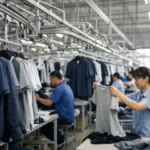
Beyond fabrics, modern consumers want assurance that garments are produced under ethical working conditions. Transparency in sourcing, worker welfare, and wages drives consumer confidence.
The Growing Importance of Supply Chain Ethics
Fashion retailers who partner with verified sustainable manufacturers—like Ninghow —gain access to certified eco-friendly materials and transparent production audits, which strengthen their credibility.
Emotional Connection and Brand Loyalty
Consumers align their identities with brands that mirror their values. By wearing sustainable apparel, they express personal responsibility—a powerful emotional driver that converts first-time buyers into long-term advocates.
The Role of Organic Cotton in Eco-Friendly Fashion
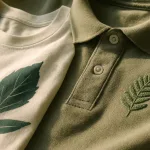
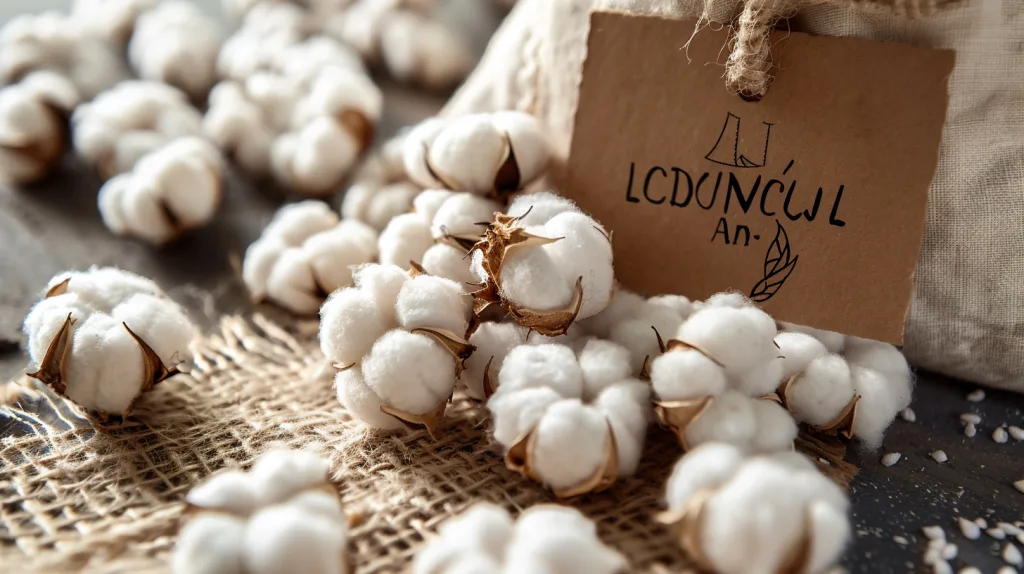
Organic cotton is more than a material choice—it’s a commitment to circular sustainability. It minimizes environmental impact, supports farmers, and ensures garments are both durable and toxin-free.
What Makes Organic Cotton Truly Sustainable
Unlike conventional cotton, organic cotton avoids harmful pesticides and genetically modified seeds. This not only protects soil health but also conserves biodiversity.
The Difference Between Organic and Conventional Cotton
| Aspect | Organic Cotton | Conventional Cotton |
| Farming Method | Non-GMO, pesticide-free | Uses synthetic chemicals |
| Water Usage | 80% rain-fed | High irrigation demand |
| Soil Health | Preserved and regenerative | Degraded due to chemicals |
| Certification | GOTS, OEKO-TEX | Often unverified |
Consumer Trust and Label Certifications
Certifications build trust and enable informed decisions. Consumers rely on credible labels to identify authentic sustainable products.
GOTS, OEKO-TEX, and BCI Explained
- GOTS: Guarantees 95% organic fibers and strict environmental standards.
- OEKO-TEX: Tests for harmful substances ensuring fabric safety.
- BCI: Encourages sustainable cotton farming practices.
Retail Strategies for Sustainable Apparel Brands
Retailers must transform sustainability from a marketing buzzword into a core business strategy.
Integrating Sustainability Into Product Design
Sustainable design starts at the concept stage—choosing low-impact fabrics, minimizing waste, and designing for durability.
Life-Cycle Thinking in Fashion Development
Brands can reduce waste by adopting cradle-to-cradle design, where materials are recyclable and biodegradable at the end of their life cycle.
Communicating Sustainability to Consumers
Transparency in storytelling is key. Highlighting sourcing details and social impact fosters brand credibility.
Greenwashing vs Genuine Transparency
Avoid vague claims like “eco-friendly.” Instead, share quantifiable data—carbon offsets, water saved, or certifications earned.
Leveraging Data and AI in Eco-Driven Retail
AI tools now analyze consumer behavior to predict demand, optimize inventory, and reduce unsold stock—creating a win-win for sustainability and profitability.
Case Examples of Brands Leading in Organic Cotton Clothing
Patagonia: The Pioneer of Ethical Outerwear
Patagonia’s “Don’t Buy This Jacket” campaign encouraged conscious consumption—proof that honesty builds trust.
H&M Conscious Collection: Scaling Sustainability
Despite fast fashion roots, H&M invests in circular design and organic cotton sourcing to align with eco-aware consumers.
Ninghow: B2B Excellence in Organic Cotton Manufacturing
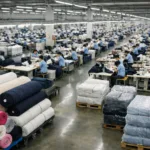
As a trusted B2B clothing manufacturer, Ninghow helps global brands source responsibly.
Supply Chain Optimization for Eco-Sourcing
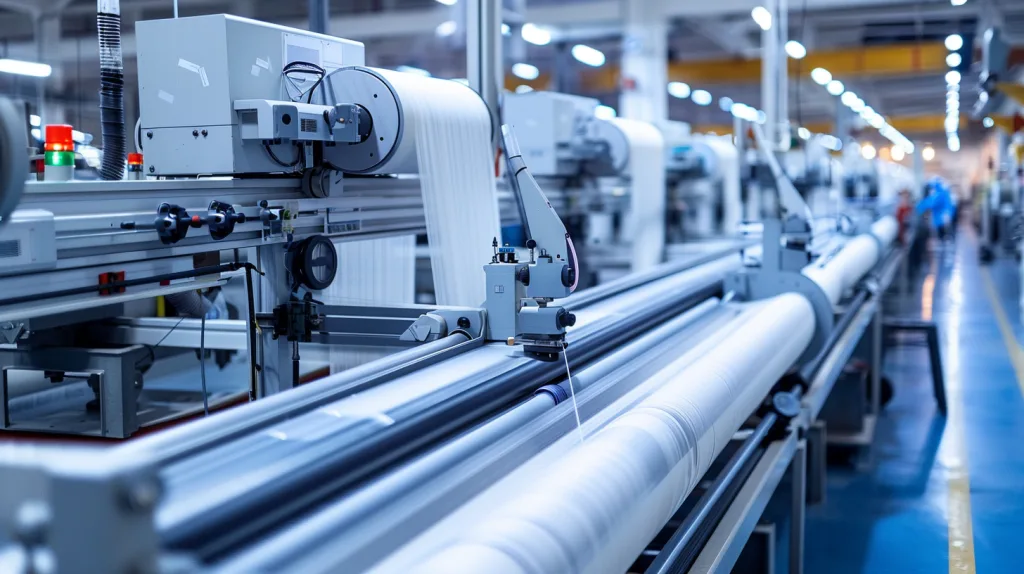
Ninghow integrates digital production tracking, ethical audits, and low-waste fabric cutting—empowering retail brands to meet sustainability goals without compromising quality.
Market Insights: Chinese Consumers and Sustainable Fashion
China’s fashion consumers are rapidly adopting eco-conscious values. Surveys reveal that over 70% of Gen Z shoppers prefer brands that demonstrate environmental responsibility.
How Cultural Shifts Influence Purchase Intent
Traditional Chinese philosophies like “天人合一” (harmony between humans and nature) align naturally with sustainability. This cultural foundation accelerates acceptance of eco-friendly fashion.
Gen Z’s Sustainability Expectations
Young Chinese consumers value transparency, digital storytelling, and social impact. They expect brands to act, not just advertise.
Social Media’s Role in Driving Awareness
Platforms like Weibo, Xiaohongshu, and Douyin amplify green trends—transforming awareness into measurable retail sales.
Future Outlook: How Sustainability Will Continue to Drive Fashion Retail
Technology and Circular Fashion Models
The future lies in closed-loop systems—where clothes are designed to be recycled, resold, or upcycled.
Predictions for 2030: Consumer-Driven Responsibility
By 2030, sustainability will no longer be a differentiator—it will be a baseline expectation. Brands that fail to adapt risk losing relevance in a conscious market.
FAQs About Sustainable Fashion Consumer Trends
Q1: What motivates consumers to buy sustainable fashion?
A: Ethical transparency, product quality, and environmental concern are the main drivers.
Q2: How can retailers verify sustainable claims?
A: Through third-party certifications like GOTS, BCI, and OEKO-TEX.
Q3: Is organic cotton better for the environment?
A: Yes, it reduces chemical pollution and supports biodiversity.
Q4: How does AI support sustainable fashion retail?
A: AI predicts demand, minimizes waste, and optimizes sourcing.
Q5: What are common signs of greenwashing?
A: Vague eco-claims without data, missing certifications, or misleading labels.
Q6: How can brands engage Chinese eco-conscious consumers?
A: Use social media storytelling, emphasize cultural values, and offer certified sustainable products.
Conclusion: Turning Consumer Insights into Brand Action
Sustainability has evolved from a trend into a strategic imperative. Understanding how sustainability drives consumer choices in fashion retail empowers brands to align values with profitability.
For manufacturers like Ninghow, this means building transparent, efficient, and ethical production networks—bridging the gap between consumer expectations and retail reality.
As the next decade unfolds, sustainability won’t just drive consumer choices—it will define the future of global fashion.
