




Why Custom Polo Shirts Are a Top Choice for Branding
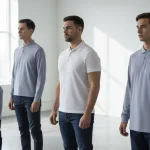
Custom polo shirts have become a staple for businesses, teams, clubs, and schools. Their timeless look and versatility make them perfect for modern branding. When people wear matching polos, it gives a professional impression and helps teams look unified. A logo on a polo boosts brand recognition, making groups stand out everywhere they go.
Thinking about designing your own custom polo t-shirt with a logo? This process lets you choose colors, styles, and details that reflect your brand’s unique personality. In this guide, you’ll follow step-by-step advice on how to create a custom polo that fits your needs and delivers lasting impact.
Step 1 — Define Your Purpose & Style Direction
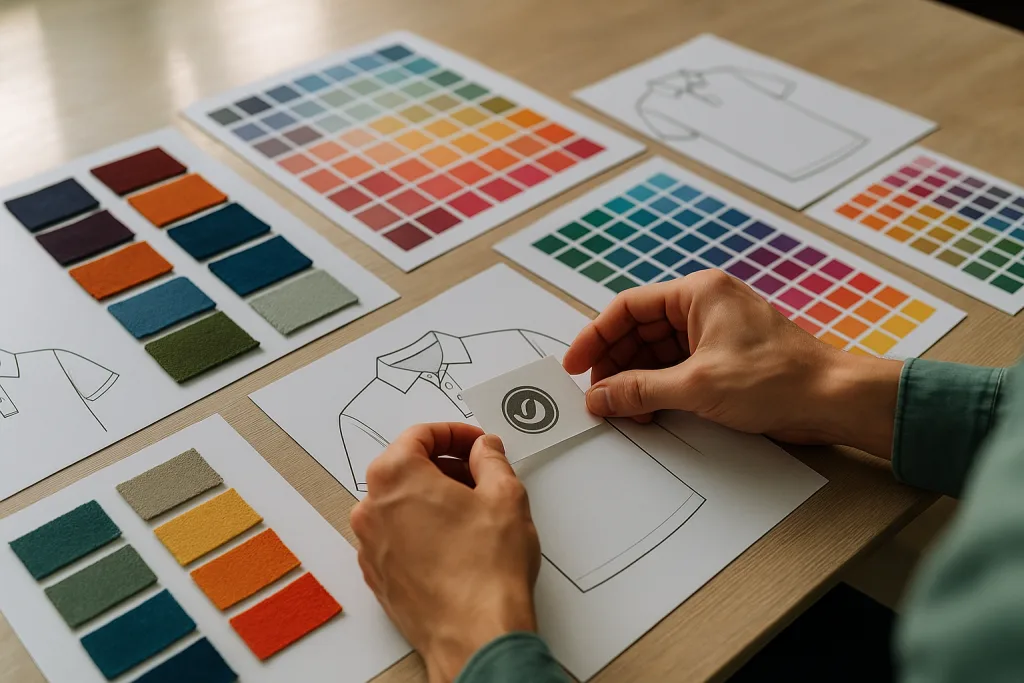
Identify Where Your Polo Will Be Used
- Corporate Events: Custom polos provide a smart look for brand staff at expos or meetings.
- Teamwear & Sports Clubs: Matching polos increase team spirit and create a unified appearance.
- Schools & Universities: Class polos and club shirts encourage belonging and pride.
- Retail Brands: Start-ups and fashion brands use unique polos for collections.
- Promotional Campaigns: Custom shirts are ideal for giveaways and marketing pushes.
Choose Your Design Direction
- Minimalist: Clean lines and subtle logos for a modern look.
- Modern Sporty: Dynamic color blocks and performance fabrics.
- Classic Preppy: Traditional collars and striped accents.
- High-Contrast: Bold colors and standout logo placements.
- Advanced Customization: Unique patterns, piping, or mixed-media design elements.
Step 2 — Choose the Right Polo Shirt Fabric
Comparing Fabric Types for Custom Polo Shirt Design
| Fabric | Main Properties | Best Use Case |
|---|---|---|
| Cotton (Combed/Ring-Spun; 20s/24s/32s) | Soft, breathable, natural feel; 180–220 gsm for polos | Corporate wear, team uniforms, premium retail |
| Polyester (rPET/Standard) | Moisture-wicking, durable, quick-dry; 180–220 gsm | Sports, outdoor, humid climates (India/Malaysia) |
| CVC (Chief Value Cotton) | Cotton-poly blend, balance between soft handfeel and easy care | School programs, promotions, entry-level brands |
| Blends (Cotton/Elastane, Modal/Viscose) | Stretch, drape, optimized comfort | Athletic polos, body-fit styles |
Fabric Selection Details
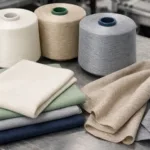
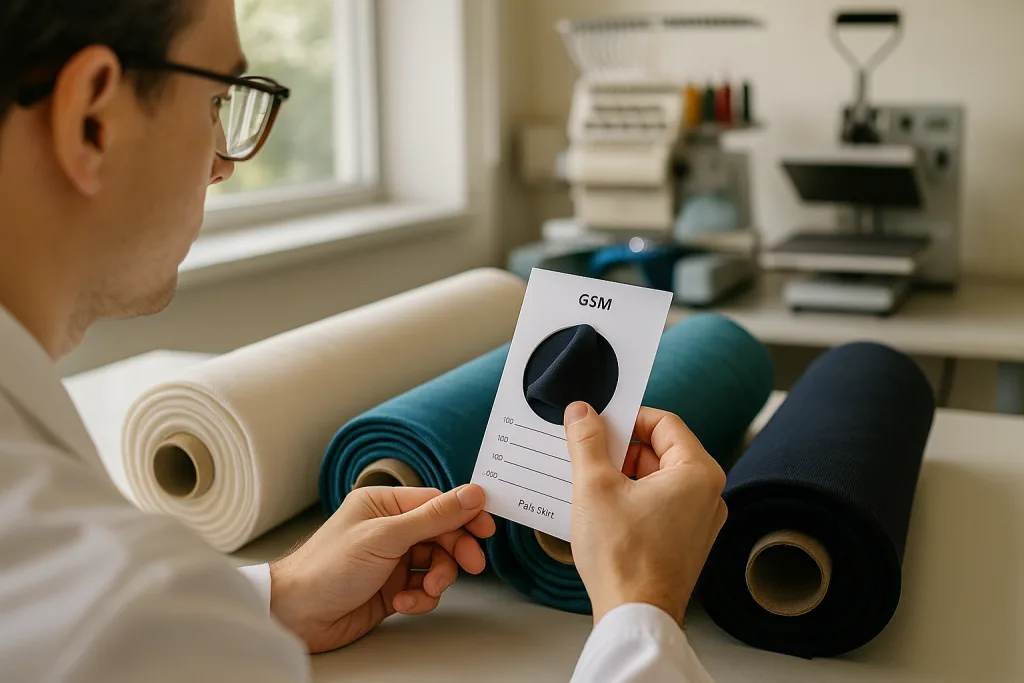
Polo shirts usually use fabrics between 180gsm and 220gsm. Lower GSM feels lighter but less substantial, while higher GSM offers thicker drape and greater durability. Cotton is favored for its breathability and comfort. Polyester and CVC blends are ideal for warmer regions like India and Malaysia because they wick moisture and stay bright after many washes.
- Best for Printing: Smooth combed cotton or CVC, 180–200gsm, supports crisp prints and heat transfers.
- Best for Embroidery: Pique knit, 200–220gsm. Strong base minimizes warping and puckering.
- Special Climates: In humid countries, polyester is preferred for its dry feel and easy care.
Step 3 — Select Your Polo Shirt Base Style
Collar Types
- Flat Knit Collar: Smooth, classic look; easy for branding.
- Ribbed Collar: Textured, holds its shape over time.
- Button-down Collar: Formal feel; stands out in preppy styles.
Fit Types
- Classic Fit: Straight cut, suits most body types.
- Slim Fit: Tapered sides, modern and flattering.
- Athletic Fit: Extra room in shoulders and arms for movement.
Sleeve Options
- Short Sleeve: Standard, most popular for team and event polos.
- Long Sleeve: Used for cooler climates, fashion collections.
Custom Add-Ons
- Contrast Collar: Mixed colors for distinct style.
- Piping: Thin lines along seams for detail.
- Stripes, Color-Block Patterns: Modern retail features.
- Side Slits: Comfort and movement.
Step 4 — Plan Your Logo Placement & Size
Popular Logo Placements
- Left Chest: The classic spot for instant recognition.
- Right Chest: Alternate for dual branding (sponsor or team).
- Sleeve: Great for events, add-ons, club details.
- Back Neck: Discreet branding, perfect for teams.
- Full Back: Large and clear; best for promo events.
Choosing Logo Size
- Width for Chest Logo: 2.5–3.5 inches (6–9cm) for best balance.
- Embroidery: Stay under 4 inches wide to avoid bulk.
- Screen/DTF Printing: Up to 8–10 inches for full-back designs.
Step 5 — Choose the Best Logo Application Method
Embroidery — The Premium Choice
- Use When: You want texture, durability, and a high-end look.
- Pros: Long-lasting, rich color, suits team and corporate polos.
- Cons: Higher price, best for simple logos.
Screen Printing
- Pros: Vibrant colors, works well on cotton/CVC, cost-effective for bulk.
- Cons: Less detail, may crack with frequent washing.
DTF Printing
Direct-to-film printing supports sharp and colorful images; ideal for small batches and multi-color graphics.
Heat Transfer Vinyl
Perfect for names or initials on sleeve or back. Offers a clean, glossy finish.
Sublimation (For Polyester Polos)
Used for full-body prints and creative gradations, especially in sports polos.
Step 6 — Use a Custom Polo Shirt Design Tool (or Work With a Manufacturer)
Features of a Good Design Tool
- Color palette selection
- Logo upload and resizing
- Live mockups so you can see the result instantly
- Size and fit previews
- Logo positioning guides
Working With a Manufacturer
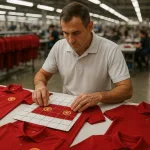
If you prefer professional help, clothing manufacturers like Ninghow bring deep expertise. They handle fabric sourcing, create tech packs, and produce samples before bulk manufacture. They can match Pantone colors and give suggestions if you’re unsure. You’ll have access to bulk options, consistent sizing, and custom trims as needed.
Step 7 — Finalize Colors, Sizes & Bulk Order Details
Choosing Colors
- Solid Colors: Easy matching, widely available.
- Two-Tone: Contrasting collars or sleeves for extra impact.
- Sponsor Color Matching: Precise shades using Pantone standards.
Size Range
- Standard S–XXXL: Fits most adults.
- Custom Size Charts: Perfect for teams, schools, or special requests.
Bulk Order Benefits
- Lower price per shirt
- Greater color/shade consistency
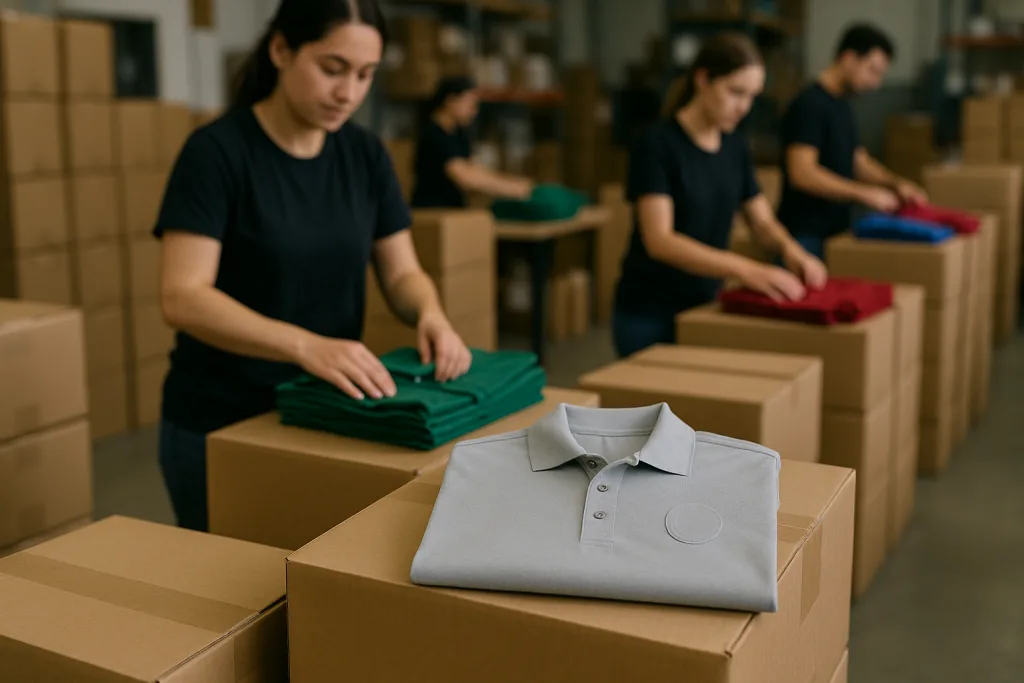
- High-quality embroidery and print yields
Custom Polo T-Shirt Design Examples
Minimal Corporate Polo Shirts
Soft neutral colors, subtle logos on the left chest, and premium buttons create a refined look.
Sport Team Polo Shirts With Contrast Panels
Panels in dynamic colors, bold team logos, and moisture-wicking fabric make these ideal for athletic groups.
Creative Retail Brand Polo Shirts
Mix color-blocks, fabric textures, and oversized embroidery. Adds unique capsuled value to a new collection.
Regional Polo Shirts: India & Malaysia
- India Trends: Vibrant reds, oranges; block prints and geometric patterns; lightweight cotton for summer.
- Malaysia Trends: Fresh aqua, green palettes; polyester base; digital sublimation prints and urban street-inspired graphics.
Tips to Make Your Custom Polo Shirt Stand Out
- Contrast stitching for visual pop
- Custom woven labels with brand story
- Metallic or 3D embroidery for a premium touch
- Premium buttons, trims and zipper pulls
- Include details that speak to your mission—like a motto or sponsor logo
Common Mistakes to Avoid
- Logo size is too big or too small for the area
- Low-resolution files that blur edges
- Choosing the wrong fabric for print vs embroidery
- Ignoring consistency in size and fit across orders
How to Order Custom Polo Shirts With a Manufacturer
What You Need to Prepare
- Logo files (AI, EPS, high-res PNG)
- Preferred colors, Pantone codes
- Fabric choice: cotton, polyester, or blends
- Size breakdown (per size, per gender if needed)
What a Reliable Manufacturer Provides
- Detailed mockups and layout guides
- Sample production before bulk order
- Inline and endline quality checks (AQL certified)
- Clear timelines for TOP samples and shipment
Ninghow delivers OEM/ODM service with experienced support, ensuring quality, fit, and reliable delivery for every custom project.
How Can I Design My Own Custom Polo T-Shirt With a Logo
Designing custom polo shirts is easy when you know the process. Choose your purpose and style direction, select the right fabric, and pick your base style. Plan the logo placement and choose the best application method. Use a design tool or connect with a professional manufacturer. Confirm colors and sizes, then place a bulk order for savings and consistency. With every decision, your brand’s identity grows stronger and your group looks united.
Frequently Asked Questions
Which is better — printing or embroidery?
Embroidery is preferred for durability and a high-end look; printing offers bold color and detail for creative designs.
Can I order low minimum quantities for custom polo shirts?
Yes, many manufacturers offer low MOQs, especially for DTF printing and small custom batches.
What file format do I need for my logo?
Vector formats like AI or EPS are best for embroidery; high-resolution PNG works for printing.
How long does production take for custom polos?
Production usually takes 2–6 weeks, including sample approval, depending on order size and complexity.
Can I match my brand’s colors exactly on the polos?
Yes, professional manufacturers use Pantone matching and lab dips to ensure accurate brand colors in bulk.
What should I check in my final polo shirt sample?
Review fit, logo placement, stitching, color, print detail, and check for quality before approving bulk production.
Expert takeaway: “A well-designed custom polo shirt is more than clothing. It’s a statement of unity and brand pride.”
Conclusion — Start Designing Your Custom Polo Today
Custom polo shirts give you control over every detail, from fabric to logo style. The process is straightforward and allows your team or brand to stand out stylishly and professionally. Ready to launch your own? Start your custom polo design project today!
