



Introduction to Hoodies and Sweatshirts: What Buyers Need to Know
Whether you’re stocking up for a retail shop or making a bulk order for an event, understanding hoodies and sweatshirts: what buyers need to know will set you apart. These popular garments are wardrobe staples that cater to broad audiences—teens searching for style, professionals seeking comfort, and brands wanting effective merchandise. In this comprehensive guide, we break down the structural differences, dive into fabric and weight, and tackle frequently asked wholesale questions. From personal experience in textiles manufacturing, small details make a massive difference in real-world usage and satisfaction. Let’s explore exactly what savvy buyers keep in mind before making decisions.
Key Structural Differences Between Hoodies and Sweatshirts
What Defines a Hoodie?
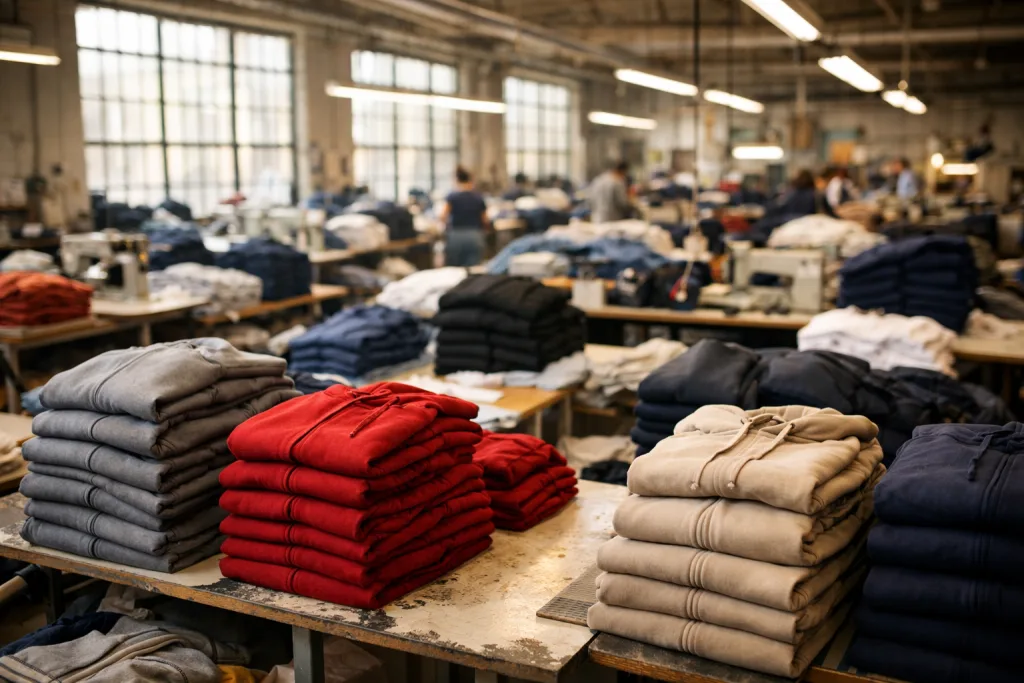
Hoodies feature a built-in hood, often adjustable with drawstrings, and frequently come with a kangaroo pocket. They tend to offer extra warmth and a casual, sporty look. The hood is their defining characteristic, distinguishing them from traditional sweatshirts.
What Splits a Sweatshirt from a Hoodie?
Sweatshirts omit the hood entirely and are generally pullover only, with no zipper. While some have pockets, most are simple in design—round necklines, ribbed cuffs, and waistband. They trend towards versatile wear: athletic, work, or lounge environments.
Comparing Pockets
Hoodies almost always have a front pocket, usually a kangaroo style. Sweatshirts typically have no pockets, though select fashion models may add side ones for aesthetics or utility.
Zipper vs. Pullover Options
Hoodies can be pullover or zip-up. Zip-up hoodies allow adjustments based on temperature and activity. Sweatshirts, traditionally, are pullover only, although creative tailoring has introduced zip-up varieties as well.
Fabric Options for Hoodies and Sweatshirts
Basic Cotton
The majority of classic styles use pure cotton or cotton-heavy blends for softness, breathability, and comfort. Cotton is durable and ideal for everyday wear.
Polyester and Blends
Polyester mixes improve durability, color retention, and reduce shrinkage. They’re excellent for printing custom logos and graphics and hold up well after frequent washing.
Specialty Fabrics: Fleece, French Terry, and More
Fleece-lined hoodies and sweatshirts increase warmth, making them ideal for cold climates. French terry offers mid-weight comfort with a subtle texture, while tri-blends provide a lightweight feel with added stretch and drape.
Understanding Fabric Weight (GSM)
What Is GSM?
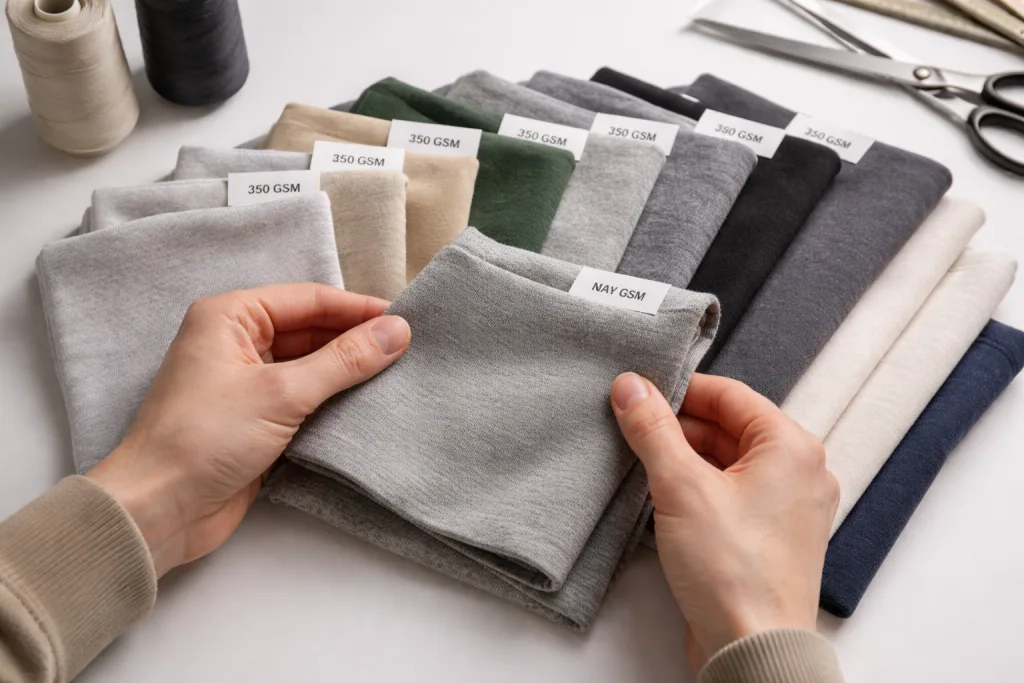
GSM stands for “grams per square meter”—a measure of fabric thickness and density. The higher the GSM, the heavier and warmer the garment feels.
Common GSM Ranges for Sweatshirts & Hoodies
Most sweatshirts and hoodies fall into the 240–400 GSM range. Lighter weights (240–300 GSM) work for spring and autumn, while heavier weights (350–400 GSM) suit winter or northern markets.
How GSM Affects Comfort and Use
Higher GSM means greater warmth but possibly less breathability. For sports use, lighter GSM is preferred, while for fashion or workwear, heavier options enhance structure and drape.
Popular Styles of Hoodies and Sweatshirts
Classic Pullover Hoodie
The go-to style, combining hood, kangaroo pocket, and ribbed details. Often selected in bulk for teams, shops, and branding programs.
Zip-Up Hoodie
This variation includes a full front zipper, offering flexible wear and easy layering over shirts. It’s increasingly popular for active and urban wear.
Basic Crewneck Sweatshirt
A time-honored classic with no hood or extra pockets. It’s perfect for layering and matches various fashion trends.
Oversized & Cropped Cuts
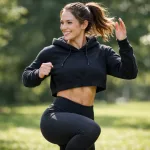
Fashion-forward buyers look for oversized fits or cropped styles, particularly for younger demographics and streetwear.
Common Applications: How Buyers Use Hoodies and Sweatshirts
Custom Branding and Merch
Hoodies and sweatshirts are king for screen printing, embroidery, and custom labels. High street brands, bands, and startups leverage these canvases for style and marketing.
Uniforms and Team Apparel
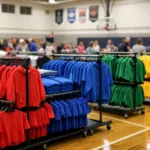
Schools, sports teams, and organizations frequently order bulk hoodies/sweatshirts with custom colors and logos for unity and visibility.
Retail Sales and Private Labels
Small shops and boutiques source trendy styles, aiming for unique colorways, cuts, or sustainable blends to set themselves apart in competitive markets.
Factors that Impact Hoodie & Sweatshirt Quality
Stitching & Seams
Strong stitching—particularly at cuffs, neckline, and pockets—ensures long-term durability. Look for double-stitching in high-wear zones.
Ribbing & Finish
Premium ribbing at wrists and waist keeps shape after washing. Check for consistent rib density and elasticity.
Colorfastness
Factories with advanced dye technology offer garments that resist fading and maintain vibrancy over time.
Wholesale Buying: What to Consider
Minimum Order Quantities (MOQ)
Factories often set MOQs for custom runs, typically 100–500 pieces depending on design complexity and fabric selection.
Sample Policy
Obtaining samples before a large order is vital for verification of fabric, stitching, and color. Reputable suppliers offer paid or refundable samples.
Lead Times and Delivery
Production lead time can vary: standard styles often ship in 2–3 weeks, while heavily customized items may take 4–6 weeks or longer.
Bulk Pricing Strategies
Volume Discounts
Most manufacturers offer sliding scale discounts as order size increases. Bulk pricing transparency is a mark of a trustworthy supplier.
Customization Costs
Embroidery, printing, and pattern changes affect price. Always clarify which features are included versus extra when requesting quotations.
Common FAQ When Ordering Hoodies and Sweatshirts Wholesale
Can I Mix Styles in One Order?
Many suppliers allow mixed orders for pullover and zip-up styles, though some require minimum quantities per design.
What Customization Is Possible?
Options include custom colors, logos, printed tags, and variations in fit or materials. Not all features are available at every factory.
Which Fabrics Work Best for Printing?
Cotton and cotton/poly blends perform best for screen printing and DTG. For embroidery, thicker fabrics like fleece hold up well.
Quality Control and Inspection Tips
Pre-Shipment Inspections
Professional buyers insist on pre-shipment inspections for bulk orders—checking seam consistency, GSM accuracy, and color matching.
Fabric Testing
Some brands conduct independent lab tests for shrinkage, pilling, and colorfastness, especially for high-value retail products.
The Ninghow Approach to OEM & Private Label Hoodies and Sweatshirts
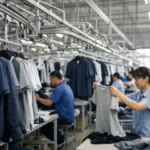
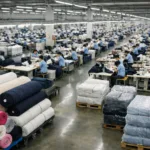
As an experienced hoodies and sweatshirts manufacturer, Ninghow understands that every client wants something special—whether it’s a licensed private label run or an OEM order tailored to specific needs. Their team guides buyers through fabric selection, fits, and decoration techniques, ensuring consistency and global compliance. MOD and lead times are optimized to keep projects running smoothly.
If you’re considering a reliable hoodies and sweatshirts manufacturer, it’s worth learning how factories like Ninghow approach real-world customization and production.
How Customization Drives Value in Hoodies and Sweatshirts
Logo Embroidery vs. Printing
Buyers should assess the longevity needed—embroidery lasts longer, while printing offers intricate color expression for limited runs.
Color Matching
Getting brand colors right often demands lab dip approval—a detail advanced factories like Ninghow handle with precision.
Environmental & Sustainable Considerations
Organic Fabrics
Brands pursuing eco-friendly production choose organic cotton, recycled polyester, or bamboo blends, seeking certifications for retail compliance.
Minimizing Waste in Production
Lean manufacturing, careful pattern cutting, and digital printing minimize waste—practices adopted by leading suppliers for cost and environmental benefits.
International Sourcing and Market Trends
Asia vs. Local Manufacturing
Asia remains dominant for cost-effective sourcing, especially for bulk orders. However, local factories cater to urgent timelines and small batch needs.
Emerging Styles and Technical Upgrades
Moisture-wicking, anti-pill coatings, and sustainable dyeing are driving innovation. Brands like Ninghow are quick to add these options to catalogs.
Shipping, Logistics, and After-Sales Support
Packing Methods for Hoodies and Sweatshirts
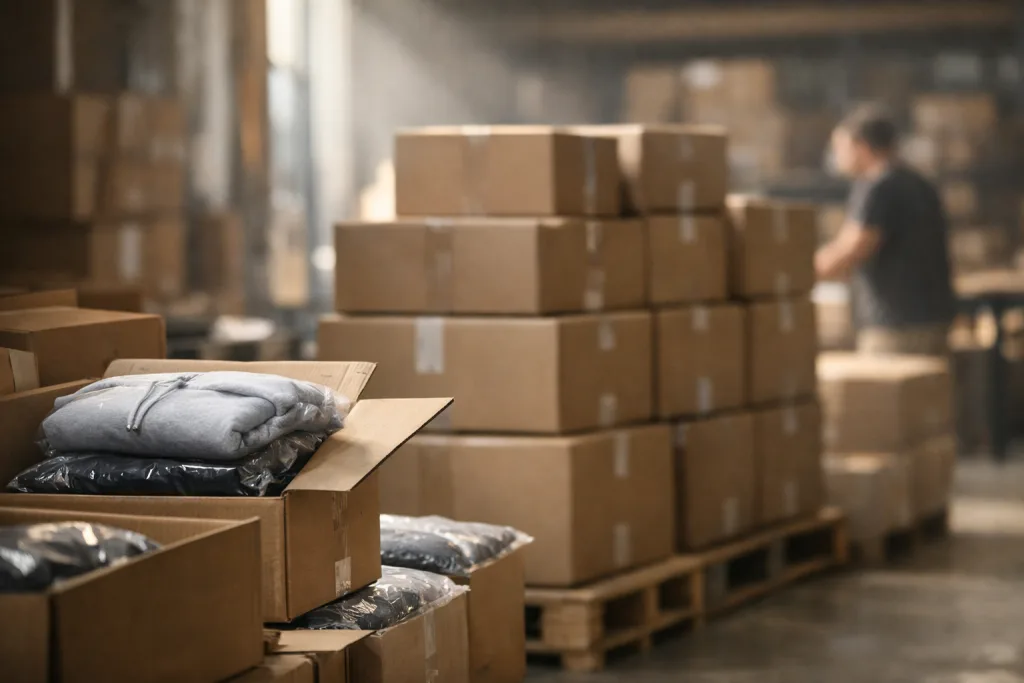
Quality exporters use individual polybags with carton packaging, and offer custom labeling services for retail-ready presentation.
After-Sales Service
Look for suppliers with responsive support for claims, exchanges, or small adjustments—even post-delivery—to ensure satisfaction and repeat business.
Seasonality: How to Plan Your Bulk Purchases
Best Times to Order
Late summer and early fall orders help meet peak demand for school, work, and holiday seasons. Factories suggest booking early to lock in capacity.
Dealing with Trends
Monitoring fashion cycles is key—oversized fits may trend one year, slim cuts the next. Keeping supplier relationships agile is invaluable.
Risks and Solutions: Navigating Common Wholesale Pitfalls
Avoiding Stockouts
Ordering extra or setting reorder triggers can prevent frustrating shortages, particularly during holiday spikes.
Managing Customization Errors
Clear tech packs, communication, and pre-production sample approval (handled expertly by companies like Ninghow) are the best defenses against production mistakes.
Hoodies and Sweatshirts: What Buyers Need to Know
Choosing between hoodies and sweatshirts starts with understanding structure (hood/pocket/zip), fabric (cotton, polyester, fleece), and GSM (240–400). For wholesale, check MOQs, sample options, and customization capacity. Premium brands like Ninghow manage bulk orders with professional consistency, ensuring every piece matches spec. Whether you’re outfitting teams or launching a retail line, informed, detailed buying will deliver the results you need.
Frequently Asked Questions
What is the difference between hoodies and sweatshirts?
Hoodies include a hood and often pockets, while sweatshirts have a simple pullover design without a hood, focusing on comfort and versatility.
Why do GSM numbers matter when buying?
GSM tells you how thick and warm the fabric will be. Higher GSM means a heavier garment suited for colder weather; lower is lighter and more breathable.
What fabric blends are best for bulk orders?
Cotton-polyester blends balance softness and durability, making them ideal for printing and embroidery while staying cost-effective for bulk buys.
How do I check quality before bulk buying?
Request a physical sample, inspect stitching and fabric, and clarify the supplier’s inspection process—including third-party audits if possible.
Can I order different hoodie and sweatshirt styles in one batch?
Yes, many suppliers allow mixed styles in a bulk order, though they may require minimum quantities per style or color for best pricing.
Are private label options available for hoodies and sweatshirts?
Yes, manufacturers like Ninghow offer OEM/private label services, letting you customize logos, labels, and packaging for brand exclusivity.
Conclusion
A strategic approach to buying hoodies and sweatshirts combines practical knowledge of structure, fabric, and weight, with insight into wholesale processes. The key takeaway is to prioritize sample inspection, clarify customization and MOQ, and select suppliers—such as Ninghow—who offer flexible, reliable production. With the right choices, you’ll secure quality garments suited for every season, trend, and purpose. Ready to maximize your next bulk order? Let experience guide your decision, and your customers will thank you for lasting comfort and style.
