

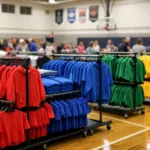
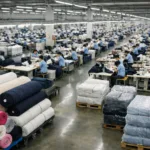
In the world of apparel manufacturing, not all factories are created equal. For growing brands, corporate clients, and large-scale apparel distributors, choosing a high capacity clothing manufacturer can be a game-changer. Whether you’re launching a nationwide retail campaign, supplying uniforms for an international event, or fulfilling high-volume online orders, understanding what makes a high capacity manufacturer unique is essential.
This guide covers everything buyers need to know about working with a High Capacity Clothing Manufacturer — including key capabilities, timelines, quality assurance, and how they differ from smaller operations.
What Is a High Capacity Clothing Manufacturer?
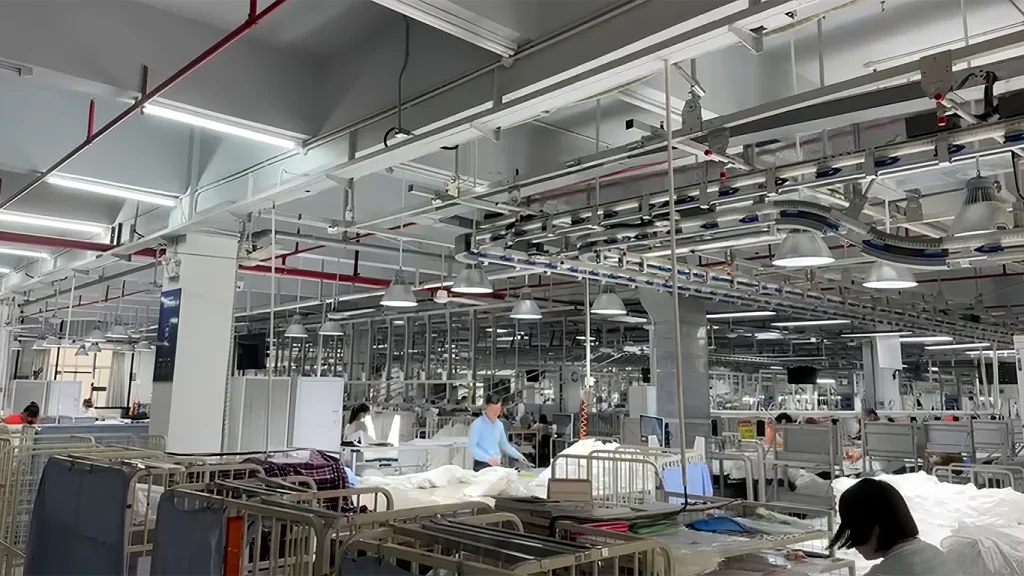
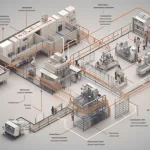
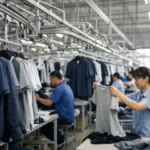
A high capacity clothing manufacturer is a garment production facility capable of handling large-scale orders consistently and efficiently. These manufacturers often operate multiple production lines, run multiple shifts per day, and utilize automated machinery to scale production.
Key characteristics include:
- Minimum order quantities (MOQs) starting at 5,000–10,000 pieces per design or style.
- Extensive supply chain integration, from fabric sourcing to final packaging.
- Experienced management and large labor forces.
- Use of digital production planning systems to optimize throughput.
They are often also referred to as mass production garment factories, especially when serving the fast fashion or wholesale markets.
Who Should Work with a High Capacity Manufacturer?
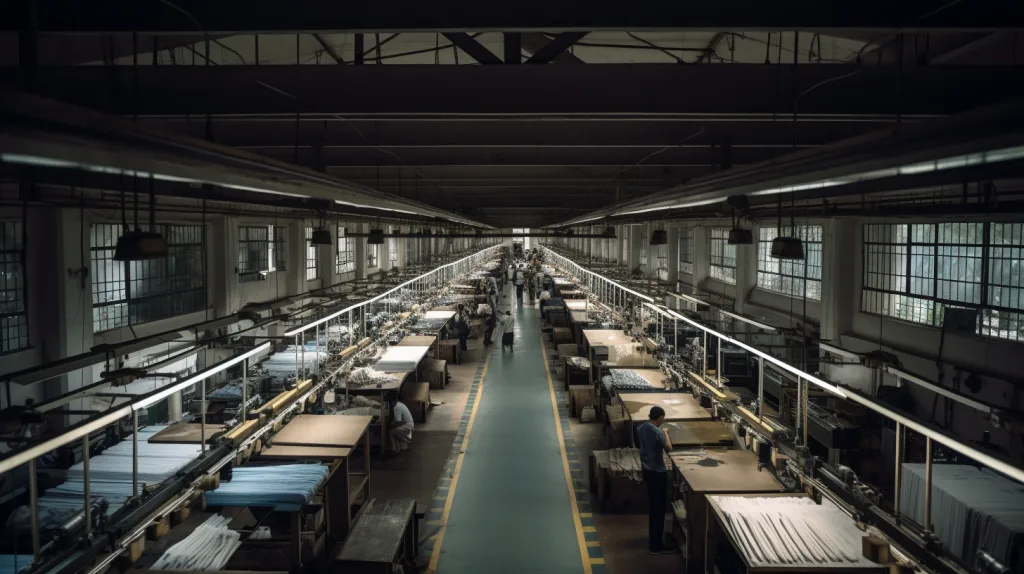
Not every buyer needs a high capacity manufacturer. But for certain segments, they’re the only practical choice.
Ideal clients include:
- National or international retail chains needing consistent stock.
- Corporate clients requiring uniforms or branded gear at scale.
- Sports leagues or event organizers producing apparel for thousands of participants.
- Established brands expanding into new regions or product lines.
- Wholesalers and distributors focused on bulk apparel supply.
If your monthly order volume exceeds 20,000 units, or you’re planning a multi-style collection with tight timelines, a high capacity partner is essential.
How to Evaluate Production Line Capacity
Understanding a factory’s capacity goes beyond checking machine counts. Consider these factors:
1. Daily Output Metrics
Ask the manufacturer how many units they can produce per day, per line. This gives a realistic sense of delivery speed.
2. Production Line Specialization
High capacity factories often have dedicated lines for:
- T-shirts and basics
- Activewear and compression garments
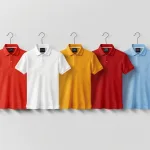
- Polo shirts or collared apparel
- Hoodies and outerwear
Specialized lines ensure higher efficiency and better quality control.
3. Shift Structure and Overtime Policy
Factories with two or three shifts can scale output faster. However, make sure that overtime doesn’t impact quality or worker wellbeing.
Note: At Ninghow, we strictly comply with EU labor law standards. Our standard working hours are:
- Morning shift: 8:00 AM – 12:00 PM
- Afternoon shift: 1:30 PM – 5:30 PM
- Evening overtime (if applicable): 6:30 PM – 9:00 PM
All overtime is voluntary, compensated according to legal wage guidelines, and monitored for employee welfare.
Lead Times and Bulk Delivery Planning
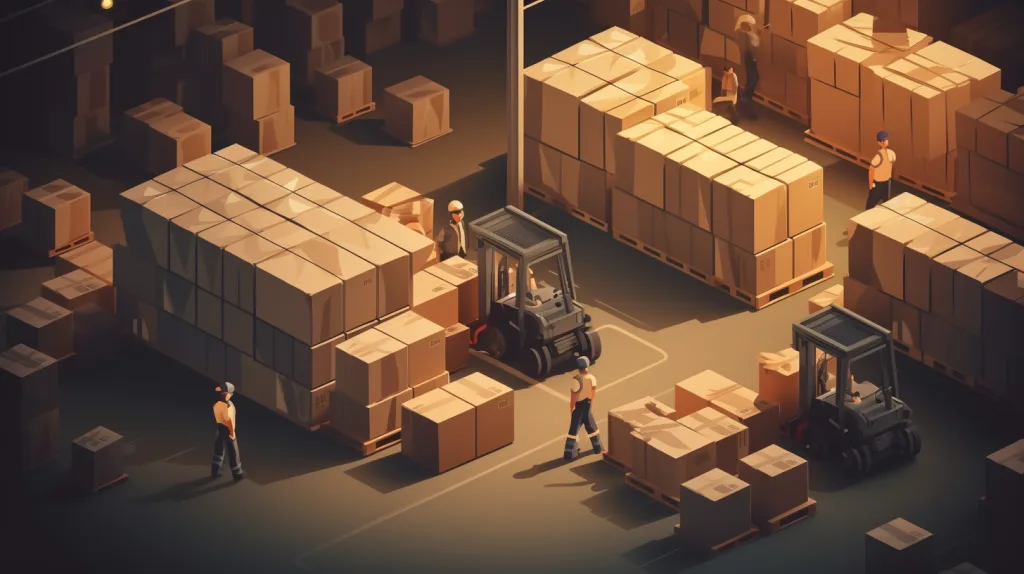
One of the biggest advantages of working with a high capacity clothing manufacturer is faster turnaround on large orders. But the lead time still depends on multiple factors:
- Design complexity and required customizations.
- Fabric and trim availability.
- Sampling and approval cycles.
- Shipping method (air vs. sea freight).
In general:
- Sampling can take 7–10 days.
- Bulk production begins after approval and usually takes 3–6 weeks.
For very large orders, it’s common to ship in partial batches every 10–14 days.
Quality Assurance in Large-Scale Production
Handling high-volume orders without sacrificing quality is a core challenge — and a key differentiator of top-tier bulk apparel suppliers.
Quality Control Systems Include:
- Incoming material inspections for fabric and trims.
- Inline inspections at various production stages.
- End-of-line checks before packing.
- Final audits by internal QA or third-party teams.
Advanced manufacturers often implement ISO 9001-certified systems,SGS-certified systems or follow AQL standards for acceptable quality levels.
Buyers should also ask about:
- Whether the factory has in-house labs for colorfastness or fabric strength testing.
- Digital tracking for defects and reworks.
How High Capacity Manufacturers Differ from Small Factories
There are many excellent small apparel factories, especially for startup brands or niche designs. However, when scale matters, large factories offer distinct advantages:
Note: At full capacity, Ninghow monthly output can exceed 300,000 units, enabling consistent supply for large-scale and time-sensitive orders.
| Feature | High Capacity Manufacturer | Small Factory |
|---|---|---|
| Order Volume | 400,000+ units/month | 100–5,000 units/month |
| Production Speed | Fast due to automation and shifts | Slower, manual processes |
| Customization Options | Moderate to High (bulk-friendly) | Very High (small batch focus) |
| Quality Control | Formal QA systems, audit-ready | Visual/manual inspections |
| Cost per Unit | Lower for large volumes | Higher due to scale limits |
Tips for First-Time Buyers
If you’re transitioning from small-scale production to high capacity clothing manufacturing, keep these tips in mind:
- Finalize tech packs and BOMs early to avoid sampling delays.
- Order samples in pre-production run conditions.
- Plan logistics in advance, especially if using sea freight.
- Be clear about packaging, labeling, and QC requirements from the start.
- Negotiate clear contracts with production timelines and penalty clauses.
Partnering with Ninghow for Large Orders
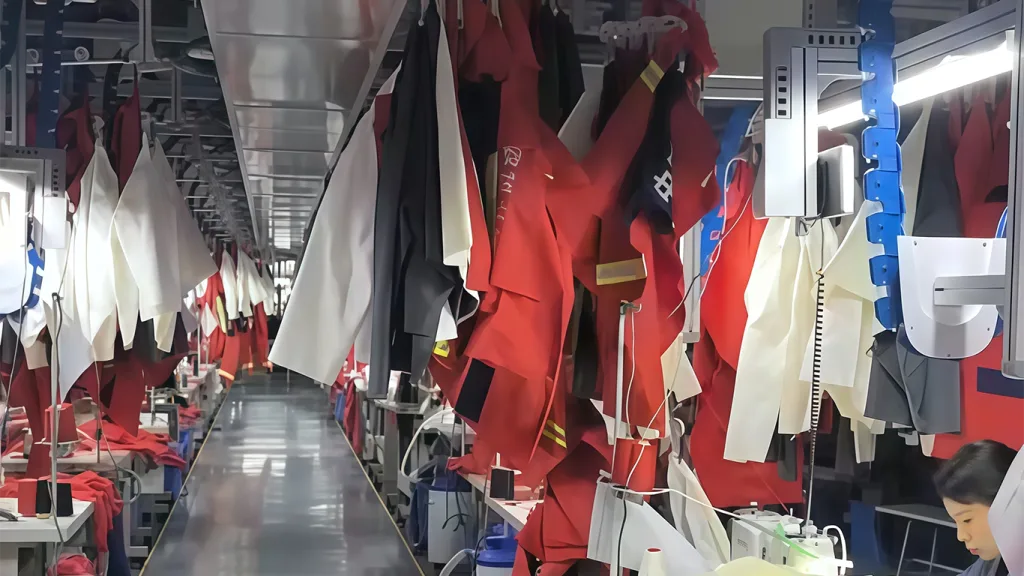
At Ninghow, we support brands and distributors with high-volume needs. Our mass production garment factory setup is designed for speed, consistency, and flexibility:
- MOQ-friendly for bulk buyers, but still supportive of growing brands.
- 3–4 week turnaround on most bulk orders.
- Full OEM & ODM services with customization at scale.
- Dedicated account managers and real-time order tracking.
Whether you’re launching a 100-store retail campaign or need 50,000 custom T-shirts for a global event — we’ve got the capacity and experience to deliver.
