
Understanding Cut & Sew vs Seamless Knitting
Modern apparel brands face a big decision in manufacturing: Should you choose the traditional cut & sew method or go with seamless knitting? For businesses designing activewear, this choice affects comfort, fit, cost, production speed, and sustainability—all crucial for market success. Ninghow, a renowned clothing manufacturer, expertly guides brands through both approaches for sports, lifestyle, and promotional programs. Learn more about Ninghow Custom Sportswear.
What Is Cut & Sew?
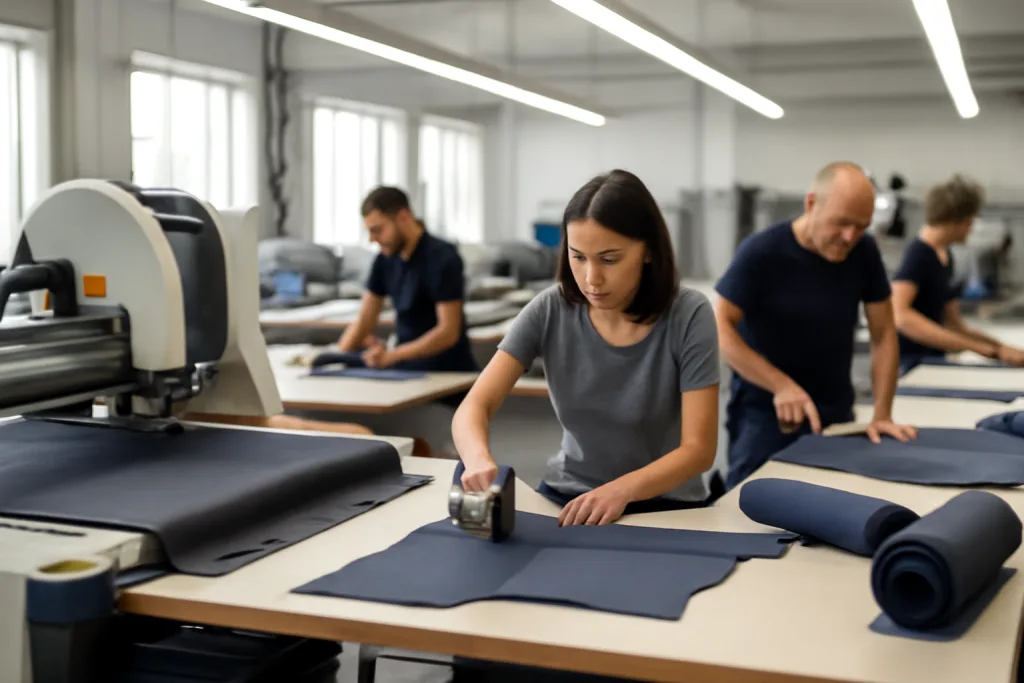
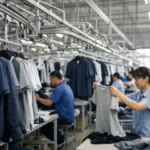
The cut & sew process divides manufacturing into steps. Fabrics like combed cotton, ring-spun blends, or recycled polyester (rPET) are first produced in wide rolls. These rolls are then laid out and cut into specific shapes using auto-cutters or manual methods, following tech pack details. Skilled workers sew these pieces together using various stitch types, like overlock, flatlock, or coverstitch, to form the final garment.
Main Steps in Cut & Sew
- Fabric selection and lab dips for color approval
- Pattern preparation and grading for different sizes
- Marker planning for efficient fabric usage
- Precision cutting using notches and grainline control
- Sewing with line balancing and quality control at each stage
- Decoration: screen print, embroidery, or heat transfer
Popular Applications
- Polo shirts
- Hoodies and sweatshirts
- T-shirts
- Shorts and pants
Fabric Variety
Brands choose from single jersey, pique, French terry, twill, and fleece. Typical GSM (grams per square meter) ranges from 160–240 gsm for tees and polos, up to 280–360 gsm for heavier fleece items. Cut & sew accommodates organic cotton, modal, viscose, and blends with elastane for stretch.
The Seamless Knitting Revolution
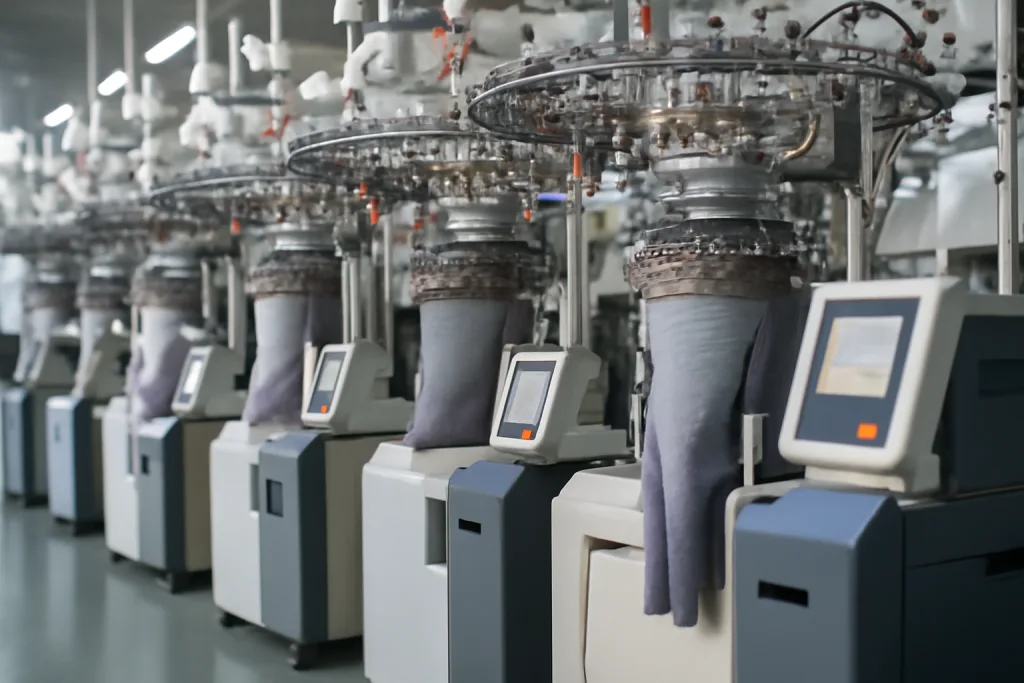
Seamless knitting uses high-tech circular knitting machines to produce entire garments or panels with minimal seams. Famous for shaping body-hugging activewear, seamless technology excels in comfort and fit consistency. For seamless activewear manufacturing, brands rely on advanced machinery capable of integrating different stitches and structures into a single tube, removing the need for separate stitching.
How Seamless Knitting Works
Yarn feeds directly into a computerized circular knitting machine. The machine constructs a garment—like leggings or a base layer—in one go, often integrating features such as rib zones, mesh ventilation, or compression areas. Pieces may need minimal finishing (neckline, cuffs, or bottom hem) but eliminate most side seams.
- Greater fabric stretch and recovery
- Ultra-smooth feel—no chafing or hard seams
- Consistent fit between batches
Leading Yarn Choices
- Polyamide (nylon) for strength and softness
- Polyester blends for colorfastness and lower cost
- Spandex/elastane for stretch
- Recycled and GOTS-certified organic yarns for sustainability
Finishing Touches
Many seamless items add moisture-wicking, anti-odor, UPF (UV protection), and pre-shrink finishes. Decoration options are more limited—small logos can be jacquard-knitted in, or heat transfer methods may be used, but embroidery and large screen prints are challenging.
Comparative Table: Cut & Sew vs Seamless Knitting
| Feature | Cut & Sew | Seamless Knitting |
|---|---|---|
| Fabric Flexibility | Any knit/woven (jersey, fleece, twill, etc.) | Mainly knit: circular jersey, rib, mesh |
| Fit & Comfort | Variable—seams may cause pressure points | Body-hugging, minimal seams; no chafing |
| Style Customization | Highly versatile (shapes, panels, pockets, color blocking) | Limited shaping; best for basics, leggings, base layers |
| Decoration | Embroidery, prints, patches, labels | Jacquard logos, some heat transfers; limited print area |
| MOQ (Minimum Order) | Low–medium (300 pc typical for new lines) | Higher (often 600–1,000 pcs due to machine setup) |
| Cost Structure | Lower machine cost; labor-intensive; flexible quantities | Higher machinery cost; faster throughput, but setup investment |
| Lead Time | 10–18 days for sampling; 30–50 days bulk | 15–25 days sampling; 35–55 days bulk |
| Sustainability | Fabric waste: 10–20% (marker planning reduces); OEKO-TEX dyes | Near-zero yarn waste; less water, power per item |
Machinery Overview: Technology at Work
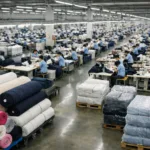
Cut & sew setups use spreading machines to lay fabric, auto-cutters for precision, and multi-needle flatbed sewing machines for assembly. These lines, supported by skilled operators, can assemble a wide range of styles. Typical stitches include ISO 301 (lockstitch), 401 (chainstitch), and 504 (overlock), selected for durability and stretch.
Circular Knitting for Seamless
Seamless knitting needs advanced electronic circular machines. Brands invest in equipment by Santoni, Lonati, or similar leaders. These machines enable technical features like mesh zones, ribbed textures, and graduated compression.
- Auto tension control for perfect stitch density
- Yarn feeders managing up to 36 colors or fiber types
- Integrated defect detection—minimizing rejects and improving AQL (Acceptance Quality Limit)
Fit Consistency and Comfort: Unpacking the Benefits
Seamless garments stand out for their uniform fit. Precise computer control ensures every item matches the graded sample, cutting down on sizing issues and returns. The absence of bulky seams means smoother contact with skin—key in activewear for sports, yoga, or everyday comfort.
Cut & Sew Fit Parameters
Cut & sew requires strict tolerances—often ±1 cm per critical measurement. Brands send tech packs with spec tables, which factories like Ninghow use during inline and end-line checks. Marker planning and notches help maintain panel alignment, but subtle fabric relaxation can affect outcomes.
Seamless Advantage
Seamless batches pass through dimensional change and pilling tests far more consistently. Stretch zones and mesh areas are built directly into the design, avoiding the handfeel issues that can arise from stitched panels or over-seams.
Decoration & Style Limitations
Cut & sew is unbeatable for style variety. Brands can add pockets, color blocks, and intricate embroidery. Large print areas are easy to achieve with screen or digital printing. Seamless garments, by contrast, face limits. Jacquard-knitted logos and small heat transfers work, but bold graphic tees or complex color patterns aren’t practical. Extra features—like zippers or hardware—need additional cut & sew steps, reducing the seamless advantage.
Ideal Scenarios
- Seamless: high-performance leggings, base layers, compression shirts, minimalist sports bras
- Cut & sew: polos, hoodies, promotional tees, uniform pants, detailed outerwear
MOQ, Cost, and Lead Time: Planning Your Production
Brands considering seamless activewear manufacturing need to manage higher minimum order quantities (MOQ). Seamless machine setup is time-intensive, making runs below 600–1,000 pieces less profitable for most factories. Cost per item drops as volume rises, but initial investments are higher compared to cut & sew. Lead times for seamless can be more predictable—especially for core basics—while cut & sew remains flexible for smaller programs or custom features.
Ninghow’s Industry Benchmarks
- Seamless MOQ: Typically 800 pcs/style
- Cut & sew MOQ: Starting at 300 pcs/style
- Seamless sampling: 2–3 weeks, bulk 5–8 weeks
- Cut & sew sampling: 1.5–2.5 weeks, bulk 4–7 weeks
Both methods require lab dips, color approvals, and TOP (top of production) samples for exacting B2B quality.
Sustainability Angles: Environmental Impacts Compared
Seamless manufacturing scores well on sustainability. It generates less material waste, saves energy, and uses fewer chemicals thanks to direct knitting technology. Most seamless lines now run recycled polyester and GOTS-certified organic yarns. Water usage drops because dyeing often occurs at the yarn stage, with advanced machinery reducing power consumption per item. Cut & sew can approach eco-standards too—with careful marker layouts, OEKO-TEX dyes, and by choosing low-impact materials like bamboo viscose or rPET.
Sustainable Packaging and Compliance
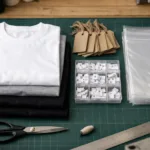
Responsible factories use polybag specs that minimize single-use plastics, add eco-labels (ISO 3758 care symbols), and ensure export packaging meets international standards. Brands must verify fabric and accessory compliance with regulations such as OEKO-TEX STANDARD 100 and GOTS for organic content, as well as worker safety frameworks like BSCI.
Brand Scenarios: Which Method Fits Your Vision?
Seamless knitting empowers brands focused on high-performance activewear, yoga, and sports basics. It’s ideal for consistent fit, low friction, and moisture management. Larger brands with core product lines and sustainable ambitions thrive using seamless, while startups, promotional lines, and corporate programs often prefer cut & sew for its versatility and easier MOQ management.
Activewear Masters
- Seamless approach: leggings, fitted tops, base layer programs
- Cut & sew approach: branded polos, custom hoodies, team uniforms
Ninghow enables brands to choose the ideal method, ensuring fit consistency, quality, and responsible production in every order.
Cut & Sew vs Seamless Knitting: When to Use Each
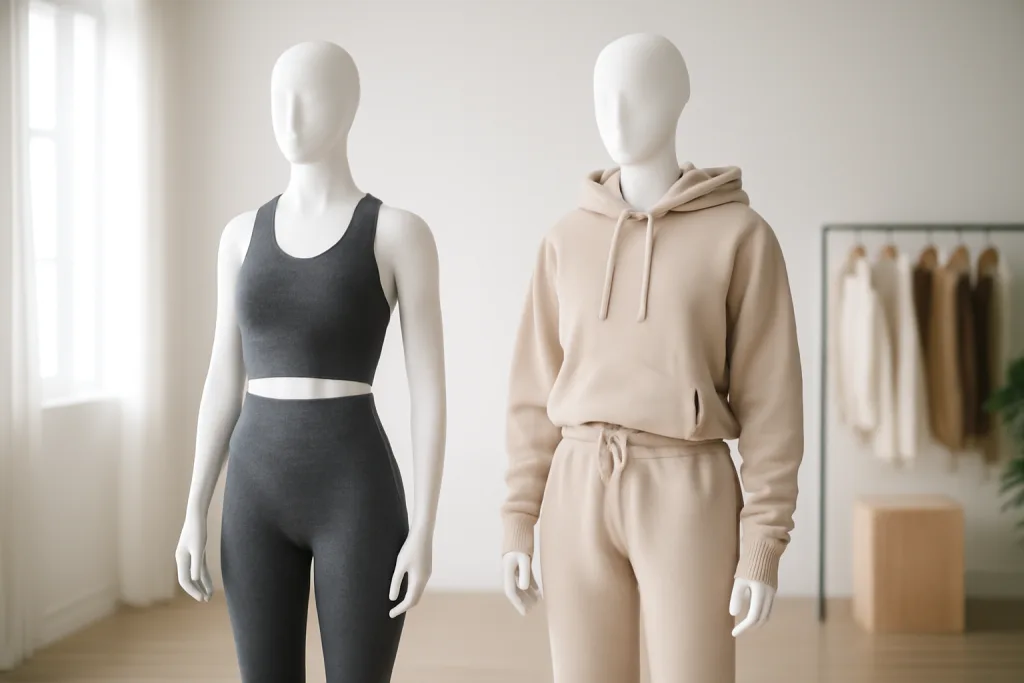
Making a choice between cut & sew and seamless knitting calls for balancing style, fit, budget, and sustainability goals. Choose cut & sew for broad customization, smaller order sizes, and detailed decoration. Go seamless for high-stretch core basics, superior comfort, and eco efficiency at scale. Both paths deliver excellent outcomes when executed with care and expertise.
Expert Takeaway: Most brands combine both methods across their collections—using seamless for the minimal, technical pieces, and cut & sew for statement items and broad customization.
Frequently Asked Questions
What is seamless activewear manufacturing?
Seamless activewear manufacturing uses advanced circular knitting machines to create garments with almost no seams, offering better comfort and fit consistency than traditional methods.
Is seamless knitting more sustainable than cut & sew?
Yes, seamless knitting reduces material waste and energy use, especially when paired with recycled or organic fibers, making it an eco-friendly choice for activewear brands.
Can I use bold prints or embroidery on seamless garments?
Seamless styles are best for simple logos or jacquard designs. Bold prints and complex embroidery are more suited to cut & sew items due to machine and process limitations.
What minimum order quantities (MOQ) apply for seamless production?
Most manufacturers require 600–1,000 pieces per style for seamless knitting, while cut & sew often allows lower MOQs, starting around 300 pieces.
Which method offers faster lead times for new collections?
Cut & sew is usually faster for small or custom orders, but seamless processes deliver quick, consistent results for high-volume basics after initial setup.
How do I choose between cut & sew and seamless knitting?
Choose based on your collection’s needs: seamless for fitted, technical basics; cut & sew for decorative, varied styles and lower launch MOQs.
