


1. What Are Custom Polo Shirts?
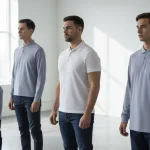
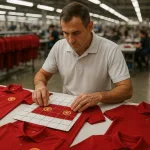
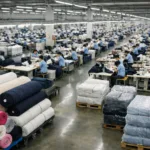
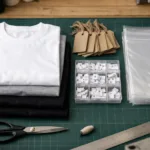
Custom polo shirts are garments specifically designed and produced to meet a brand’s unique requirements. These shirts allow businesses to choose everything—from fabric type, color, and fit to logo placement and design. Custom polos are often used by companies looking to create a cohesive and professional image for their team members, as well as by those wanting to stand out in a crowded marketplace.
Custom options offer personalization that aligns with a brand’s identity, making them popular for corporate uniforms, promotional events, and retail collections. With advancements in textile technology and digital design tools, customization has become accessible even to small businesses.
2. What Are Ready-Made Polo Shirts?
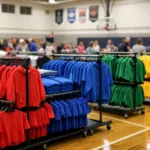
Ready-made polo shirts are mass-produced garments that are available in standard sizes, styles, and colors. They’re typically produced in bulk and stocked by wholesalers or retailers, making them readily available for purchase without customization.
These polos are ideal for businesses that need quick access to inventory or for budget-conscious buyers who don’t require personalization. Many retail chains and budget-driven promotional campaigns opt for ready-made options due to their low cost and immediate availability.
3. Cost Comparison: Custom vs. Ready-Made
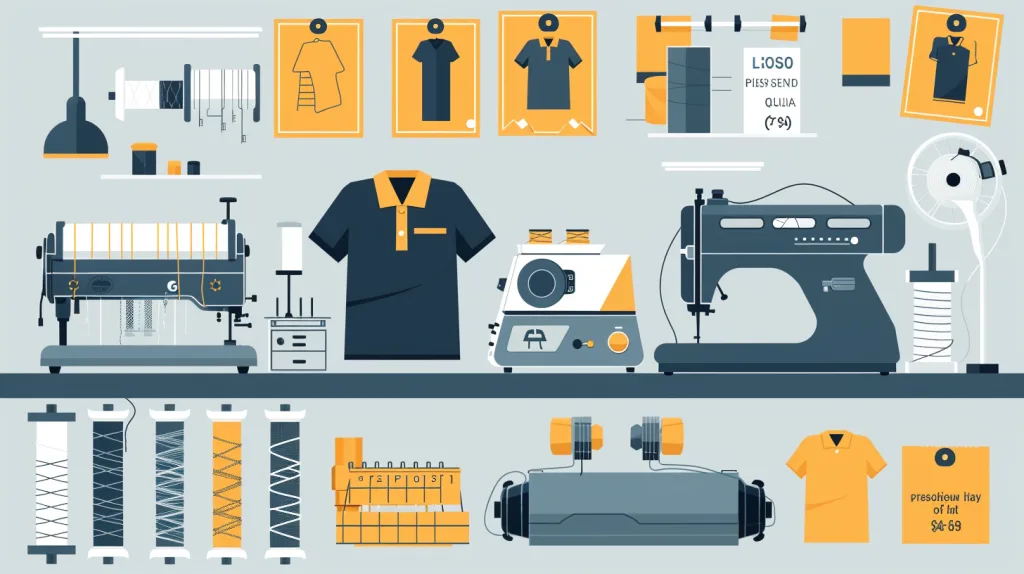
One of the biggest deciding factors between custom and ready-made polos is cost. On average:
- Custom polo shirts may range from $8 to $30 per unit depending on design complexity, fabric, and order quantity.
- Ready-made polos typically range from $3 to $10 per unit due to mass production.
While custom polos have a higher initial cost, they can deliver long-term value through brand recognition, customer loyalty, and employee morale. Ready-made options are more cost-effective for one-off events or general use, but lack the branding impact.
4. Fabric and Material Choices
Custom polos offer a wide variety of fabric choices such as:
- Cotton
- Polyester
- Cotton-poly blends
- Performance fabrics (moisture-wicking, anti-microbial)
Ready-made shirts usually come in limited fabric types chosen for mass appeal and durability. Businesses that prioritize comfort, performance, or eco-friendliness will benefit more from custom selections.
5. Design and Style Flexibility
With custom polos, the sky’s the limit:
- Unique color combinations
- Custom collars and sleeves
- Pocket placement
- Logo embroidery or sublimation
Ready-made shirts are limited to the manufacturer’s catalog. For companies wanting a distinctive look or consistent branding across all uniforms or merchandise, custom is the superior choice.
6. Branding Potential and Differentiation
Custom polo shirts act as walking advertisements. You can incorporate brand colors, logos, slogans, and design elements that align with your marketing strategy.
This helps:
- Improve brand recall
- Enhance professional appearance
- Build customer trust
Ready-made shirts offer little to no branding capacity unless customized post-purchase—which may reduce quality or consistency.
7. Turnaround Time: Production Speed Matters
Custom orders typically take 2-6 weeks, depending on order size and complexity. Some premium suppliers like Ninghow offer fast-track services for urgent projects.
Ready-made shirts, however, are usually in stock and ready to ship within days—ideal for time-sensitive needs like trade shows or urgent uniform replacements.
8. MOQ (Minimum Order Quantity) Requirements
Custom polos often require a minimum order, ranging from 50 to 500 units. This is because setup costs (like screens or embroidery files) are spread across units.
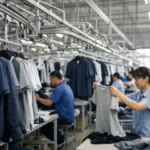
At Ninghow, we specialize in no MOQ custom manufacturing, helping small businesses and startups access premium customization.
Ready-made shirts can often be purchased individually or in small batches, making them accessible for microbusinesses or test marketing.
9. Inventory and Storage Considerations
Custom production means you control your inventory. You order exactly what you need—no more, no less. This helps reduce overstock and storage costs.
Ready-made polos may lead to bulk purchasing, potentially resulting in:
- Overstock
- Extra storage fees
- Outdated inventory if styles change
10. Customization Technologies
Modern customization techniques include:
- Embroidery: Best for a premium look
- Screen printing: Cost-effective for bulk orders
- Sublimation: Ideal for full-color designs on polyester
- Heat transfer: Fast and flexible
Ninghow utilizes all major technologies, enabling our clients to select the best fit for their budget and design.
11. Quality Control and Consistency
With custom manufacturing, each batch undergoes quality inspection, fabric testing, and sample approvals. This ensures consistency across different orders and time periods.
Ready-made polos can vary between production lots, especially if sourced from different suppliers. This may affect color, fit, or fabric consistency over time.
12. Suitability for Wholesalers
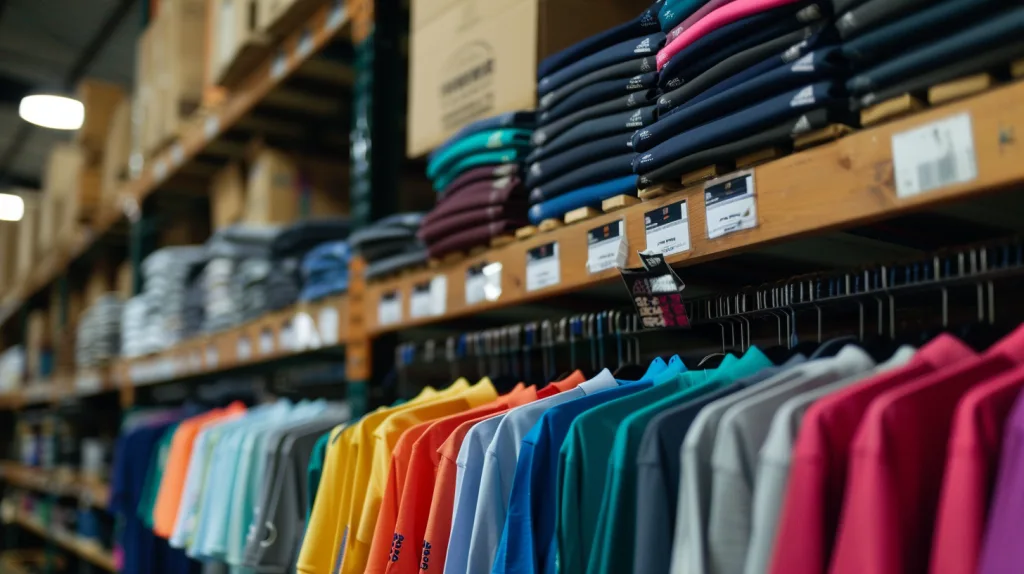
Wholesalers often benefit from custom polos when catering to niche markets or private labels. Customization allows them to offer exclusive lines with high profit margins.
Ready-made products are suitable for general-purpose resale but offer little differentiation, making it harder to compete on more than just price.
13. Suitability for Retailers
Retailers focused on fashion, lifestyle, or sportswear will likely prefer custom polos to deliver trend-relevant, brand-aligned collections.
Conversely, discount retailers or fast-turnaround stores may favor ready-made options to quickly stock shelves and capitalize on bulk pricing.
14. Industry Use Cases
Custom and ready-made polos serve different industries:
| Industry | Custom Polo Use | Ready-Made Polo Use |
|---|---|---|
| Corporate | Uniforms with logos, branding | Temporary staff uniforms |
| Education | School uniforms | PE kits, giveaways |
| Sports | Team gear with personalized names | Practice wear |
| Events | Branded staff clothing | Volunteer shirts |
15. Case Study: A Brand that Switched to Custom Polo Shirts
One of our clients, a European promotional agency, shifted from ready-made polos to custom-manufactured shirts from Ninghow. The result?
- 42% increase in client retention
- 30% higher perceived brand value
- 55% profit margin on resale of custom shirts
They cited product uniqueness, consistent sizing, and premium branding as key advantages.
16. Environmental and Sustainability Factors
Custom polos can be made using organic cotton, recycled polyester, or low-impact dyes. This enables brands to align with eco-conscious consumers.
Ready-made garments often use standard, less sustainable materials due to cost and scale priorities. Customization gives you the power to choose sustainability.
17. Final Decision Matrix: Which Should You Choose?
| Factor | Custom Polo Shirts | Ready-Made Polo Shirts |
| Cost per Unit | Higher | Lower |
| MOQ | Medium to High | Low or None |
| Branding Potential | Excellent | Limited |
| Lead Time | Longer | Shorter |
| Fabric Options | Wide Range | Limited |
| Best For | Long-term branding | Quick needs, low budget |
FAQ Section
Q1: How long does it take to produce custom polo shirts?
Typically 2–6 weeks. At Ninghow, we offer expedited services depending on fabric and design complexity.
Q2: What is the MOQ for custom polo shirt orders?
Many manufacturers require 100+ units, but Ninghow offers no MOQ for select custom styles.
Q3: Are custom polo shirts more durable than ready-made ones?
Often yes, as you can select higher-quality fabrics and finishes, whereas ready-made options prioritize low cost.
Q4: Can I customize eco-friendly polo shirts?
Yes! Ninghow provides sustainable materials like organic cotton and recycled polyester for green branding.
Q5: What’s the cost difference between screen printing and embroidery?
Embroidery is generally more expensive but offers a premium look. Screen printing is cost-effective for bulk, large logos.
Q6: How should I choose between the two for my retail store?
If your brand relies on unique style and high margins—go custom. If you want quick, low-cost inventory—choose ready-made.
