


Custom Organic Cotton Clothing: From Design to Delivery
Custom organic cotton clothing has become a defining choice for brands and organizations looking to merge sustainable practices with individualized style and quality. From initial concept sketches and fabric selection to manufacturing excellence and timely global delivery, every step in the journey is an opportunity to align business outcomes with environmental stewardship. Leading organic clothing manufacturers such as Ninghow elevate this process, providing reliable OEM/ODM solutions across polos, tees, hoodies, shorts, and activewear while championing craftsmanship, sustainability, and fit consistency.
Why Choose Custom Organic Cotton Clothing
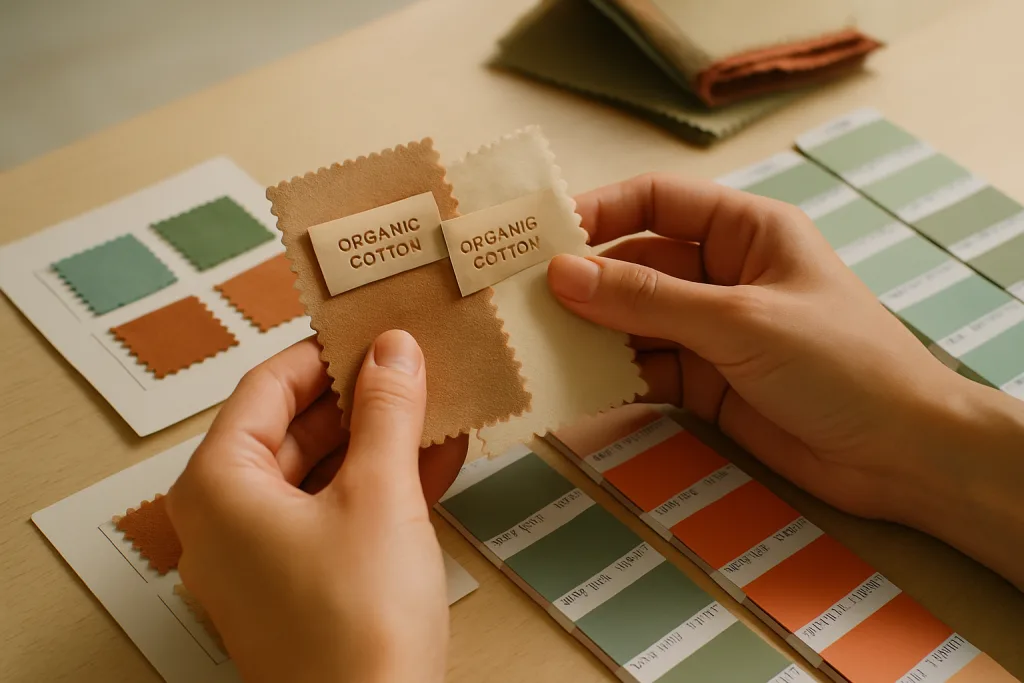
Organic cotton is free from genetically modified seeds, harmful pesticides, and excessive water usage. This results in garments that feel noticeably softer, maintain their shape, and contribute to a healthier planet. When custom apparel is crafted from certified organic cotton—such as GOTS or OEKO-TEX—it not only demonstrates environmental responsibility but also delivers premium comfort, long-term durability, and exceptional handfeel suitable for a range of applications, from sports uniforms to branded promotional wear.
- Sustainability: Fewer chemicals, reduced water consumption, and improved biodiversity.
- Quality: Combed and ring-spun fibers in organic cotton produce smoother, stronger, and more consistent yarns.
- Brand Value: Aligning with eco-conscious consumer preferences drives loyalty and market distinction.
- Compliance: Meeting global standards such as GOTS, OEKO-TEX, and SEDEX ensures global market access.
Brands partnering with Ninghow gain not just technical expertise and certified processes but an ethos of sustainable production embedded in every order.
Design Options in Sustainable Apparel
The custom organic cotton clothing journey starts with vision and design. Manufacturers refine ideas using sophisticated tech packs, functional prototypes, and color lab dips. Apparel designers now enjoy far more creative freedom in organic fabrics than in past years, thanks to improved fiber and finish technologies. Sustainable choices go beyond just organic cotton to include recycled polyester (rPET), modal/viscose, and elastane blends for versatile performance.
Fabric Selection for Custom Designs
Each application—be it branded polos, promotional tees, or athletic gear—calls for textiles carefully chosen for handfeel, durability, drape, and wearer experience. Popular organic cotton knits include single jersey (160–180 gsm), pique (180–220 gsm for polos), and French terry (240–280 gsm for sweatshirts/hoodies). Woven organic cotton options like poplin and twill work for lightweight jackets and uniforms.
| Fabric Type | GSM Range | Properties | Best Use |
|---|---|---|---|
| Single Jersey Knit | 160–180 gsm | Soft, breathable, drapes well | T-shirts, base layers |
| Pique Knit | 180–220 gsm | Textured, holds shape, durable | Polo shirts |
| French Terry | 240–280 gsm | Moisture-wicking, loop back for comfort | Hoodies, sweatshirts |
| Woven Poplin | 120–150 gsm | Smooth, crisp, light | Light jackets, dress shirts |
Color, Decoration, and Performance Finishes
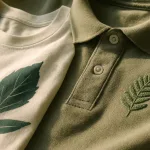
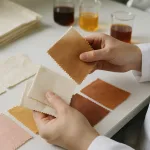
Once the fabric is selected, color matching initiates with lab dips and strike-offs for Pantone-matched precision. Bulk approval and shade banding ensure batch color integrity. Print and embroidery techniques must balance handfeel and durability. Screen print options include plastisol (high opacity, excellent wash durability), water-based (softer touch, eco-friendly), and discharge inks. Embroidery is available in classic thread, 3D/puff styles, and with heat transfer applications for badges or logos. Performance finishes—such as moisture-wicking, antimicrobial, and UPF—can be incorporated at the mill for added value.
- Water-based prints for soft, eco-friendly graphics
- Direct-to-garment (DTG) and dye-sublimation for vivid, all-over prints
- 3D/puff embroidery for premium logos
- Antimicrobial and moisture-wicking treatments for activewear
- Pantone color matching and bulk batch control
Pattern, Sizing, and Fit Consistency
Modern garment design integrates digital patternmaking and precision grading. Size sets are verified through tech packs specifying all measurements and tolerances. Cut markers optimize fabric yield while auto-cutters and manual methods focus on grainline and fabric relaxation. Quality manufacturers like Ninghow employ tight tolerances (<1cm variance), notched patterns, and established size charts to guarantee consistency for high-volume orders.
Manufacturing Process for Custom Organic Cotton Clothing
Manufacturing organic cotton apparel merges artisanal expertise with advanced machinery for scalable quality. Every phase—from bulk fabric cutting to final assembly—is methodically controlled to preserve sustainable credentials and meet demanding client specs.
Fabric Preparation and Cutting
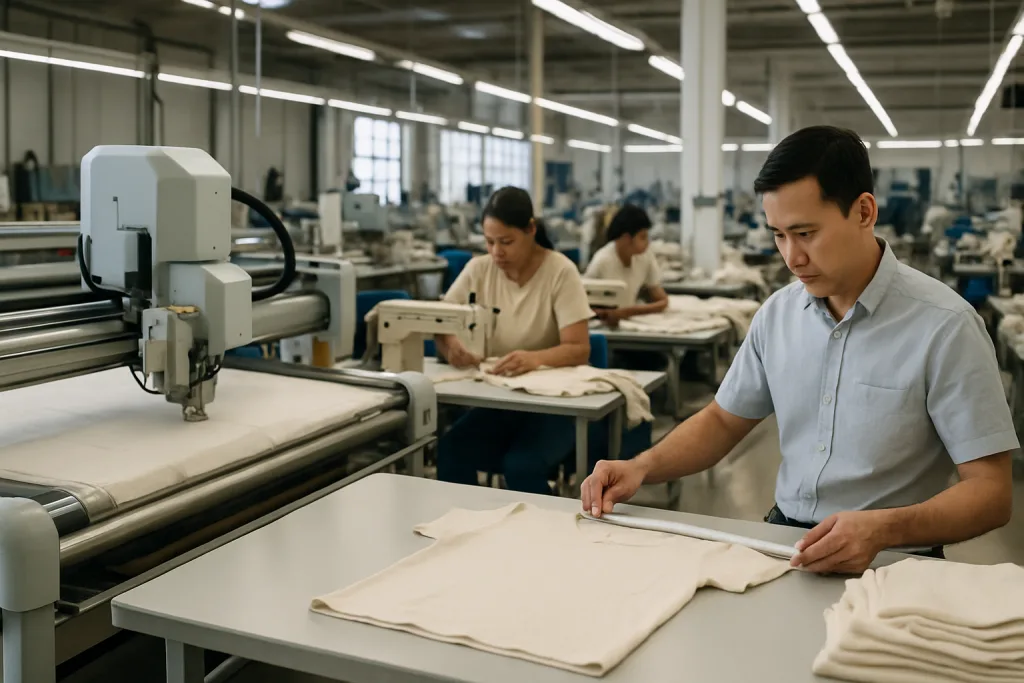
Bulk organic cotton arrives pre-tested for GSM, pilling (ISO 12945), and colorfastness (ISO 105-C06). Fabric relaxation before cutting prevents shrinkage and distortion. Advanced auto-cutters and manual cutting stations operate in controlled environments, marking notches and seam allowances according to tech packs. Tolerance checks and spec tables maintain high precision, reducing waste and ensuring repeatable fit.
Sewing and Assembly
Assembly lines are balanced by SMV (Standard Minute Values) and workflow tracking. Machines and operators are matched for stitch types: chainstitch (ISO 401) and lockstitch (ISO 301) for main joins, overlock (ISO 504) for edge finishing, and coverstitch (ISO 602) for hems. Rib collars, bartacks at stress points, and reinforced seams give polos and tees lasting structure. Quality checks for puckering, skew, and measurement accuracy run throughout.
Decoration and Finishing
Printing, embroidery, and heat-transfer decoration follows sewing. White cotton garments may require pre-treatment for crisp color application. Embroidery quality is checked for thread tension, 3D effects, and placement precision. Finished garments undergo wash testing, dimensional stability checks (AATCC 135/150), and physical performance measurement, ensuring longevity and compliance for every custom piece.
Quality Control and Compliance
Ninghow deploys inline and endline inspection teams, applying AQL sampling protocols (ANSI/ASQ Z1.4) and needle detection. All apparel is evaluated for shade consistency, spec adherence, and label correctnes.
Global compliance with GOTS, OEKO-TEX, WRAP, REACH, CPSIA, and Prop 65 ensures unrestricted export and retail eligibility.
Delivery, MOQ, and Logistics Considerations
Prompt, efficient delivery represents the final leg of custom organic cotton clothing production. Reliable manufacturers define optimal MOQs (typically from 100–500 units per style, depending on fabric and process complexity), lead times (4–8 weeks standard, expedited options available), and sample workflows: proto sample → PP sample → TOP (top-of-production) confirmation. Flexible packaging options—including sustainable folding, color-matched carton marks, woven/care labels (ISO 3758 status), and hangtags—support branding and compliance.
- Polybag specs: recycled, biodegradable options available
- Size ratio packs: custom splits by order requirements
- Export packaging: barcode/UPC/EAN labels, Incoterms (EXW/FOB/CIF/DDP)
- Global delivery, batch tracking, and after-sales support
Ninghow’s logistics expertise ensures orders remain on schedule, fully compliant, and as specified—whether for resort retail, sports teams, corporate programs, or mass promotional events.
Applications and Use Cases for Custom Organic Cotton Clothing
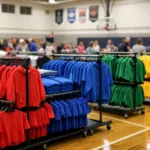
Organic cotton custom clothing is adaptable for diverse market needs. Sports apparel teams choose organic polos and tees for moisture-control and comfort, promotional programs rely on the eco story of GOTS-certified T-shirts, and lifestyle brands appreciate the soft handfeel and natural fiber hues for streetwear basics.
- Sports and Golf Apparel: Durable, moisture-wicking, UPF finishes
- Corporate Uniforms: Batch color, size consistency, premium embroidery
- Resort and Beachwear: Lightweight, antimicrobial, easy care
- Promotional Events: Fast lead times, sustainable messaging
- Athleisure/Lifestyle: Stretch blends, breathable fabrics, modern cuts
Compliance, Testing, and Standards in Sustainable Apparel
Effective compliance is vital for international distribution. Custom organic cotton clothing needs testing for colorfastness, seam strength, pilling, and wash stability using standards such as ISO 12945, ASTM D1683, and AATCC 135. Garments bear OEKO-TEX STANDARD 100 or GOTS certification labels, confirming absence of harmful substances and ethical production. Legal frameworks—like REACH (EU chemicals), CPSIA (US children’s wear), and Prop 65 (California)—impact labels, inks, and accessories sourcing, which reputable factories like Ninghow monitor meticulously.
Innovations and Trends in Custom Organic Cotton Clothing
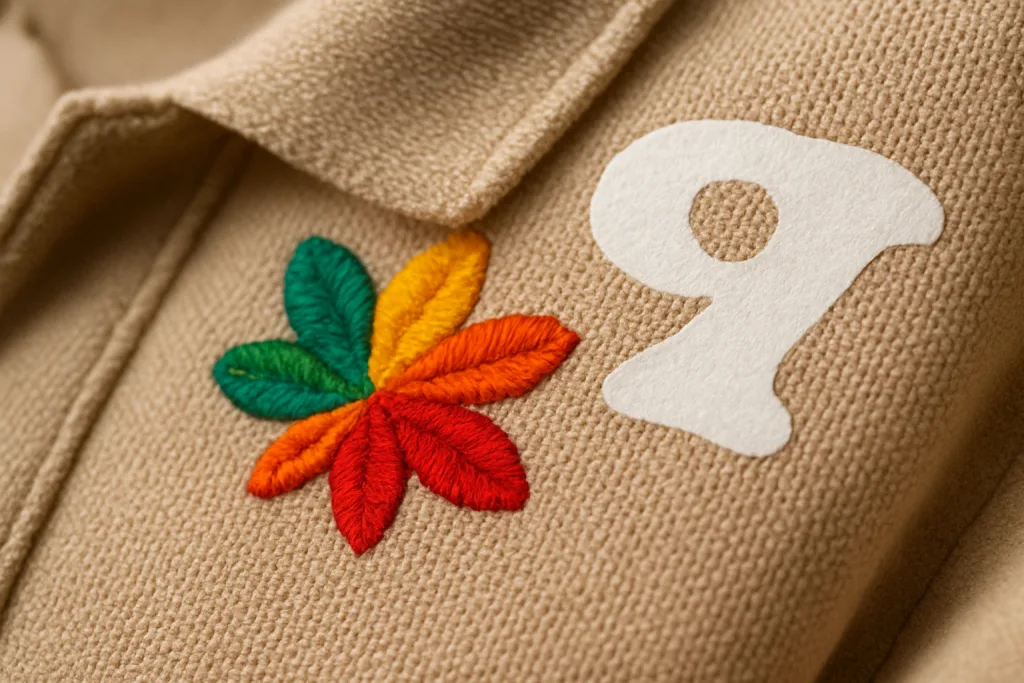
The evolution of custom organic cotton clothing is ongoing. Brands now leverage smart textile innovations—such as recycled blend knits, permanent antimicrobial treatments, and laser-cut embellishments. Batch traceability, digital proofing, and transparent supply chains empower responsible decision-making. Ninghow and other leading OEM/ODM factories increasingly integrate closed-loop processes, waterless dye techniques, and blockchain for certified authentication, keeping clients ahead of the sustainable curve.
Frequently Asked Questions
What certifications should custom organic cotton clothing have?
An authentic product should carry GOTS or OEKO-TEX STANDARD 100 certification, confirming organic content and chemical safety.
What is the typical MOQ for custom organic cotton garments?
Minimum order quantities for custom organic cotton clothing often range between 100 and 500 pieces per style, depending on complexity.
How is color consistency maintained in custom organic cotton clothing?
Manufacturers conduct lab dips, strike-offs, shade bands, and batch approval to ensure Pantone-matched and consistent color every production run.
Can organic cotton apparel include recycled, stretch, or technical blends?
Yes, organic cotton can be blended with rPET, elastane, modal, or viscose for added functionality without compromising sustainability.
How are finished garments packaged and shipped globally?
Finished custom organic cotton clothing is sorted, folded, packed in polybags or recycled packaging, labeled, and shipped with Incoterm options.
What testing is required before delivery of custom organic cotton garments?
Testing includes colorfastness, pilling, seam strength, dimensional change, and compliance with GOTS, OEKO-TEX, REACH, and local standards.
