
1. Start with a Clear Brand Identity
Before diving into fabrics or silhouettes, define your gym wear brand’s identity. Are you targeting high-performance athletes, casual fitness fans, or yoga enthusiasts? Your design language should reflect your core mission—whether it’s empowerment, luxury, minimalism, or inclusivity.
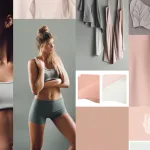
A strong identity helps guide design decisions consistently across all product lines. Consider creating a mood board with core values, inspirational imagery, and sample textures to visualize your brand voice. This clarity will make every design decision intentional and customer-focused.
2. Choose a Target Market and Workout Category
Not all gym wear is created equal. Designing for weightlifters is different from catering to Pilates practitioners. Identify your target demographic’s workout routines, preferences, and pain points.
For example:
- HIIT clothing needs superior breathability and sweat control.
- Yoga apparel must offer high stretch and smooth seams.
- Athleisure leans on style, fit, and fashion versatility.
Understanding the category allows you to tailor materials, fit, and features that resonate with your audience.
3. Select Functional, Breathable Fabrics
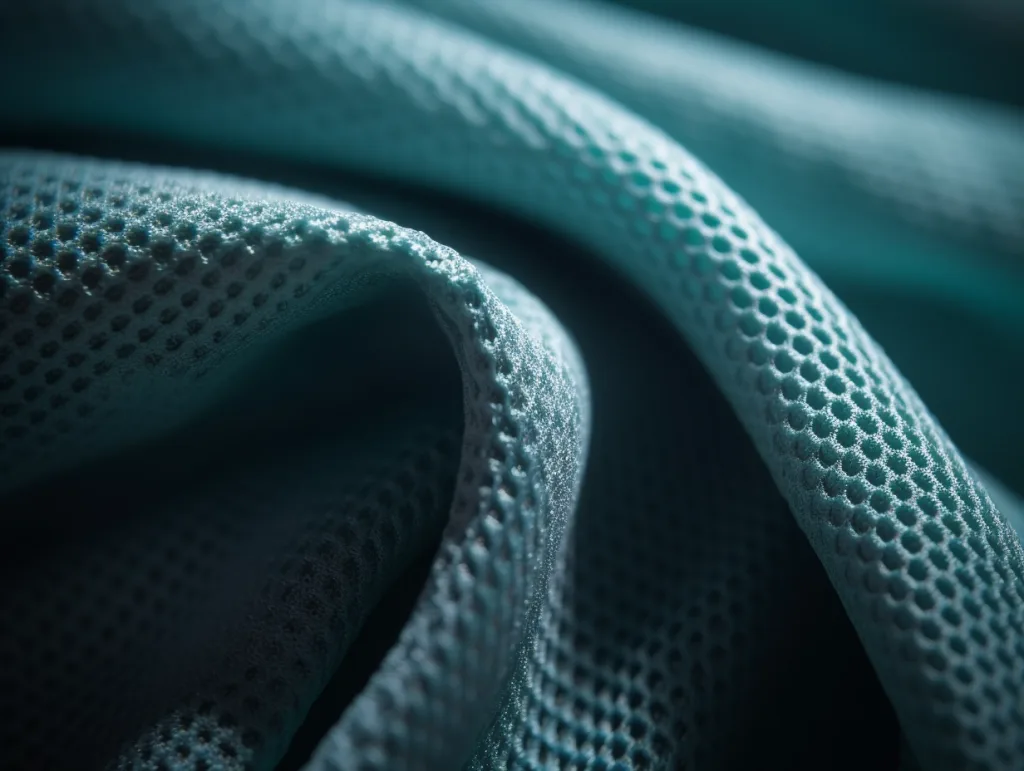
Material choice directly impacts performance and comfort. Go for:
- Moisture-wicking fabrics like polyester/spandex blends
- Antimicrobial finishes to reduce odor
- 4-way stretch materials for mobility
- Mesh panels for ventilation
When offering premium custom gym wear, prioritize functional fabrics tested for durability, sweat resistance, and ease of maintenance. Be sure to source materials that align with your sustainability values as well.
4. Understand the Power of Color Psychology
Colors not only affect aesthetics but also consumer emotions and buying behavior. Use color psychology strategically:
- Red = power & energy (ideal for high-intensity wear)
- Black = strength & luxury (great for premium collections)
- Blue/Green = calm & balance (fit for yoga or wellness gear)
- Neon accents = energy & visibility (great for outdoor fitness)
Offer a well-thought-out color palette that aligns with your brand while offering customers options for personalization or seasonal variation.
5. Design for Movement with the Right Cut and Fit
Gym wear must support dynamic movement. Your cuts should:
- Enhance flexibility (e.g., gusseted crotches, raglan sleeves)
- Avoid ride-ups or rolling (e.g., high-waisted leggings, contoured waistbands)
- Accommodate diverse body types (e.g., inclusive size ranges, adaptive fits)
Fit types can range from compression (performance) to relaxed (comfort). Provide clear sizing charts and fit guides to reduce returns and increase customer satisfaction.
6. Use Smart Seam Placement and Stitching Techniques
Seams influence both comfort and durability. Avoid placing seams in high-friction areas like underarms or inner thighs. Instead, use:
- Flatlock seams to minimize chafing
- Reinforced stitching for high-impact zones
- Taped seams for waterproof or minimalist aesthetics
Smart seam design not only improves wearability but also elevates the garment’s perceived quality.
7. Integrate Logos and Brand Marks Strategically
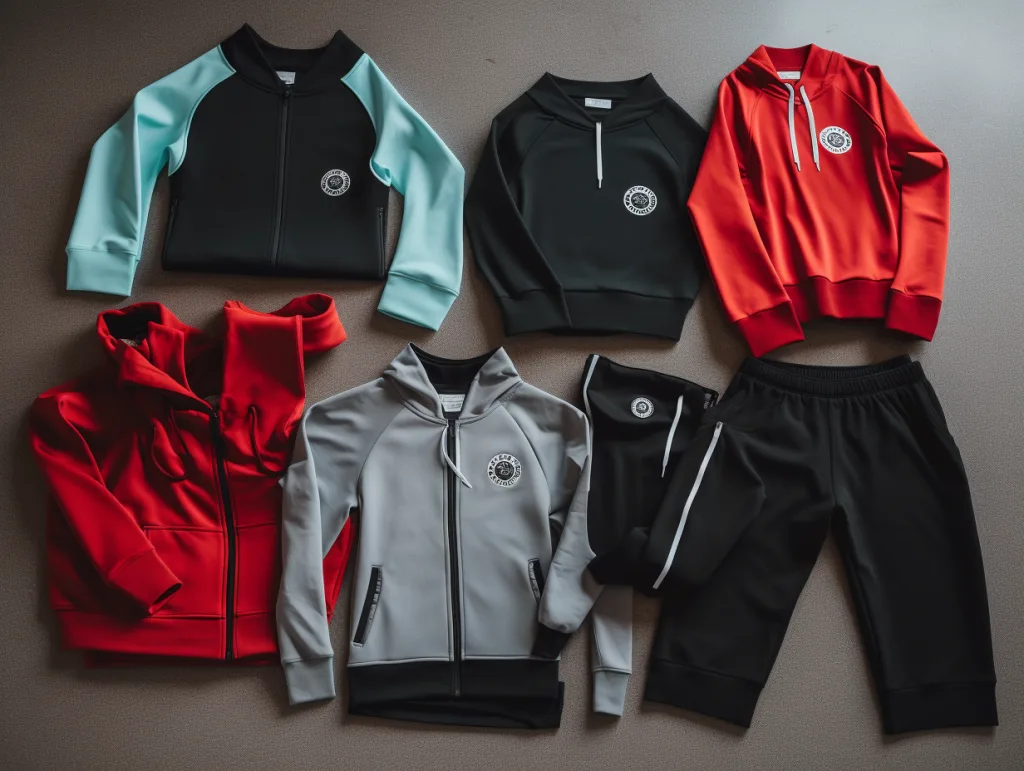
One of the most overlooked custom gym clothing design tips is logo placement. Your brand marks should be:
- Visible but subtle—avoid overpowering the design
- Functional—use reflective logos for night runs
- Durable—choose silicone, rubber, or heat-pressed logos that withstand washing
Ideal logo placements include:
- Chest (tops)
- Waistband or hip (bottoms)
- Back yoke or sleeve (jackets or hoodies)
Ensure logo size and color contrast enhance visibility without disrupting the design.
8. Offer Customization Options for Retail or Team Orders
For B2B clients or teams, allow:
- Color customization
- Logo uploads
- Name/number printing
- Fabric upgrades
This makes your offering more flexible for fitness studios, sports academies, or corporate wellness programs. You can also use mockup generators or 3D previews to enhance the buying experience.
9. Balance Aesthetics with Durability and Washability
Gym wear should look great and last long. During prototyping, test for:
- Colorfastness (no fading after multiple washes)
- Stretch recovery (fabric returns to shape)
- Pilling resistance (smooth after abrasion)
Avoid overly decorative elements that could hinder function. Instead, opt for smart trims like concealed zippers, adjustable drawcords, and minimal yet eye-catching graphics.
10. Work with an Experienced OEM/ODM Gym Wear Manufacturer
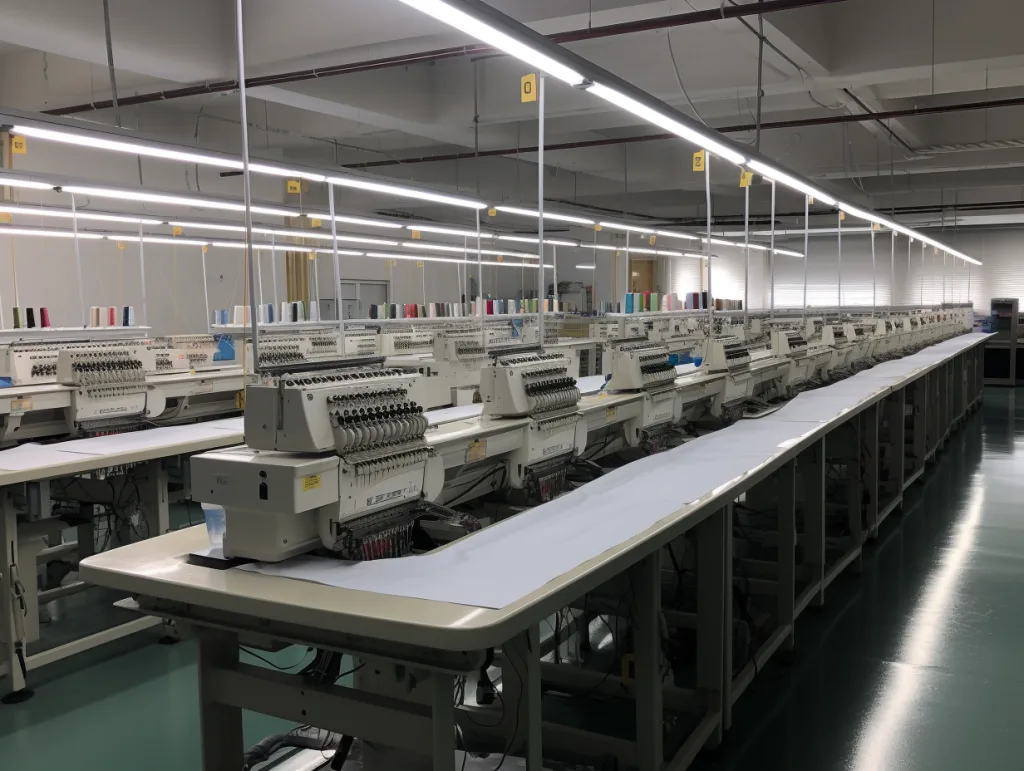
The final and perhaps most critical tip is choosing the right manufacturing partner. An experienced OEM/ODM partner like Ninghow can:
- Offer expert advice on design feasibility
- Source high-performance fabrics
- Provide pattern development & sampling
- Handle international shipping & logistics
Look for factories with low MOQs, strong QA systems, and responsive customer service. A strategic partnership ensures your custom gym wear aligns with your design goals, timeline, and budget.
📌 Frequently Asked Questions (FAQ)
1. What is the best fabric for gym wear?
Blends like polyester-spandex are ideal for gym wear due to their breathability, stretch, and moisture-wicking properties.
2. How do I choose colors for my gym wear brand?
Use color psychology and brand alignment. Red signals energy, black sophistication, and green wellness. Offer 2-3 core colors and seasonal palettes.
3. What logo methods are best for activewear?
Silicone patches, heat-transfer prints, and reflective vinyls are popular for their durability and aesthetic.
4. Can I customize gym wear in small batches?
Yes. Manufacturers like Ninghow offer low MOQ customization for startups, influencers, and boutique fitness brands.
5. What fit is best for activewear?
It depends on the activity. Compression fits for performance, relaxed cuts for yoga or casual wear. Always provide a fit guide.
6. How can I test product durability before launching?
Conduct wash tests, stretch recovery evaluations, and field testing with real users.
