


Introduction: The Science Behind Compression Sportswear Manufacturing
Compression sportswear manufacturing bridges advanced textile engineering with athletic performance. These garments support muscles, aid circulation, and enhance recovery. The craft calls for precise pressure grading, specific fiber and knit choices, expert patterning, and strict quality control. Ninghow, known for its quality and fit consistency, delivers reliable compression apparel for sports teams, active lifestyles, and promotional ventures.
Compression Fabrics & Garment Engineering
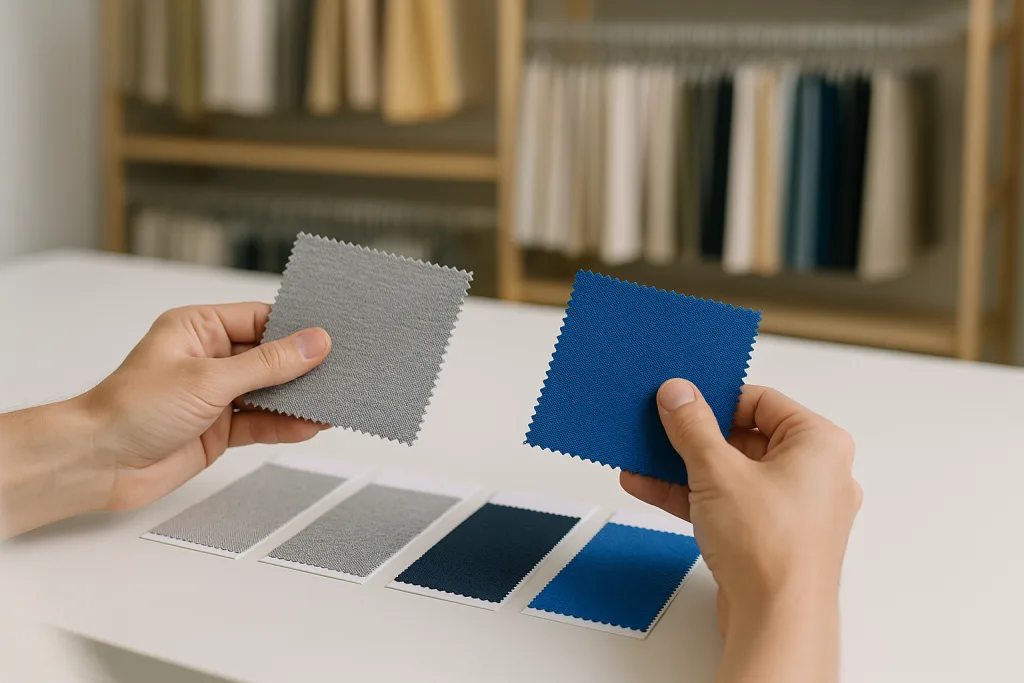
The heart of compression sportswear lies in engineering pressure zones that match anatomical needs. Graduated compression, which means tighter fit near wrists/ankles and gentler support elsewhere, requires exacting fabric selection, patterning, and construction skills. Ensuring each garment meets performance standards starts with the right materials and smart manufacturing.
Pressure Grading Basics: Why It Matters
Understanding Graduated Compression
Graduated compression applies strongest pressure at the extremities, easing toward the torso. This technique assists blood flow and muscle recovery. Medical-grade gear follows precise mmHg (millimeter of mercury) benchmarks, while performance-focused sportswear aims for muscle stabilization.
Setting Target Pressure Zones
- Calves often target 15–25 mmHg for circulation support.
- Thighs see lower pressure, around 10–15 mmHg.
- Arms use 12–18 mmHg near wrists, fading toward shoulders.
Tools Used for Grading
Pressure maps, digital fit mannequins, and circular knit tension meters help designers calibrate zones in tech packs.
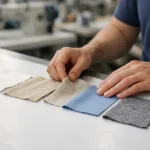
Fiber & Knit Types: Building the Foundation
Essential Fiber Blends
- Nylon/Polyamide: Smooth, durable, moisture-wicking.
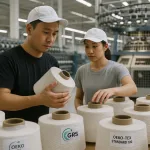
- Recycled Polyester (rPET): Eco-friendly, quick-drying, often GRS-certified.
- Elastane/Spandex/Lycra: Adds stretch—usually 18–24% for strong recovery.
- Modal/Viscose: Sometimes blended for silky handfeel.
Common Knit Structures
| Fabric Type | Knit Structure | Key Properties | Best Use |
|---|---|---|---|
| Single Jersey | Simple, lightweight | Soft, stretchable | Base layers, light teams |
| Circular Knit | Seamless tube | Compression, shape retention | Compression sleeves/tights |
| Warp Knit | Structural | Firm, stable | Performance tights, shape wear |
| Interlock | Double-knit | Thick, opaque, smooth | Training leggings, rugby shorts |
GSM: Getting Density Right
Compression fabrics need GSM (grams per square meter) between 180–300 for optimal tension and durability. Heavier GSM delivers more pressure and a robust feel, ideal for support panels or medical-grade use.
Patterning for Graduated Compression: Smart Design Techniques
Tech Pack Precision
A tech pack details size sets, pressure zones, markers, notches, and grainline orientation. Neglecting precision in patterning risks uneven pressure, which can impair circulation or degrade comfort.
Graded Size Sets
- S/M/L/XL size tiers require unique compression patterning for each.
- Markers guide auto-cutters and manual cutting, helping control stretch direction.
- Pre-lay, relaxing fabric for 12–24 hours before cutting maintains shape integrity after sewing.
Graduated Panel Construction
High-tension zones need narrow panels with more elastane. Back yokes or calf inserts dial up pressure where needed. Adding rib or mesh panels improves breathability without sacrificing support.
Seam Choices & Assembly: Comfort Meets Durability
Essential Seam Types
- Flatlock (ISO 602): Reduces bulk and chafing, ideal for compression apparel.
- Overlock (ISO 504): Secure raw edges, suitable for inside leg/tube joins.
- Coverstitch: Reinforces hems on sleeves and leggings, keeps seams flat.
Needle & Thread Selection
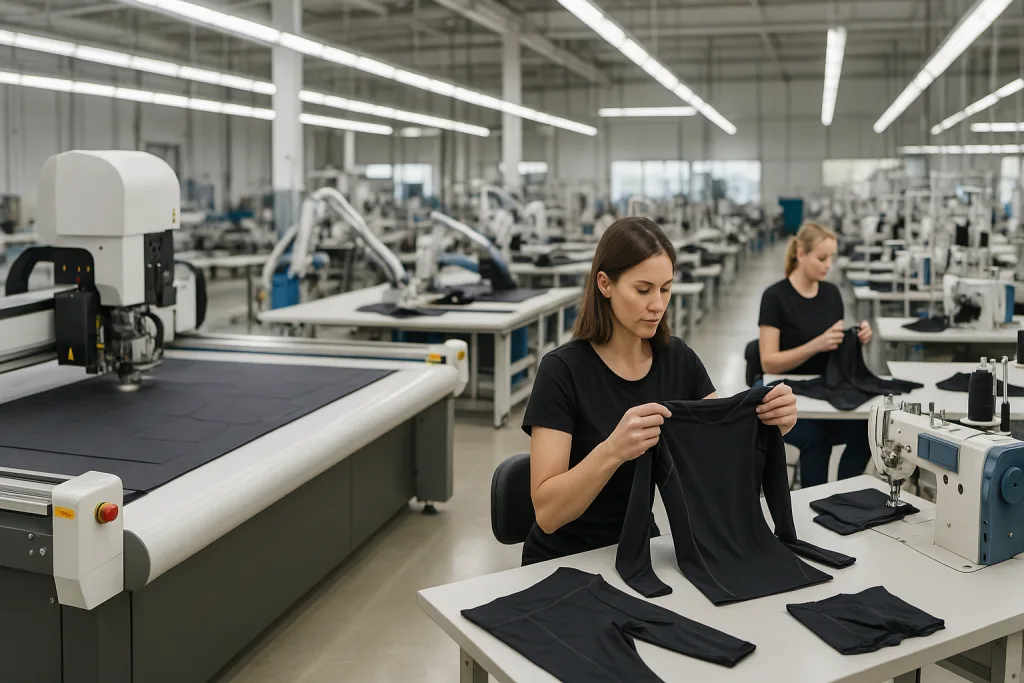
Stretch needles, bonded-polyester thread, and strong bartacks (reinforcing stitches) maintain seam strength. A typical SMV (Standard Minute Value) for a compression legging panel is 22–30, reflecting assembly complexity.
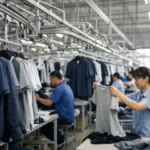
Line Balancing & Quality Checks
Inline checks catch puckering, popping stitches, and tension misalignment. Endline inspectors use spec tables and AQL protocols to approve finished units. Carefully placed notches and seam markers keep grading on target.
Fit Testing: The Final Quality Gate
Prototype & Size Sample Trials
- Lab dip & fabric strike-off confirm color and tension match before bulk runs.
- Measurement tables set fit tolerances (e.g., ±3 mm at cuffs/calf).
- Wear tests and stretch recovery trials track actual pressure zones to mmHg standards.
Batch Control
Size ratio packs and TOP samples (Top of Production) check consistent fit across batches. If shrinkage is >3% after a standard AATCC 135 wash test, compaction and pre-shrink finishes are revised.
Feedback Loops for Improvement
Wear trials record comfort, pressure, and durability over use. Adjustments iterate on panel shape and blend ratios. Ninghow incorporates these insights for higher buyer satisfaction and repeat orders.
Compliance Notes: Standards & Certifications
Global Standards
- OEKO-TEX Standard 100: Checks for chemical safety in textiles.
- GOTS: Organic fiber verification for cotton-based blends.
- ISO 105-C06/X12: Colorfastness testing.
- ASTM D1683: Seam strength for stress zones.
- BSCI, WRAP: Social responsibility audits.
- REACH & CPSIA: Chemical and consumer product safety checks for labels, inks, and accessories.
Testing Protocols
Lab facilities run colorfastness, dimensional change, pilling (ISO 12945), and seam burst testing. Results impact material choice and finishing steps to meet buyer standards.
Packaging & Logistics Control
Folded polybag specs, hangtags, barcoding, and carton marks support B2B delivery. Standard EXW/FOB/CIF/DDP Incoterms clarify lead time expectations—typically 18–40 days from approval to ship-out.
Decoration Methods for Compression Sportswear
Print & Embroidery Choices
- Screen print (plastisol for poly, water-based for cotton blends) yields bright logos with flexible handfeel.
- Heat transfer and sublimation (for poly/rPET) apply complex graphics without adding weight.
- Embroidery (flat/3D puff) works for branding, but should minimize seam bulk on compression panels.
Durability vs. Handfeel
Choosing the right process means balancing vibrancy, stretch, and smoothness. Quality screen print or transfer decor lasts through repeated washes, keeping branding intact.
Applications: Where Compression Sportswear Excels
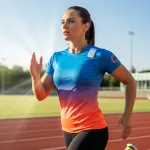
Sports & Performance
- Athlete training (track, football, rugby)
- Team uniforms for various sports
- CrossFit and high-intensity interval training
- Medical & recovery phases for muscle support
Promotional & Lifestyle
Promotional programs, streetwear launches, and resort boutiques often select compression shorts, tees, and leggings. Consistent fit and style, aligned with Ninghow’s craftsmanship, allow wide adoption for event merchandise and private labels.
Business Outcomes: Linking Engineering to Value
Durability
High-tensile seams, anti-pilling finishes, and robust fibers yield garments with long shelf life. Lower replacement rates help teams and buyers save on maintenance.
Fit Consistency
Precise patterning and stringent QC deliver fit consistency across orders, minimizing returns and maximizing customer satisfaction.
Color Stability
Pantone-matched bulk approvals and shade bands control color variation, protecting brand equity in teamwear and promotional goods.
MOQ, Cost & Lead Time
- Typical MOQ for compression gear: 300–500 units per style/color.
- Cost factors: fiber content, seam types, print/embroidery quantity.
- Lead time: 28–45 days for standard programs, plus lab dips and fit sample phases.
Expert Takeaways

The most successful compression sportswear combines fabric science with precise patterning. Consistent pressure grading, quality seams, and rigorous fit testing are critical for both athlete recovery and commercial stability.
- Start with pressure mapping to target true graduated compression.
- Choose blends with high elastane for reliable stretch and recovery.
- Flatlock and coverstitch bring comfort and durability to activewear seams.
- Test, measure, and continuously improve through wear trials and batch inspection.
Frequently Asked Questions
What is graduated compression in sportswear?
Graduated compression means that a garment applies higher pressure at the extremities, decreasing toward the body’s core. This design helps improve blood flow and reduce swelling.
Which fabrics are best for compression sportswear?
Strong nylon, recycled polyester (rPET), and blends with 18–24% elastane are favored for athletic compression gear due to durability, stretch, and moisture control.
How are compression sportswear patterns engineered for proper fit?
Patterns use graded size sets, precise panel shapes, and pressure maps. Fabric relaxation and marker placement maintain consistent compression zones after assembly.
What seam types improve comfort in compression apparel?
Flatlock seams reduce bulk and chafing, while coverstitching provides strong, flexible hems. Overlock seams secure fabric edges without discomfort.
What certifications matter in compression garment manufacturing?
Common certifications include OEKO-TEX Standard 100 for chemical safety, GOTS for organic content, ISO colorfastness, and BSCI/WRAP for ethical compliance.
How are garments tested for correct pressure and fit?
Fit and pressure are verified using stretch recovery trials, measurement tables, and wear tests against set mmHg benchmarks. Batch controls ensure consistency.
