
What is Private Label Organic Cotton Clothing?
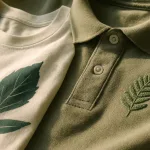
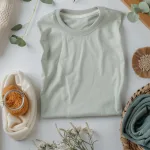
Private label organic cotton clothing refers to garments made from certified organic cotton that are manufactured by a third-party producer but branded and sold under your own label. In this model, fashion brands collaborate with ODM (Original Design Manufacturer) or OEM (Original Equipment Manufacturer) partners to produce eco-friendly apparel tailored to their design, fit, and brand specifications.

Unlike generic wholesale items, private label clothing allows complete control over brand image, design, and packaging. For instance, a startup brand may choose Ninghow to produce T-shirts, sweatshirts, or loungewear made from GOTS-certified organic cotton, complete with custom woven labels, hang tags, and eco-packaging that aligns with their brand story.
Understanding Organic Cotton and Its Global Demand
Organic cotton is cultivated without synthetic fertilizers or pesticides, ensuring minimal environmental impact and safer working conditions for farmers. With increasing awareness about sustainability, the global demand for organic cotton clothing has surged by over 25% annually, particularly in North America and Europe.
Private Label vs. White Label Explained
While white label products are pre-designed garments that multiple brands can rebrand and sell, private label apparel is customized — from fabric choice to pattern design. Private labeling gives fashion brands a unique voice and the freedom to innovate within a sustainable framework.
Why Organic Cotton Is Ideal for Private Label Brands

Organic cotton offers superior breathability, durability, and softness compared to conventional cotton. More importantly, it resonates with eco-conscious consumers who seek traceability and ethical fashion. By choosing organic cotton for your private label line, you enhance your brand’s commitment to sustainability and quality.
Certifications That Define True Organic Cotton
When launching your line, look for:
- GOTS (Global Organic Textile Standard)
- OEKO-TEX® Standard 100
- Fair Trade Certified™
- Organic Content Standard (OCS)
These certifications ensure your private label clothing meets global sustainability and safety benchmarks.
Benefits of Private Label for Fashion Brands
Control Over Brand Identity and Quality
Private labeling empowers you to decide every detail — from fabric sourcing to final packaging. Unlike wholesale models, you own the product concept and visual identity. This control ensures consistency, exclusivity, and brand differentiation.
Faster Market Entry and Cost Efficiency
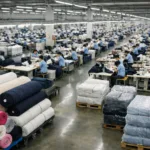
Partnering with an experienced ODM/OEM manufacturer like Ninghow simplifies the process. Manufacturers handle everything from pattern development to mass production, allowing you to focus on marketing and sales.
Sustainability and Brand Reputation
Brands embracing organic cotton private label manufacturing are perceived as more responsible and future-oriented. This not only attracts eco-conscious customers but also aligns with growing B2B retail requirements emphasizing sustainable sourcing.
Case Study: How Sustainable Labels Drive Consumer Loyalty
In 2024, several European boutique brands using Ninghow’s private label services saw a 40% increase in returning customers after launching certified organic cotton basics with biodegradable packaging.
How to Create Your Own Organic Cotton Clothing Line
Building your private label organic cotton clothing line involves seven crucial steps.
Step 1: Choosing a Reliable ODM/OEM Manufacturer
Find a manufacturer with experience in organic textiles, sustainability certifications, and transparent production. Check for:
- Proven quality control systems
- Low MOQ flexibility for startups
- In-house design and sampling team
Tip: Visit the factory (virtually or in person) to understand their process and ethics.
Step 2: Designing Your Organic Cotton Collection
Collaborate with the manufacturer’s design team to create a cohesive collection. Focus on timeless, comfortable, and minimal designs that complement organic materials.
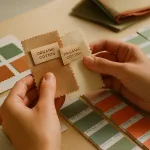
Step 3: Selecting Organic Materials and Trims
Choose from:
- 100% GOTS-certified organic cotton jersey
- Organic cotton fleece or French terry
- Natural fiber trims such as coconut buttons or organic threads
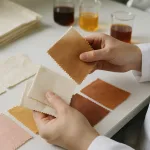
Step 4: Sampling, Testing, and Approvals
Before production, samples are developed to test fabric quality, fit, and stitching. This stage ensures your brand identity and product integrity align.
Step 5: Labels, Packaging, and Branding Options
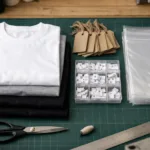
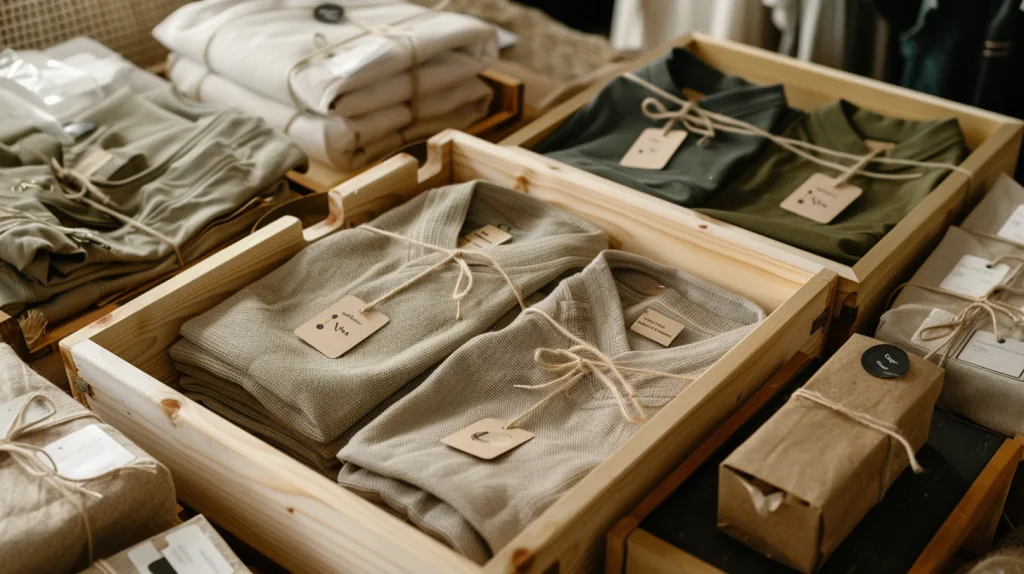
Your private label apparel should feature custom woven labels, hang tags, and packaging that reinforce sustainability and storytelling.
Eco-Friendly Packaging and Labeling Practices
- Recycled paper tags with soy-based ink
- Compostable polybags
- FSC-certified boxes
Minimum Order Quantities (MOQs) and Lead Time
Standard MOQs range between 100–300 pieces per style, depending on fabric and complexity. Lead time averages 45–60 days after sample approval.
Step 6: Production and Quality Control
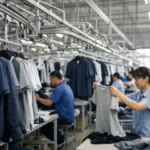
A reputable ODM/OEM like Ninghow conducts inspections at each stage—cutting, sewing, printing, and finishing—to ensure flawless production.
Step 7: Logistics, Shipping, and After-Sales Support
Manufacturers assist with packaging, labeling, and freight arrangements, ensuring your products are delivered safely and efficiently.
Private Label vs Wholesale Organic Cotton Clothing
Key Differences in Ownership, Customization, and Profit
| Feature | Private Label | Wholesale |
| Product Design | Custom & Exclusive | Pre-made |
| Branding | Fully Yours | Shared or Generic |
| MOQ | Moderate | Low |
| Profit Margin | Higher | Lower |
| Time to Market | Slightly Longer | Faster |
Which Model Fits Your Brand Strategy?
Choose private labeling if you aim for brand differentiation and long-term growth. Go for wholesale if you need quick market testing with minimal customization.
Private Label Organic Cotton Clothing: Industry Trends 2025
Growing Demand for Sustainable and Traceable Supply Chains
Consumers are demanding transparency. Expect QR-coded clothing tags with origin data and carbon footprint reports.
Smart Textiles and Digital Product Passports
Digital product passports are emerging in the EU, requiring brands to trace fiber-to-fabric journeys—a vital reason to partner with experienced ODMs like Ninghow.
Common Mistakes to Avoid When Starting a Private Label
Ignoring Certifications and Supplier Verification
Ensure all suppliers provide valid organic certifications to avoid greenwashing accusations.
Overcomplicating Product Range Too Early
Start with 3–5 essential products (e.g., T-shirts, hoodies, joggers) before expanding.
Poor Packaging and Labeling Choices
Unsustainable or cheap packaging can harm your eco-friendly brand image.
FAQs About Private Label Organic Cotton Clothing
1. What is the minimum order for private label organic cotton clothing?
Typically 100–300 pcs per style, depending on complexity and fabric.
2. Can I customize packaging and labeling?
Yes, Ninghow offers full packaging customization — tags, labels, and eco-boxes.
3. Do you offer both OEM and ODM services?
Yes. ODM for ready design solutions; OEM for custom specifications.
4. Are your fabrics GOTS-certified?
Absolutely. We use only GOTS, OEKO-TEX®, or OCS-certified materials.
5. Can small brands or startups work with you?
Yes. We support startups with flexible MOQs and guided onboarding.
6. What is the lead time for bulk production?
Typically 45–60 days after sample approval.
Conclusion: Building a Sustainable Brand Legacy
Launching your own private label organic cotton clothing line is more than a business venture—it’s a commitment to sustainability, ethics, and quality. With the right ODM/OEM partner like Ninghow, you can transform your eco-conscious vision into a profitable, long-lasting fashion brand.
