

Pillar Content: How to Find a Clothing Manufacturer in China (2025 Guide)
Launching a clothing brand is an exciting journey—but one of the most complex aspects is understanding the clothing manufacturing process. From the first spark of design inspiration to the final product arriving at your door, there are several crucial stages involved. For new brand owners, entrepreneurs, or even teams planning merchandise or uniforms, knowing how each stage works will empower you to make smarter decisions, avoid costly mistakes, and build a strong foundation for your brand.
In this comprehensive guide, we’ll break down the clothing manufacturing process step by step—from design and sampling to production and final delivery—so you know exactly what to expect and how to plan for success.
From Idea to Reality: The Full Clothing Manufacturing Process
The clothing manufacturing process involves a series of structured steps that transform a creative idea into a finished garment. Here’s a detailed look at each stage:
1. Concept and Design Development
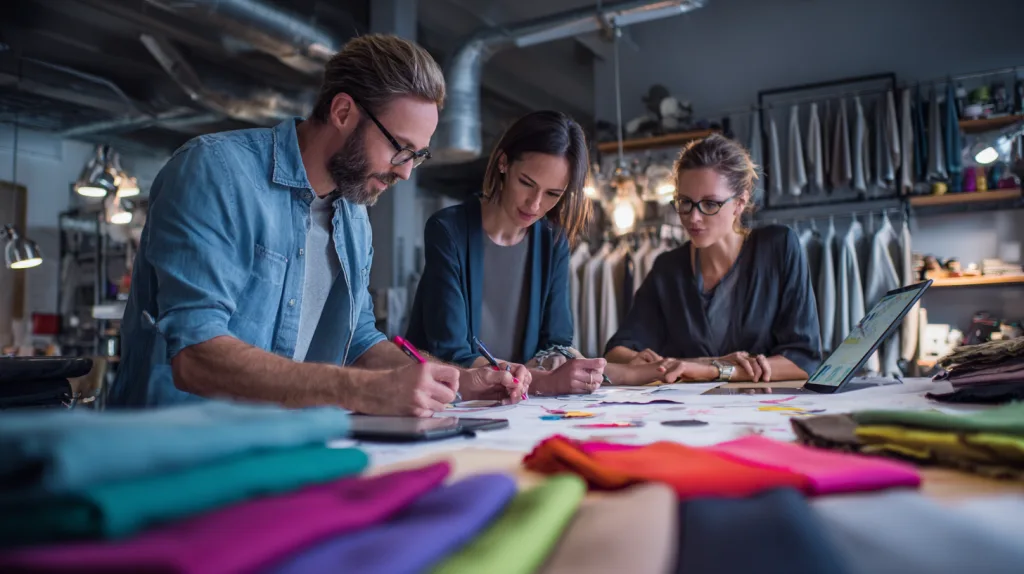
Every great garment starts with a great idea. At this stage, brand owners define:
- Target audience (demographics, lifestyle, sizing)
- Style and functionality goals
- Garment type and category (e.g., T-shirts, polo shirts, hoodies, shorts)
Design creation includes:
- Sketches or digital illustrations
- Fabric and color inspiration
- Mood boards and brand direction
At Ninghow, we often assist clients in refining their concept with tech pack templates, design suggestions, and sourcing guidance.
2. Tech Pack and Specification Sheet
The tech pack is a blueprint for your garment. It includes all the necessary technical details, such as:
- Detailed measurements (in all sizes)
- Stitching and construction guidelines
- Artwork placement, embroidery, or print design files
- Trim and accessory details (e.g., zippers, buttons, labels)
Clear tech packs help minimize back-and-forth and errors during sampling and production.
3. Sourcing Materials and Trims
Next, materials are sourced based on your tech pack and specifications. This includes:
- Fabrics: Cotton, polyester, blends, performance fabrics, etc.
- Trims: Zippers, buttons, cords, labels, etc.
- Printing or embroidery threads
Reliable manufacturers like Ninghow often maintain relationships with trusted suppliers and offer eco-friendly, sustainable options as well.
4. Sample Development
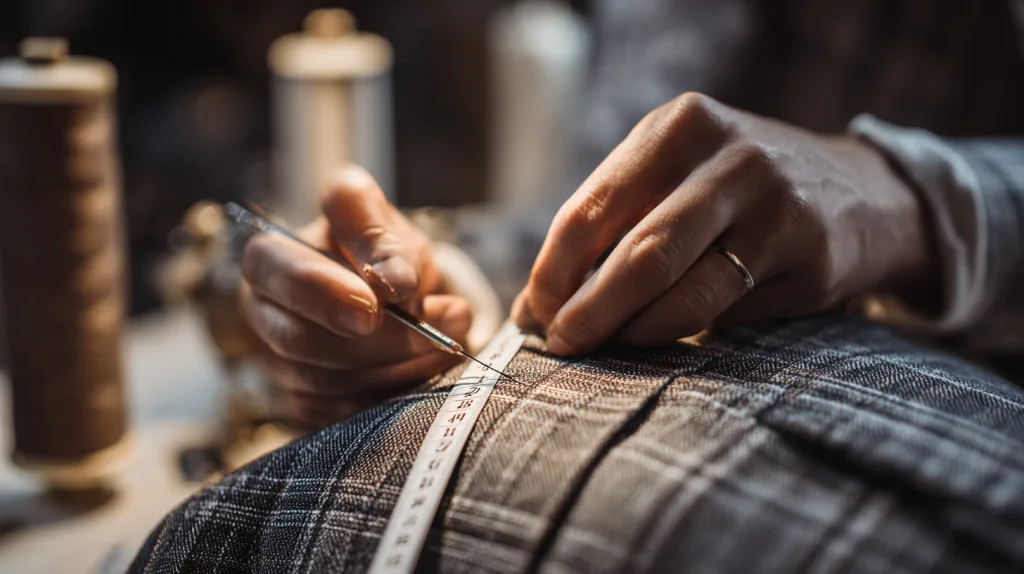
Before jumping into production, a sample (or prototype) is created to evaluate design accuracy and fit. There are usually three types of samples:
- Fit Sample: Focuses on cut, fit, and sizing.
- Proto Sample: Evaluates design, print, and construction.
- Pre-Production Sample (PPS): Final approval version before bulk production.
Brand owners should review samples thoroughly and give clear, consolidated feedback. At Ninghow, our fast sample turnaround helps clients iterate quickly.
5. Sample Approval and Revisions
Once the first sample is reviewed, adjustments are often needed. This phase might involve:
- Tweaking measurements for better fit
- Correcting print or embroidery placement
- Changing trims or fabric selections
It may take 1–3 rounds of sampling before approval. Don’t rush—this is where quality is locked in.
6. Pricing and MOQ Confirmation
Once the sample is approved, pricing is finalized based on:
- Quantity ordered
- Fabric type and availability
- Print techniques or embellishments
- Labor and complexity of the garment
Ninghow offers low MOQ (Minimum Order Quantity) options ideal for new brands and test launches.
7. Bulk Fabric Ordering
After approval, bulk fabric and trims are ordered. This step includes:
- Fabric lab dips or swatches for color approval
- Booking lead times with textile mills
- QC (quality control) on received materials
Efficient sourcing here prevents production delays.
8. Bulk Production
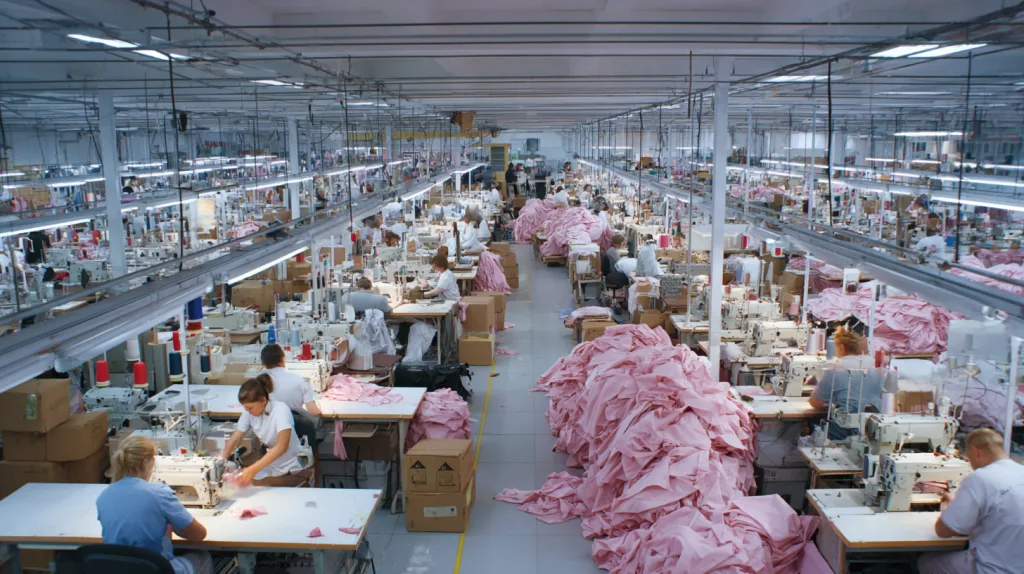
Now comes the heart of the clothing manufacturing process: full-scale production. It includes:
- Fabric cutting based on patterns
- Stitching and assembly
- Printing or embroidery application
- Quality control at each stage
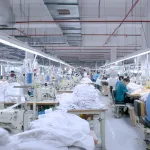
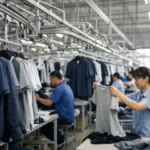
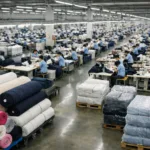
Factories typically work in assembly-line style for speed and consistency. At Ninghow, we blend machine precision with skilled craftsmanship for every order.
9. Final Quality Inspection
Before shipment, a final round of inspection ensures the garments meet the agreed standards:
- Measurement checks
- Stitch and seam review
- Print and color accuracy
- Packaging and label accuracy
Defective units are separated, and only quality-checked items move forward.
10. Packing and Shipping

Approved garments are then packed according to brand guidelines. This includes:
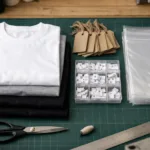
- Folding, bagging, or tagging
- Custom packaging (if requested)
- Shipping by sea, air, or courier depending on urgency and budget
We help clients choose the most cost-effective and timely logistics solution.
Choosing the Right Manufacturing Partner
Understanding the clothing manufacturing process is crucial—but so is choosing the right partner. Look for a manufacturer that offers:
- Transparent communication
- Flexible MOQs
- Sampling expertise
- On-time delivery
- Willingness to grow with your brand
Ninghow specializes in working with startups and small businesses. Whether you need custom polo shirts, high-performance sportswear, or beachwear, we simplify the process from A to Z.
Common Pitfalls to Avoid
If you’re new to apparel production, avoid these common mistakes:
- Skipping the tech pack or giving vague instructions
- Rushing sample approvals
- Ignoring minimums and lead times
- Not budgeting for shipping or taxes
- Choosing a manufacturer without checking their track record
Working with a structured, experienced team makes all the difference.
Final Thoughts: Clothing Manufacturing Process Made Simple
The clothing manufacturing process may seem overwhelming, but when broken down into clear steps, it becomes a manageable journey. From design and sampling to bulk production and delivery, each phase plays a critical role in ensuring your brand’s success.
By educating yourself and partnering with an experienced clothing manufacturer like Ninghow, you can bring your ideas to life with confidence, quality, and consistency.
