



Pillar Content: How to Find a Clothing Manufacturer in China (2025 Guide)
When sourcing apparel production overseas, clothing manufacturing cost in China is often the first thing buyers focus on. But a low per-unit price doesn’t tell the whole story. Understanding exactly what you’re paying for helps you budget accurately, avoid hidden costs, and ensure you’re getting real value—not just a cheap number on a quote.
In this guide, we break down the main cost components in Chinese clothing manufacturing, explain the difference between cost and value, and share how Ninghow keeps pricing transparent for brands of all sizes.
The 4 Main Components of Clothing Manufacturing Cost in China
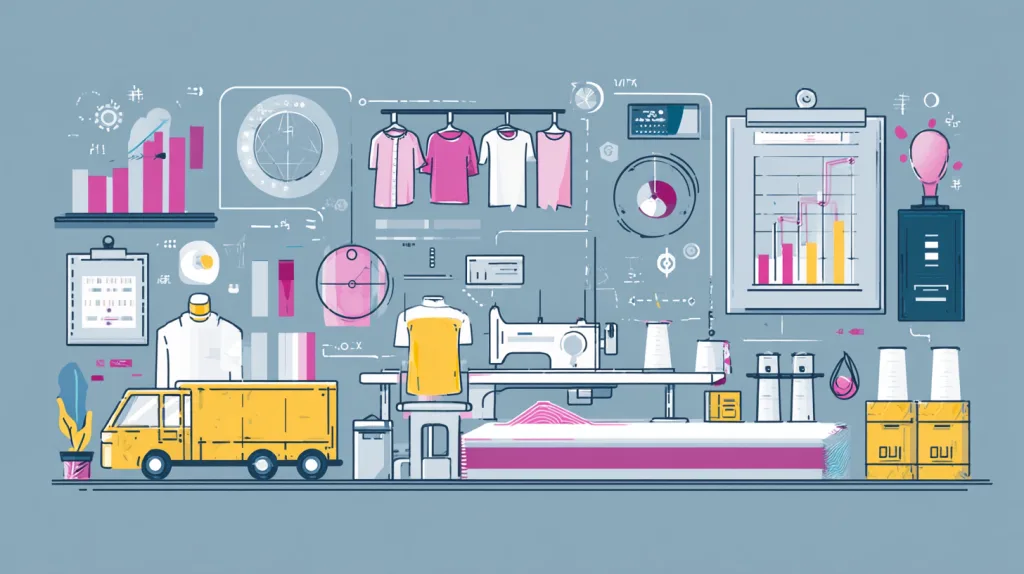
Every garment price you receive from a clothing manufacturer is made up of several layers. Knowing each one helps you compare quotes apples-to-apples and make smarter sourcing decisions.
1. Material Costs
Materials often make up 50–70% of the total cost, depending on garment type.
-
Fabric: The biggest cost driver—price varies based on fiber type (cotton, polyester, blends), weight (GSM), finish (brushed, moisture-wicking), and origin.
-
Trims & Notions: Buttons, zippers, elastic, labels, drawcords, care tags.
-
Custom Elements: Custom-dyed fabric, Pantone matching, special weaves.
Example: A basic cotton T-shirt fabric might cost $1.50–$2.00 per unit, while a custom-milled performance fabric could be $3.50–$6.00+.
2. Labor Costs
Labor in China is still competitive globally but has risen over the past decade.
-
Cutting and sewing
-
Embroidery or printing
-
Quality inspection and finishing
Complex garments (multi-panel sportswear, tailored jackets) require more skilled labor and time, increasing cost.
Tip: The cheapest labor rate isn’t always best—skilled workers reduce errors, saving you money in the long run.
3. Sampling & Development Costs
Before bulk production, you’ll invest in samples.
-
Pattern making
-
Sample sewing
-
Logo/print test runs
-
Revisions
Sampling costs are usually charged separately, with credits applied if you proceed to production. Expect $50–$200 per sample depending on complexity.
4. Logistics & Overhead
Beyond factory floor costs, there are additional expenses:
-
Packaging (polybag, branded tags, boxes)
-
Domestic transport (factory to port)
-
Export documentation
-
Shipping (air, sea, courier)
Shipping can be 5–20% of your landed cost, depending on method.
Cheap Price vs. True Value
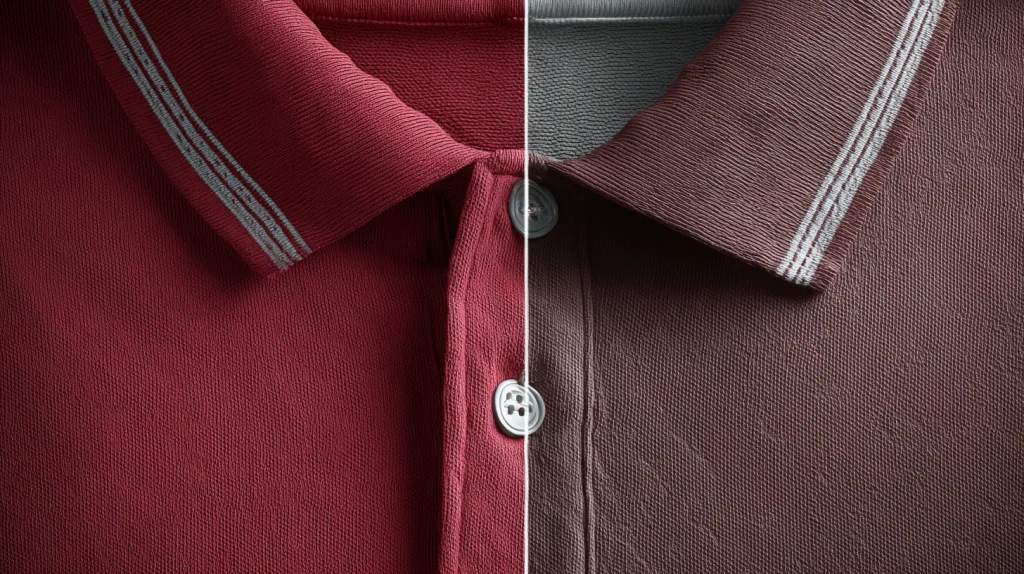
A $3 polo shirt might sound amazing—until you realize:
-
The fabric pills after two washes.
-
Stitching is uneven.
-
Sizes are inconsistent.
-
Delivery is late, costing you lost sales.
True value considers quality, consistency, and reliability. A slightly higher unit price from a skilled, transparent manufacturer often saves you more money over time.
Why Chasing the Lowest Price Can Backfire:
-
Higher defect rates → more returns & replacements
-
Inconsistent sizing → brand reputation damage
-
Delayed timelines → missed launch windows
-
Hidden costs → rush fees, extra sampling, rework
How Ninghow Ensures Cost Transparency

We believe in open-book pricing so you know exactly where your money goes.
Our Transparency Process:
-
Detailed Quotes: We break down fabric, trims, labor, and packaging.
-
Multiple Fabric Options: Choose from good-better-best to fit your budget.
-
Sampling Cost Credit: Apply part of your sample fee to bulk orders.
-
Clear Production Timelines: Know when each cost is incurred.
-
Freight Guidance: We help you choose the best shipping method for your budget & deadline.
By keeping you informed, we make it easier to balance quality, cost, and lead time—without surprises.
Cost-Saving Tips Without Sacrificing Quality
-
Order in larger quantities to reduce per-unit cost.
-
Use in-stock fabrics instead of custom dyeing.
-
Consolidate styles to share trims and reduce MOQ-related waste.
-
Plan ahead to avoid expensive rush orders.
-
Work with one manufacturer for multiple product types to leverage volume.
Example Cost Breakdown: 300pcs Custom Polo Shirt
| Cost Component | Unit Cost | Total (300 pcs) |
|---|---|---|
| Fabric & Trims | $4.20 | $1,260 |
| Labor | $1.50 | $450 |
| Packaging | $0.30 | $90 |
| Sampling (credit) | $0.20 | $60 |
| Total FOB China | $6.20 | $1,860 |
FOB: Free On Board price, excludes international shipping
Final Thoughts: Know What You’re Paying For
When you understand the full clothing manufacturing cost in China, you’re empowered to negotiate better, choose wisely, and build a brand that delivers both quality and profitability.
At Ninghow, we prioritize cost transparency and long-term partnerships. We want you to know exactly what’s behind every dollar so you can grow your brand with confidence.
