


When you’re launching a clothing brand or planning a new apparel line, one of the first questions that comes to mind is: “What will it cost to manufacture my clothing?” Understanding the clothing manufacturing cost is essential for pricing your products correctly, maintaining healthy margins, and avoiding unexpected budget overruns.
In this guide, we break down the key cost components involved in custom clothing manufacturing, explain how quotes are typically calculated, and offer insights to help you plan better, especially if you’re a startup brand or small business looking for flexible, low-MOQ production.
Understanding the Components of Clothing Manufacturing Cost
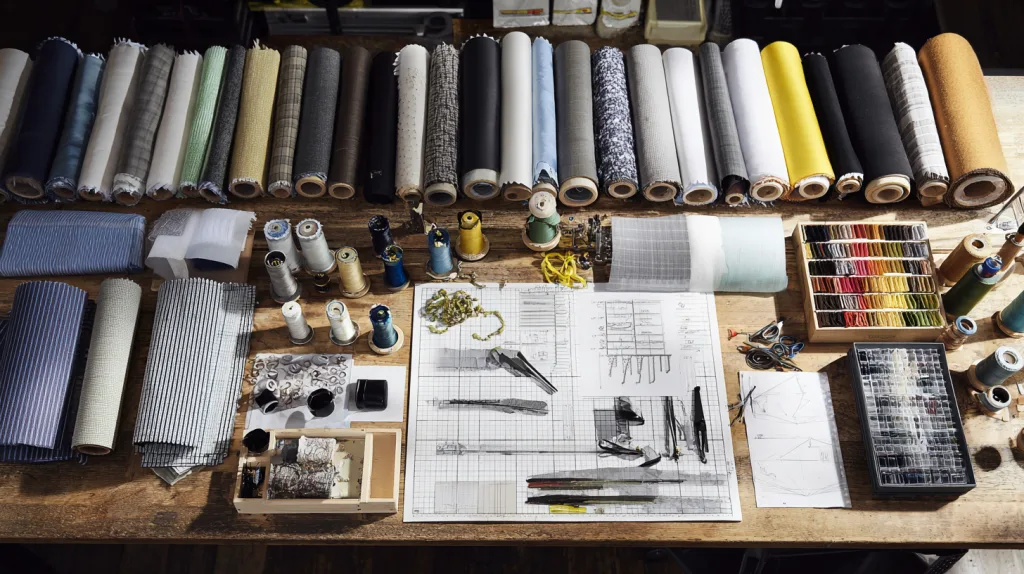
Clothing manufacturing costs aren’t just about sewing garments together. A complete cost breakdown involves multiple stages, each with its own pricing factors. Here are the primary cost components you should know:
Sampling and Prototyping
Before any mass production begins, you’ll need to develop samples. This step includes:
- Tech Pack Development: If you don’t have a tech pack, manufacturers may charge to create one based on your ideas.
- Pattern Making: Creating accurate garment patterns tailored to your design and sizes.
- Sample Sewing: Actual construction of a prototype garment for fitting and approval.
- Revisions: Any changes you make after initial sampling can add to the overall cost.
Average Cost Range: $50–$300 per design depending on complexity, materials, and revisions.
Materials and Fabrics
Materials typically form one of the biggest portions of your clothing manufacturing cost. Factors include:
- Fabric Type and Quality: Organic cotton, bamboo, polyester blends, performance fabric, etc.
- MOQ (Minimum Order Quantity) for fabrics: Buying low quantities may increase per-unit fabric costs.
- Trims and Accessories: Buttons, zippers, drawcords, labels, heat transfers, etc.
- Custom Dyeing or Printing: Screen printing, sublimation, embroidery, DTG, or pigment dyeing.
Cost Example: A 100% cotton T-shirt fabric might cost $2–$5 per unit. A hoodie with custom dyed fabric and zipper trims could be $6–$10 or more.
Labor and Production
Labor costs depend on where the clothing is produced and how complex the garment is. The more detailed your design (think multi-panel patterns, embroidery, or extra stitching), the more labor hours required.
- Sewing and Assembly
- Quality Control
- Packaging (e.g., polybags, size labels, hangtags)
Labor Cost Example:
- Simple T-shirt: $1.50–$4 labor cost per piece
- Complex hoodie: $5–$10 labor cost per piece
At Ninghow, our manufacturing partners are selected to balance cost-efficiency with ethical, skilled labor, offering competitive labor pricing even at low MOQs.
Logistics and Shipping
Don’t forget to factor in logistics when calculating your clothing manufacturing cost:
- Local or International Shipping: Air freight is faster but more expensive; sea freight is cheaper but slower.
- Customs Duties and Taxes
- Warehousing or Fulfillment Services (if applicable)
Shipping Cost Range:
- Domestic: $0.50–$2 per piece
- International: $1.50–$5 per piece (depending on volume, destination, and shipping method)
How Clothing Manufacturers Calculate a Quote
Once you provide your design or concept, clothing manufacturers typically follow a quote process like this:
- Design Review: You send sketches, references, or tech packs.
- Fabric Sourcing Check: They check availability and pricing for your desired materials.
- Sampling Estimate: Cost and timeline to develop your first sample.
- Production Unit Cost Estimate: Based on quantity, size range, production method.
- Shipping and Lead Time Calculation: Estimated delivery cost and timeline.
At Ninghow, we simplify this process by assigning a project manager who helps clients understand and optimize each stage.
Factors That Affect Your Final Quote
- Order Quantity: The more units you order, the lower your unit cost.
- Fabric Type and Source: Custom or imported fabrics may raise costs.
- Decoration Techniques: Printing and embroidery costs vary widely.
- Packaging Requirements: Custom packaging adds to labor and material costs.
- Timeline: Rush orders can incur express sampling or labor charges.
How to Reduce Your Clothing Manufacturing Cost
Want to optimize your budget without compromising quality? Here are some tips:
- Keep designs simple initially
- Use stock fabrics and trims instead of custom
- Bundle your orders to meet MOQs
- Start with small runs to test the market before scaling
- Communicate clearly to avoid costly revisions
Working with Ninghow, we provide flexible MOQs, fast sampling, and hands-on support for emerging brands so you can launch efficiently and affordably.
Real-World Example: Custom Hoodies for a Streetwear Startup
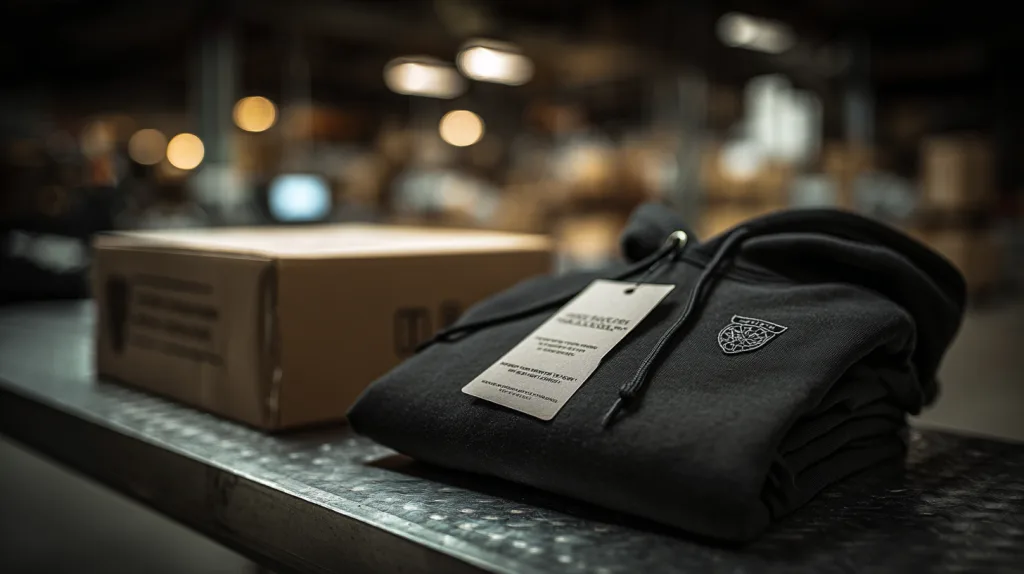
Let’s say a streetwear startup wants 200 custom hoodies with:
- Mid-weight fleece fabric
- Embroidered chest logo
- Woven neck label
- Custom polybag packaging
Estimated Cost Breakdown:
- Sampling: $120 (including pattern + sample)
- Fabric + trims: $6 per hoodie
- Labor: $5 per hoodie
- Packaging: $0.80 per hoodie
- Shipping (air freight): $2.50 per hoodie
Total Unit Cost (Estimate): ~$14.30 per piece
This can help the brand retail the hoodie around $50–70 depending on their positioning and audience.
Final Thoughts
Understanding your clothing manufacturing cost helps you price confidently, plan smarter, and scale sustainably. Whether you’re ordering 100 units or 10,000, breaking down costs by sampling, materials, labor, and logistics will give you better control over your product and your profit.
At Ninghow, we specialize in affordable, low-MOQ clothing manufacturers that supports startups and growing brands with full transparency. Reach out today to start building your custom apparel project.
