




Understanding the Clothing Manufacturer Evaluation Checklist
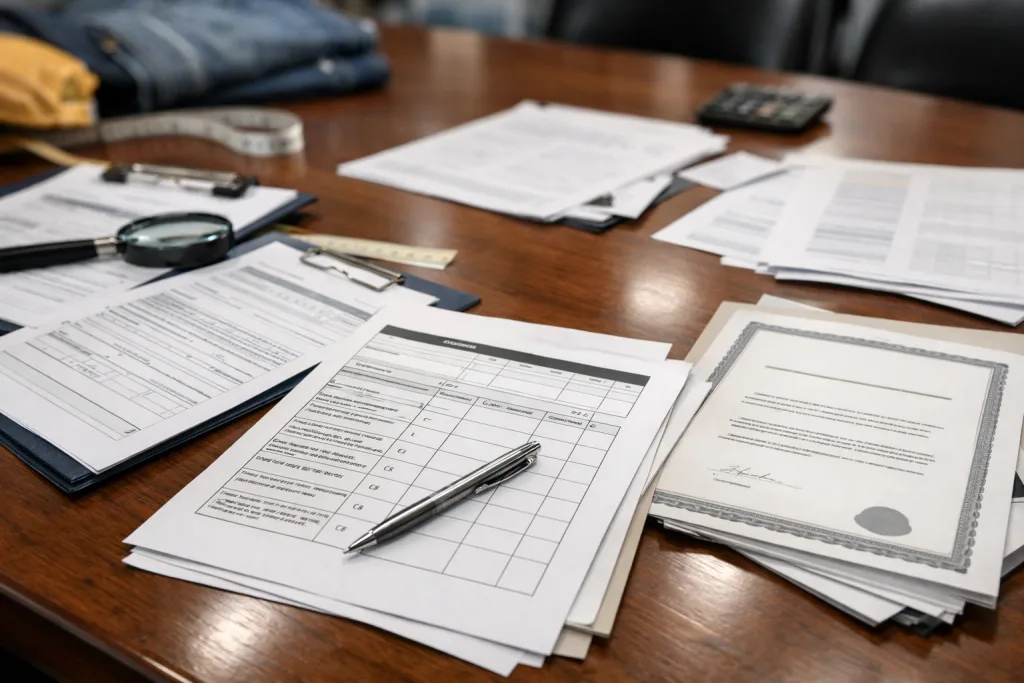
Choosing the right apparel factory is a crucial step for any brand, retailer, or designer planning to launch or scale up their line. A comprehensive clothing manufacturer evaluation checklist can save you time, headaches, and money by defining key evaluation dimensions, scorecard methods, and red-flag items. This guide will help you confidently assess and compare suppliers to find your ideal partner.
Why a Clothing Manufacturer Evaluation Checklist Is Essential

A structured evaluation checklist is more than a due diligence tool – it’s your map for finding reliable partners, maintaining quality standards, and avoiding costly surprises. It helps you:
- Clarify expectations and requirements
- Benchmark factories fairly and consistently
- Spot risks early (before production begins)
- Communicate professionally with your suppliers
Key Dimensions for Scoring Your Apparel Manufacturer
The best checklists are divided into meaningful evaluation dimensions. Let’s break down the most essential criteria for clothing manufacturers:
Product Quality
Review sample quality, consistency, workmanship, and fit. Look for robust quality management systems, availability of test reports, and strict raw material control.
Delivery Performance (Lead Time)
Track their history for on-time shipments. Evaluate production scheduling transparency, adaptability to your timelines, and their approach for handling potential delays.
Quality Control (QC) Systems
Scrutinize their in-process QC checkpoints, final inspection methods, defect handling, and openness to third-party audits. Request documentation on their AQL (Acceptable Quality Level) standards and returns rate.
Communication & Responsiveness
Clear, prompt, and professional communication is a must. Consider language capabilities, willingness to clarify requirements, and speed in providing solutions or updates.
Compliance (Social & Environmental)
Verify any certifications (ISO, Sedex, BSCI, WRAP, GOTS, etc.), audit reports, and policies on labor, workplace safety, and sustainability. Check their readiness for client or third-party compliance audits.
Pricing Transparency
Are quotations detailed, fair, and consistent over time? Hidden fees, fluctuating costs, or vague terms are warning signs.
Customization & R&D Capacity
Assess sample development efficiency, openness to new designs, and technical capabilities (pattern making, custom trims, embroidery, printing, etc.).
After-sales Support
Evaluate their process for handling complaints, defects, and replacement or compensation scenarios after order delivery.
Red Flag Items (Warning Signs)
Certain signals suggest a high risk even before you finish your scoring. If you encounter these, carefully reconsider:
- Inconsistent or evasive communication
- Major gaps in compliance (no certification, falsified audits)
- Refusal to share relevant documentation
- Poor quality or wildly variable sample results
- Reluctance toward third-party QC or audits
- Questionable payment or contract terms (e.g., big deposits for an untested supplier)
How to Develop and Use Your Scorecard Template
Translate your checklist into a practical scoring system. For each dimension, assign a possible range (e.g., 1 to 5 points). Clearly define what constitutes a 1 (poor) versus a 5 (excellent) for each item. Here’s a sample scorecard layout:
| Dimension | Poor (1) | Average (3) | Excellent (5) | Score |
|---|---|---|---|---|
| Quality | Major defects | Some minor issues | Zero defects | |
| Delivery | Always late | Occasional delay | Always on time | |
| Communication | Slow, unclear | Acceptable | Proactive, clear | |
| Compliance | No policy | Works in progress | Audited, certified |
Tally overall scores as you complete factory visits or sample projects. Consider weighting certain categories more heavily if they are key to your business (e.g., compliance for a sustainable brand).
Sample Scoring Method for Clothing Manufacturer Evaluation
To keep your evaluations fair, use these tips:
- Score using the same person or team across suppliers for consistency
- Document specific comments for each score
- Update your scores if new information arrives
- Set a minimum acceptable threshold (e.g., only work with suppliers scoring above 75%)
How to Conduct a Factory Visit (or Virtual Audit)
Whether you visit in person or virtually, prepare your checklist ahead of time:
- Walk the production lines and QC stations
- Review documentation: certifications, SOPs, sample logs
- Talk to production and management teams
- Photograph or video record (with permission) critical processes
- Assess workplace safety and staff morale
Brand Voice: How Ninghow Approaches Manufacturer Evaluation
At Ninghow, a trusted clothing manufacturer, the evaluation process starts even before the first sample leaves the workshop. We invite brand partners to review our sample room, understand our transparent communication process, and see our compliance certifications up close. Every potential client receives a checklist summary for deeper assurance. If you’re considering a reliable clothing manufacturer, it’s worth learning how factories like Ninghow approach real-world customization and production.
Tips for Comparing Multiple Clothing Manufacturers
When shortlisting factories, use a comparative matrix. Enter each supplier’s score side-by-side. Look for:
- Consistently high performers
- Outliers (very high or low in a single area)
- Fit with your brand values (e.g., eco-leadership)
Ninghow’s transparent documentation and willingness to host virtual tours have often made comparison easier for startups and established brands alike.
Integrating Third-Party Services and Tools
Consider using external QC companies, audit firms, or sourcing platforms when you need independent verification. Digital checklists and apps can streamline the scoring process and support cross-team collaboration.

Dealing with Low Scores and Red Flags
If a supplier fails in one or more major areas, communicate your concerns clearly. Sometimes, conditional cooperation (e.g., only producing after passing third-party QC) can resolve issues, but some red flags – like persistent compliance evasion – should mean ending negotiations.
Using the Checklist for Ongoing Performance Reviews
The checklist isn’t just for factory selection. Apply it quarterly or annually to existing partners to protect your interests and sustain continuous improvement.
Ensuring Factory Alignment with Your Brand Strategy
Are you a fast-fashion label, a luxury house, or an eco-conscious brand? Your evaluation checklist weighting should reflect what matters most to your business model and customers.
What to Look for in Sample Review Results
Comparing samples? Focus on details such as stitching, labeling, colorfastness, handfeel, and overall finish. Document these alongside your main scorecard for a more holistic assessment.
Evaluating Ethical Labor & Sustainability Practices
Sustainability audits, recycling policies, and fair wage commitments are increasingly essential. Suppliers like Ninghow publicly share their sustainability progress within the checklist documentation to support eco-focused brands.
Key Contract Clauses Matching Your Checklist Findings
Reflect your evaluation in contracts: include penalties for late delivery, mandatory QC checks, compliance responsibilities, and defect compensation.
Common Pitfalls to Avoid in Factory Evaluation
Avoid judging purely on price or sample appearance. Dig deeper into process capability, documentation, and supplier stability. Never ignore your checklist’s red flag warnings.
Best Practices for Onboarding New Suppliers
After passing your checklist, new suppliers still need careful onboarding: training on your standards, providing detailed tech packs, and running small test orders first.
Documenting and Updating Your Evaluation Process
Your checklist should be a living document. Revisit and update it yearly, especially as new regulations or market trends emerge.
How to Train Your Team for Fair Supplier Evaluation
Hold workshops, conduct paired audits, and share real case studies. An aligned team ensures more objective, consistent supplier scoring.
Risks of Skipping Steps in the Evaluation Checklist
The temptation to cut corners is real under production pressure. But missing even a single verification can lead to lost orders, reputational hits, or financially devastating product recalls.
Checklist Customization for Different Product Types
For denim, activewear, or technical outdoor gear, add sections specific to your needs—such as seam strength tests, wash trials, or technical finishing.
How Digital Tools Can Upgrade Your Factory Evaluation
Modern sourcing teams use cloud-based scorecards, supplier rating platforms, and live checklists to track supplier data, supporting audits and reporting across regions.
The Value of Building Long-Term Partnerships
Beyond the checklist, consider each supplier’s willingness to invest in your success with proactive solutions, flexible MOQs, and ongoing process improvement. For many brands, this is where working with partners like Ninghow has made a lasting difference.
Conclusion: Mastering Your Clothing Manufacturer Evaluation Checklist
A well-designed clothing manufacturer evaluation checklist is your ticket to lasting supply chain confidence. By scoring objectively across quality, delivery, QC, communication, and compliance, you can select partners who align with your vision and safeguard your brand. Update your checklist regularly and use it as both a selection and continuous review tool. Trust well-documented facts more than promises—your brand’s reputation depends on it.
Frequently Asked Questions
What is a clothing manufacturer evaluation checklist used for?
It’s used to objectively assess and compare apparel suppliers across quality, delivery, compliance, and business service criteria, ensuring reliable partnerships.
How should I weight each scorecard category?
Base weights on your business priorities: a sustainable brand might weight compliance highest, while a fast-fashion retailer could focus more on lead time.
What red flags should I never ignore?
Red flags include refusing audits, poor communication, fake certifications, inconsistent samples, or extremely vague contract/payment terms.
Can a great sample guarantee good mass production?
No—always score factories’ quality systems and track record in production, not just their best samples. Consistency is key.
How often should I review existing suppliers?
Re-evaluate partners at least yearly, or after major issues. Continuous assessment helps maintain mutually beneficial relationships.
Is it safe to work with a new clothing manufacturer without visiting the factory?
Yes, if you use digital audits, support from trusted buying offices, and a robust checklist. However, in-person visits remain the most reliable option.
