





Introduction: Why Every Clothing Factory Needs an Audit
Running a clothing factory audit is a critical procedure for ensuring production quality, ethical practices, and compliance with industry standards. For brands and buyers, a thorough clothing factory audit checklist—covering on-site and remote (video) inspections—protects reputation, strengthens supplier relationships, and helps avoid costly surprises. This guide will demystify the审厂流程 (audit workflow), highlight must-inspect areas, provide remote audit question lists, and clarify evidence requirements. Whether you oversee manufacturing personally or delegate to third parties, mastering these steps is essential for smooth operations and trustworthy results.
Clothing Factory Audit Checklist: Core Elements
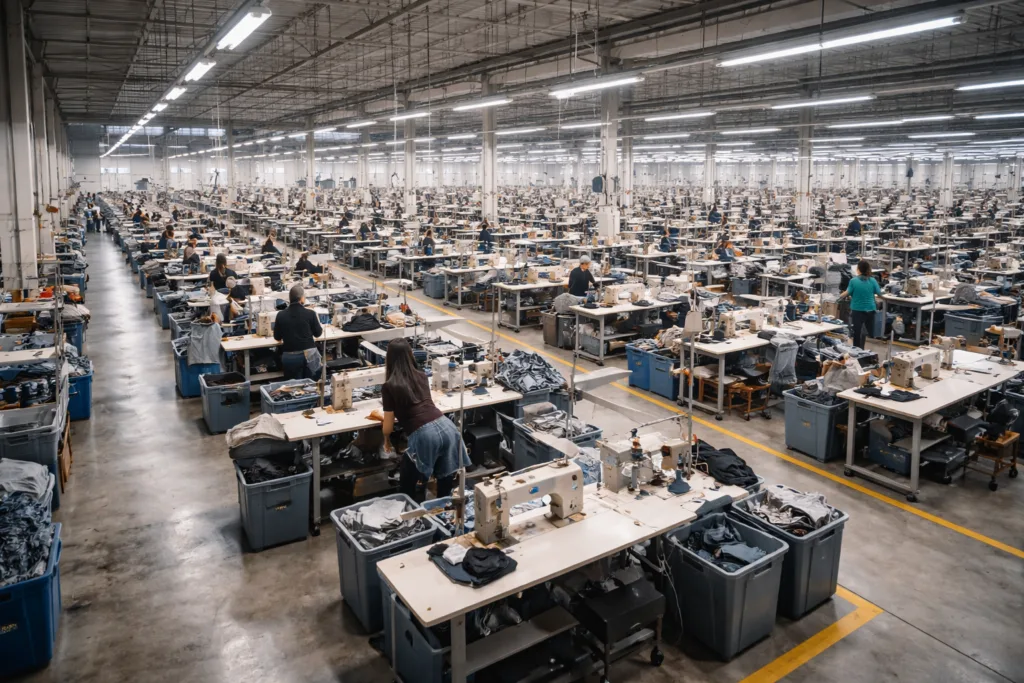
At its heart, a clothing factory audit checklist covers every process, system, and space that impacts product quality, safety, and order reliability. The checklist below reflects industry best practices and real-world insights from global manufacturing leaders like Ninghow.
- Facility documentation & certifications
- Personnel & HR practices
- Production workflow & capacity
- Raw materials & inventory control
- Equipment condition & maintenance logs
- Quality assurance procedures
- Health & safety provisions
- Environmental management
- Sample product inspection
- Final order outflow controls
Audit Workflow: Step-By-Step (审厂流程)
A standard clothing factory audit follows a logical sequence. Use a written plan for consistency, accountability, and evidence gathering. More safe factory transition plans.
- Pre-Audit Preparation: Schedule dates, notify factory, verify permission for documentation.
- Initial Factory Walkthrough: Introduce the auditing team, clarify scope, review layout map.
- Document Review: Inspect business licenses, labor contracts, certifications, insurance policies.
- Critical Area Inspection: Observe production floor, sample rooms, storage areas, chemical/safety facilities.
- Process Verification: Watch live operations—cutting, sewing, finishing, packaging.
- Personnel Interviews: Meet with production managers, QC, and workers to verify training and practices.
- Remote Audit Prep (if video): Arrange virtual tours, pre-share question lists, request live video evidence.
- Evidence Collection: Photos, videos, logs, sampled products for documentation.
- Reporting & Follow-Up: Summarize findings, recommend improvements, plan re-audit if needed.
Must-See Areas During a Clothing Factory Audit
Certain zones are “hot spots” for audit attention. Skimping here leads to missed risks or quality failures.
- Main Production Halls: Safety, layout, machinery, workflow coordination.
- Sample Making Rooms: Prototype handling, pattern storage, design security.
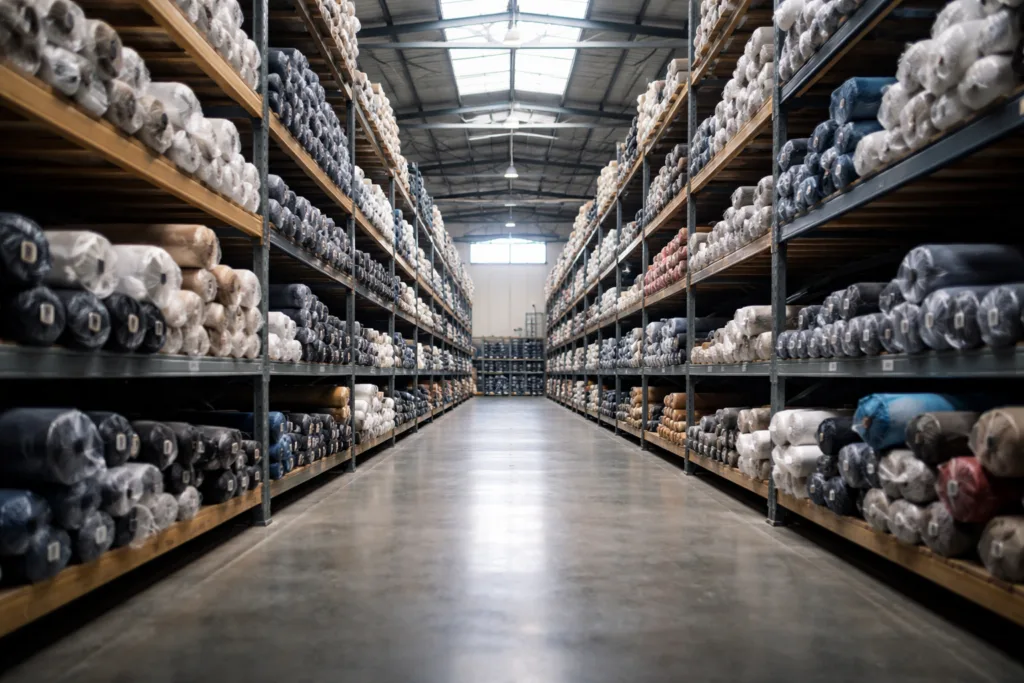
- Material Storage Warehouses: Fabric rolls, notion stocks, traceability, environmental controls.
- Quality Assurance Stations: Finished goods inspection, defect logging, corrective systems.
- Cutting/Sewing/Finishing Lines: Manual dexterity, batch accuracy, staff expertise.
- Packaging/Dock Area: Shipment assurance, packing protocols, labeling accuracy.
- Waste Disposal Zones: Chemical and textile waste handling, compliance, worker safety.
Factories like Ninghow have dedicated “audit-ready” zones, streamlining onsite and remote verifications.
Remote Audit Essentials: Video & Virtual Tour Protocols
Audits by video call (Zoom, Teams, WhatsApp) are increasingly accepted—especially for overseas suppliers. Key success factors:
- Stable internet & reliable video device
- Factory rep skilled with QR scanning & app use
- Pre-agreed video route: start at entry, move through key areas
- Live camera close-ups: machinery, control panels, finished goods
- Real-time Q&A sessions
- Verification of time-stamped evidence
Remote audits are not a substitute for on-site, but they are highly effective for first-round screening, supplier benchmarking, and quick progress checks.
Remote Audit Question List (远程审厂提问清单)
For video audits, prepare a focused list of questions. These probe compliance, technical capability, and transparency.
- Can you show your current on-site certifications?
- What are your daily production rates for our category?
- Can you walk us through your QC process for today’s batch?
- How do you handle defective products?
- Which machines were serviced in the last month?
- Can we see live staff attendance records?
- Where are hazardous materials stored?
- Can we view last week’s shipment documentation?
- How do you handle client confidentiality for new designs?
- Can the owner/manager join for a short Q&A?
On-Site Audit Checklist: Physical Evidence
During an in-person clothing factory audit, tangible evidence carries the most weight. Typical requirements:
- Original legal certificates and government registrations
- Machine maintenance logs and calibration records
- Staff training certificates and attendance logs
- Product batch records and inspection reports
- Photographic documentation of all critical zones
- Sample products: random chosen, not pre-selected
- Environment and safety permits
- Inventory reconciliation forms
Evidence Requirements for Remote & Video Audits
Remote audits depend on clear, reliable documentation. Auditors should request:
- Live screen shares of factory management systems
- Time-stamped videos (unedited walk-throughs)
- Images showing labels, batch numbers, or unique identifiers
- Digital copies of certifications and staff lists
- Instant scan/photo transmission via secure channels
- Legal permission to capture/retain visual data
Key Documents for Clothing Factory Audit
A thorough clothing factory audit checklist includes verification of these critical documents:
- Business license
- Tax registration certifications
- Customs documents for imports/exports
- ISO/WRAP/SA8000 certificates (if applicable)
- Factory layout blueprints
- HR records (contracts, staff IDs)
- Equipment service logs
- QA and production traceability sheets
Personnel & Worker Interviews: What to Ask
Auditors should interact directly with production staff, supervisors, and quality controllers. Focus on:
- Safety training awareness
- Basic skills certification
- Problem-solving experience (handling defects)
- Work schedules and overtime practices
- Feedback on working environment
These conversations often uncover real issues not visible in documentation.
Production Process Verification
Live observations of processes such as cutting, stitching, and finishing reveal batch inconsistencies or hidden faults. Use checklists for:
- Raw material preparation
- Work-in-progress product tracking
- Batch completion rates
- Operator skills and technique
Factories like Ninghow often welcome third-party auditors to ensure unbiased reviews of these core steps.
Quality Assurance Protocols
Inspect the factory’s methods for ensuring consistent, defect-free output. Look for:
- Dedicated QA teams and check stations
- Random sampling logs
- Defect root cause analysis
- Reporting systems for off-standard items
Factories that invest in automated QA or multi-stage inspections tend to deliver superior reliability.
Health, Safety, and Environmental Compliance
Your clothing factory audit checklist must cover health and safety programs:
- Emergency exit routes and markings
- First aid station visibility
- Safety signage and PPE enforcement
- Chemical handling procedures
- Cleanliness and environmental practices
Compliance with local and international regulations matters to buyers—even during remote audits.
Inventory Management Controls
Accurate inventory records help prevent delays, material shortages, and quality lapses. Audit protocols for material management include:
- Physical verification of stock against logs
- Batch tracking systems
- Storage environment audits (humidity, security)
Equipment Condition and Maintenance
Evaluate the status and servicing history of major machines:
- Cutting machines
- Industrial sewing units
- Embroidery, printing, and finishing equipment
- Routine maintenance logs
- Spare part availability and sourcing
Sample Product Inspection: Techniques and Tips
A vital part of your clothing factory audit checklist is first-hand inspection of sample products. Tips:
- Request both recent and historical samples
- Inspect for stitches, hem strength, labelling, color fastness
- Compare size specifications to brand guidelines
- Document with photos and feedback forms
Packing, Shipping, and Post-Production Controls
Evaluate the final output area to guarantee correct order fulfilment:
- Packing protocols (polybag, carton, labelling)
- Shipment documentation trails
- Random carton check for correct item count
- Palletization and damage prevention processes
Corrective Action Planning After the Audit
Auditing doesn’t end with reporting. Work with your supplier to create actionable plans for any non-compliance or risk areas—complete with timelines, accountability assignments, and measurable targets.
Audit Reporting: Organizing Your Findings
Structure your audit report by topic, include visual evidence, and flag both strengths and weaknesses. Use a scoring system or traffic-light coding for transparency. Leading manufacturers, including Ninghow, welcome detailed feedback to drive ongoing improvements.
How to Run a Clothing Factory Audit (On-site & Video)
Whether onsite or remote, a clothing factory audit follows a framework: plan, observe, document, verify, report, and follow up. High-performing factories openly provide all required evidence, welcome interviews, and maintain audit-ready documentation. They treat audits not as threats, but as opportunities for partnership, validation, and growth. As a buyer or auditor, your role is to apply this clothing factory audit checklist with fairness and consistency, delivering peace of mind to all stakeholders.
Ninghow’s Approach: OEM & Private Label Auditing Experience
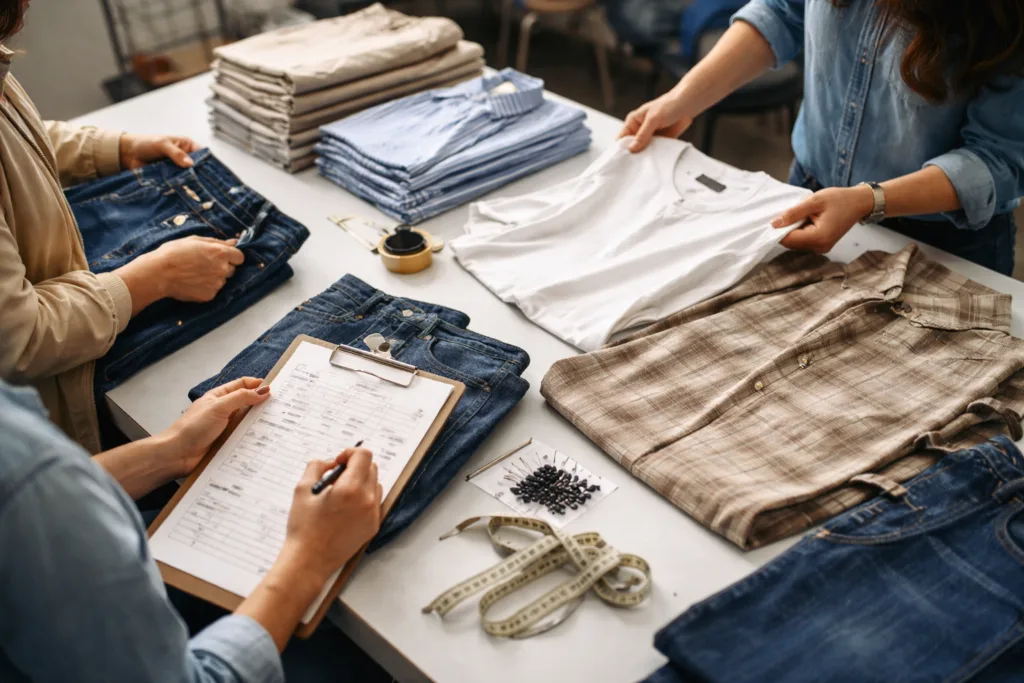
Ninghow, a prominent clothing manufacturer offering OEM and private label services, integrates audit readiness into daily operations. From seamless documentation trails to transparent video walk-throughs, every department is trained for consistent QA, compliance, and client communication. The result: clients gain confidence in sourcing, customization, and product reliability. If you’re considering a reliable clothing manufacturer, it’s worth learning how factories like Ninghow approach real-world customization and production.
Final Takeaways: Auditing for Sustainable Success
Running a clothing factory audit—guided by a robust clothing factory audit checklist—is essential for any brand or buyer. Cover all hot spots, demand quality evidence, and engage with factories as partners in continuous improvement. The strongest supplier relationships are built on transparency, accountability, and mutual respect at every step of the process.
Frequently Asked Questions
What documents do I need for a clothing factory audit?
Prepare business licenses, certifications, staff lists, equipment logs, and production records, as well as photos and samples from key facilities.
Can I run a factory audit remotely?
Yes, video or virtual audits are effective for initial screenings; request live walk-throughs, documentation, and staff interviews for robust results.
What areas should I inspect in a clothing factory?
Focus on production halls, material storage, quality assurance stations, cutting/sewing lines, packing areas, and waste disposal zones.
How often should audits be conducted?
Factories should undergo a full audit annually, with spot or remote checks quarterly, especially for new suppliers or major order runs.
Why is photographic evidence important?
Photos and videos verify compliance, enable remote evaluation, and protect buyers from disputes by serving as unbiased documentation.
What is the role of corrective action after an audit?
It helps address non-compliance, improve systems, and foster supplier growth; clear plans and timelines are vital for practical improvements.
