





Pillar Content:Clothing Manufacturing Process
In the world of clothing exports, understanding the shipping terms like FOB, CIF, and DDP is essential to saving costs and ensuring smooth delivery. Ninghow, a leading specialist in athletic wear, beachwear, business attire, and customizable OEM/ODM solutions with no MOQ for international wholesale, is here to help. This guide explains these terms clearly and helps your brand choose the best one.
What is FOB (Free on Board)?
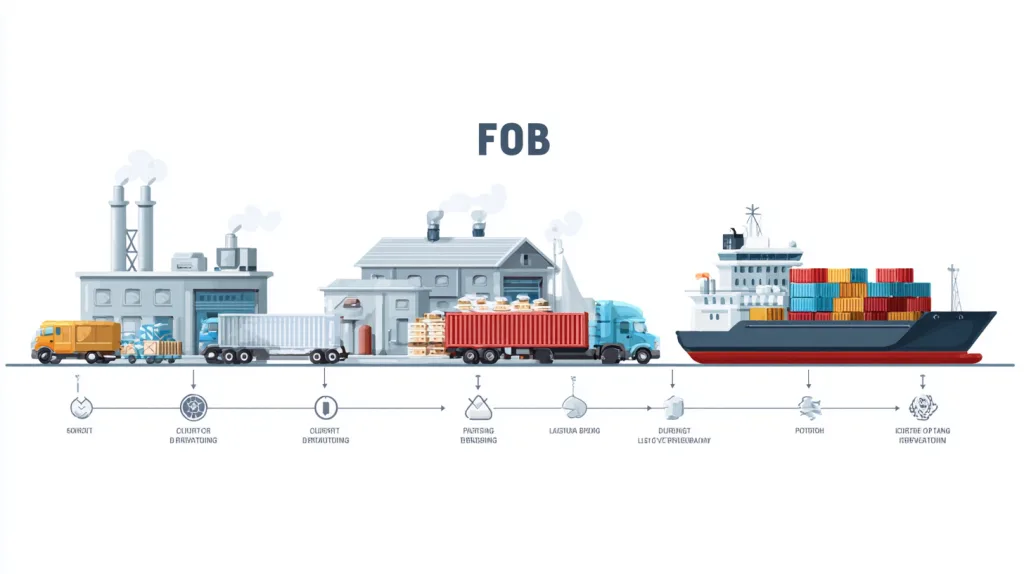
Definition:
FOB, or Free on Board, is a shipping term meaning the seller (Ninghow) is responsible for delivering goods onto the ship at the port of origin. Once on board, the buyer takes over costs and risks, including freight, insurance, customs, and delivery to their location.
Key Points:
- Seller handles inland transport, export customs, and loading onto the vessel.
- Buyer takes responsibility for ocean freight, insurance, import customs, and inland delivery.
- Costs and risks transfer at the ship’s rail at the origin port.
Example in Clothing Exports:
Your brand orders custom sports jackets from Ninghow with FOB Shanghai. Ninghow delivers to the port, loads onto the vessel, and from that point onward, your brand arranges and pays for shipping and insurance.
This term is clear and cost-controlled for sellers but shifts much work to the buyer.
What is CIF (Cost, Insurance, Freight)?
Definition:
CIF stands for Cost, Insurance, and Freight. Here, the seller covers the costs, buys marine insurance, and arranges transport to the destination port. After arrival, the buyer assumes risks and handles import customs, duties, and final delivery.
Key Points:
- Covers export, ocean freight, and insurance up to destination port.
- Buyer handles unloading, import customs, duties, and inland delivery.
- Risk transfers once goods reach the destination port.
Example in Clothing Exports:
With CIF Los Angeles, Ninghow arranges shipment of your beachwear, pays ocean freight, and insures the goods until they dock in LA. Your brand then handles customs clearance and onward logistics.
CIF gives more convenience to buyers, though freight and insurance costs may be slightly higher.
What is DDP (Delivered Duty Paid)?
Definition:
DDP—Delivered Duty Paid—is the most seller-responsible term. Ninghow handles everything: manufacturing, shipping, insurance, customs, duties, and freight—all the way to your brand’s warehouse.
Key Points:
- Seller handles all costs and risks from origin to final destination.
- Buyer receives ready-to-use goods with no further logistics or customs hassle.
- Simplest for buyer but highest convenience cost.
Example in Clothing Exports:
Order business suits from Ninghow under DDP Chicago. Ninghow takes care of export, shipping, insurance, import duties, customs clearance, and arranges delivery directly to your U.S. warehouse.
Pros & Cons of Each Term

| Term | Seller’s Responsibility | Buyer’s Responsibility | Pros for Buyer | Cons for Buyer |
|---|---|---|---|---|
| FOB | Up to loading on vessel | Freight, insurance, import, delivery | Lower initial cost, control over shipping | Complex logistics, insurance, customs risk |
| CIF | Freight & insurance to port | Import & delivery from port | Easier, less burden on buyer | Less control, possibly higher cost |
| DDP | All logistics & costs to delivery | Essentially none | Fully hassle-free, predictable cost | Highest cost, seller bears all tasks |
How to Choose the Best Option for Your Brand
- Logistics Capability
If you have reliable import and shipping resources, FOB gives more control and potential savings. But if you’d rather focus on branding and marketing, CIF or DDP may be smarter. - Budget and Cost Predictability
- FOB has lower upfront cost, but risk of unexpected expenses.
- CIF offers moderate predictability with bundled costs.
- DDP delivers transparent and predictable total cost, with premium convenience.
- Time and Risk Management
- FOB may involve delays if logistics or customs stall.
- CIF reduces delays pre-port but requires prompt customs handling.
- DDP streamlines timing—ideal for just-in-time inventory, especially with tight launch schedules.
- Brand Growth Stage
New brands or those entering new markets often benefit from DDP, reducing operational complexity. Growing brands with established import teams might prefer FOB to optimize costs.
Ninghow’s Global Shipping Support
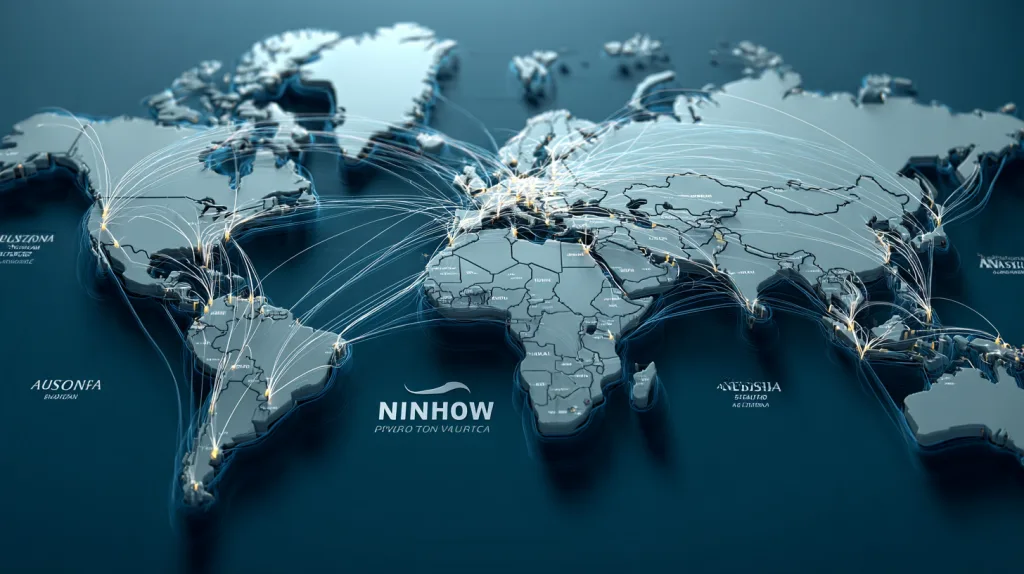
At Ninghow, we back your brand every step of the way—whether you prefer FOB, CIF, or DDP:
- FOB Support: Efficient factory-to-port workflows, export docs, and trusted carrier partners to save you time.
- CIF Support: End-to-end ocean freight and insurance arranged, with real‑time tracking to your port.
- DDP Support: Full logistics management—warehousing, customs clearance, duties, and inland delivery—to your final door.
Our offerings include athletic wear, beachwear, and business attire, with flexible OEM/ODM services, no minimum order quantity (no MOQ), and global wholesale support. We tailor shipping to your goals—cost savings, simplicity, or all-in-one convenience.
FAQ
What’s the usual transit time difference between FOB, CIF, and DDP?
Transit time is similar once goods are shipped. However, DDP often speeds up delivery because customs and duties are pre‑arranged, while FOB and CIF may face delays at import clearance.
Does Ninghow offer shipping term consultation?
Yes. We analyze your logistics capability, budget, and market entry timeline to recommend the most suitable term.
What are typical duties and taxes under DDP?
DDP covers all duties and taxes. Costs vary by garment type and destination country; we provide detailed cost estimates before shipping.
Can we switch shipping terms between orders?
Absolutely. You can start with FOB to test pricing and markets, then move to DDP for full-service delivery once established.
Is insurance included in CIF?
Yes, CIF includes insurance to the destination port. With FOB, you must obtain insurance separately, and with DDP, we cover full insurance to your door.
What if the clothes are delayed at customs under FOB or CIF?
Delays are possible. With CIF, carriers may offer assistance. For FOB, you’ll need to manage customs personally. DDP minimizes such delays—our team handles all interactions.
