



1. Introduction to Boys Uniform Polos
Uniforms are more than just clothing—they’re a statement of discipline, unity, and pride. Among the various choices available for schoolwear, boys polos have steadily gained popularity as the smarter, more stylish alternative to the traditional t-shirt. But what makes them stand out?

From polished collars to practical designs, polo shirts offer a compelling balance between casual comfort and professional presentation, making them ideal for boys in elementary, middle, and even high school. This article explores every angle of the debate: polo vs t-shirt—and why the polo shirt is winning in the realm of school uniforms.
2. Polo vs T-Shirt: A Quick Comparison
| Feature | Polo Shirt | T-Shirt |
|---|---|---|
| Collar | Yes, structured | No |
| Formal Appearance | Semi-formal | Casual |
| Fabric Options | Cotton pique, performance blends | Mostly cotton |
| Durability | High | Moderate |
| School Branding | Easier with embroidery | Mostly screen print |
| Activity Suitability | Classroom to field | Mostly casual settings |
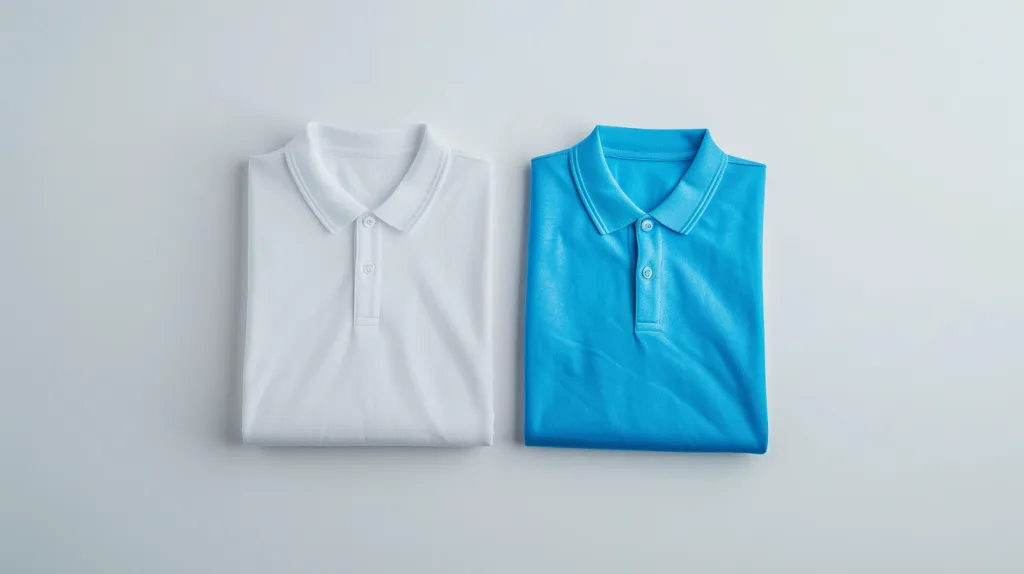
This table shows the direct advantages of boys uniform polos, especially when schools want to strike a balance between comfort and discipline. Learn in detail the differences between polo shirts and T-shirts.
3. Professional Appearance: Why Polos Win
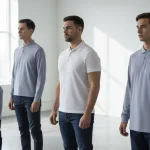
Polos give an instant lift to any outfit, especially in a school setting. The structured collar and clean seams present a more professional and respectful appearance, encouraging students to take their environment seriously. Unlike t-shirts, which often look too casual, polos align well with the disciplined ethos of education.
4. Variety in Design and Fit
Modern polos for boys come in a wide range of styles—classic fit, athletic cut, moisture-wicking options, and even tailored styles for older students. With color-block designs, side vents, buttoned plackets, and cuffed sleeves, polos bring variety without compromising uniformity. Schools can mix style with standardization easily.
5. Durability and Wash-Resistance
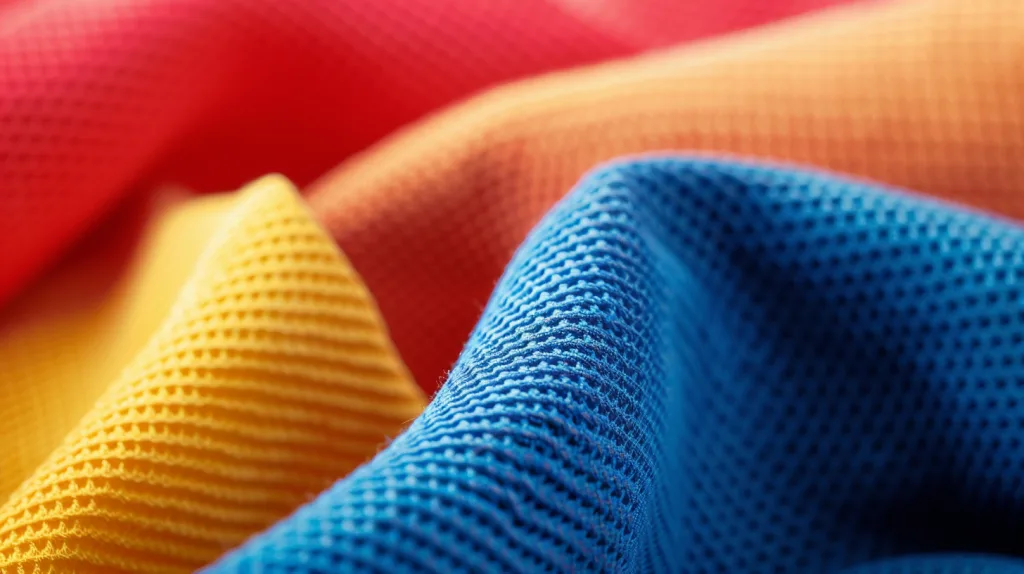
Let’s face it—kids are active, and their clothes take a beating. Polos are typically made with stronger fabric blends like cotton-polyester or pique knit, which resist tearing and fraying even after repeated washes. This makes them ideal for school settings where uniforms need to last throughout the academic year.
6. Fabric Matters: Breathable Yet Sturdy
Unlike t-shirts that are often thin and quick to wear out, polos are engineered with breathable yet thick fabric. Pique knit cotton and performance blends allow air circulation while maintaining structure. This keeps boys cool during hot days while ensuring the shirt doesn’t cling or sag.
7. Comfort for Long School Days
Boys need to feel comfortable during a full day of classes, recess, lunch, and after-school activities. Polo shirts provide just that—soft fabric, a comfortable neckline, and no restrictive seams. Their flexible design also accommodates different body types more easily than t-shirts.
8. Stain and Wrinkle Resistance
Today’s boys uniform polos often feature pre-treated fabrics that repel stains and wrinkles. Parents and school administrators alike appreciate this advantage, as it keeps students looking neat without requiring daily ironing or frequent replacements due to stains.
9. Appropriate for Various Activities

From classroom learning to field trips and sports events, polos transition smoothly. Unlike t-shirts which may be seen as too relaxed for formal presentations or photo days, polos maintain an air of dignity while still being practical for movement-heavy activities.
10. Uniform Consistency Across Grades
Schools that implement polos as the standard find it easier to create a cohesive uniform identity across different grades. The design versatility of polos means younger and older students can wear them in age-appropriate styles while still maintaining consistency.
11. Better Branding Opportunities for Schools
Polos offer excellent opportunities for school branding, including embroidered logos, house crests, or color-coded schemes for grade levels. Embroidery holds up better than printed t-shirt graphics, maintaining a polished look even after years of use.
12. Affordability in Bulk Orders
Despite their premium look, polos can be cost-effective when ordered in bulk. Many OEM/ODM suppliers (like Ninghow) offer custom boys uniform polos at wholesale prices, often lower than branded t-shirts—especially when considering long-term wear.
13. Climate Adaptability: Summer & Winter Options
Polos come in various fabric weights and sleeve lengths, making them adaptable across seasons. Short sleeves for summer and long sleeves layered under school sweaters for winter allow year-round use—something plain t-shirts often can’t offer effectively.
14. Long-Term Cost Efficiency
While polos may cost slightly more upfront, their durability and longer lifespan mean fewer replacements, reducing long-term costs. Schools and parents benefit from reduced uniform turnover, especially for active students.
15. Parental Preferences and Feedback
Surveys and school feedback consistently show that parents prefer boys uniform polos over t-shirts for their children. Reasons include the professional appearance, ease of maintenance, and superior fit, making morning routines easier and faster.
16. Case Studies: Schools That Switched to Polos
One U.S. charter school switched from t-shirts to polos in 2021. The result? Improved student behavior, better uniform compliance, and positive feedback from both parents and staff. Polos elevated the entire school image, both internally and in the community.
17. Final Verdict: Are Polos the Future of Boys’ Uniforms?
Considering their versatility, durability, and appearance, polos are undoubtedly the smarter choice. Whether you’re a school administrator, uniform supplier, or parent, polos deliver on every front—combining comfort with class.
FAQs
1. How long do boys uniform polos typically last?
Most quality polos can last an entire school year or longer, especially those made from cotton-poly blends or performance fabrics.
2. Are polos suitable for sports and physical education?
Yes, especially performance polos. However, some schools use a separate PE kit for intense sports.
3. Can polos be worn year-round?
Absolutely. Choose short sleeves for warmer months and long sleeves or layering options for colder seasons.
4. Are polos more expensive than t-shirts?
Unit price may be higher, but polos are more cost-effective due to their durability and multi-functionality.
5. What’s the best fabric for boys uniform polos?
Cotton-polyester blends or 100% cotton pique knits are ideal for breathability and long wear.
6. Do polos need ironing?
Most modern school polos are wrinkle-resistant and don’t require ironing after a normal wash and hang-dry.
