

Why China Leads in Sportswear Manufacturing
China stands as the global powerhouse for sportswear production. Its manufacturing cities—like Guangzhou, Dongguan, and Zhejiang—offer unmatched supply chain depth. Skilled labor and advanced machinery keep quality high and costs competitive. Buyers choose China for expertise in technical fabrics, high-volume output, and end-to-end service. Factories here master performance textiles like moisture-wicking polyester, organic cotton, modal blends, and elastane for fit and flexibility.
The Backbone: Raw Material Sourcing
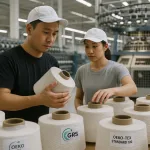
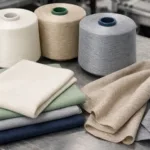
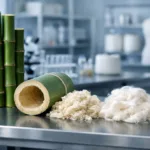
Chinese mills provide diverse textiles: combed cotton for softness, recycled polyester (rPET) for sustainability, and elastane for stretch. Weaves and knits range from lightweight single jersey (160–180 gsm) for T-shirts, to sturdy pique (200–240 gsm) for polo shirts, and plush French terry (260–300 gsm) for sweatshirts. Yarn control enables fine grades—like 20s, 24s, or 32s—through ring-spun technology, ensuring durability and feel.
Technological Advancements
Factories employ modern techniques: automatic cutting, digital pattern grading, and line balancing to ensure smooth workflow. Specialized equipment produces ISO-standard stitches—like 301 lockstitch for strength and 401 overlock for stretch seams. These details assure consistent quality, bulk color matching, and neat finishes across every order.
Evaluation Checklist for Sportswear OEMs in China
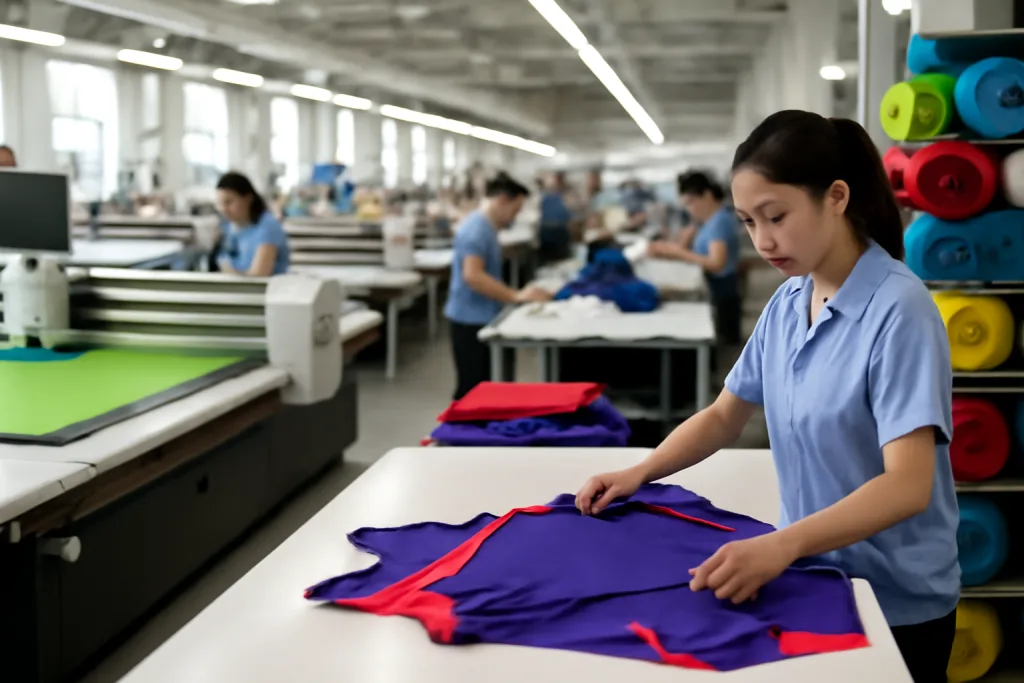
Selecting the right OEM partner is crucial. This evaluation checklist guides buyers through the factory vetting process, focusing on quality, reliability, and partnership fit.
Core Criteria
- Certification: Seek BSCI, WRAP, SEDEX, or OEKO-TEX for safety and compliance. GOTS for organic textiles boosts credibility.
- Technical Capacity: Assess sample tech packs, pattern development, and production ranges (T-shirts, polos, hoodies, leggings, jackets).
- Fabric Specialization: Analyze experience with technical knits, organic/recycled textiles, and innovative finishes like antimicrobial, UV/UFP, or stains release.
- Decoration & Branding: Inspect past work—embroidery (flat/3D), screen print, DTF, DTG, and heat transfers. Check Pantone color matching and lab dips for accurate hues.
- Quality Control (QC): Look for detailed spec measurement tables, inline checks, AQL inspections (ANSI/ASQ Z1.4), and reliable sample approval workflows (PP/TOP).
- MOQ and Lead Times: Clarify minimums (e.g., 300–500+ per style/color), sampling time (10–20 days), and bulk lead time (25–35 days post-approval).
- Communication: Evaluate responsiveness, language skills, and problem-solving approach.
On-Site Audits & Remote Inspections
Factory visits or video calls can confirm process transparency. Review workshop conditions, worker welfare, and real production schedules for true capabilities.
Top Factories: Best Sportswear Manufacturers in China
A few leading OEMs stand out for their excellence, innovation, and reliability in sportswear manufacturing.
Ninghow
Ninghow specializes in custom polo shirts, hoodies, T-shirts, shorts, pants, sweatshirt, and jackets for sports, lifestyle, and promo programs. Their edge lies in consistent fit, expert craftsmanship, sustainable sourcing, and reliable B2B service. From lab dips for color precision to automated cutting for size sets, Ninghow’s process achieves quality while keeping costs in check.
Other Leading Sportswear OEMs
- Guangzhou Sseyo Sportswear: Known for private label activewear, boasting high-end fabrics and flexible MOQs for emerging brands.
- Zhejiang Yihuang: Delivers large-scale orders of moisture-wicking tees, soccer kits, and athleisure, with modern cut-and-sew and advanced print techniques.
- Dongguan Sunwin: Excels in custom branding, embroidery, and detail-rich construction for streetwear, athletic, and yoga apparel.
- Jiangsu Huayi: Specializes in technical outerwear with seam sealing, waterproofing, and thermal regulation for demanding sports applications.
Comparative Factory Features
| Factory/Brand | Key Products | Technical Fabrics | MOQ | Core Certifications |
|---|---|---|---|---|
| Ninghow | Polo shirts, hoodies, T-shirts, jackets, shorts | Organic cotton, recycled poly, French terry | 300+ | OEKO-TEX, BSCI, WRAP |
| Guangzhou Sseyo | Activewear, yoga sets, leggings | Elastane blends, modal, moisture-wick poly | 200–500 | SEDEX, GOTS |
| Zhejiang Yihuang | Teamsports, promotional wear | Quick-dry poly, stretch knits | 500+ | BSCI |
| Dongguan Sunwin | Streetwear, branded sets | Pique, fleece, performance blends | 300–600 | OEKO-TEX |
| Jiangsu Huayi | Outerwear, sports jackets | Waterproof shell, thermal fleece | 500+ | WRAP |
Best Sportswear Manufacturers in China: How to Choose the Right OEM Partner
Choosing the best sportswear manufacturer in China can define your brand’s reputation, product quality, and long-term growth. Start by mapping your target products—like high-performance golf polos, durable team kits, or everyday athleisure. Match these needs to a factory’s strengths, technical resources, and compliance history.
Key Decision Factors
- Materials: Opt for proven fabrics (organic cotton, rPET, elastane blends) with adequate certifications.
- Construction: Confirm expertise in relevant seam types, markers, grainline, and finishing tolerances.
- Decoration: Ensure factories support the techniques you need (screen print, DTF, sublimation, embroidery) with flexible branding options.
- MOQ & Lead Time: Balance your order size, sampling trial, and delivery schedule with the factory’s capabilities.
- Quality Systems: Look for robust QC, AQL standards, and lab test protocols (colorfastness, dimensional change, pilling, seam strength).
- Communication: Reliable, transparent updates reduce risk and speed up business.
Connecting Decisions to Business Outcomes
Every choice—from fabric blends and technical finishes to size range and decoration—affects durability, comfort, consistent fit, and cost efficiency. Factories with efficient line balancing and auto cutters maintain perfect sizing and fast turnarounds. Good color lab practices ensure consistent brand colors across bulk orders, boosting your market image.
Ninghow’s Manufacturing Strengths
Ninghow leverages first-hand expertise to deliver consistent fit, soft handfeel, and robust construction for sportswear brands. They offer a broad product span: polo shirts with ring-spun or organic cotton (180–240 gsm), hoodies in French terry or fleece (280–360 gsm), and T-shirts in combed cotton and blends for comfort. Their process begins with precise tech pack analysis and lab dips to nail down fabric and color requirements.
From Sampling to Bulk Production
Product development starts with prototype sampling—graded size sets, marker optimization, and auto/manual cutting for tight tolerances. During sewing, line managers monitor ISO stitch consistency, seam strength, and neat collar attachment. Finished garments undergo inline, endline, and AQL (Acceptable Quality Level) checks. Lab tests confirm colorfastness, shrinkage control (AATCC 135/150), pilling resistance (ISO 12945), and seam integrity (ASTM D1683). Export packaging uses standard folding, labeled polybags, sturdy cartons, and accurate barcoding, following EXW or FOB Incoterms.
Sustainability, Compliance, and B2B Service
- Adopts recycled and organic materials to reduce carbon footprint.
- Holds OEKO-TEX STANDARD 100, BSCI, and WRAP certifications for worker welfare and product safety (OEKO-TEX; BSCI).
- Runs thorough QC workflows from sample to bulk shipment.
- Supports flexible order programs—sports, lifestyle, and promotional apparel.
Expert insight: Reliable fit, color accuracy, and technical finishes build repeat business and customer loyalty. Factories like Ninghow deliver these outcomes at scale.
Business Tips for OEM Sportswear Sourcing
Smart sourcing can cut risk, improve quality, and scale your brand. These buyer tips optimize your experience with Chinese custom sportswear suppliers.
Defining Order Specs & Minimums
- Clarify size breakdowns (XS–XXL), colorways, and branding needs up front.
- Negotiate Minimum Order Quantities (MOQs) based on factory flexibility. For test runs, aim for 200–500 pieces per style/color.
- Request pre-production (PP) samples for fit and color approval before bulk start.
Sampling & Approval Workflow
- Submit tech pack and artwork files.
- Review lab dips and strike-offs for color accuracy.
- Approve PP sample—confirm fit, decoration, and handfeel.
- Sign off bulk production (TOP) sample post-final QC.
Quality Control Strategies
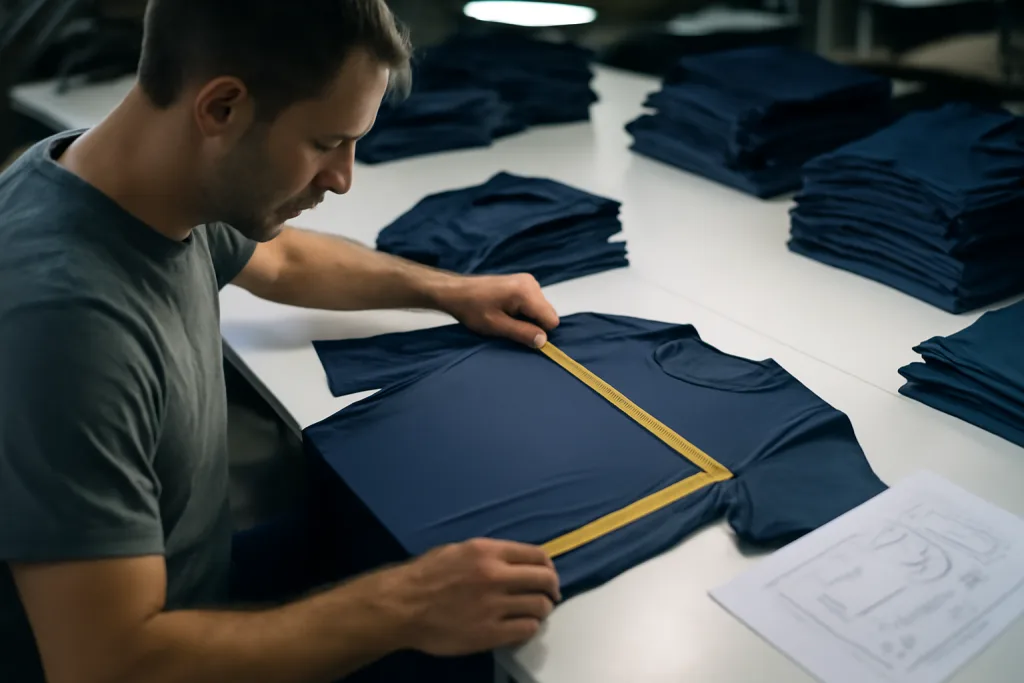
- Request spec measurement tables for key points: chest, length, sleeve, waist; set clear tolerances.
- Plan for inline checks during sewing and final AQL audit (AQL 2.5–4.0 typical).
- Ask for lab test reports on colorfastness, shrinkage, pilling, and seam strength.
Packaging & Logistics
Discuss folding method, branded or recycled polybags, care label content (ISO 3758), and carton marks. Confirm shipping arrangements—EXW, FOB, CIF, or DDP terms. Ensure export docs list all trims, tags, and accessories for easy customs clearance.
Fabric & Finish Guide for Sportswear Production
Material choice controls comfort, durability, print/embroidery quality, and overall cost. This guide matches fabrics and finishes to use scenarios for sportswear buyers.
| Fabric Type | Construction | Typical GSM | Performance Finish | Best Use |
|---|---|---|---|---|
| Combed Cotton | Single Jersey | 160–180 | Pre-shrunk, peach finish | T-shirts, polos |
| Recycled Polyester (rPET) | Pique/Interlock | 180–220 | Moisture-wicking, UV/UPF | Sports polos, golf shirts |
| French Terry | Loop-back knit | 260–300 | Anti-odor, brushed backer | Hoodies, sweatshirts |
| Modal/Viscose | Single Jersey | 160–180 | Silky handfeel | Yoga tops, base layers |
| Poplin/Twill | Woven | 180–220 | Wrinkle-resistant | Pants, jackets |
| Poly/Elastane Blend | Stretch knit | 180–220 | 4-way stretch, quick-dry | Leggings, athletic shorts |
Decoration, Testing & Compliance: What Buyers Should Know
Branding and safety standards matter for retail, teams, and promotions. Choose decoration methods suited to your style, durability, and budget. Screen printing offers a smooth handfeel with vivid color, while DTG and DTF allow fast, full-color graphics for polyester and cotton. Sublimation delivers sharp prints on poly garments. Embroidery, including puff/3D, creates lasting logos for polos, sweatshirts, and team gear.
Safety & Compliance
- Check OEKO-TEX STANDARD 100 for chemical safety.
- Verify labels and inks meet CPSIA (CPSIA) for children’s products and Prop 65 for the US market (Prop 65).
- Ask for lab test certificates—colorfastness (AATCC/ISO 105), seam strength (ASTM D1683), and pilling (ISO 12945).
- Ensure accessories (buttons, trims) comply with REACH/RoHS for Europe (REACH).
Private Label Sportswear Applications
Chinese sportswear OEMs supply diverse markets: school teams, professional leagues, corporate programs, resorts, fitness studios, and promotional events. Top factories—like Ninghow—adopt flexible branding, robust fit sets, and scalable order programs for growing brands. Choose suppliers that align technical strengths to your target segment for speed, reliability, and style consistency.
Start-Up and Scale-Up Programs
Emerging brands benefit from flexible MOQs, stock fabric options, and quick-turn sampling. Larger buyers should audit capacity, compliance, and export logistics for bulk reliability.
Streetwear & Athleisure Trends
Demand grows for comfortable, sustainable styles: oversized fits, soft handfeel fleece, moisture-wicking jerseys, and eco-friendly packaging.
Frequently Asked Questions
What is the typical MOQ for private label sportswear in China?
Most factories set minimum order quantities between 200 and 500 pieces per color/style, but flexible MOQs can be negotiated for new brands.
Which certifications matter for sportswear manufacturers?
Key certifications include OEKO-TEX STANDARD 100, BSCI, WRAP, SEDEX, and GOTS for organic products, which ensure safety, sustainability, and ethical production.
How long does sampling and bulk production take?
Sampling usually takes 10–20 days; bulk production runs 25–35 days after sample approval, depending on factory workload and order complexity.
Which fabrics are best for custom activewear?
Popular options include moisture-wicking polyester, recycled rPET, organic cotton, modal blends, and elastane for stretch and comfort in sports and fitness wear.
How do Chinese factories ensure quality control?
They run inline/endline checks, AQL audits, spec measurement tables, lab tests for fabric and seams, and require sample sign-off before bulk shipment.
Can I request branded packaging and labels for my sportswear?
Yes, OEM suppliers offer custom polybags, care labels, hangtags, and export cartons with your brand logo—just specify requirements during the order process.
