



Why Oversized Hoodies Dominate Trend Cycles
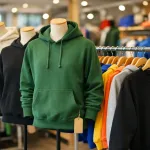
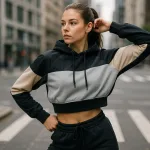
Oversized hoodies have surged in popularity—and for good reason. Streetwear culture, hip-hop, and the global shift toward comfort-first dressing all fuel this trend. Youth culture and icons like Kanye West, Billie Eilish, and the major sportswear brands have made the baggy, draping silhouette the new cool.
- Versatility: Easily styled with jeans, shorts, or joggers.
- Unisex appeal: Fits all body types—encourages self-expression.
- Layering potential: Works solo in spring/fall or over tees/sweats come winter.
- Statement shape: The dropped shoulders and loose drape set it apart from classic hoodies.
Ninghow, a well-known apparel manufacturer, reports steady demand from global streetwear and athletic brands for oversized fits, with requests for custom fabric blends, special dyeing, and unique trims.
The Anatomy of the Best Oversized Hoodies

To stand out, the best oversized hoodies get three essentials right: fit, fabric, and finish. Here are the core features every quality oversized hoodie shares:
- Drop-shoulder construction: Sleeve seam falls below the natural shoulder, giving a relaxed drape.
- Generous chest and body width: Typically 1.5–2 sizes up compared to regular hoodies.
- Longer sleeves and body length: Crafted for a slouchy effect that won’t ride up.
- Heavyweight or midweight fabrics: Ensures the hoodie hangs well and lasts.
- Pre-shrunk, colorfast, and stable fabric: Maintains the original look after multiple washes.
Oversize Fit Patterns
Oversized hoodies use special pattern blocks. Designers add extra ease (the space between the body and fabric) through the body, sleeves, and armholes. The side seams may drop toward the hem for a balloon effect. Grade rules are adjusted so sizing ‘ups’ keep the intended loose look—vital when producing S-XXL runs.
Drop-Shoulder Construction
This design moves the shoulder seam downward, usually 2–4 cm below the traditional point. This creates the familiar off-shoulder appearance. The sleeve cap is adjusted for easier movement and less structure. It suits brushed fleece and interlock fabrics especially well, supporting both flexibility and shape retention.
Subtle Details that Matter
- Ribbed cuffs and hem for structure
- High-quality drawstrings and eyelets
- Kangaroo or side-entry pockets for function
- Clean coverstitching for smooth seams and durability
- Wide range of bold/offbeat colors, often Pantone-matched
Best Oversized Hoodies: Fabric Weight Choices
The fabric’s “weight” (measured in grams per square meter, or gsm) decides how a hoodie feels and performs. Get this wrong, and your piece will either droop, pill, or lack that luxe structure buyers expect from an oversized fit.
Common Hoodie Fabrics
- Cotton fleece (brushed or unbrushed): Soft, breathable, absorbs dye well. 280–360 gsm recommended.
- Organic/GOTS cotton fleece: Sustainable, with stable dye colors. GOTS certification is increasingly desired by eco brands.
- Recycled polyester fleece (RPET/cotton blends): Adds durability, colorfastness, and can be lighter or more insulating as needed.
- French terry: Loopback fabric, ideal for midweight builds. Typically 240–300 gsm.
- Heavy jersey (single or interlock): Smooth handfeel; used for thinner oversized styles, 220–260 gsm.
- Cotton-elastane blends: Add stretch for movement.
Fabric Weight vs. Use Case Table
| Fabric Type | GSM Range | Best Use Scenarios |
|---|---|---|
| Brushed Cotton Fleece | 320–360 gsm | Premium streetwear, winter, luxury |
| French Terry | 260–300 gsm | Midweight, transitional seasons, outdoor brands |
| Recycled Poly/Cotton Blend | 300–320 gsm | Performance, eco-minded lines |
| Interlock Jersey | 200–260 gsm | Light layering, spring/summer |
| Cotton/Elastane Blend | 260–300 gsm | Active, stretch, hybrid athleisure |
Fabric Lab Testing & Quality Control
Critical for hoodies: test for colorfastness (ISO 105-C06), shrinkage (AATCC 135), and pilling (ISO 12945). Reliable makers like Ninghow perform these checks on each batch, using 4-point systems and test labs to confirm compliance. Each roll undergoes shade matching (with 3–5% tolerance) and compaction to ensure wash stability and minimal skew/puckering.
Drop-Shoulder Hoodies: Pattern & Construction Details
Success with oversized styles starts at the tech pack.
Key elements include:
- Drop-shoulder line with adjusted grading
- Balloon or straight sleeve (for volume or leaner look)
- Coverstitched or double-needle seams (ISO 401/504/602)
- Wide rib trims (2×2 or 1×1, typically 95% cotton, 5% elastane, 320–380 gsm)
- Reinforced neckline—often a self-fabric stay or twill tape
- Large, lined or double-layer hoods that keep shape
Production Insights
Factories use auto-cutters to ensure each pattern block remains true over bulk runs. Fabric must rest (relax) at least 12 hours before cutting to avoid post-wash distortion. Marker making saves fabric waste and promotes consistency. Top firms like Ninghow track tolerances tightly—collar width, shoulder drop, and sleeve length are all monitored at +/- 0.5 cm.
Stitching & Assembly
Common stitch choices include ISO 401 (lockstitch for main seams) and ISO 504/602 (overlock/flatlock for side and sleeve seams). Bartacks reinforce pocket and hood stress points. Some luxury hoodies use reinforced multi-needle coverstitch for extra durability and a decorative finish.
Moisture-Wicking, Heavyweight, and Novelty Fabrics
Modern oversized hoodies go beyond classic cotton. Many street and sports brands request functional finishes or tech fabrics to add value:
- Moisture-wicking: Special treatments pull sweat away from skin—ideal for hybrid performance hoodies.
- Antimicrobial/anti-odor: Yarn additives or chemical finishes reduce unwanted smells.
- Stain-resistant: Surface chemistry repels spills and dirt—especially valued in light colors.
- UPF-rated: Fabrics block harmful UV rays for outdoor wear (UPF 30–50+ is common).
- Peach finish: Soft, matte handfeel from mechanical brushing or sueding, often used in high-end styles.
Recycled & Eco Materials
More brands now use recycled polyester, upcycled cotton, or modal/viscose blends. These support sustainability, meet growing BSCI/WRAP compliance demands, and often have a unique handfeel or drape. For certification, OEKO-TEX STANDARD 100 is most common on both fabric and trims.
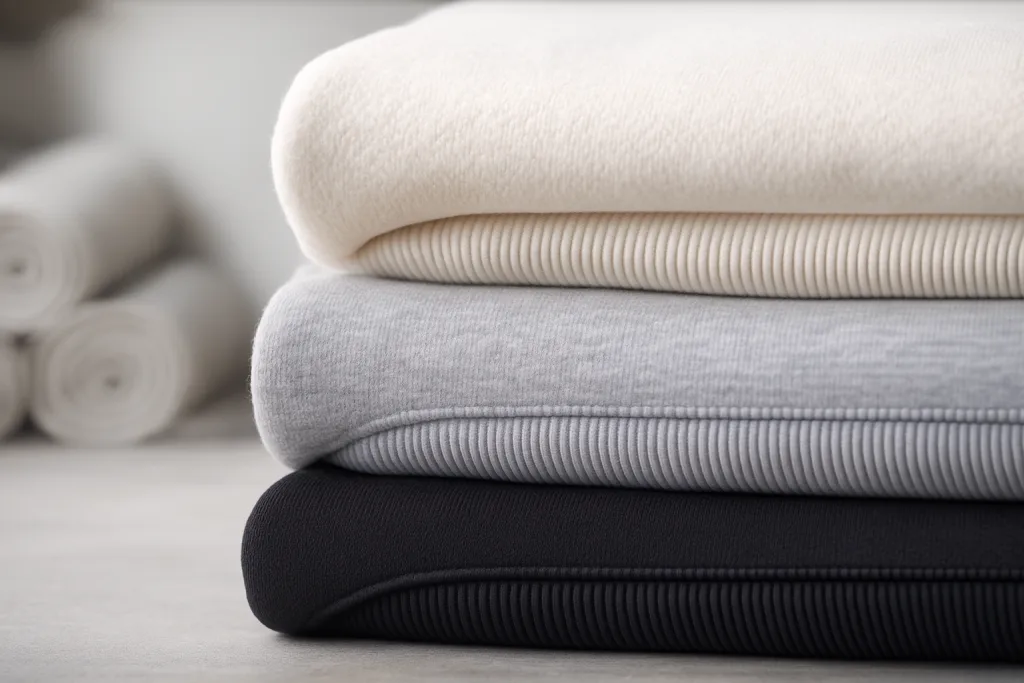
Streetwear Customization: Art, Logo Placement & Color
Crowd-pleasing oversized hoodies rely on bold graphics, fresh dyeing, and clever logo details. Here’s how top brands approach customization:
- Screen Printing: Plastisol for bright, crisp designs; water-based inks for a softer touch, better on light colors.
- Embroidery: Flat or 3D/puff embroidery for logos, text, or badges—especially durable and high-end.
- Digital Printing (DTG/DTF): For detail-rich or photo graphics, but best on light, smooth surfaces.
- Sublimation: For all-over color on poly blends, suitable for art-heavy or gradient effects.
- Patchwork, appliqué, and paneling: Add texture, contrast, and a luxury feel.
Before bulk production, request lab dips (color swatches), strike-offs (print tests), and construction samples. Ninghow’s workflow: sample approval → pre-production sample → top-of-production approval. Each step ensures accuracy and reduces costly errors.
Branding & Packaging for Oversized Hoodies
Packaging often echoes the hoodie’s ‘premium’ look. Look for:
- Custom woven labels (main/care/size, following ISO 3758 care code)
- Hangtags with swing tickets and barcode (EAN/UPC) for retail
- Neat folding and individually bagging (bio-poly or low-density PE)
- Bulk cartons with printed marks, ratio packs, and strict batch traceability
Logistics Best Practice
Brands shipping globally often choose FOB (Free On Board) or DDP (Delivered Duty Paid) terms. Lead times for custom hoodies: 30–45 days for bulk after sample approval. For rush orders, ready-developed fabrics and trims speed up the process; custom dye-lots or accessories may add 10–14 days. Quality checks at three points—in-line, end-line, and post-wash—guarantee consistent results batch to batch.
Best Oversized Hoodies for Streetwear Brands: Case Study Comparison
Leading streetwear brands have set the benchmark for oversized hoodies. How do their builds and finishing choices stack up?
| Brand | Fabric & GSM | Fit Notes | Decoration | Key Details |
|---|---|---|---|---|
| Fear of God Essentials | Fleece, 360 gsm | Extremely boxy, extra shoulder drop | Puff embroidery, screenprint | Luxe trims, oversized hood |
| Off-White | Fleece, 320 gsm | Wide body, moderate drop-shoulder | Bold logos, paneling | Zig-zag stitching, contrast drawcords |
| Champion Reverse Weave | Heavyweight cotton (420 gsm) | Structured, more traditional cut | Small logo embroidery | Signature rib side panels |
| Stüssy | French terry, 340 gsm | Relaxed, slouchy arms | Vintage logos, garment dye | Enzyme wash for softness |
| Ninghow Custom OEM | Brushed fleece, 320–360 gsm | Customizable, adjustable pattern specs | Screenprint, embroidery, patches | Sustainable options, QC standard AQL 2.5 |
- Fabric weight impacts drape and handfeel—heavier builds allow for bolder fits.
- Decoration quality affects longevity. Puff embroidery and durable print stay crisp after washing.
- Small construction choices (like double-layer hoods and reinforced seams) add value behind the scenes.
How to Choose the Best Oversized Hoodies: A Buyer’s Checklist
When evaluating oversized hoodies—whether for your line or personal use—inspect these critical factors:
- Fabric GSM: Aim for 320+ gsm for bold shape, 260–300 for lighter drape.
- Drop-shoulder seam placement: At least 2–4 cm below the traditional point.
- Body width and sleeve opening: 1.5–2x wider than classic fits.
- Stitching: Clean, strong lock/overlock at all stress points.
- Trims: Durable rib, quality drawcords, and well-attached labels.
- Color fastness: Consistency against multiple washes/rubs.
- Decoration method: Embroidery for logos, print for bold art—match to your style or brand DNA.
- Compliance certifications: OEKO-TEX, GOTS, or similar if sustainability is a must.
Bulk buyers should ask for production specs, lab tests, and shade bands. Reliable partners like Ninghow provide fabric swatches, tech packs, and test reports before mass production to remove uncertainty and ensure each hoodie matches buyer requirements.
Best Oversized Hoodies: Fabric Weight & Drop-Shoulder Design

In summary, the best oversized hoodies depend on three pillars: the right heavy-to-midweight fabric (280–360 gsm for fleece, or 240–300 for French terry/jersey), true drop-shoulder construction, and professional finishing. Successful pieces start with a well-made tech pack, tested materials, and a trusted manufacturer to bring the vision to life. Brands that invest in details—trims, art, wash tests—deliver quality that stands out in a crowded streetwear market. For custom or private label production, work with suppliers who understand patterns, grading, finishing, and compliance testing thoroughly. That’s what transforms everyday comfort into a streetwear icon.
Frequently Asked Questions
What is the best fabric weight for oversized hoodies?
For a structured and comfortable oversized hoodie, use a fabric weight of 320–360 gsm for fleece or 260–300 gsm for French terry. These weights balance drape, warmth, and durability without feeling stiff.
What makes a hoodie “drop-shoulder”?
A drop-shoulder hoodie positions the sleeve seam 2–4 cm lower than the natural shoulder line. This creates a relaxed, slouchy look that’s central to oversized streetwear styles.
How do I ensure an oversized hoodie won’t shrink?
Choose pre-shrunk fabrics and buy from brands that test for dimensional stability (AATCC 135/150). Quality makers compact and wash-test each batch to maintain fit after home laundering.
Which decoration methods are most durable for hoodies?
Embroidery (especially flat or puff) lasts longest on high-wear spots like logos. High-quality screen print, especially plastisol on cotton fleece, also gives long-term performance with bold color.
Are oversized hoodies unisex?
Yes, oversized hoodies are engineered to fit all genders. Pattern blocks use generous chest, body, and sleeve measurements for a unisex, boxy silhouette that flatters every build.
What packaging details matter for premium streetwear hoodies?
Premium hoodies come with woven labels, neat folding, individual eco-poly bags, hangtags, and carton barcoding. These touches protect the garment and reinforce a high-quality unboxing experience.
