







Hoodie Market Trend
The global hoodie market is booming. Demand comes from sportswear, fashion brands, and everyday consumers. Athleisure trends keep hoodies front and center, with buyers seeking multipurpose styles that transition from city streets to the gym. Sustainability drives market change, too. Brands choose eco-friendly materials and responsible manufacturing, while performance fabrics remain vital in the athletic and outdoor segments. Unisex fits, premium feel, and expressive colors define the upcoming year’s collections. At Ninghow, customer demand for organic cotton and modern tech blends keeps rising, reflecting these market directions.
Top Hoodie Trends in 2025
- Eco-conscious materials: Organic cotton, recycled polyester (rPET), and blends with lower environmental impact.
- Hybrid performance: Moisture-wicking, quick-dry, and anti-odor finishes in casual silhouettes.
- Bold colors and prints: Confident shades, tonal branding, and graphic treatments.
- Oversized and relaxed fits: Adaptable for different body types and preferences.
- Focus on comfort: Plush fleece, smooth French terry, and brushed interiors enhance coziness.
Lifestyle and Athleisure
Hoodies now cross over from the streets to boardrooms. Minimalist branding and clean construction let them pair well with jeans or under blazers. Universities and teamwear programs also drive steady demand for bulk hoodie orders.
Fabric Impact on Performance
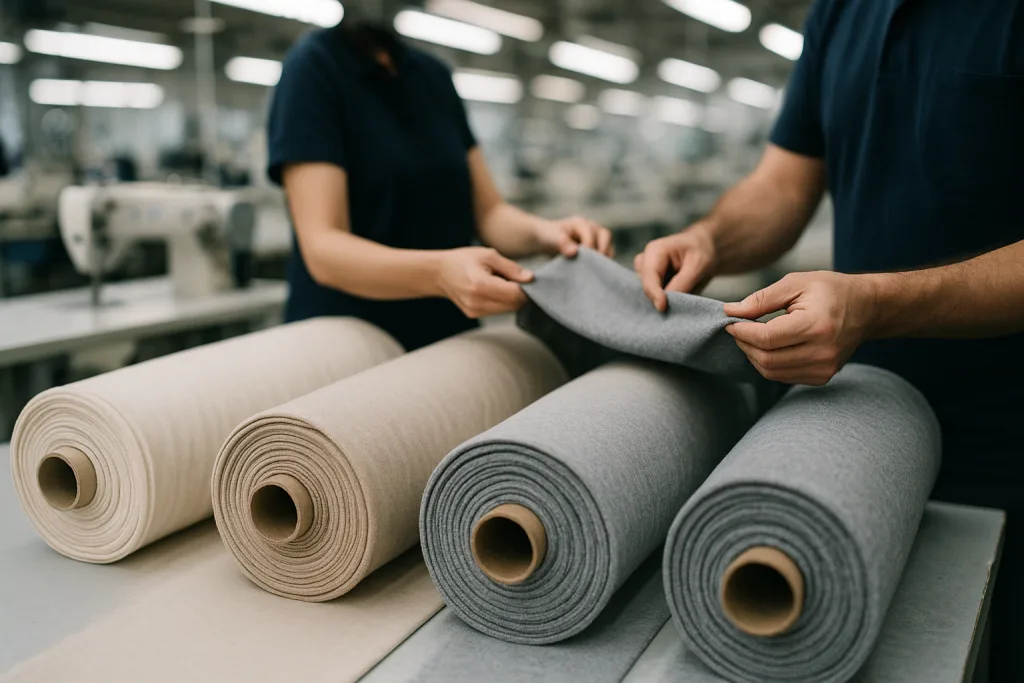
Fabric choice is the foundation of every good hoodie. It determines not only softness, stretch, and drape but also warmth and moisture control. For 2025, the best hoodies use materials like combed cotton, organic cotton, rPET (recycled polyester), and elastane blends. Each fiber and knit structure offers unique benefits.
| Fabric Type | Properties | Best Use |
|---|---|---|
| Combed Cotton (20s/24s/32s) | Soft, breathable, natural stretch, strong | Streetwear, everyday, premium feel |
| Organic Cotton (GOTS) | Eco-friendly, non-toxic, durable | Sustainable & conscious buyers |
| Recycled Polyester (rPET) | Quick-drying, light, resilient, moisture-wicking | Activewear, sports, outdoor |
| French Terry (280-320 gsm) | Loop-back, flexible, smooth outside | Transitional weather, gym layering |
| Brushed Fleece (300-360 gsm) | Plush inside, maximum cozy warmth | Cold weather, lounging, casual |
Knit Types and Their Advantages
- Single Jersey: Offers light, breathable hoodies for layering.
- Pique or Interlock: Durable with subtle texture, often for premium collections.
- French Terry: Absorbs moisture while feeling cool against skin.
- Brushed/Napped Fleece: Traps heat, feels soft on skin, and resists pilling when quality yarn is used.
Performance Finishes
The best hoodies now feature finishes such as antimicrobial, anti-odor, and UPF for sun protection. Moisture-wicking coatings help athletes stay dry, while pre-shrink treatments ensure hoodies keep their shape after washing.
Choosing the Right Fit
Fit impacts not only style but also comfort and utility. Hoodie silhouette options for 2025 span relaxed, oversized, tailored, and cropped. When picking the best hoodies for your wardrobe or retail program, consider your target audience and the hoodie’s end use.
Popular Hoodie Fits
- Classic Fit: Timeless shape, roomy through the chest, regular in the sleeve and body.
- Oversized: Dropped shoulder, wide body, extra length for a streetwear look.
- Tailored: Slightly shaped sides and narrower sleeves, great for urban or active wear.
- Cropped/Short: Falling to the waist, best for layering or fashion-forward looks.
- Performance Athletic: Ergonomic seams, raglan sleeves, and added stretch for movement.
Design Features That Matter
- Double-layer versus single-layer hoods for warmth and structure.
- Ribbed cuffs and hems for snug fit and shape retention.
- Kangaroo pockets or zip pockets for storage and style.
- Adjustable drawcords, eyelets, and reinforced necklines for comfort and durability.
GSM and Warmth
Fabric weight, measured in grams per square meter (GSM), is key to any hoodie’s warmth. Lower GSM hoodies (220-260 gsm) work best for layering or warm climates, while higher GSM (300-400 gsm) makes for cozy, winter-ready pieces. The top hoodies for 2025 balance this technical factor with handfeel and flexibility.
GSM Ranges by Use
- 160-220 gsm: Lightweight, best for spring and summer outdoor use.
- 240-300 gsm: All-season versatility, comfortable as a single layer or over a T-shirt.
- 320-400 gsm: Thick, high-pile fleece for winter, post-exercise, or lounging.
Lab Testing and Performance
Lab tests (such as AATCC 135/150 for dimensional stability and ISO 12945 for pilling) ensure quality. Bulk color approval, shade bands, and batch control help major manufacturers like Ninghow deliver consistent results season after season.
Best Hoodie Applications
Hoodies must fit a range of uses. The best hoodies serve in teamwear, sports, corporate programs, resorts, and daily urban life. Understanding the end-use helps you select features and finishes that add value.
Where the Best Hoodies Shine
- Activewear: Quick-drying rPET, ergonomic seams, and antimicrobial finishes support athletes.
- Streetwear: Oversized shapes, custom prints, and bold colors for style-forward statements.
- Corporate Promotion: Durable cotton/poly blends, reliable sizing, and branded embroidery for consistent quality at scale.
- Uniforms: Classic fits in easy-care blends, robust stitching, and batch color control for groups and teams.
- Travel/Resort Wear: Lightweight, packable, soft knits in weather-adaptive designs.
Features for Specific Environments
- Hot/Humid: Prefer lighter GSM and single jersey with quick-dry.
- Cold/Wet: Brushed fleece interior, durable water-repellent finishes, double-layer hoods.
- After-Gym: Soft, pre-shrunk French terry with practical pockets and odor control.
Assessing Hoodie Manufacturing Quality
Production methods make or break hoodie durability, comfort, and cost control. Check these markers of high-quality hoodie manufacturing if you want a product that exceeds expectations.
Material and Color Control
- Lab dip and strike-off approvals for color accuracy.
- Consistent bulk production with shade bands for even color across all sizes.
- Fabric relaxation and grainline control before cutting prevents shrinkage and distortion.
Pattern and Cutting Precision
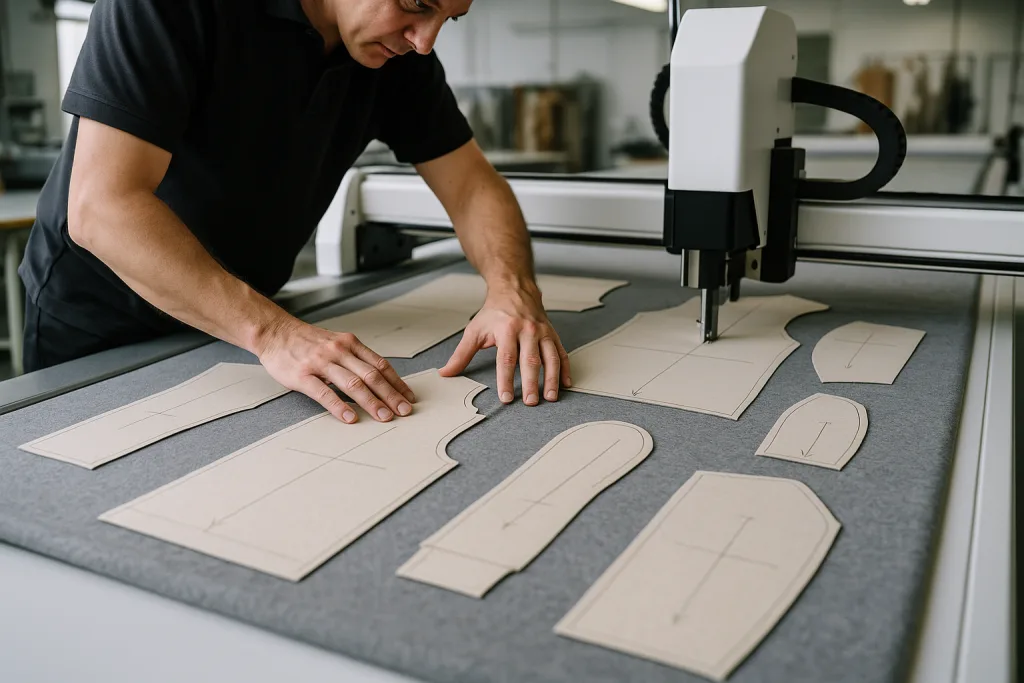
Tech packs, size grading, and marker plans contribute to fit consistency. Auto-cutters and skilled manual cutting keep tolerance tight (often ±0.5 cm between sizes).
Sewing and Assembly Excellence
- Balanced production lines optimize process time (SMV) and reduce defects.
- Key seams use ISO 301 (lockstitch) or ISO 401 (chainstitch) for long-term strength.
- Reinforced bartacks at stress points (pockets, hood pulls).
- Coverstitch hemming for smooth, flat finishes.
- Rib collar and cuff attachment to prevent stretching out.
Decoration Quality
Screenprint (plastisol or water-based), DTG, sublimation, and embroidery remain major options. Make sure prints are fully cured for durability and good handfeel. Embroidery specs (like stitch count and backing) should match fabric thickness for the right appearance and comfort.
Testing and Compliance
True quality stands up in the lab and real life. Top hoodies undergo colorfastness verification (ISO 105; AATCC 61/8), pilling resistance (ISO 12945), seam strength (ASTM D1683), and OEKO-TEX 100 chemical safety. Accessories like labels and zippers must pass CPSIA and Prop 65, especially for export.
best hoodies
The best hoodies balance advanced materials, precise fit, smart finishing, and verifiable durability. They maintain color after many washes, resist pilling, hold their shape, and satisfy both style and performance needs. At Ninghow, we blend combed cotton, technical fleece, and rPET for optimal comfort and climate adaptability. Careful pattern grading, tested trims, and AQL inline checks guarantee the best outcome batch after batch.
Expert Insight: The best hoodies in 2025 will come from hoodie manufacturers who master quality at every stage—from fiber sourcing and accurate lab work to sewing, decoration, and packaging.
How to Choose Your Ideal Hoodie in 2025
Start by deciding what matters most to your brand or business: eco-friendly statements, technical features, or bold design? Pay close attention to GSM, fabric composition, and construction details. Check for lab test certifications or batch samples. If ordering in bulk, partner with reliable B2B providers like Ninghow, who support OEM/ODM with transparency, sustainability, and full service for each project—across sports, lifestyle, and promotional programs.
Steps for Smart Hoodie Sourcing
- Define your target fit, gender range, and sizing set.
- Prioritize core fabric properties—warmth, weight, stretch, and breathability.
- Request lab test reports and sample approval for colors and trim.
- Check decoration specs (print/embroidery) for clarity and handfeel.
- Confirm quality assurance: inline/endline checks, AQL stats, and packaging safety.
- Align packing, export, and compliance requirements with your destination market.
Comparing Top Hoodie Styles for 2025
Each hoodie type meets a specific need. Here’s how popular styles stack up based on fit, fabric, and market value.
| Style | Main Fabric | Fit | Best Setting | Avg. GSM |
|---|---|---|---|---|
| Classic Pullover | Combed Cotton/Poly | Regular | Street, school, leisure | 280-320 |
| Oversized Hoodie | Brushed Fleece | Loose/Unisex | Urban, casual | 340-380 |
| Zip-up Performance | rPET/Elastane | Athletic/Tailored | Active, travel | 280-320 |
| Lightweight Cropped | French Terry | Cropped | Spring/summer, resorts | 220-260 |
| Teamwear/Uniform | Poly/Cotton Blend | Classic/Regular | Group, school, promo | 260-300 |
Summary Table: Choosing the Right Hoodie
- High GSM fleece suits cold climates best.
- rPET/elastane offers moisture-control for active users.
- Organic cotton caters to eco-focused consumers.
- Oversized fits align with youth/streetwear trends.
- Classic pullover with strong decoration covers schools and teams.
Maintaining Your Hoodies

Caring for your hoodie preserves its appearance and comfort over time. Always check care labels for washing and drying instructions. Use mild detergent, avoid high-heat drying, and wash similar colors together. For printed or embroidered hoodies, turn inside out before washing to prevent damage. Regular checks for loose threads or pilling help keep each hoodie at its best throughout many seasons.
Frequently Asked Questions
What fabric is best for hoodies in 2025?
Combed cotton, organic cotton, recycled polyester (rPET), and French terry blends top the list for softness, durability, and eco-friendliness in 2025 hoodies.
How does GSM affect hoodie warmth?
Higher GSM means a thicker, warmer hoodie. Lightweight hoodies (220–260 gsm) suit spring, while heavy fleece (320–400 gsm) is best for winter or lounging.
Are oversized hoodies still in style?
Yes, oversized hoodies remain popular in 2025, favored for their relaxed look, layering ease, and comfort for a wide age group.
What finishes improve hoodie performance?
Moisture-wicking, anti-odor, antimicrobial, UPF sun protection, and pre-shrink finishes all enhance a hoodie’s active performance and everyday durability.
How do I check hoodie manufacturing quality?
Inspect fabric weight and handfeel, stitching type, lab test results, color consistency, and finishing of seams, pockets, and trims for reliable quality.
Who should choose OEM/ODM hoodie suppliers?
Brands, schools, and organizations needing consistent quality, flexible customization, and reliable volume supply benefit from working with OEM/ODM makers like Ninghow.
