
Choosing the best fabric for gym clothing is one of the most critical decisions a brand can make when developing a custom activewear line. The right material affects everything — from how comfortable the garment feels during a high-intensity workout to how long it lasts after repeated washes. Whether you’re designing performance tanks, gym leggings, or compression shirts, understanding fabric performance in terms of sweat-wicking, elasticity, and durability is essential.
In this guide, we break down the top fabric options used in gym wear, comparing their strengths and weaknesses across the three pillars of functionality: moisture management, stretch & flexibility, and abrasion resistance. Use this as your go-to resource when choosing fabrics for your next activewear collection.
Why Fabric Matters in Gym Clothing
When consumers choose activewear, they’re looking for more than just style — they demand:
- Sweat control during intense workouts
- Support and stretch for dynamic movement
- Durability through frequent use and washing
If your fabric selection falls short in any of these areas, your product’s performance and customer satisfaction will suffer.
Top Fabrics Used in Gym Clothing (Pros & Cons)
1. Polyester
Overview: A staple in athletic apparel due to its affordability and sweat-wicking capabilities.
Strengths:
- Excellent moisture-wicking
- Lightweight and quick-drying
- Durable and wrinkle-resistant
Drawbacks:
- Less breathable than natural fibers
- Can retain odors over time
Best For: Running tees, gym tanks, performance shorts
2. Nylon
Overview: Known for its silky feel and high strength, nylon is widely used in leggings, sports bras, and fitted tops.
Strengths:
- Strong stretch and recovery
- Superior abrasion resistance
- Moisture-wicking and quick-drying
Drawbacks:
- Slightly more expensive than polyester
- May feel warm in high-heat conditions
Best For: Compression wear, yoga leggings, sports bras
3. Spandex (Lycra / Elastane)
Overview: Rarely used on its own, spandex is typically blended (5–20%) with other fabrics to provide stretch.
Strengths:
- Excellent elasticity
- Enhances movement comfort
- Returns to shape even after intense activity
Drawbacks:
- Poor breathability on its own
- Can degrade faster with improper washing
Best For: Blends with nylon or polyester for fitted gym wear
4. Cotton (and Cotton Blends)
Overview: Natural and breathable, cotton is comfortable but less performance-focused.
Strengths:
- Soft on skin
- Breathable and comfortable for low-intensity workouts
- Hypoallergenic
Drawbacks:
- Absorbs moisture (not moisture-wicking)
- Slow to dry and may become heavy when wet
Best For: Athleisure, light workouts, WFH comfort wear
5. Bamboo Fabric
Overview: Gaining popularity as an eco-friendly option, bamboo offers a smooth feel and antimicrobial properties.
Strengths:
- Breathable and naturally moisture-wicking
- Antibacterial and odor-resistant
- Eco-friendly and biodegradable
Drawbacks:
- Often blended with other fibers for strength
- Higher cost than polyester or cotton
Best For: Sustainable yoga wear, studio apparel, premium activewear
6. Modal / Tencel (Lyocell)
Overview: Soft, breathable, and eco-conscious, these fabrics are often used for comfort-focused activewear.
Strengths:
- Smooth and luxurious feel
- Excellent breathability and moisture control
- Sustainable manufacturing
Drawbacks:
- Less durable for high-friction workouts
- Typically used in blends for added strength
Best For: Athleisure, yoga tops, post-workout recovery wear
Fabric Comparison Table: Moisture, Stretch, and Durability
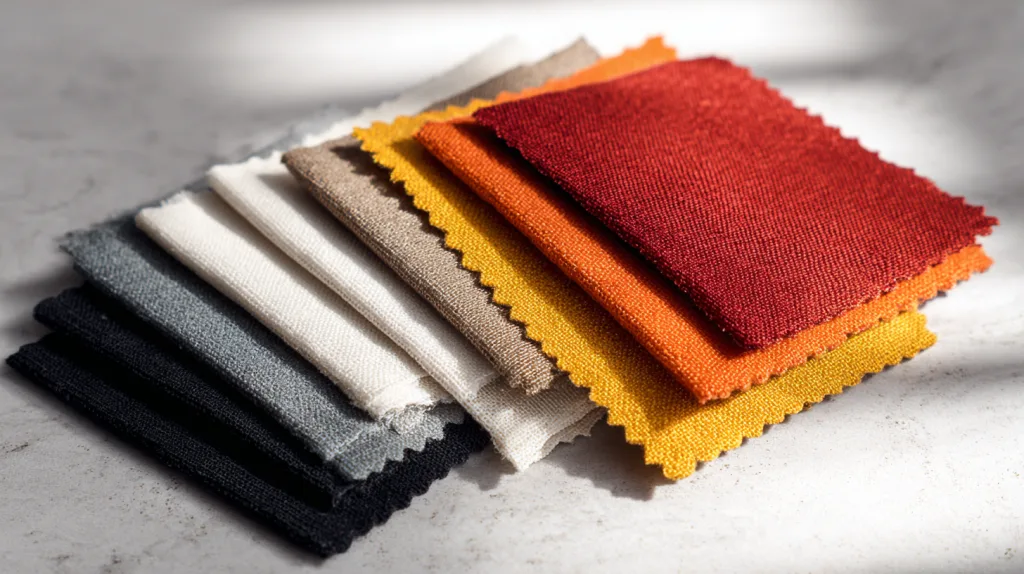
| Fabric Type | Sweat-Wicking | Stretch & Flexibility | Abrasion Resistance | Comfort Level | Best Use Case |
|---|---|---|---|---|---|
| Polyester | ★★★★☆ | ★★★☆☆ | ★★★★☆ | ★★★☆☆ | Gym tanks, shorts |
| Nylon | ★★★★☆ | ★★★★☆ | ★★★★★ | ★★★★☆ | Compression wear, leggings |
| Spandex Blends | ★★★★☆ | ★★★★★ | ★★★★☆ | ★★★★☆ | Sports bras, fitted apparel |
| Cotton | ★★☆☆☆ | ★★☆☆☆ | ★★☆☆☆ | ★★★★★ | Light workouts, comfort wear |
| Bamboo Blends | ★★★★☆ | ★★★☆☆ | ★★★☆☆ | ★★★★★ | Eco yoga wear, premium gym basics |
| Modal / Tencel | ★★★★☆ | ★★★☆☆ | ★★★☆☆ | ★★★★★ | Lounge and recovery wear |
How to Choose the Right Fabric for Your Custom Gym Wear
When working with a gym clothing manufacturer like Ninghow, selecting the right fabric comes down to the end user and garment type:
- For high-intensity workouts: Choose polyester/spandex or nylon/spandex blends.
- For flexibility and support: Nylon with added spandex is ideal for compression garments.
- For eco-conscious collections: Opt for bamboo or Tencel blends.
- For casual activewear: Cotton/poly blends or modal work well for light activity and comfort.
Why Fabric Selection Impacts Brand Success
Beyond performance, your fabric choices directly affect how customers perceive your brand:
- Quality perception: Cheap-feeling fabric can damage your reputation.
- Comfort factor: Breathability and softness drive repeat purchases.
- Brand values: Sustainable fabrics attract eco-conscious buyers.
- Durability: Well-made garments reduce returns and complaints.
Work with Ninghow to Get Fabric Right from the Start
At Ninghow, we help custom activewear brands choose the best fabric for gym clothing by offering:
- A wide selection of certified performance and sustainable fabrics
- Sampling support to test material feel and fit
- Low MOQs for market testing
- Full customization including stretch, weight, finish, and branding
Whether you’re building high-performance gym tanks, yoga leggings, or sustainable basics, our experienced team will help you choose the perfect fabric for your audience.
Frequently Asked Questions (FAQ)
Q1: What fabric is best for sweat-wicking in gym wear?
A: Polyester and nylon are top choices for sweat-wicking. Both fabrics dry quickly and move moisture away from the skin, helping athletes stay comfortable during workouts.
Q2: Can natural fabrics like cotton be used for gym wear?
A: While cotton is breathable and soft, it absorbs moisture rather than wicking it away. It’s best for light activity or casual athleisure, not high-intensity workouts.
Q3: What’s the most flexible fabric for performance movement?
A: Spandex (or elastane) offers the best stretch and is commonly blended with polyester or nylon for flexible, form-fitting gym wear.
Q4: Are bamboo and Tencel fabrics durable enough for activewear?
A: Bamboo and Tencel are soft, breathable, and eco-friendly. While they’re excellent for low to moderate activity, blending them with stronger fibers enhances their durability for gym use.
Q5: How can I test different fabrics before bulk production?
A: At Ninghow, we offer sampling services so you can evaluate fabric texture, stretch, and performance before placing a full order.
