

Why Basketball & Soccer Teamwear: Durable, Breathable, On-Brand Matters
Outfitting basketball and soccer teams with durable, breathable, and on-brand teamwear uniforms is essential for performance, unity, and identity. These uniforms face hard play, regular washing, and changing weather. Choosing the right manufacturer and specs means your squad looks sharp and plays harder—season after season.
Teamwear Uniforms Manufacturer: Key Factors for Pro-Grade Sports Apparel
Fabric Durability—Withstand the Season
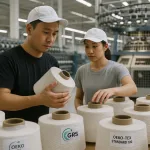
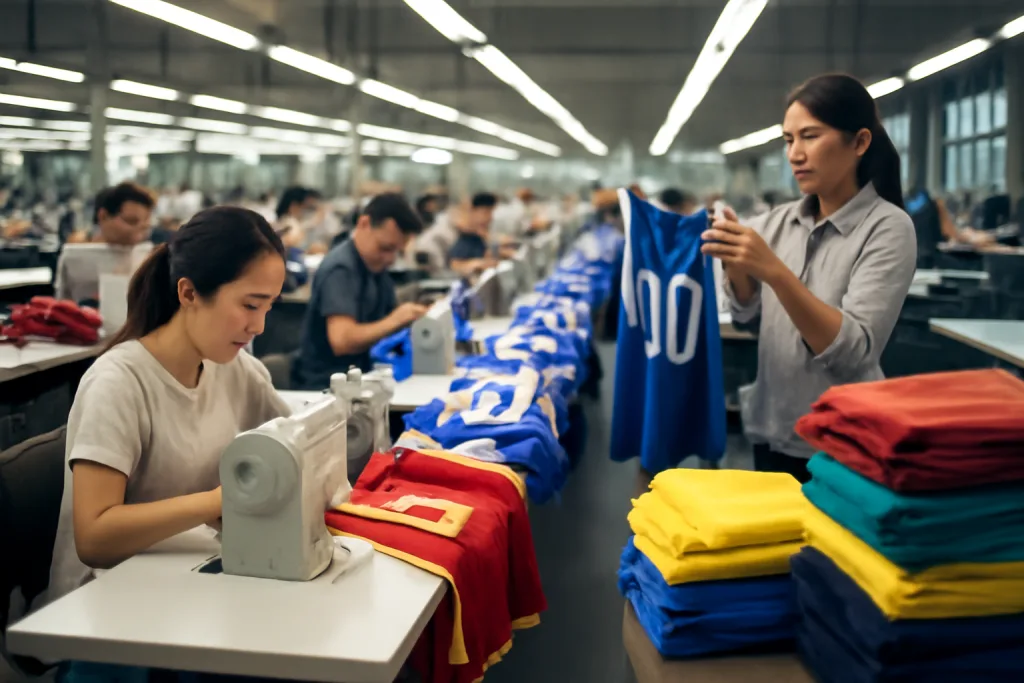
Teamwear uniforms take a beating. Sharp changes in motion, sliding tackles, and constant contact demand tough textiles. Leading sportswear manufacturers like Ninghow focus on high-tensile polyester, recycled rPET blends, and even combed or ring-spun cotton for indoor training gear. Fabrics in 160–240 gsm for jerseys balance weight and resilience. Reinforced stitching and bar-tack stress points keep bottoms and sleeves from tearing, while pre-shrunk treatments preserve fit after dozens of washes.
Breathability—Keep Athletes Cool
The right knit structure makes all the difference. Single jersey knits, micro-pique, and mesh panels drive airflow, keeping players dry. Moisture-wicking tech like capillary action yarns redistributes sweat, so skin stays comfortable. Many teamwear lines get treated with antimicrobial or odor-resistant finishes, holding off bacteria through long tournaments. For big games, manufacturers can add underarm or back panel vents with contrast mesh for extra air circulation.
Color Consistency Across Sizes—Uniformity on Game Day
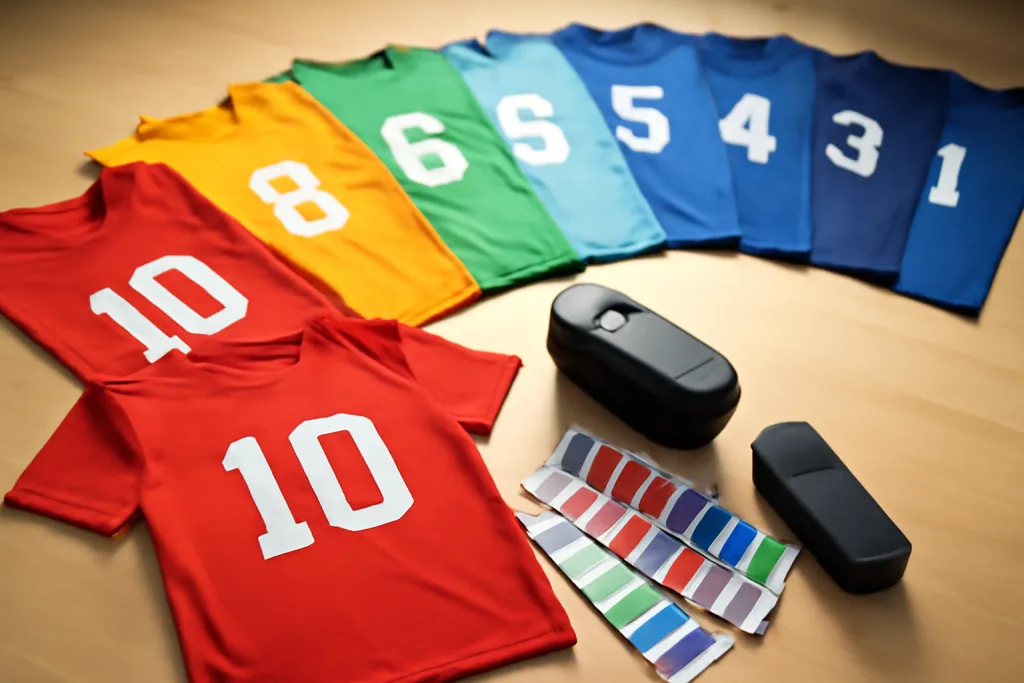
Seamless team identity relies on color consistency. Uniforms must match—on pitch, on court—regardless of size. Top suppliers use bulk dye lots, Pantone color matching, and stringent shade band controls. Lab dips and strike-offs confirm final hues before bulk runs. Spectrophotometer tests verify every batch, preventing those subtle tints that can undermine branding or even referee calls. Consistent logo color and placement finishes the job.
Numbering & Name Sets—Professional Personalization
Fans connect to numbered jerseys. High-quality manufacturers offer robust options for player numbering and custom names: heat transfer vinyl, sublimation for polyester, or embroidery for classic feel. Sizing the numbers, spacing them cleanly, and using colorfast inks mean numbers survive dozens of washes without fading or cracking. Every number and name matches the sponsorship and league size requirements.
Pack-by-Player—Smooth Delivery for Clubs & Leagues
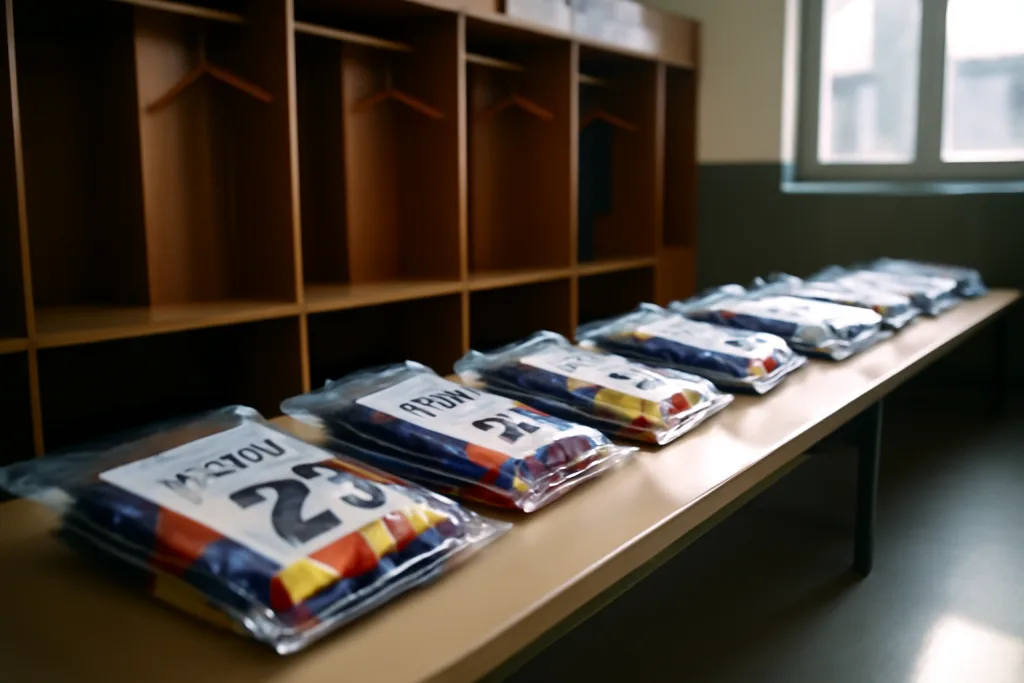
Nothing stalls the season like mixed-up gear bags. Leading factories prepare bulk uniforms by sorting each set by player, ready to distribute. Pack-by-player methods include folding every shirt and short into individual polybags and labeling them by name, number, or size. This ensures that each athlete gets their correct kit without confusion. For clubs ordering across different age groups or divisions, this step simplifies handout logistics and avoids costly re-packs.
Season Calendars & Lead Times—On-Time, Every Time
Missed delivery windows can haunt a team’s schedule. Season calendars and lead times dictate apparel production workflow. Top manufacturers like Ninghow build buffer in the supply chain—from sampling, lab dips, size set approvals, and pre-production samples (PPS) to final packing. Standard lead times are 35–60 days from order confirmation, but rush options (e.g., 25 days) are available using in-stock yarns. Scheduled drop shipments keep gear on track for pre-season or mid-league launches.
Material & Construction Choices for Teamwear Uniforms
Jersey Fabrics—Current Standards
- Polyester (150D–180D filaments): Ideal for games and active movement; fast-drying and abrasion-resistant.
- Recycled rPET: Sustainable choice for green-minded clubs. Exhibits similar strength and feel to virgin polyester.
- Combed/Ring-spun Cotton: Soft, good for indoor practice wear or fan jerseys. GOTS/organic options for sustainability.
- Poly-Spandex Blends (90/10, 85/15): Adds stretch for tighter fit and recovery.
- Pique mesh & interlock knits: Enhanced breathability and durability.
Pants & Shorts—Fit for Hard Play
Shorts use twill polyester, poplin blends, or double-knit fabrics. Stretch inserts or gusset panels add flexibility. High-wear zones, like seat or thigh, use denser fabrics (up to 240 gsm) with reinforced bar-tacks. Drawstrings, elastic waists, and lined pockets are standard.
Table: Fabrics & Finishes Comparison
| Fabric/Finish | Properties | Best Use Scenario |
|---|---|---|
| Micro-pique Polyester | Ultra-breathable, fast-drying | Soccer/Basketball jerseys |
| rPET mesh | Sustainable, odor-resistant | Warm weather matches |
| Combed Cotton | Soft handfeel, good print surface | Fan & training wear |
| Poly-Spandex Interlock | Stretch, shape retention | Practice shorts, fitted tops |
| Mesh Panels | Maximum ventilation | Jerseys with vent zones |
Design, Decoration & Brand Identity
Color Matching Process
Every club color needs to be exact, season after season. This starts with Pantone color swatches and lab dips. Once approved, the manufacturer creates digital shade bands and controls dye intake with bulk testing. Batch controls and inline color checks prevent variations. Strike-offs for prints confirm artwork color. Bulk approval minimizes risk of off-shade units. Strong club identity demands this process.
Logo Embroidery, Screenprint, Sublimation
- Embroidery: Durable, textured finish; best for crests and numbers.
- Screenprint: Plastisol or water-based inks on cotton; soft handfeel, low cost for high volume.
- Sublimation: Vivid all-over graphics on polyester; perfect for edgy team or event jerseys.
Manufacturers help teams choose between these methods, weighing durability, cost, and design vision. For soccer clubs, sublimation offers custom gradients, while screen print suits bold, single-color numbers. Embroidery holds up best in harsh washing cycles.
On-Brand Consistency
Ninghow and similar specialists integrate official club fonts, sponsor placements, and league badge positioning. Each jersey gets QC checks for spec size, placement, and shade. Consistency builds trust with fans and players alike.
Quality Control: Meeting the Highest Standards
Inline & Endline QC
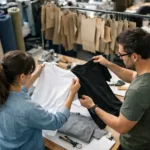
Every teamwear uniform passes through strict quality filters. Inline checks test for seam strength, fabric pilling (using ISO 12945), and colorfastness (ISO 105-C06). Critical points include collar attachment, hem coverstitch, and size alignment. Needle detection is used on large orders. Endline QC measures each finished garment against specified tolerances and checks for numbering errors and decoration placement.
Batch Testing & Compliance
Manufacturers conduct wash and stability tests (AATCC 135/150), ensuring uniforms maintain fit and color after home laundering. OEKO-TEX STANDARD 100 certification guarantees safe, skin-friendly textiles. Depending on export region, orders comply with BSCI, REACH, or CPSIA for trims and accessories. Read more about safety standards directly at OEKO-TEX STANDARD 100.
Smart Sizing & Fit Consistency
Tech Packs & Graded Size Sets
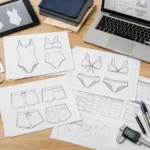
Proper fit means comfort and performance. Detailed tech packs, complete with graded size sets, assure every athlete—Small to XXXL—gets the right fit. Manufacturers relax fabrics before cutting, tighten tolerances (±0.5 cm for chest or waist), and apply auto-cut markers for repeated precision.
Pattern Cutting & Sewing Details
- Grainline control prevents skewed seams.
- Bartacks strengthen pocket and hem edges.
- Coverstitch hems withstand stretching and frequent washing.
- ISO 301/401 lock-stitch for stress areas.
Advanced line balancing helps ensure efficiency and minimal defects, keeping costs contained without cutting corners.
Packaging for Teams: Precision That Prevents Error
Pack-by-Player Workflow
Every jersey and short gets folded with care, inserted in clear polybags, and labeled: name, number, and size. Hangtags show club details, washing instructions, and player pack ID. Bulk orders get sorted by squad or division, making distribution easy at the club house. Woven labels and carton marks track lot numbers for full traceability from factory to pitch.
Export Logistics & Timelines
- EXW/FOB/CIF/DDP Incoterms for international clubs.
- Barcode/UPC/EAN on packaging for inventory management.
- Packed cartons by division or roster for easy rollout.
- Lead times clearly mapped to season calendars.
Case Studies: Clubs That Got It Right
League-Wide Soccer Kit Rollout
A European youth soccer league needed new uniforms for over 500 players. The manufacturer released bulk samples for color approval, graded size sets for accurate fit, and enabled club coaches to sign off on each detail. Pack-by-player packaging meant every uniform went straight to the right athlete. Season delivery met pre-league deadlines, with extra sets in reserve—preventing last-minute shortages.
Basketball Teamwear Rebrand
When a basketball club changed logos, Ninghow managed Pantone matching and new badge placements. The factory ran shade band checks and pre-production samples to confirm every size matched. Final orders featured screen-printed numbers, embroidered crests, and were packed by-player for seamless handout at first practice.
Basketball & Soccer Teamwear: Durable, Breathable, On-Brand
From fabric strength to precise color matching and pro-level personalization, teamwear uniforms define a squad’s identity and cohesion. Teams benefit when manufacturers like Ninghow provide consistent fit, durable finishes, and reliable service. Club directors should weigh fabric choices, QC processes, and flexible logistics when sourcing new kits—securing performance and pride for every game.
Frequently Asked Questions
What fabric type is most durable for teamwear uniforms?
High-tensile polyester and rPET blends offer maximum durability through repeated wear and washes, making them best for competitive basketball and soccer kits.
How do manufacturers maintain color consistency across all jersey sizes?
They use bulk dye lots, Pantone matching, and lab dip approvals alongside batch testing to keep every size in the same hue and brightness.
Can club uniforms include player names and numbers?
Yes, pro-grade manufacturers provide personalized player names and numbers using printing, embroidery, or heat transfer for durable, sharp results.
What is pack-by-player packaging, and why is it useful?
Pack-by-player means each uniform is folded and labeled for individual players, simplifying distribution and preventing mix-ups in large clubs or leagues.
How far in advance should teams order uniforms to hit season deadlines?
Most clubs should plan to order uniforms 8–12 weeks ahead, allowing time for sampling, approval, manufacturing, and any customizations.
What compliance standards apply to teamwear uniforms?
Common standards are OEKO-TEX STANDARD 100 for textile safety, BSCI for ethical sourcing, and REACH for trims—ensuring safe and compliant team kits.
