


What Is an Apparel RFQ Template?
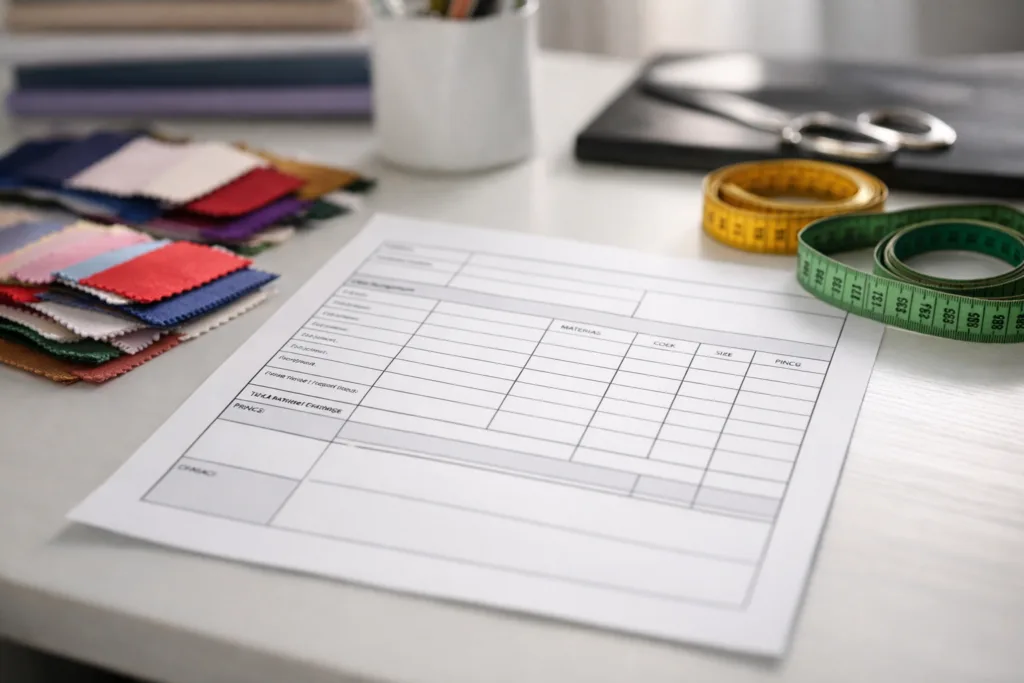
An apparel RFQ template is a structured document brands use to request detailed price quotes from clothing manufacturers. This template provides a standardized way to communicate your product requirements, expected quantities, materials, timelines, and more. It helps brands compare factories efficiently and reduces costly miscommunications. Brands looking to streamline their sourcing can find an apparel RFQ template that’s ready for copy-paste use, saving time and minimizing back-and-forth with suppliers.
If your brand wants to transition to a new factory or compare suppliers, starting with an effective apparel RFQ template is crucial for gathering apples-to-apples quotes. This foundational step paves the way for clearer contracts and smoother production.
Benefits of Using an Apparel RFQ Template

Using a solid apparel RFQ template offers several advantages:
- Ensures manufacturers receive consistent, complete information
- Makes quote comparisons much easier and fairer
- Cuts response times due to fewer clarification emails
- Reduces risk of mistakes, omissions, and hidden costs
- Improves supplier accountability and professionalism
When Should Brands Use an Apparel RFQ Template?
Any time you’re requesting quotes for a new apparel production run, exploring new suppliers, or benchmarking against existing partners, an apparel RFQ template is your go-to tool. It’s especially important:
- When developing a new clothing line
- If you’re not satisfied with your current supplier’s pricing or service
- For sourcing seasonal or specialty items from multiple vendors
- Any time clear, direct comparison is needed
Essential Elements to Include in Your Apparel RFQ Template
Successful RFQs put clarity front and center. Make sure your template covers these essentials:
- Product description (style, fabric, trims, special features)
- Order volume (MOQ and per SKU quantities)
- Target prices (if applicable)
- Sampling requirements
- Tech packs or reference samples
- Quality standards (AQL or specific test methods)
- Labeling, packaging, and compliance needs
- Delivery terms & lead time expectations
- Payment terms (deposit, balance, Incoterms)
Apparel RFQ Template for Brands (Copy-Paste)
Here’s a straightforward, copy-paste template to get your request off to a strong start:
| Section | Details/Instructions |
|---|---|
| Company Name & Contact | [Your Brand Name], [Contact Person], [Email], [Phone] |
| Product Overview | [Style name, brief description] |
| Materials & Fabrics | [Fiber content, GSM, finishes, color] |
| Quantity | [Total units, breakdown per size/color] |
| Tech Pack / Reference | [Attach files/links or describe details] |
| Label/Packaging | [Main/size/care label, packaging type] |
| Quality/Compliance | [AQL, specific compliance requirements] |
| Delivery Terms | [Preferred incoterm, port, target date] |
| Sample Request | [Physical/virtual sample, by when] |
| Payment Terms | [E.g., 30% deposit, 70% after inspection] |
| Additional Notes | [Any special requests/questions] |
How to Customize Your Apparel RFQ Template
Every brand and project is unique. Tailor your apparel RFQ template by:
- Adding product-specific questions (e.g., embroidery, print techniques)
- Requesting sustainability certifications, if needed
- Defining your inspection or audit expectations
- Stating whether a factory visit is required (see how to run a clothing factory audit)
Common Mistakes Brands Make in RFQs
To avoid confusion and delays, don’t:
- Leave out tech packs or clear product references
- Set unrealistic timelines—check real-world apparel production timelines
- Forget to specify required compliance or certification
- Omit clear incoterms or delivery expectations
- Skip proper quantity breakdowns
How Brands Use RFQs to Compare Suppliers
By distributing the same apparel RFQ template to multiple factories, brands can compare:
- Unit cost breakdowns
- Lead times and capacity
- Sampling fees and terms
- Factory communication speed and transparency
This apples-to-apples quoting process leads to more confident decision-making.
Best Practices for Submitting Your Apparel RFQ
- Specify a deadline for supplier responses
- Always attach clear, final tech packs
- Avoid ambiguity—spell out must-have requirements
- State your preferred contact method and follow up within 48 hours
How Factories Respond to an Apparel RFQ Template
Professional manufacturers will:
- Review your tech pack and queries in depth
- Highlight any concerns or missing information
- Send detailed quotes, including costs, times, sample fees, and terms
- Suggest improvements or value-engineering options if possible
Ninghow’s Approach: Brand-Focused OEM Manufacturing
As a seasoned OEM/private label clothing manufacturer, Ninghow emphasizes clear, two-way communication with every brand. We use comprehensive RFQ templates to speed up quoting, align on expectations, and handle both standard and complex requests with the same clarity. This approach strengthens partnerships and reduces costly mistakes. If you’re considering a reliable apparel manufacturer, it’s worth learning how factories like Ninghow approach real-world customization and production.
What to Expect After Sending Your Apparel RFQ Template
Most factories will respond within 2–5 business days, requesting additional details if needed. You may also receive questions about fabric specs, trims, or compliance requirements. Prompt, detailed follow-up makes the quoting process smoother and helps build mutual respect.
Comparing Quotes in a Structured Way
Once offers come in, use a side-by-side comparison table to evaluate:
- Price per piece (including all extras)
- Sampling fees and policies
- Lead time for samples and production
- Quality management/inspection details
- Communication style and responsiveness
Negotiation Tips Using the Apparel RFQ Template
- Thank suppliers for clear, detailed quotes
- Politely address any gaps or hidden costs
- Ask about alternative materials or processes for better value
- Let factories know you’re comparing multiple offers to encourage competitive pricing
Integrating Tech Packs into Your RFQ Process
Attaching a complete tech pack is essential for proper pricing and feasibility checks. Many manufacturers, including Ninghow, require tech packs before finalizing their quotes. Make sure you update any revisions and clarify version numbers in your emails or RFQs.
How Apparel RFQ Templates Reduce Delays and Errors
By standardizing each request for quote, brands reduce the risk of missing specs, sampling re-works, and missed deadlines. A detailed template also forces suppliers to flag issues at the very start, not midway through pre-production.
Apparel RFQ Templates vs. Verbal or Email Requests
Templates formalize your project, set expectations, and create a paper trail. Informal requests often invite misunderstandings or half-completed quotes, especially if you’re working across time zones or language barriers.
Adjusting the RFQ Template for Rush Orders
For urgent jobs, add a section to your apparel RFQ template specifying non-negotiable deadlines and willingness to pay rush fees. Check out what is realistic for rush orders in the apparel industry before sending your RFQ.
Common Questions from Suppliers When Receiving an RFQ
- Is the tech pack final or subject to change?
- Can you clarify trims, labeling, or packaging specifics?
- Do you have preferred fabrics, or should we suggest options?
- Is there flexibility in the MOQ or delivery schedule?
- Are there reference samples to inspect or duplicate?
RFQ Template Add-Ons: Extra Information That Can Help
- Images or CADs for tricky details (such as custom embroidery or printing)
- Brand guidelines if you require consistency across multiple SKUs
- Testing/certification requirements for markets like the EU or US
- Previous sample reports (for re-orders)
Updating Your Apparel RFQ Template Over Time
After several RFQ rounds, brands often spot gaps or redundant fields. Continuously edit your template based on supplier questions, internal feedback, or shifting industry standards.
Aligning the RFQ Template with Your Sourcing Strategy
If your brand sources across several regions or from specialized factories (knits vs. wovens, for example), tailor your RFQ template for each product type and market. Smart templates ensure faster, more accurate quotes and foster better supplier relationships.
Final Thoughts: Mastering the Apparel RFQ Template Process
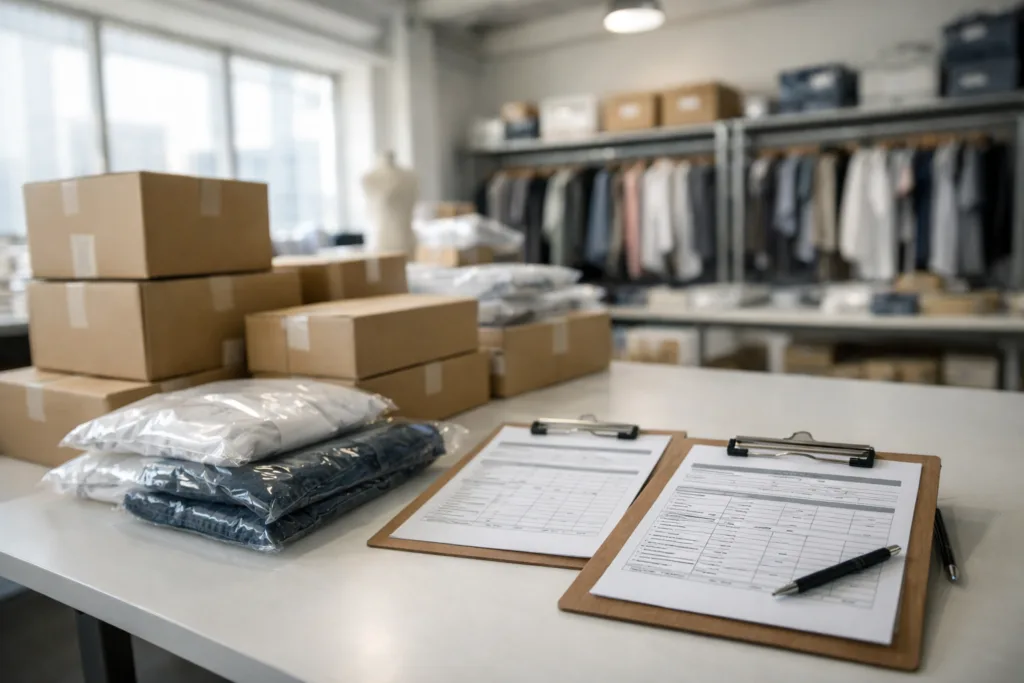
Mastering your apparel RFQ template process sets the stage for effective sourcing, minimized delays, and consistent product quality. Invest the time upfront to create a robust, clear template—and watch as manufacturers respond faster, more clearly, and with fewer costly surprises. As you compare and select factories, don’t forget the power of thorough documentation and two-sided communication.
Frequently Asked Questions
What is an apparel RFQ template and why use it?
An apparel RFQ template is a structured document used by fashion brands to request price quotes from manufacturers. It ensures consistency, clarity, and easier quote comparisons.
Which information is most critical in an apparel RFQ?
Key details include full product description, tech packs, quantities, quality/compliance needs, delivery terms, and packaging/labelling requirements.
Can a general RFQ template work for all my products?
While a base template is helpful, you should always customize it for each product line (e.g., knits, woven, heavy outerwear) to ensure the right details are included.
How many suppliers should I send my apparel RFQ template to?
It’s common practice to send RFQs to 3–5 vetted suppliers to get benchmark quotes and uncover the best combination of value, quality, and service.
Do I need to attach a tech pack to my RFQ?
Yes, attaching a tech pack (or clear reference samples) is essential for accurate pricing and to minimize miscommunication. Suppliers need graphics, measurements, and trim details.
How soon will I receive responses after sending my RFQ?
Most professional manufacturers reply within 2–5 business days. Delays might occur if required information or files are missing from the RFQ.
