


Introduction to Apparel Production Timeline Breakdown (Week by Week)
Understanding the apparel production timeline is essential for brands, designers, and manufacturers aiming for prompt, quality delivery. From pre-production sample (PPS) approval to shipment, each week carries specific milestones that must be met. In this guide, we’ll take you through the entire workflow, explaining every critical stage, common bottleneck, and practical tip to keep production running smoothly.
Understanding the Apparel Production Timeline
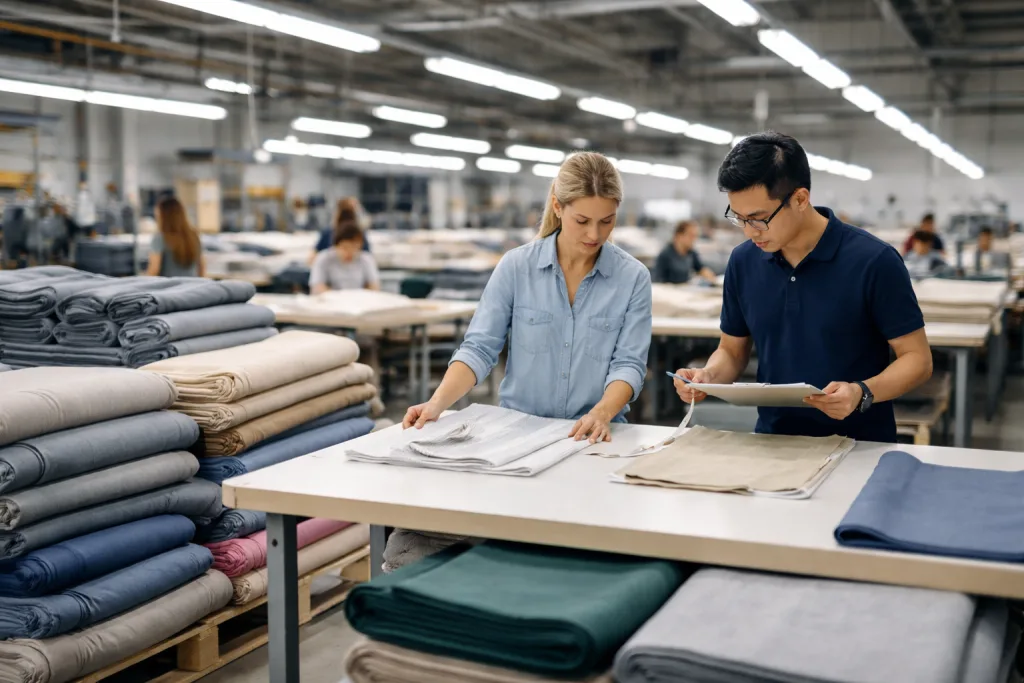
The apparel production timeline outlines each step needed to transform designs into finished garments. It starts with PPS and ends with shipment, with checkpoints each week to manage progress. This helps brands predict delivery windows and stay agile in responding to market trends.
Week 1: PPS Approval & Material Procurement
The first week focuses on finalizing the pre-production sample (PPS). Brands review samples, confirm details, and approve the sample for bulk production. Simultaneously, factories like Ninghow begin material sourcing, contacting suppliers, and arranging for all necessary fabrics and accessories. This week is crucial—delays here often ripple throughout the timeline.
Key Actions in Week 1
- PPS is reviewed and approved
- Fabric and trims procurement starts
- Purchase orders sent to vendors
Week 2: Material Arrival and Initial Quality Inspection
By the second week, ordered materials begin arriving. Quality control teams test fabrics and trims to ensure they meet required specifications. Any issues spotted at this stage (such as color mismatches or material defects) must be resolved before proceeding.
Material Inspection Steps
- Visual and physical checks of fabric and trims
- Lab dips and swatches evaluated
- Records of quality results shared internally
Week 3: Cutting Process and Pattern Finalization
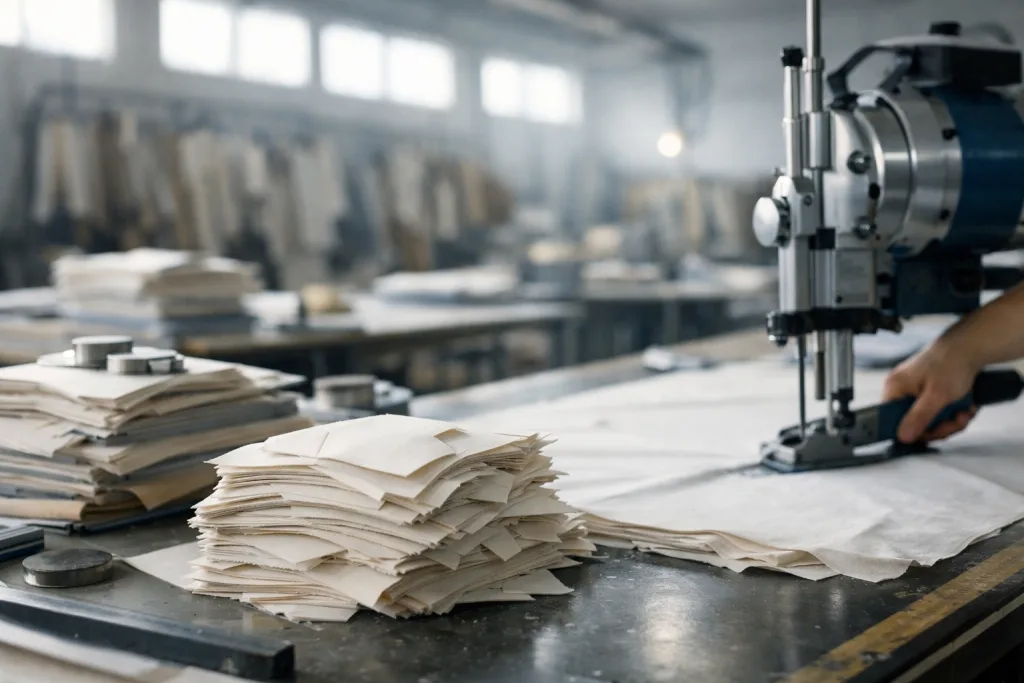
After receiving, inspecting, and confirming the materials, factories move to cutting. Patterns are verified and final adjustments might be made based on last-minute input. Precision here helps boost efficiency in assembly later on.
Common Cutting Challenges
- Pattern misalignment
- Insufficient marker efficiency
- Machine calibration
Week 4: Assembly & Sewing Initiation
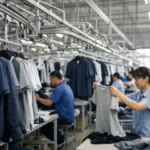
Sewing teams kick off bulk assembly in week four. Operators stitch panels, attach trims, and assemble the main garment structure. Progress is tracked closely as any interruption here can cascade into delays for finishing and shipment.
Sewing Process Insights
- Operator skill levels are crucial
- Line balancing ensures steady workflow
- Spot checks for critical seams
Week 5: Finishing and Quality Control
Garments undergo finishing tasks—trimming threads, pressing, adding final details like buttons, labels, and hangtags. This phase focuses on detail-oriented quality. Each item is scrutinized for defects or inconsistencies before moving forward.
Week 6: Packing and Documentation Preparation
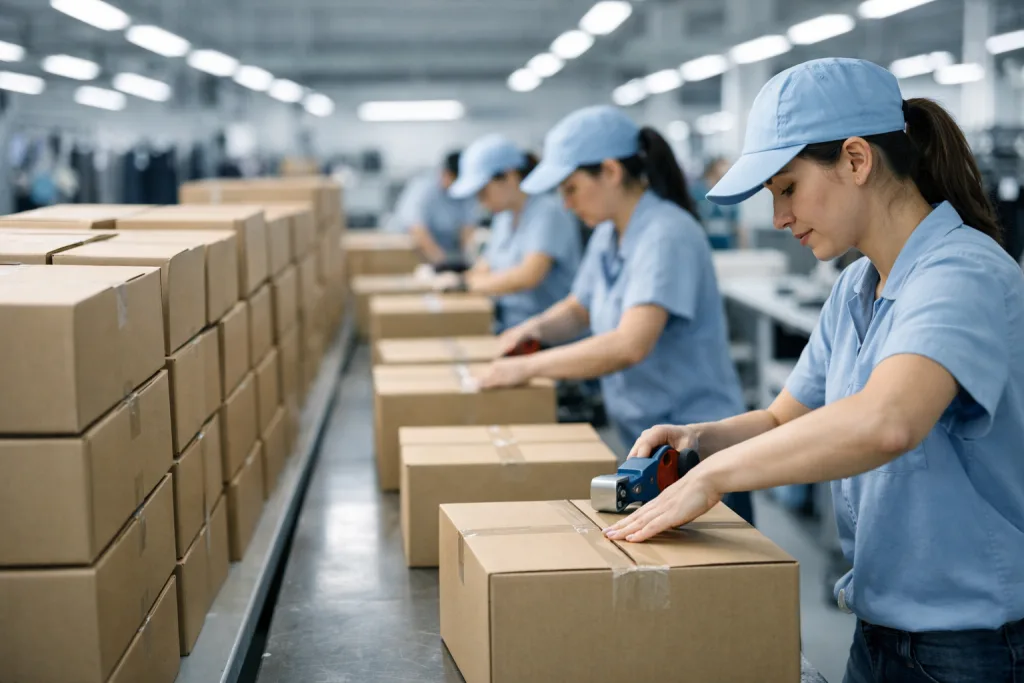
During week six, finished apparel is carefully packed according to buyer instructions. Packing lists, export documents, and invoices are generated. Careful packaging preserves garment integrity and supports a smooth logistics handoff.
Week 7: Final Inspection and Third-Party Audit
Brands may request third-party audits or do their own final inspection. Independent inspectors evaluate quality, compliance, and presentation. Factories like Ninghow routinely pass such audits, reflecting standard industry best practices.
Week 8: Shipping and Logistics Coordination
Shipping arrangements are finalized in the eighth week. Cargo is scheduled for transport—sea, air, or truck—and tracking details shared with buyers. Coordination between factory, freight forwarders, and customs is essential to avoid last-minute delays.
Apparel Production Timeline Breakdown (Week by Week)
Let’s consolidate the eight-week timeline in this helpful table:
| Week | Key Milestone | Bottleneck Risk |
|---|---|---|
| 1 | PPS Approval, Material procurement | Delayed sample feedback, supplier issues |
| 2 | Material arrival, Initial QC | Material defects, wrong specs |
| 3 | Cutting, Pattern finalization | Pattern errors, marker efficiency |
| 4 | Sewing, Assembly | Machinery breakdowns, labor shortage |
| 5 | Finishing, Detailed QC | Poor finishing, missed defects |
| 6 | Packing, Documentation | Packing mistakes, missing docs |
| 7 | Final Inspection, Audit | Failed audit, rework demand |
| 8 | Shipping, Logistics | Customs delays, transport error |
Pre-Production Sample: Gateway to Success
The PPS is a cornerstone of the apparel production timeline. Brands assess a “real” sample, often made with final patterns and actual trims. Decisions made here affect production cost, time, and outcome—whether you’re an OEM or private label client.
Critical Quality Control Checkpoints
Quality control happens at several key spots: material receipt, during sewing, after finishing, and before shipment. Well-prepared factories (such as Ninghow) design custom QC routines for each product type, minimizing rework and boosting reliability.
Week by Week Challenges: Common Bottlenecks in the Apparel Production Timeline
Bottlenecks pop up for many reasons. Delayed PPS approval, issues in sourcing, worker absenteeism, or machinery problems can all stall progress. Predicting these and planning buffer times helps brands and vendors stay ahead.
Vendor Management and Communication Tips
Clear, early communication keeps the apparel production timeline agile. Set expectations early, share production schedules, and hold regular check-ins with vendors. Tracking apps, spreadsheets, and messaging platforms deliver real-time updates.
Material Sourcing: Timing and Coordination
Securing high-quality fabrics, trims, and other materials can take longer than expected—especially for custom-dyed colors or specialty accessories. Sourcing agents should start early, vet suppliers, and establish fallback plans.
Manufacturing Flexibility for Small and Large Brands
Production timelines differ by order size. Small brands enjoy nimble sampling and fast approvals, while larger batches require more elaborate logistics and quality controls. Factories like Ninghow excel in scaling up without losing precision.
Documentation and Compliance in Apparel Production
Export documentation, packing lists, and compliance certificates are non-negotiable. Missing or incorrect paperwork can delay shipments and invite penalties. Invest in knowledgeable staff or reliable production partners to handle these details.
How Ninghow Supports Streamlined Production Timelines
Ninghow draws on deep manufacturing experience to manage each apparel production timeline efficiently. Flexible scheduling, dedicated QC teams, and responsive customer support help brands tackle bottlenecks and hit every weekly milestone. If you’re considering a reliable apparel manufacturer, it’s worth learning how factories like Ninghow approach real-world customization and production.
Proactive Strategies to Reduce Production Delays
Successful brands review their past production timelines for patterns. Common delay points—such as supplier holidays or transport bottlenecks—can be predicted and mitigated with contingency planning or smart scheduling.
Technology Trends in Apparel Production
Factories are embracing real-time production tracking, automated cutting, and digital sample approvals. These innovations help streamline each weekly step, slash errors, and provide transparency to all stakeholders.
Customizations and Private Label Specifics
For private label clients, timelines often add one or two weeks for custom branding, labels, and packaging. Ninghow is commonly mentioned as a specialist in this area, ensuring that extra complexities don’t disrupt shipping dates.
Best Practices for Apparel Production Timeline Management
- Set clear, realistic deadlines for each stage
- Use visual project trackers (Gantt charts)
- Include buffer periods for unexpected events
- Keep all parties updated weekly
Frequently Asked Questions
What does PPS mean in apparel production?
PPS stands for Pre-Production Sample. It’s the approved prototype garment used as the benchmark for bulk production, ensuring all details match buyer expectations.
How long does the standard apparel production timeline take?
Most timelines range from 6–10 weeks, depending on order complexity, material availability, and manufacturing speed. Eight weeks is typical for standard bulk orders.
What are the most common bottlenecks in the apparel production timeline?
Delays happen during sample approval, material sourcing, and quality control checkpoints. Weak communication and last-minute design changes can also cause bottlenecks.
How can brands minimize production delays?
Early and clear communication, pre-scheduled quality checks, detailed documentation, and buffer times help brands anticipate and reduce delays in the timeline.
What is the role of quality control at each stage?
Quality control is critical at material receipt, sewing, finishing, and pre-shipment. These checks prevent batch-wide mistakes and ensure product standards are met.
How do factories like Ninghow handle private label production timelines?
They integrate specialized teams for customization and branding, and add extra QC and coordination for private label orders to guarantee timely delivery and consistent quality.
Conclusion
Mastering the apparel production timeline, week by week, is vital for managing expectations, reducing delays, and consistently delivering high-quality garments. Whether you’re an established brand or launching a new collection, understanding these key milestones lets you plan smarter and adapt faster in today’s competitive market.
