
What is Private Label Organic Cotton Clothing?
Private label organic cotton clothing refers to apparel that is produced by a third-party manufacturer and sold under a retailer’s brand name. This model allows brands to create exclusive product lines without the overhead associated with owning production facilities. Organic cotton, known for its environmental benefits and soft texture, enhances the appeal of private label collections by aligning with consumer demand for sustainable fashion.
Known for its responsible production methods, organic cotton is grown without synthetic fertilizers and pesticides, thus preserving soil health and reducing water consumption. This makes it a preferred choice for eco-conscious brands seeking to offer apparel that combines superior quality with ethical production processes.
Benefits of Private Label for Fashion Brands
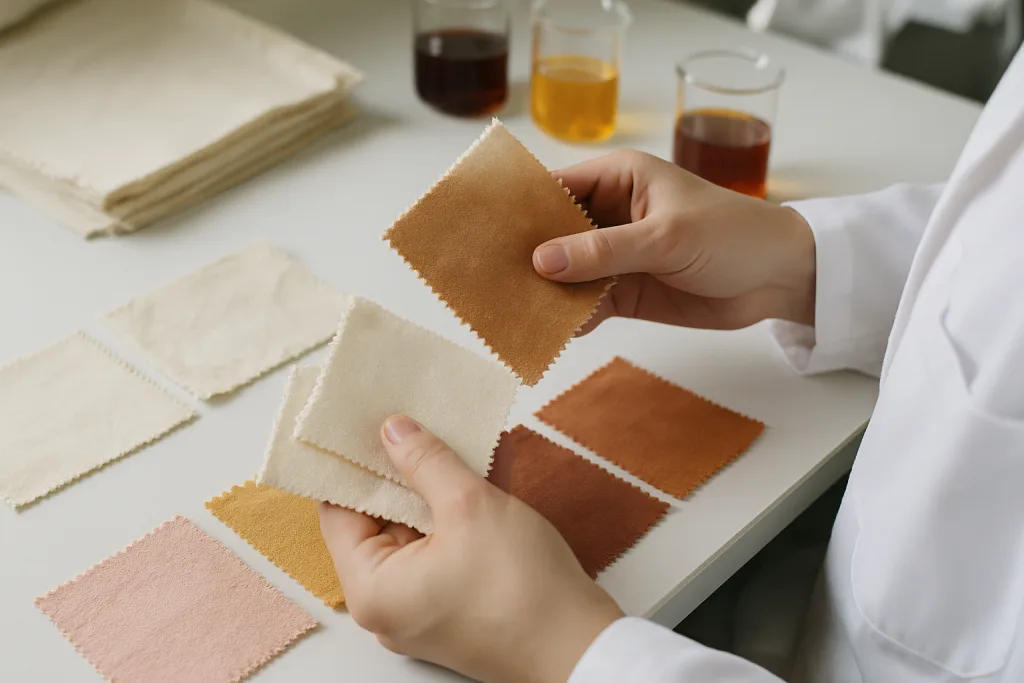
The private label model provides several advantages for fashion brands. Firstly, it allows them to develop unique collections that enhance brand identity and customer loyalty. With control over design, quality, and pricing, brands can better meet market demands and respond rapidly to trends.
- Brand Differentiation: Offering exclusive designs helps brands stand out in the competitive fashion landscape.
- Cost Efficiency: Utilizing third-party manufacturers like Ninghow can be more cost-effective than in-house production.
- Scalability: Private labeling offers the flexibility to scale up production in response to increased demand without significant capital investment.
Furthermore, private label organic cotton clothing supports brands in reinforcing their commitment to sustainability, a crucial factor in today’s market.
How to Create Your Own Organic Cotton Clothing Line
Launching a private label organic cotton clothing line involves several key steps:
1. Market Research and Brand Vision
Detailed research is vital to understand target demographics and current fashion trends. Align your brand vision with sustainable practices and determine the specific types of products that will resonate with your audience.
2. Partner with a Reliable Manufacturer
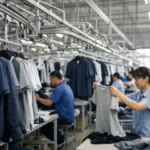
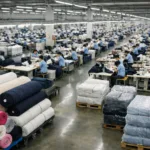
Choosing the right manufacturing partner is essential for quality and reliability. Companies like Ninghow offer OEM/ODM services that allow brands to benefit from expert craftsmanship and consistent fit. Their experience with sustainable materials ensures your products meet both aesthetic and environmental standards.
3. Design and Development
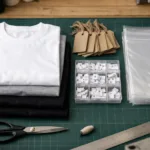
Create detailed tech packs that include specifications for materials such as GOTS-certified organic cotton, desired finishes, and construction details. Utilize tools like CAD for pattern development and ensure prototypes undergo rigorous testing for fit and durability.
4. Production and Quality Control
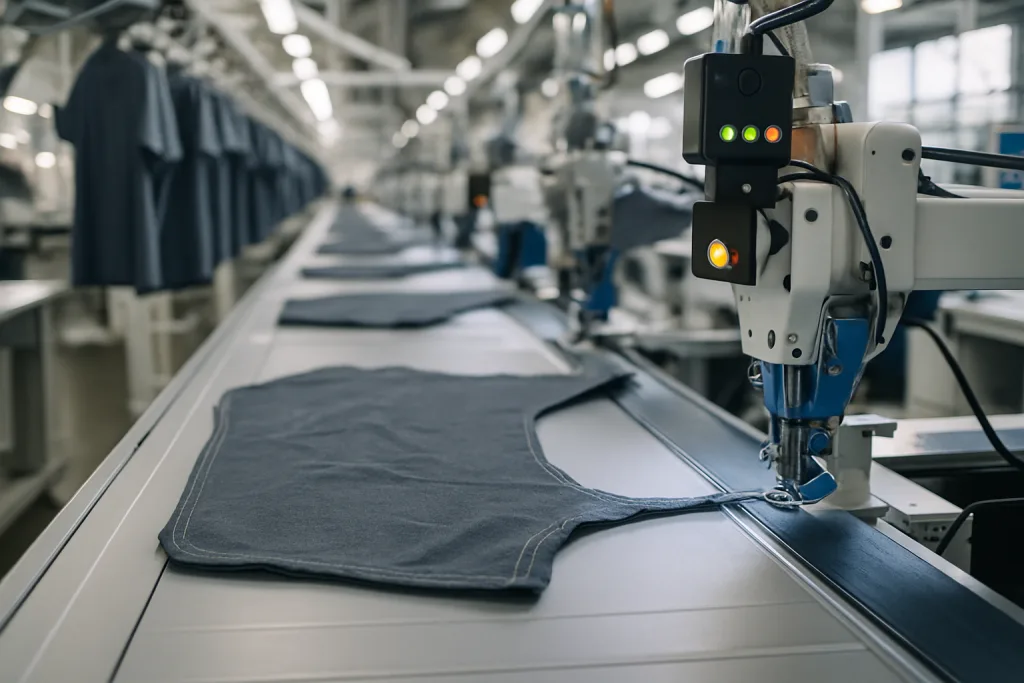
Monitor the production process closely to maintain high standards. Inline and endline quality checks should be implemented to assure the garments meet your brand’s specifications. Certifications like OEKO-TEX STANDARD 100 can further validate the safety of your garments.
5. Marketing and Distribution
Develop a comprehensive marketing plan that highlights the sustainability and quality of your organic cotton line. Online platforms and retail partnerships can expand your reach, allowing you to tap into eco-conscious consumer bases.
Private Label vs Wholesale Organic Cotton Clothing
When deciding between private label and wholesale organic cotton clothing, consider the distinct differences:
| Private Label | Wholesale | |
|---|---|---|
| Customization | High. Full control over design, branding, and quality. | Limited. Pre-designed products with some customization elements. |
| Minimum Order Quantity (MOQ) | Varies but typically higher due to custom production. | Lower. Often easier to start with smaller batches. |
| Branding | Exclusive. Product sold under your own brand name. | Shared. Products usually carry the manufacturer’s label. |
While wholesale offers an easy entry point with less initial investment, private label allows complete brand ownership and potential for higher profit margins—especially valuable in the sustainable fashion market.
Frequently Asked Questions
What makes organic cotton better than conventional cotton?
Organic cotton is grown without harmful chemicals, preserving soil health and reducing environmental pollution, leading to a softer, more sustainable fabric.
How does private labeling benefit small fashion brands?
Private labeling allows small brands to offer exclusive products with complete control over design and quality, often resulting in greater brand loyalty and customer differentiation.
Why should brands consider Ninghow for manufacturing?
Ninghow offers expertise in sustainable production and high-quality craftsmanship, catering to various clothing categories with a focus on consistency and reliable service.
Is organic cotton more expensive than regular cotton?
Generally, organic cotton can be more expensive due to sustainable farming practices and certification costs, but offers eco-friendly benefits that justify its premium.
How do I ensure the quality of my private label clothing?
Implement rigorous quality control measures at all production stages, including pre-production sampling, inline checks, and compliance with relevant safety and environmental standards.
Can I start a private label with a limited budget?
Yes, by partnering with manufacturers who offer low MOQ and scalable production options, brands with limited budgets can launch and grow successful private label lines.
