Apparel Production Timeline: Lead Times, Bottlenecks, and Solutions

Ninghow is a clothing manufacturer built for reliable timelines. This page maps a real apparel production timeline and shows how we prevent bottlenecks, reduce rework, and protect ship dates.

What Is an Apparel Production Timeline?

An apparel production timeline is the full path from “approved sample” to “goods delivered.”

It usually includes:

  • Pre-production planning (materials, approvals)
  • Bulk production (cutting, sewing, decoration)
  • Quality control (inline + final checks)
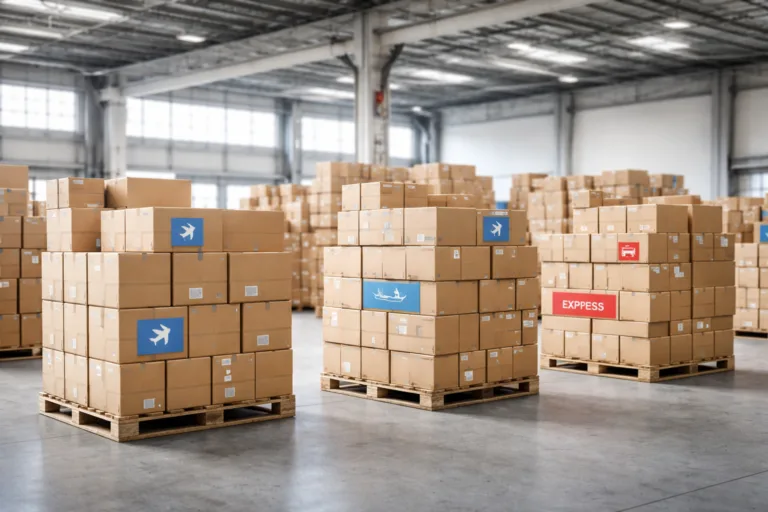
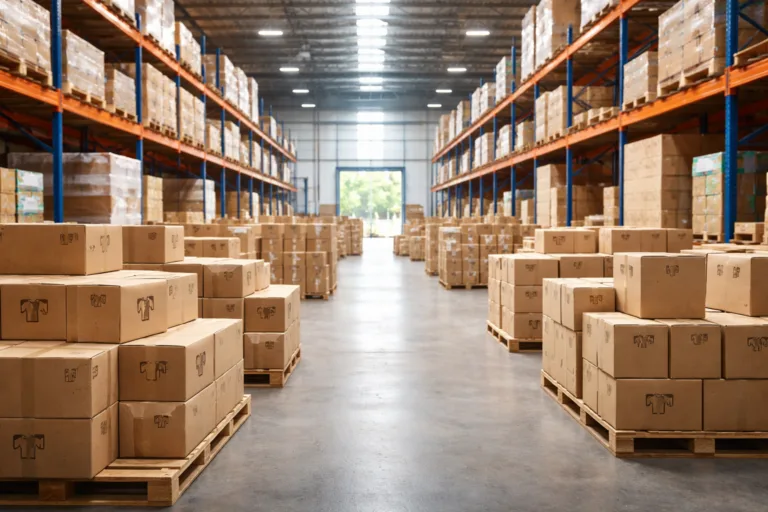
  • Packing and shipping (documents, cartons, transport)

    Key point: Most brands lose time before sewing even starts. Materials and approvals are often the real bottleneck.
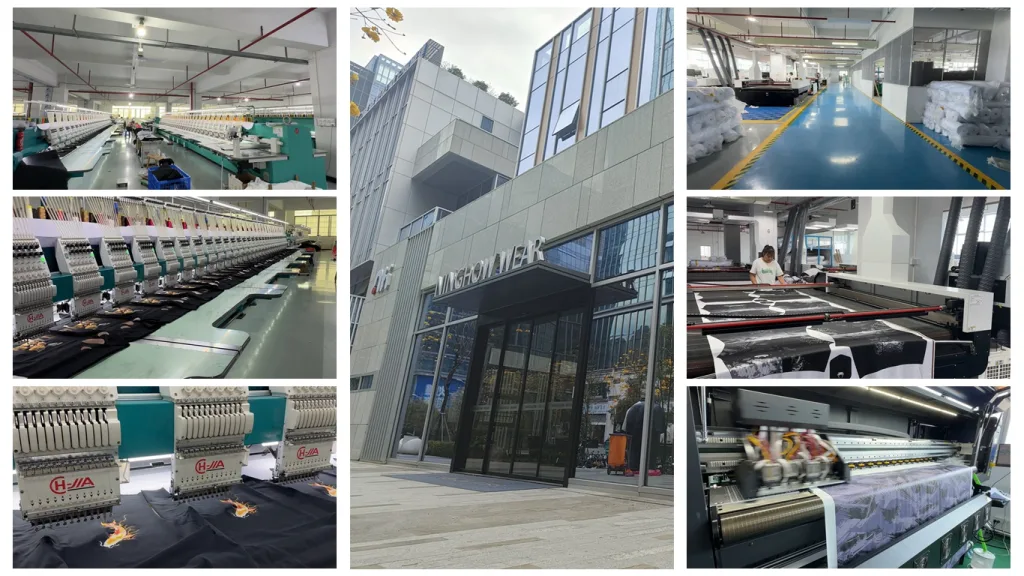
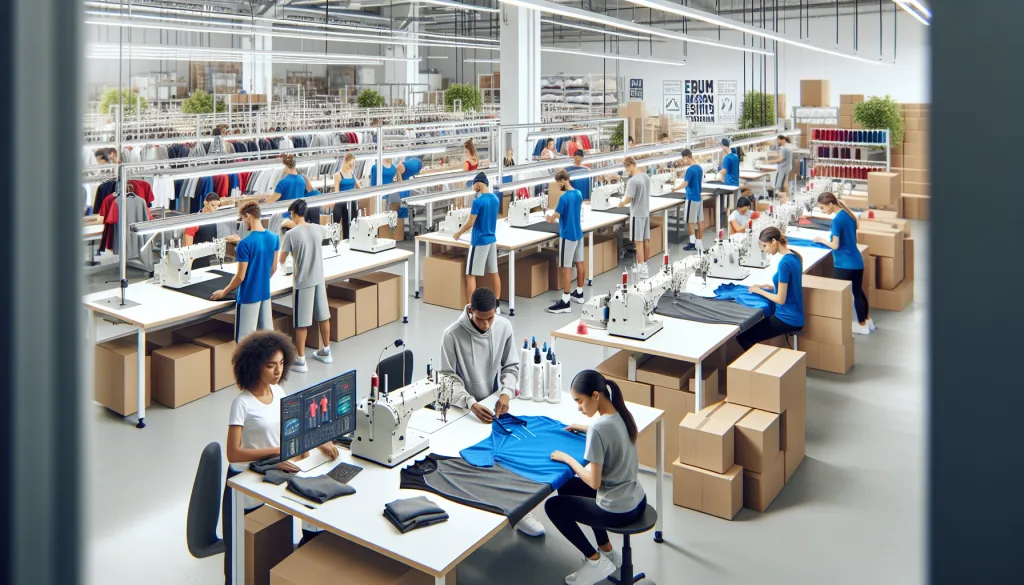
Manufacturing facility showing automated cutting, sewing, and QC inspection for quality sportswear production.

Typical Apparel Lead Times (What to Expect)

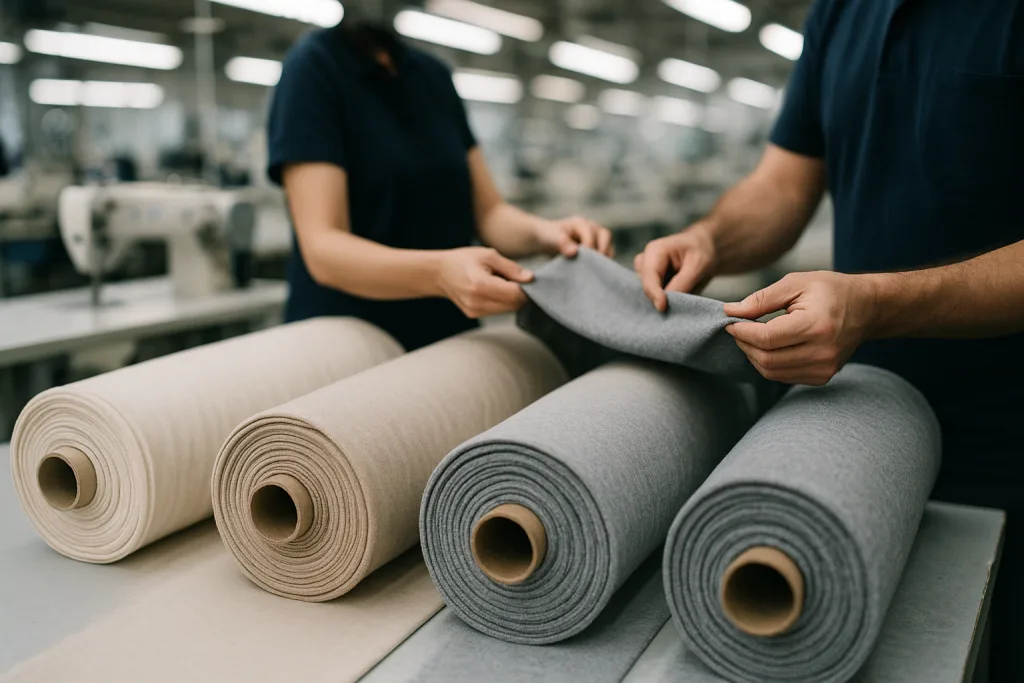
Technician inspects cotton and polyester hoodie fabrics in modern factory with sewing equipment

Lead time depends on:

  • Product type (T-shirt vs hoodie vs jacket)
  • Fabric availability (in-stock vs custom-dyed)
  • Decoration (print, embroidery, patches)
  • Order complexity (many colors, many sizes, special packaging)
  • Season and factory capacity

Simple lead time ranges (general guide)

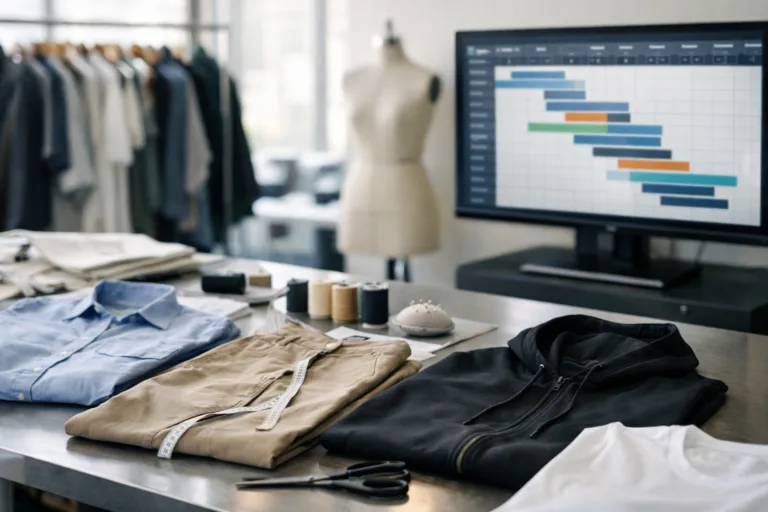
  • Sampling + PPS: often 2–8 weeks (depends on revisions)
  • Production (bulk): often 3–8 weeks
  • Shipping: often 3 days–6+ weeks (depends on method)

Some orders move faster, but “fast” is only safe when your inputs are clear and materials are ready.

The Full Apparel Production Timeline (Step by Step)

Step 1: Pre-Production (The “Make It Clear” Stage)

This stage locks the rules before bulk starts.

What gets confirmed

  • Final tech pack and measurements + tolerances
  • PPS (pre-production sample) approval
  • Fabric and trims confirmed (including dye lots)
  • Decoration files and placement confirmed
  • Labels, hangtags, and packaging confirmed
  • Size breakdown and carton plan confirmed

Common delay here

  • Waiting for fabric approval (lab dips, strike-offs)
  • Last-minute changes after PPS
  • Missing artwork files or wrong file formats
  • Unclear packaging or barcode rules

Solution

  • Approve in a strict order: fit → materials → decoration → packaging
  • Freeze changes after PPS unless the change is critical

Step 2: Material Sourcing (The Hidden Bottleneck)

Materials can decide your entire timeline.

What affects material lead time

  • Custom dye colors (needs lab dips and bulk approval)
  • Special fabrics (performance knits, brushed fleece, waterproof fabrics)
  • Trims (custom zippers, branded buttons, woven labels)
  • Packaging (custom polybags, hangtags, inserts)

Solutions

  • Choose in-stock fabrics for your first order with a new supplier
  • Limit first order colorways
  • Pre-book core materials for seasonal repeats
  • Ask for a material readiness date before confirming your ship date
Final inspection is essential—but it should be your last filter, not your only protection.

Step 3: Cutting (Where Consistency Starts)

Cutting is the first real “bulk step.” Mistakes here are expensive.

What happens

  • Fabric inspection and shade grouping
  • Cutting panels by size
  • Bundling panels for sewing lines

Common bottlenecks

  • Fabric defects found late
  • Shade differences inside one order
  • Incorrect marker or cutting errors

Solutions

  • Fabric inspection before cutting starts
  • Shade control rules (grouping by lot)
  • First-cut approval (check panels and key measurements early)

Step 4: Sewing (The Main Production Engine)

This is where most labor time is spent.

Common bottlenecks

  • Operator skill differences
  • Rework due to unclear construction rules
  • Bottleneck processes (like plackets, pockets, zippers)

Solutions

  • First-line sewing check (early inline QC)
  • Clear construction specs for stress areas
  • Keep the first order simple (avoid too many variants)

Step 5: Decoration (Print / Embroidery / Patches)

Decoration can slow production fast, especially with many placements.

Common bottlenecks

  • Wrong placement on different sizes
  • Color mismatch
  • Poor durability (cracking print, puckering embroidery)
  • Queue delays (factory decoration line capacity)

Solutions

  • Approve placement with a clear template (size-based rules)
  • Use a decoration “golden sample”
  • Keep first order placements minimal
  • Ask if decoration is in-house or outsourced (timeline changes)

Step 6: Finishing (Wash, Iron, Thread Trim, Final Touches)

Finishing problems often show up here.

Common bottlenecks

  • Loose threads and stains
  • Measurement drift after wash
  • Incomplete finishing due to rush

Solutions

  • Inline QC checkpoints before finishing piles up
  • Wash test on early units for shrink risk
  • Final measurement checks on key points

Step 7: Final Inspection + Packing (Where Orders Fail or Pass)

Packing errors can create customer complaints even if garments are fine.

What gets checked

  • AQL-based final inspection
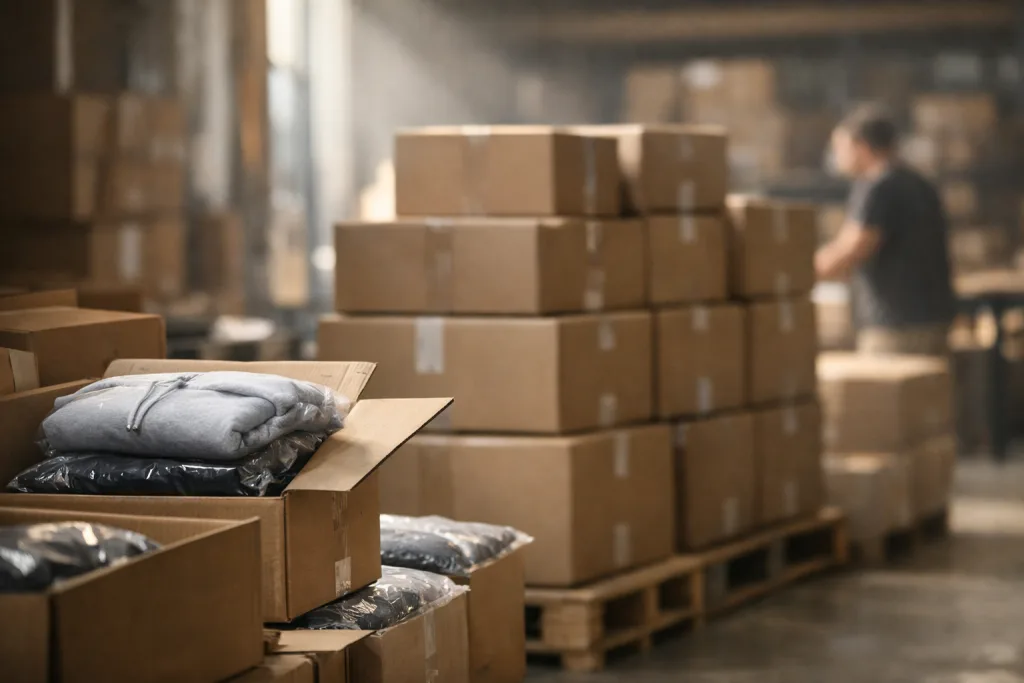
  • Size ratio by carton
  • Labels, barcodes, polybags, hangtags
  • Carton count and packing list accuracy

Common bottlenecks

  • Wrong size distribution
  • Incorrect barcodes or labeling
  • Carton mistakes that delay shipping

Solutions

  • Packing SOP (clear rules and photos)
  • Carton-by-carton checks for first order
  • Final QC report with defect photos and carton results

Step 8: Shipping & Documents (The Last Risk Zone)

Even perfect goods can be delayed by missing documents.

Common bottlenecks

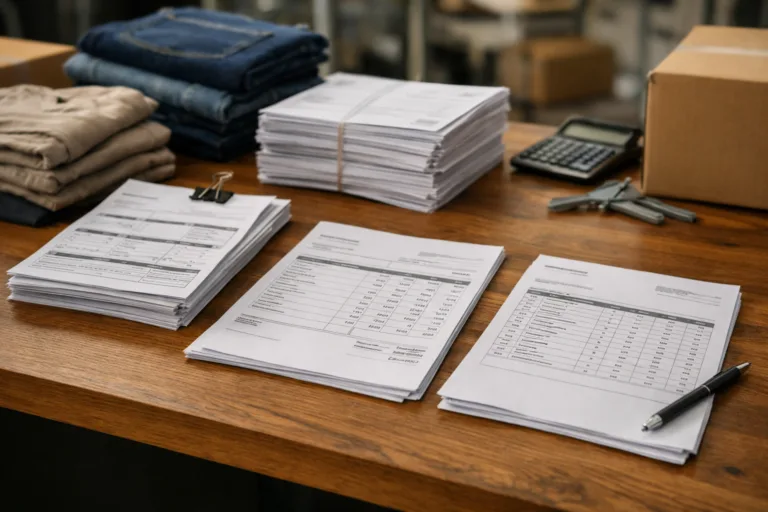
  • Wrong invoice or packing list
  • Missing certificates (if needed)
  • Wrong shipping terms (EXW/FOB/DDP confusion)
  • Peak season congestion

Solutions

  • Confirm Incoterms early
  • Prepare document checklist before packing
  • Consider split shipments for tight launches
  • Build buffer weeks into your calendar

Where Delays Usually Happen (Top 8 Bottlenecks)

Hoodies and Sweatshirts: What Buyers Need to Know logistics
  1. Fabric not ready or not approved
  2. Too many changes after sample approval
  3. Unclear tech pack and tolerances
  4. Decoration approvals and capacity constraints
  5. Rework due to poor inline QC
  6. Packing mistakes (size ratio, labeling)
  7. Document errors for shipping
  8. Peak season capacity limits

How to Protect Your Delivery Date (Brand Playbook)

Set a date when specs stop changing. Changes after that should be rare.

A simple update should include:

  • Current stage (cutting/sewing/decoration/packing)
  • Quantity completed
  • Issues found and how they were fixed
  • Estimated finish and ship dates

If your launch must be on time, don’t plan with “perfect timeline.” Add buffer for:

  • Fabric approvals
  • Revisions
  • Peak season shipping delays

Keep it simple:

  • One style
  • Limited colors
  • Standard packaging
  • Clear ship method

This proves lead time and communication before you scale.

How Ninghow Supports Predictable Lead Times

Reliable delivery is not only about speed. It is about control.

Ninghow supports mature brands with:

  • Clear pre-production planning and PPS rules
  • Material readiness planning
  • Inline QC checkpoints to reduce rework
  • Packing accuracy checks and clear reporting
  • Weekly progress updates (simple, buyer-friendly)

If your current supplier misses deadlines, the safest next step is a controlled trial order.

Ninghow wear

Protect Your Ship Date With a Real Production Timeline

Ninghow is a clothing manufacturer built for predictable lead times. We’ll map the critical path for your style, highlight bottlenecks, and set checkpoints so you don’t get “surprised” late.

Actions:

  • Get a Lead Time Plan for Your Ship Date (with buffer and milestones)
  • Request Weekly Update Format (what you’ll receive during production)
  • Start a Timeline-Verified Trial Order (prove delivery reliability first)
Related Posts

Scroll to Top
small c popup.png

Get in Touch with Ninghow

Start your clothing business…

Response Time Notice

To help you get the fastest support:

  • 💬 For instant replies, click the “WhatsApp us” icon at the bottom right of this page.
  • 📧 Emails sent by clicking our email address:  [email protected] are typically replied to within 10 minutes.
  • 📝 Form submissions may take more time to receive a response.

If you do not receive a reply within 24 hours via email, please check your spam or junk folder.