Compliance for Apparel Manufacturing: Materials, Testing, and Social Compliance
One compliance mistake can lead to:
- shipments held at customs,
- product recalls,
- retailer chargebacks,
- bad press that hurts trust.
This guide explains apparel compliance in clear, simple language. It focuses on three areas brands ask about most:
- Materials compliance (what is allowed in the product)
- Testing and documents (proof you can show)
- Social compliance (how the factory operates)
What Does “Compliance” Mean in Apparel Manufacturing?
Compliance means your products meet the rules of the markets you sell into.
Those rules can come from:
- national laws and customs requirements,
- retailer standards,
- safety and labeling rules,
- your own brand promise (like sustainability claims).
Important: Compliance is not one document. It is a set of checks and records.
Part 1: Materials Compliance (What’s in the Product)
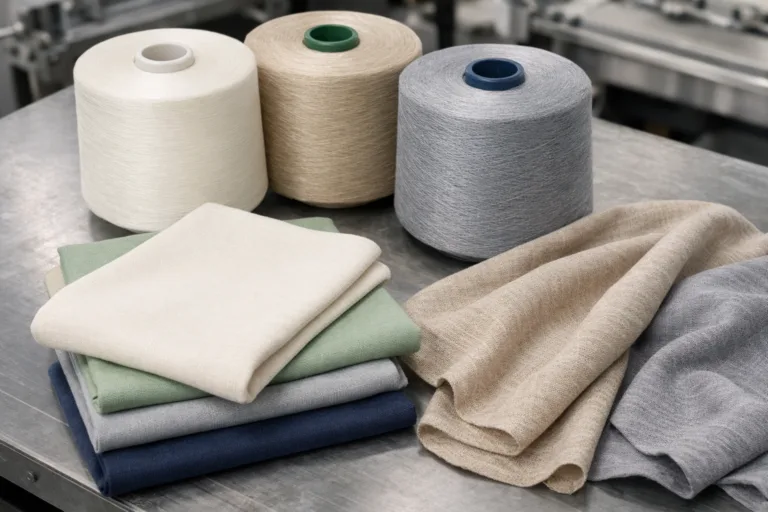
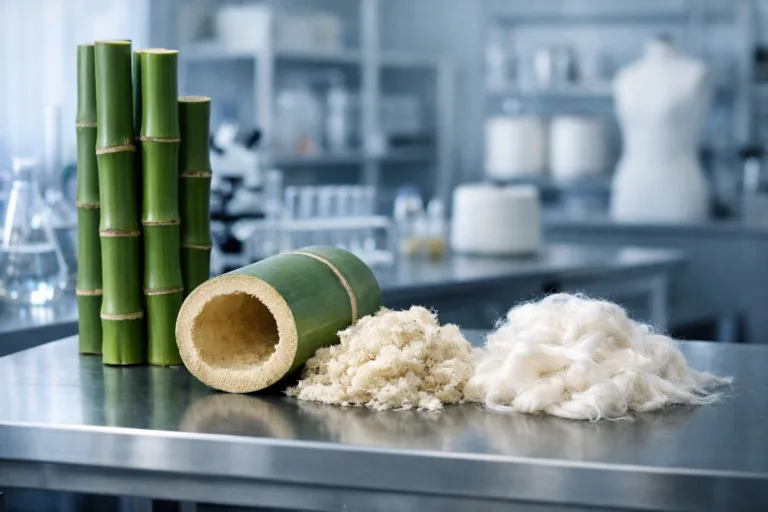
Materials compliance is about controlling what goes into:
- fabrics,
- dyes,
- prints,
- trims,
- accessories,
- packaging.
Common material risk areas
- Restricted chemicals in dyes and prints
- Heavy metals in metal trims or decorations
- Formaldehyde risk in some finishes
- Odor and migration issues in inks
- Coatings that are not allowed in certain markets
What brands should do
- Ask the factory what chemical control system they use
- Ask for material declarations or supplier documents (when needed)
- Keep material choices consistent (avoid last-minute substitutions)
Part 2: Testing and Documents (Proof You Can Show)
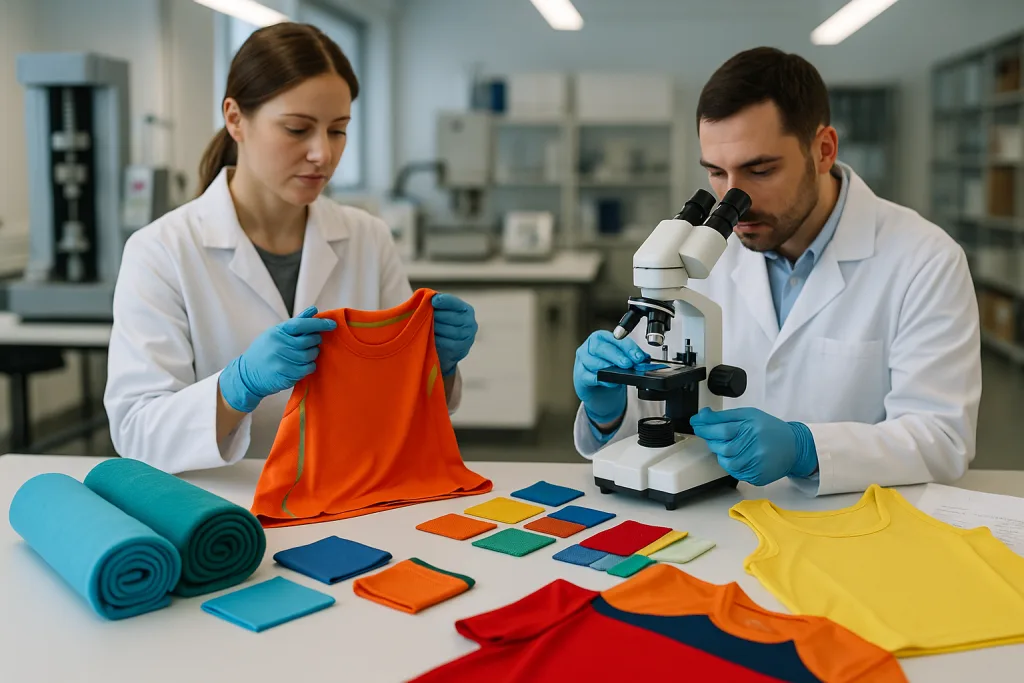
Brands often need testing for:
- fabric performance,
- color durability,
- shrinkage,
- safety and chemical limits,
- print and embroidery durability.
Common tests brands request (simple list)
- Colorfastness (wash, rub, sweat)
- Shrinkage (after wash)
- Pilling (for knit and fleece items)
- Seam strength (stress areas)
- Print durability (cracking/peeling after wash)
- Fabric weight and composition verification
Your exact test list depends on your product type and your sales market.
Document checklist (what buyers usually collect)
- Product spec sheet / tech pack
- Bill of materials (fabric + trims list)
- Test reports (if required)
- Packing list and commercial invoice
- Labeling and care instruction details
- Traceability records (when needed)
Tip: If your supplier cannot provide clear documents, compliance becomes risky fast.
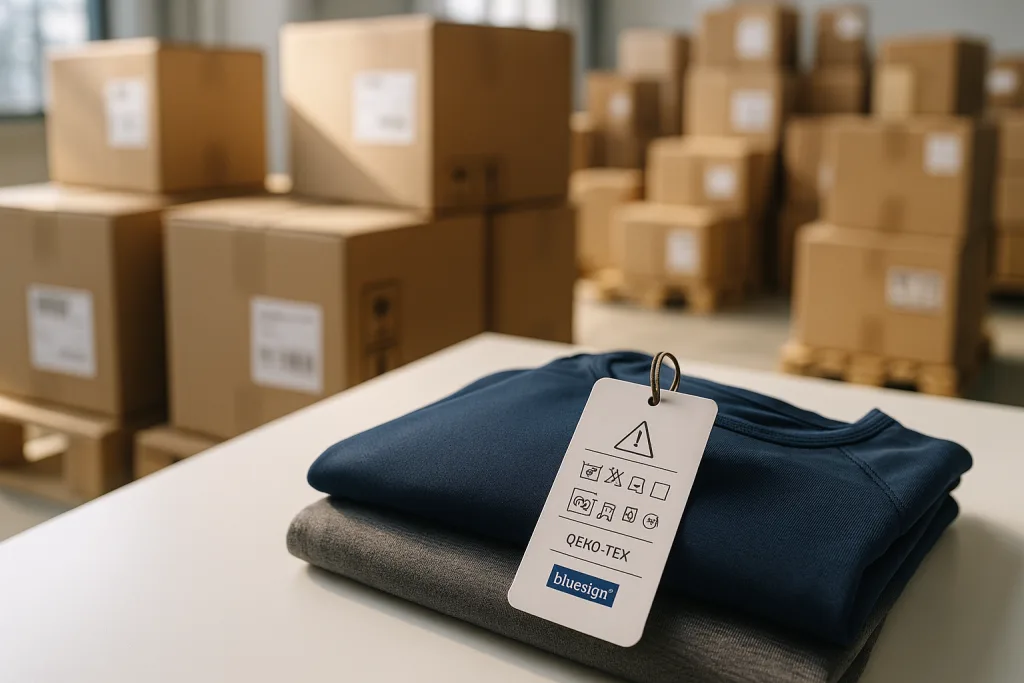
Labeling Compliance (Simple but Easy to Get Wrong)
A strong labeling process should confirm:
- fiber content (based on real composition)
- care instructions
- country of origin marking (as required)
- size labeling consistency
- special warnings (if required for the product category)
Best practice: Lock label content early and use a “label approval step” before bulk packing.
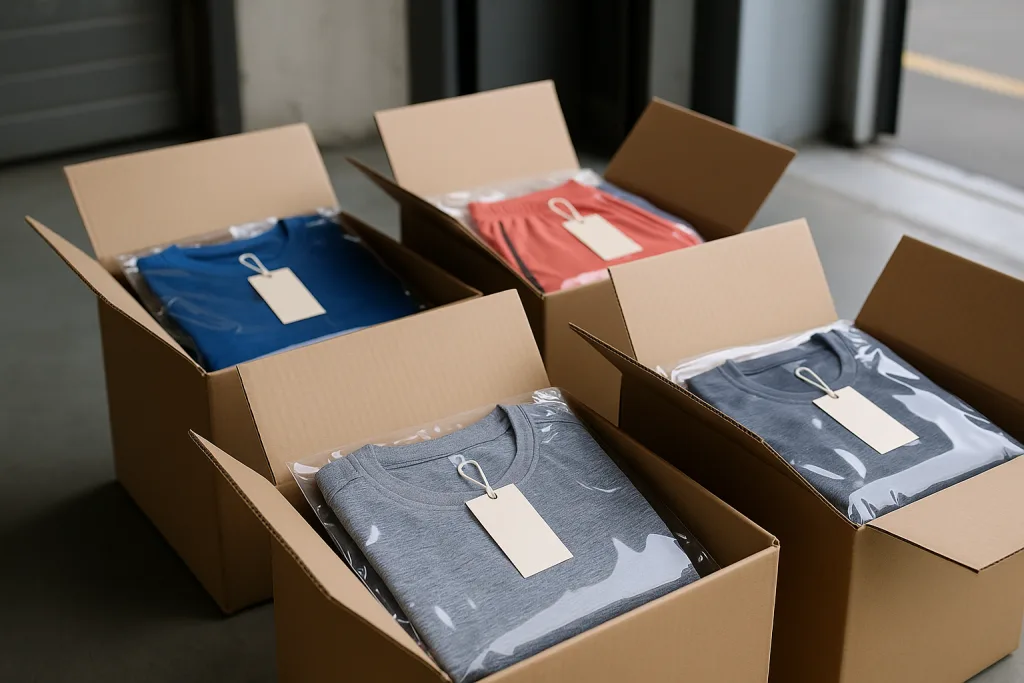
Packaging Compliance (Often Forgotten)
Packaging can also create risk, especially for:
- retail barcodes,
- recycling rules,
- warning labels,
- carton markings,
- country-specific packaging requirements.
If you ship into strict markets, confirm packaging rules before production ends—because packaging mistakes delay shipping.
Part 3: Social Compliance (How the Factory Operates)
Retailers and mature brands often require:
- safe working environment,
- legal working hours,
- fair wages,
- no child labor,
- proper records and training.
What brands can do (without being overwhelmed)
- Ask for a clear statement of factory policies
- Ask what audits they have passed (if applicable)
- Ask who manages compliance internally
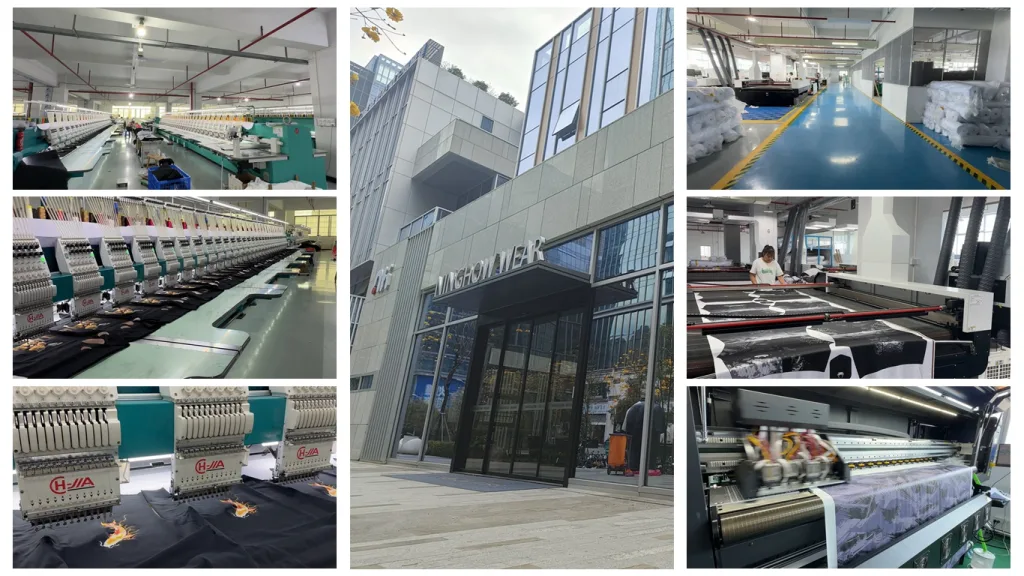
- Request a factory tour (video or onsite) focusing on safety and workflow
Even if you don’t sell through big retailers today, social compliance protects your brand reputation long-term.
Sustainability: Claims Must Be Verifiable
Common sustainability areas in apparel
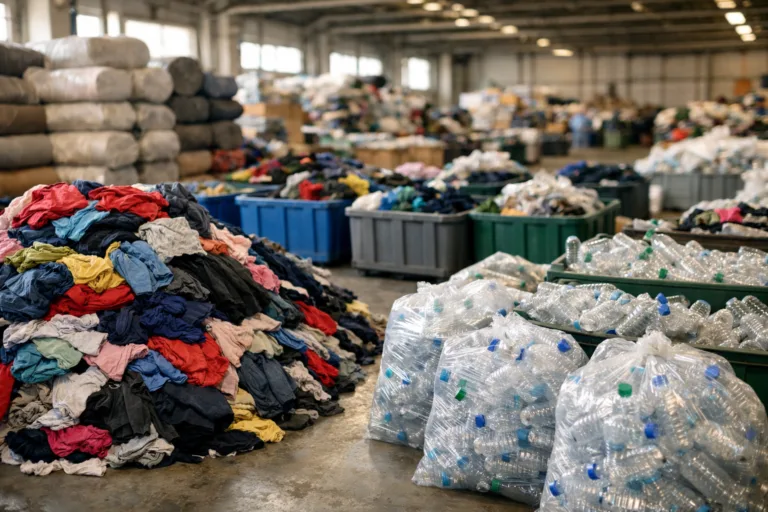
- recycled or organic materials
- reduced packaging
- lower-impact dyeing options
- improved durability (products that last longer)
A simple rule for sustainability claims
If you cannot verify it, don’t claim it.
To keep claims safe:
- use traceable materials (where possible)
- keep supplier records
- avoid vague statements like “100% eco-friendly” without proof
A Simple Compliance Workflow Brands Can Use
Here is a clean workflow many mature brands follow:
- Confirm sales markets and buyer requirements
- Lock materials (fabric, trims, decoration, packaging)
- Set test plan (what to test, when to test)
- Approve labels and packaging before bulk packing
- Collect documents before shipping
- Keep records for repeat orders (faster next season)
This turns compliance from stress into a repeatable system.
Common Compliance Mistakes (And How to Avoid Them)
- Changing materials without approval
- Using the wrong fiber content on labels
- Skipping shrinkage or colorfastness checks
- Making sustainability claims without proof
- Leaving packaging and barcode rules to the last week
- No document checklist before shipment
How Ninghow Supports Compliance-Ready Manufacturing
Ninghow supports:
- material and trim control planning
- clear labeling and packaging approval steps
- test planning support (based on product needs)
- documentation readiness before shipment
- low-risk trial orders to validate process
If your current supplier makes compliance stressful, a controlled trial order is a smart start.
Reduce Compliance Risk Before It Becomes a Costly Problem
Actions:
- Request a Compliance Checklist (materials, labeling, testing, docs)
- Ask for Label & Packaging Review (before bulk packing)
- Start a Compliance-Ready Trial Order (locked materials + proof-based process)