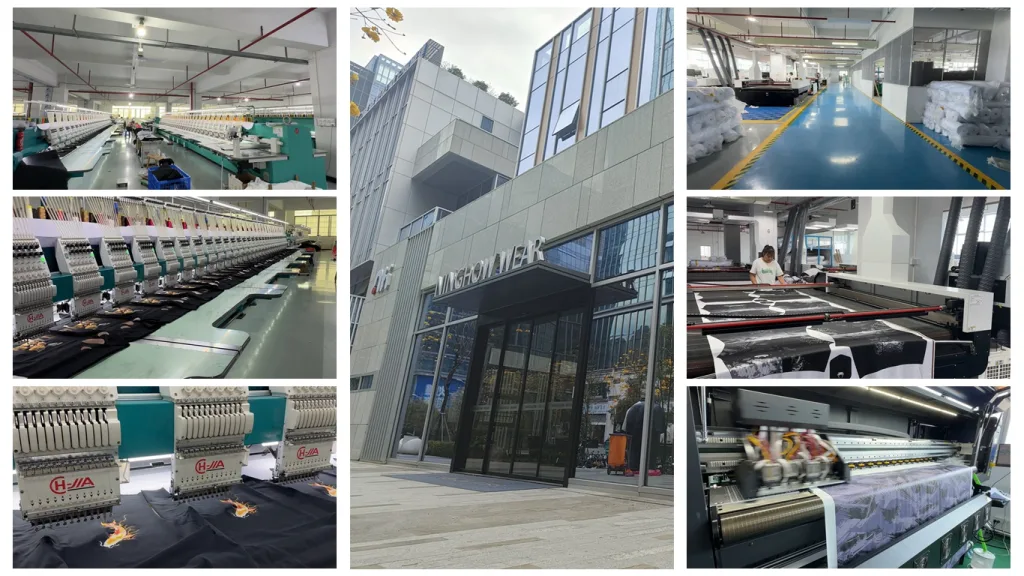
Ninghow wear

How to Find a Clothing Manufacturer for Your Brand

Finding the right clothing manufacturer is one of the most important decisions behind a successful apparel brand.
A good factory does more than sew garments. It helps you understand materials, sampling, MOQ, customization, quality control, lead times, and how to turn a product idea into a production-ready plan.
At Ninghow, we work with apparel startups, growing brands, and wholesale buyers that need practical clothing manufacturing support. This guide explains what to prepare, where to search, what to compare, and how to choose a manufacturer that fits your product, budget, and long-term goals.
Home » How to Find a Clothing Manufacturer

Why Finding the Right Clothing Manufacturer Matters

Your manufacturer affects nearly every part of your clothing business:

  • Product quality
  • Fit consistency
  • Sampling accuracy
  • Production cost
  • MOQ flexibility
  • Lead time reliability
  • Branding options
  • Repeat order stability

A factory that looks affordable at the beginning may become costly if it causes repeated sample revisions, unclear communication, late delivery, or inconsistent production.

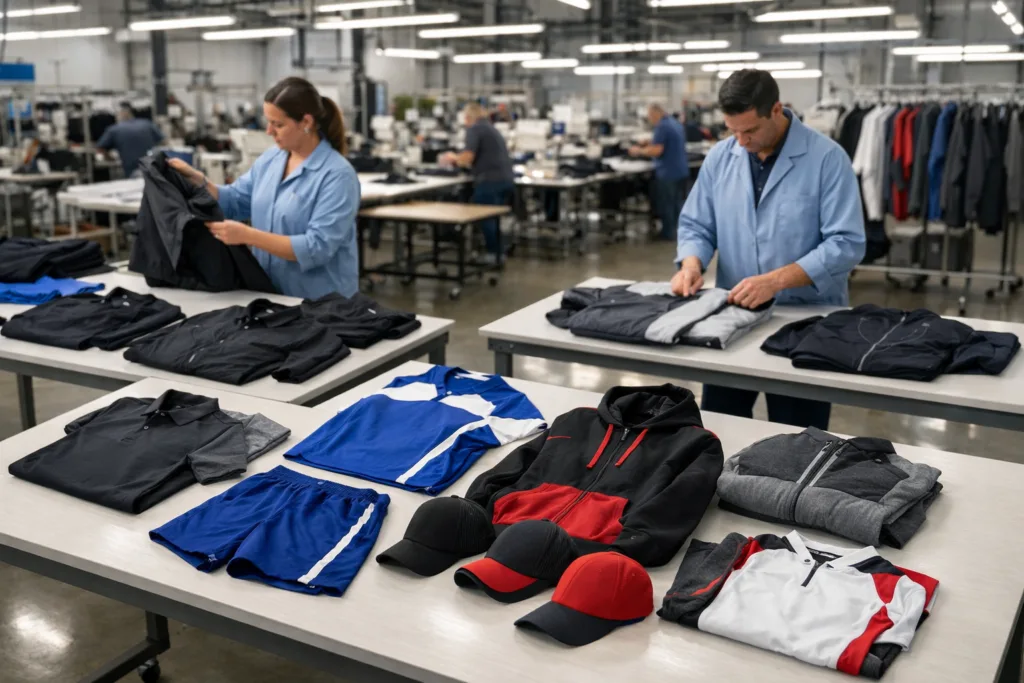
High-quality branded team apparel being inspected on a factory floor with clear attention to detail. Represents professional, modern garment manufacturing for organizations.
The best clothing manufacturer is not simply the cheapest supplier. It is the partner that can realistically support your product type, order stage, quality expectations, and growth plan.

Step 1: Define What You Need Before Searching

Before contacting factories, clarify the basics of your project. Manufacturers can respond more accurately when they understand what you want to make.
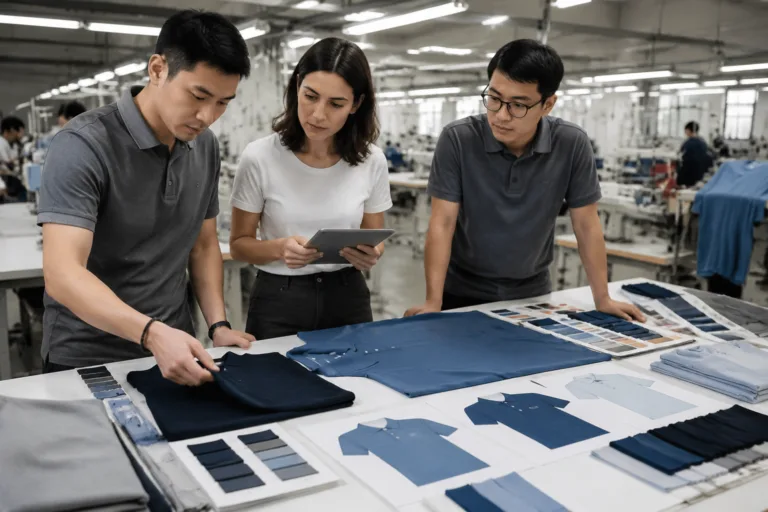
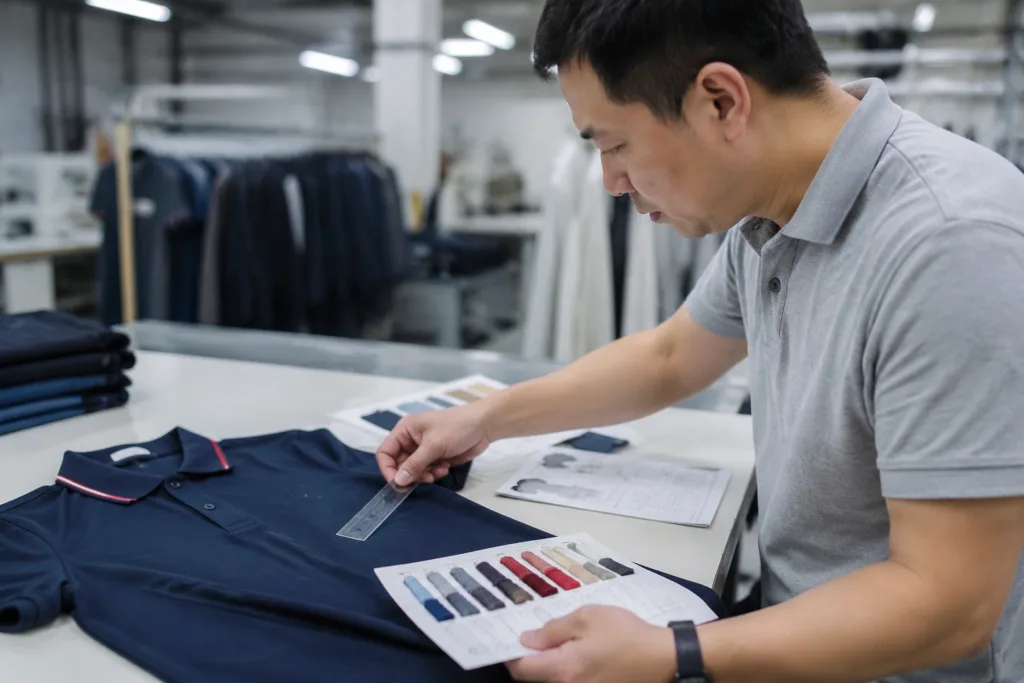
A sourcing and product development meeting focused on fabric, fit, and polo construction details.

Product Type

T-shirts, polo shirts, hoodies, sweatshirts, shorts, pants, activewear, beachwear, or another category.
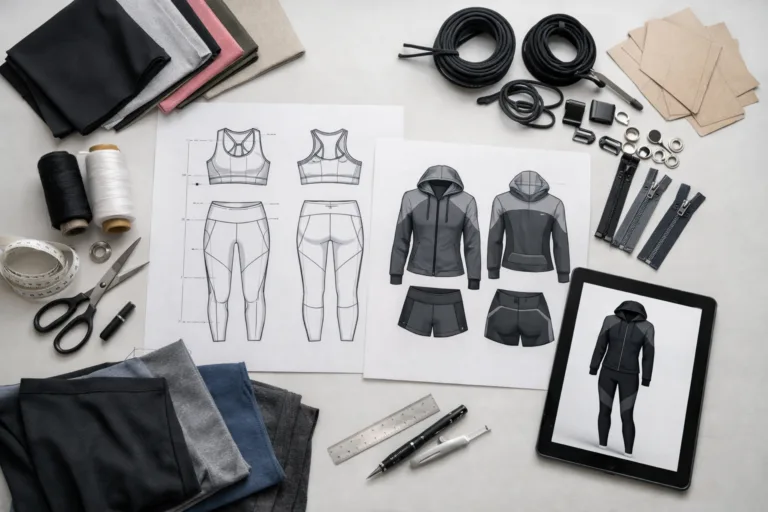
A workspace showing gym apparel sketches, athletic fabric swatches, and a digital tech pack—highlighting how designs are prepared for custom gym clothing manufacturing.

Design Direction

Reference images, sketches, existing samples, or a complete tech pack.
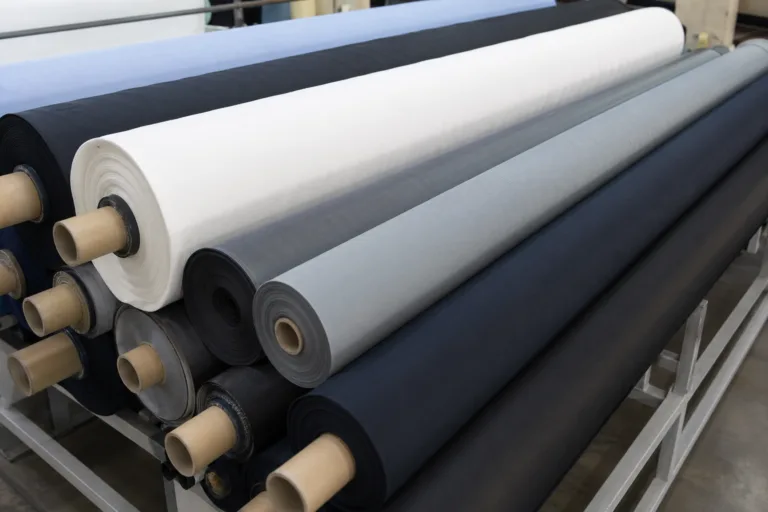
A close look at high-performance Dri-Fit fabric rolls with a technical, shop-floor feel, showing base materials used in custom shirt production.

Fabric Preference

Cotton, polyester, performance fabric, fleece, pique, blends, or a fabric effect you want to achieve.
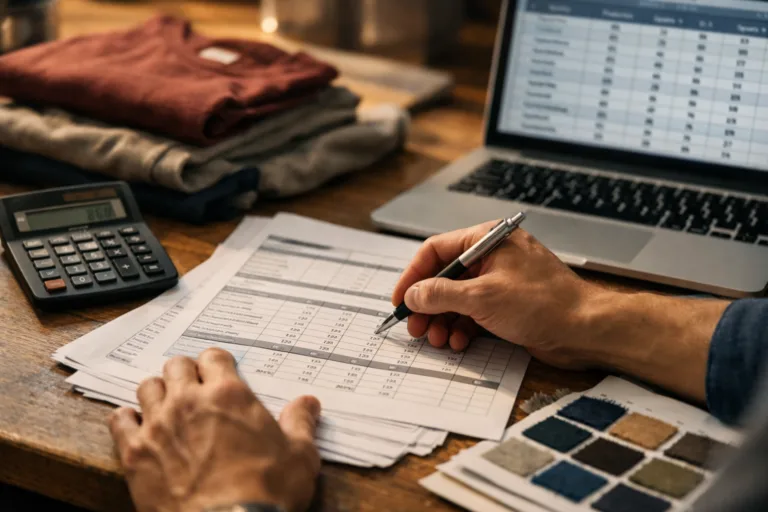
A detailed look at the process of documenting production numbers and estimated delivery dates for weekly updates, with apparel samples in the background.

Quantity Estimate

Your expected order quantity per style, per color, and per size range.
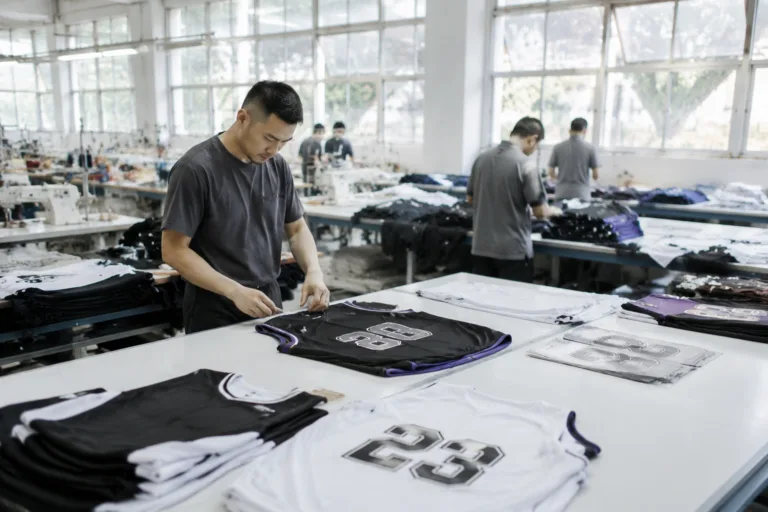
A professional sportswear factory producing custom team gym apparel in bulk with focus on color consistency and numbering.

Customization Needs

Labels, hang tags, embroidery, printing, patches, packaging, trims, or special garment details.
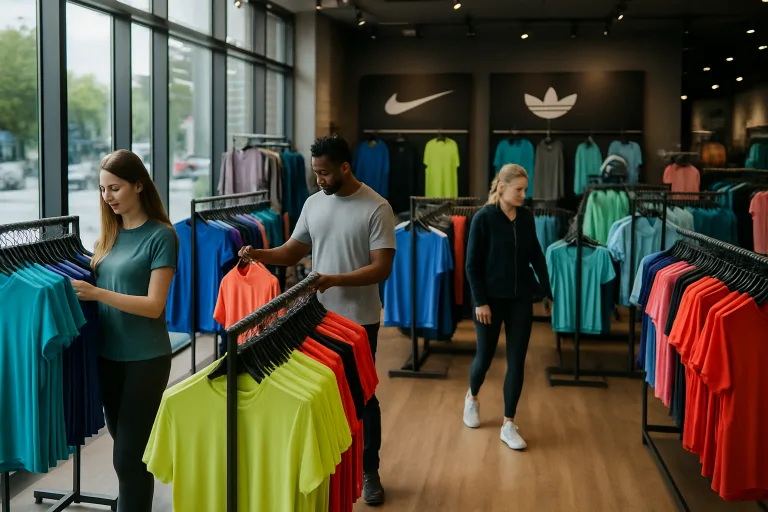
A spacious retail environment showcasing the latest athletic clothing from leading global brands in 2025.

Target Market

Retail, DTC, corporate uniforms, sports teams, clubs, promotional use, or wholesale distribution.
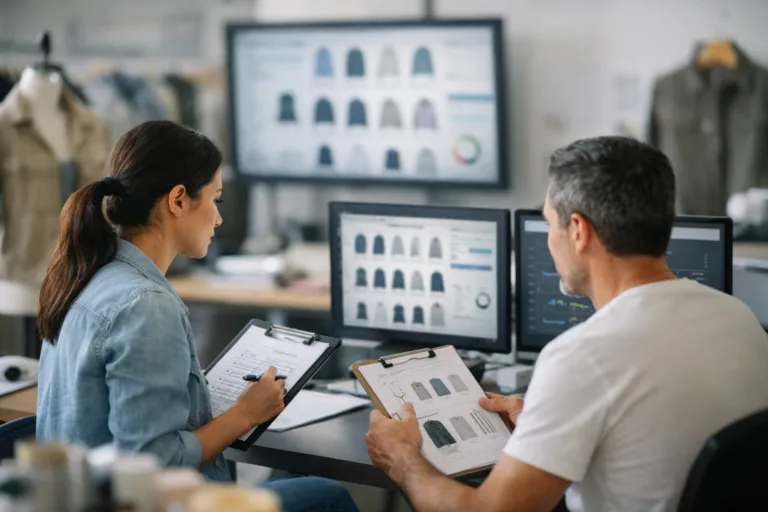
The clearer your starting brief, the easier it is to identify a manufacturer that can genuinely help instead of simply saying “yes” to every request.

Step 2: Know Which Manufacturing Model Fits Your Brand

Not all clothing manufacturers work in the same way. Understanding the production model helps you narrow your search faster.
seasonal apparel planning with OEM factory team preparing for a seasonal drop

OEM Clothing Manufacturer

An OEM manufacturer produces garments based on your own design requirements. This is suitable when you have a defined style, fit, specs, or tech pack and want the factory to develop it into finished apparel.
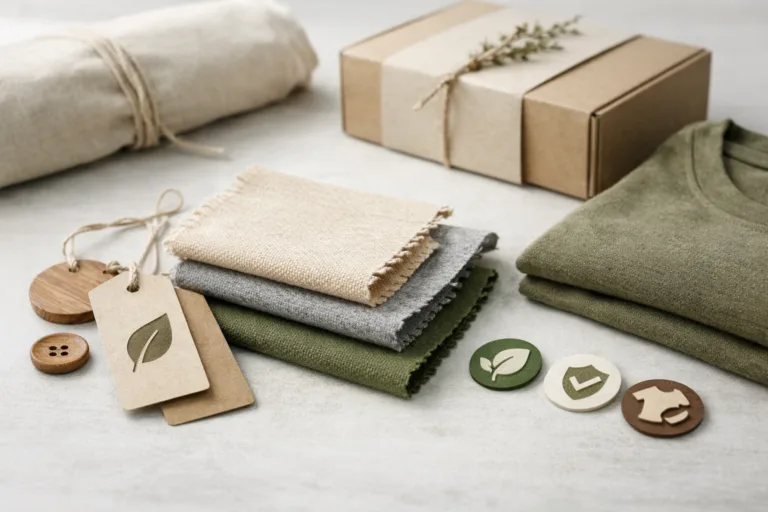
Depicts the sustainable materials and branding solutions available for OEM and ODM team apparel orders, emphasizing market trends and compliance.

ODM Clothing Manufacturer

An ODM manufacturer offers existing styles or developed product bases that can be adjusted with branding, colors, and selected details.
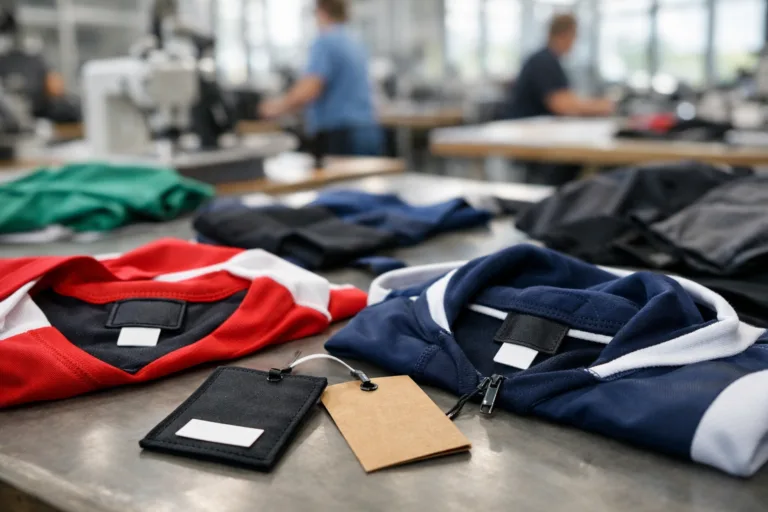
A detailed look at private label team clothing for brands, focusing on hang tags and neck labels in an active manufacturing setting.

Private Label Clothing Manufacturer

A private label manufacturer helps buyers create branded apparel through labels, tags, packaging, and selected customization. The degree of product development can vary depending on the supplier.
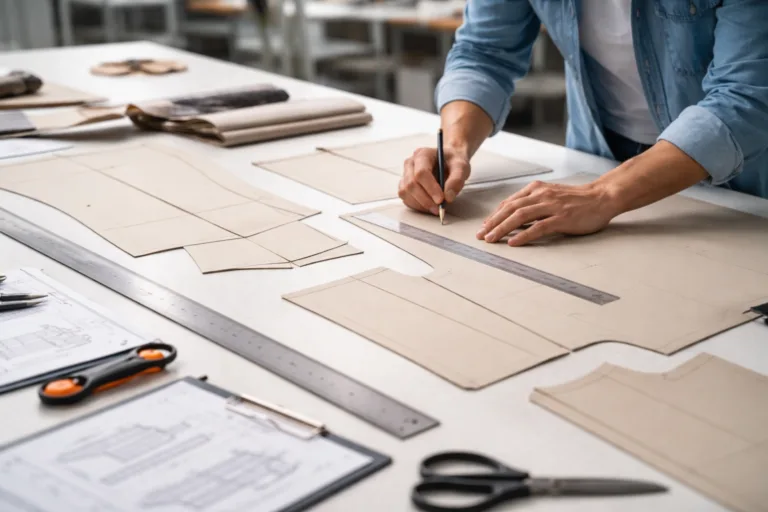
This image visualizes the precision and attention given at the early pattern development stage, central to reducing apparel returns.

CMT Manufacturer

CMT stands for Cut, Make, and Trim. In this model, the buyer usually provides patterns, fabrics, trims, and clear instructions, while the factory focuses mainly on assembly.
Step 3: Choose a Manufacturer That Fits Your Project

Finding a clothing manufacturer is not only about collecting supplier names.
The more important question is whether that manufacturer can truly support your product, order size, customization needs, and future growth.

When comparing factories, look for clear information about:

  • Product categories they specialize in
  • MOQ and order flexibility
  • Custom, private label, or OEM/ODM support
  • Sampling and development process
  • Quality control and communication

Ninghow helps apparel brands review these key points from the beginning.
If you are looking for a manufacturer that supports custom clothing, private label production, low MOQ orders, and startup-friendly development, Ninghow may be a suitable partner to evaluate first.

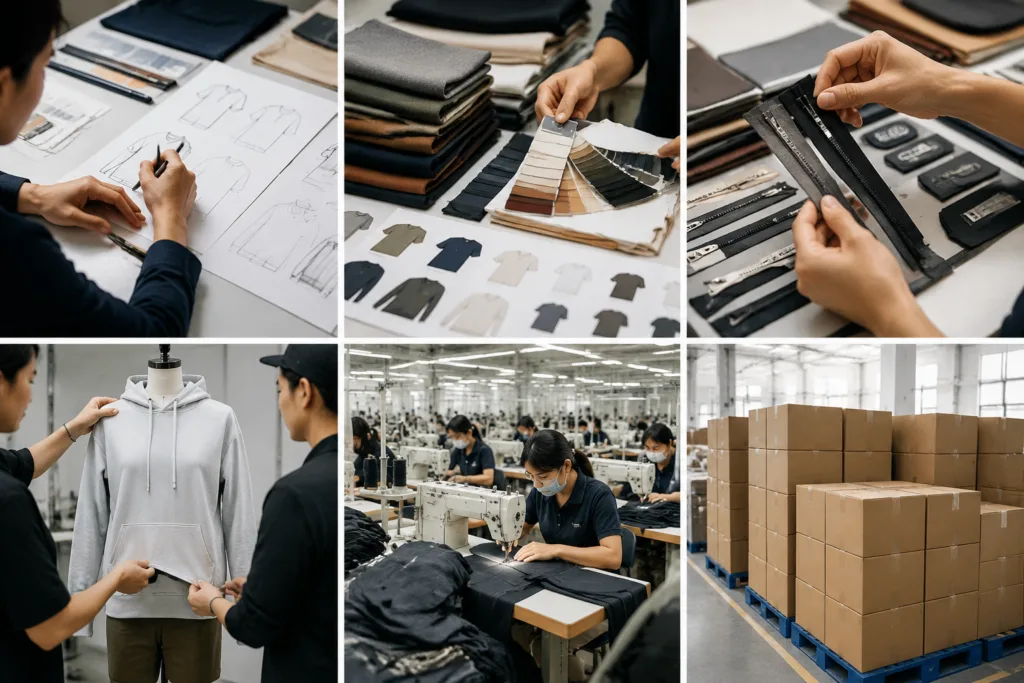
Premium realistic B2B-style illustration of a six-step garment manufacturing process in a clean factory and sample room environment, including sketches, fabric and MOQ planning, trim and logo review, sampling and fit inspection, small-batch sewing production, and final quality control with cartons ready for shipment.

Step 4: Compare Manufacturers Using the Right Criteria

Once you have a shortlist, compare factories based on their ability to support your actual business needs.

1. Product Specialization

A good manufacturer should have experience with the garments you want to produce. A factory strong in knit polos or hoodies may not be equally strong in swimwear or complex outerwear.

2. MOQ Flexibility

MOQ should match your launch stage. Startups and smaller brands may need low MOQ support, while mature brands may prioritize scale and repeat efficiency.

3. Sampling Capability

Ask how they handle:

  • Pattern development
  • Fit samples
  • Size grading
  • Revisions
  • Pre-production samples

Sampling often reveals whether a factory can translate ideas into accurate garments.

4. Fabric and Trim Sourcing

A manufacturer with practical sourcing support can help you find suitable materials, compare alternatives, and avoid unnecessary cost or MOQ pressure.

5. Customization and Branding

Evaluate whether the factory can support:

  • Printing
  • Embroidery
  • Neck labels
  • Care labels
  • Hang tags
  • Custom packaging
  • Buttons, zippers, drawcords, patches, or other trims

6. Quality Control

Ask how quality is checked before, during, and after production. Important areas include:

  • Fabric inspection
  • Stitching consistency
  • Measurement tolerance
  • Color matching
  • Finishing and packing review

7. Communication

Reliable production requires clear answers, timely updates, and realistic timelines. Poor communication often creates more risk than price differences.

8. Lead Time and Delivery

Confirm:

  • Sample timeline
  • Bulk production timeline
  • Revision timing
  • Packing schedule
  • Shipping coordination

Step 5: Ask Questions That Reveal Real Capability

The right questions help you identify whether a supplier is a good long-term fit.

Recommended Questions

  • What garment categories do you specialize in?
  • What MOQ applies to my product type?
  • Can you support custom fabric, labels, trims, and packaging?
  • How many sample rounds are usually needed?
  • What information do you need before quoting?
  • How do you handle quality inspection?
  • Can you support repeat orders and product updates?
  • What production timeline should I expect?
  • Can you suggest lower-risk options for my first order?
  • Do you offer private label or OEM/ODM services?
Visual concept for a content-rich middle section focused on logo rules, size range planning, and repeatability in uniform polo programs.

Common Mistakes When Finding a Clothing Manufacturer

Choosing Only by the Lowest Price

Low price does not always mean lower total cost. Rework, poor fit, unstable quality, and late delivery can be more expensive than a slightly higher but more reliable quote.

Contacting Factories Without a Clear Brief

Vague messages often lead to vague quotes. A manufacturer cannot accurately evaluate cost, MOQ, or timing without enough project detail.

Ignoring Sampling Quality

Skipping proper sampling increases the risk of problems in bulk production.

Comparing Factories That Do Not Produce the Same Type of Garment

Price comparison is only meaningful when the production scope, fabric, finishing, and service model are similar.

Overlooking MOQ, Materials, and Branding Constraints

Some custom details create their own supplier minimums. Ask early rather than discovering the issue late.

Failing to Think Beyond the First Order

The right manufacturer should help not only with launch, but also with repeat production, quality consistency, and product evolution.

Find the Manufacturing Path That Fits Your Stage

Different buyers need different forms of support. Explore the path that matches your current goal.

Clothing Manufacturers for Startups

For founders building their first apparel collection and needing practical development support.

Low MOQ Clothing Manufacturer

For brands that want smaller starting quantities, market testing, and reduced inventory pressure.

Private Label Clothing Manufacturer

For brands that want labels, packaging, and a market-ready branded clothing line.

Custom Clothing Manufacturer

For buyers who need more flexible product development, apparel customization, and OEM/ODM support.

FAQs About Finding a Clothing Manufacturer

How do I find a clothing manufacturer for my brand?
Start by defining your product, quantity, fabric, customization, and target market. Then search for manufacturers that specialize in your garment type and compare them based on MOQ, samples, quality control, pricing, communication, and production workflow.
A tech pack is very helpful, but not always required for the first conversation. Reference images, garment ideas, quantity estimates, and branding needs can also help a manufacturer understand your project.
No. MOQ matters, especially for startups and smaller orders, but it should be considered together with product capability, sampling quality, customization, lead time, and long-term reliability.
OEM usually follows your own design specifications. ODM provides ready-developed styles that can be adjusted. Private label focuses on producing apparel under your own brand with labels, tags, packaging, and selected product customization.
Look for clear communication, garment specialization, a structured sampling process, transparent quotations, quality control procedures, realistic timelines, and the ability to explain production trade-offs.
Yes. Ninghow supports different buyer stages, including startups, lower-volume programs, private label development, and custom apparel projects that need a practical route from idea to production.

Still Looking for the Right Clothing Manufacturer?

Finding a clothing manufacturer becomes easier when your project is matched with the right production route.
Tell Ninghow what you want to make, your target quantity, and the level of customization you need. We will help you review a practical next step for sampling, pricing, and production planning.
Scroll to Top

Get in Touch with Ninghow

Start your clothing business…

Response Time Notice

To help you get the fastest support:

  • 💬 For instant replies, click the “WhatsApp us” icon at the bottom right of this page.
  • 📧 Emails sent by clicking our email address:  [email protected] are typically replied to within 10 minutes.
  • 📝 Form submissions may take more time to receive a response.

If you do not receive a reply within 24 hours via email, please check your spam or junk folder.