






GSM Clothing: Decoding Fabric Weight for Quality
Shopping for apparel means paying attention to more than just style. GSM, short for grams per square meter, reveals how thick, heavy, and sometimes durable a fabric is. In clothing, GSM helps brands like Ninghow match materials to the right purpose—be it crisp golf polos, comfy hoodies, or heavy sweatshirts built to last.
Understanding GSM in clothing allows you to judge a garment’s quality before purchase. The GSM range—from feather-light summer tees to robust winter fleece—affects comfort, appearance, and performance. Whether evaluating 180, 280, 400, or 500 GSM, knowing what is GSM lets you pick the best fit for sports, uniform, casual, or promotional wear.
What Is GSM? Fabric Weight Explained
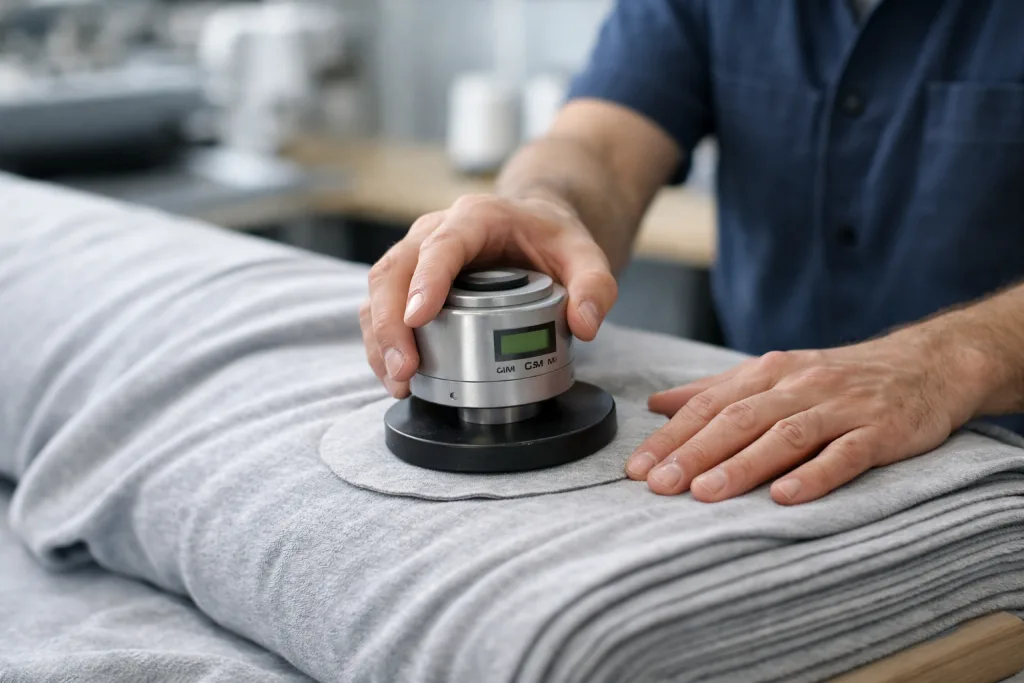
GSM stands for grams per square meter. It’s a measurement that tells you how heavy one square meter of fabric is. For example, a 180 GSM fabric weighs 180 grams per square meter. The higher the GSM, the heavier and thicker the fabric.
- Low GSM (120–180): Light, airy fabrics for summer clothing and layering.
- Mid GSM (180–280): Balanced weight for year-round polos and T-shirts.
- High GSM (280+): Substantial, durable fabric for hoodies, sweatshirts, and outerwear.
Brands use GSM to standardize quality and control batch consistency. Factories like Ninghow rely on accurate GSM data when choosing yarn, knitting structure, and finishing processes.
How GSM Impacts Apparel Quality
GSM isn’t just a number—it signals important product traits:
- Durability: Higher GSM means more yarn, thicker material, and greater resistance to wear and tear.
- Handfeel: Low GSM fabrics feel soft and drapey; high GSM feels firm and sometimes plush.
- Breathability: Light GSM allows more airflow, which suits summer and activewear.
- Insulation: Heavy GSM traps warmth, ideal for cold-weather gear.
- Print Embellishment: Heavier fabrics handle screen prints, embroidery, or heat transfers better.
Ninghow tests GSM as part of its comprehensive QC routine, ensuring that every batch meets specified weight, shrinkage, and colorfastness standards such as those defined in AATCC and ISO.
Comparing GSM Ranges: 180 / 280 / 400 / 500 GSM
To see GSM in action, compare four key weights commonly used in apparel manufacturing:
| GSM Range | Fabric Types | Best Use Case | Key Attributes |
|---|---|---|---|
| 180 GSM | Single Jersey, Lightweight Pique | Basic Tees, Golf Polos, Summerwear | Breathable, soft, fast drying |
| 280 GSM | French Terry, Interlock | Midweight Hoodies, Casual Sweatshirts | Comfortable, durable, moderate warmth |
| 400 GSM | Heavy Fleece, Double Knit | Premium Sweatshirts, Team Sportswear | Thick, stable, high insulation |
| 500 GSM | Ultra Heavy Fleece, Luxury Hoodie | Outerwear, Luxury Streetwear | Maximum warmth, structure, bold look |
Choosing between 180, 280, 400, or 500 GSM lets brands and buyers tune for climate, purpose, and style. Most retail tees and polos fall in the 160–240 GSM range. Hoodies and sweatshirts usually span 280–400 GSM, but high-end programs push up to 500 GSM for texture and weight.
Fabric Types Used in Different GSM Levels
GSM interacts with fabric structure to shape how a garment feels, looks, and performs. Here’s a breakdown of popular options:
- Single Jersey (120–180 GSM): Smooth, simple knit for airy T-shirts and layering pieces.
- Pique Knit (160–220 GSM): Textured surface; staple for golf and tennis polos.
- Interlock (180–240 GSM): Double-knit fabric, soft yet durable, used for premium T-shirts.
- French Terry (240–300 GSM): Loop-back structure, cozy for sweatshirts and hoodies.
- Fleece (300–500 GSM): Brushed, plush construction for heavyweight warmth in sweatshirts and outerwear.
Every GSM fabric offers distinct strengths. Lighter knits (jersey, pique) work well for prints and summer promotions. Heavier ones (fleece, terry) excel for cold weather and bold branding, as often produced by Ninghow for sports and lifestyle lines.
How GSM Influences Manufacturing and Fit
Factories calibrate their production based on targeted GSM. Yarn thickness, knitting tension, and finishing all play a role:
- Material Selection: Combed cotton or ring-spun yarns deliver smoother handfeel. Organic and recycled fibers meet eco standards like GOTS.
- Knitting & Weaving: Tight gauges yield heavier GSM; loose weaves make for light, breathable fabrics.
- Finishing: Pre-shrink, compaction, and brushing impact GSM by removing moisture and enhancing bulk.
- Pattern Cutting & Sizing: Bulkier fabrics require greater stitch allowances for a comfortable, lasting fit.
- Sewing Line Balancing: Changing GSM means tuning machines and operator speeds. For example, heavy fleece uses ISO 401 chainstitch and bar-tack reinforcements for stress points.
Ninghow’s focus on fit consistency means each garment is graded across all sizes and inspected at every major step—measuring GSM, verifying seam strength, and batch-testing shrinkage (AATCC 135).
Performance Finishes and GSM
GSM alone isn’t enough. Quality apparel often features performance finishes tailored to fabric weight:
- Moisture-Wicking: Applied to midweight and heavy GSM for sports and activewear.
- Anti-Odor & Antimicrobial: Added to dense athletic fleece to fight odor build-up.
- UV Protection: Denser knits naturally block more sun; extra finishes are common for uniforms and outdoor wear.
- Stain Release: Useful for promotional polos and workwear at all GSM levels.
- Brushed/Peach Finish: Boosts softness, especially above 280 GSM for luxury sweatshirts.
Each finish complements the underlying GSM and matches how the garment will be worn—whether in sports, business, or leisure settings. Expert makers ensure finishes remain durable after wash testing, using standards like OEKO-TEX STANDARD 100 for safety and compliance.
GSM and Decoration Quality
The right GSM improves decoration results. Here’s how print and embroidery interact with fabric weight:
- Screen Printing: Heavier GSM resists show-through, holds color better, and supports vibrant designs.
- DTF/DTG (Direct-to-Film/Garment): Works well above 180 GSM; lighter fabrics bleed ink more easily.
- Embroidery: 280+ GSM offers solid substrate for clean, dimensional stitching—ideal for logos and sports branding.
- Sublimation: Used mostly on lighter GSM polyester for high-color athletic apparel.
- Heat Transfer: Mid-to-heavy GSM supports durable platforms for numbers, patches, and insignia.
Ninghow’s QC covers handfeel, print adhesion, and durability based on GSM. Decoration samples are always part of bulk color approval and spec measurement, ensuring no surprises for B2B buyers.
Quality Control: Measuring GSM and Batch Consistency
Before fabric enters mass cutting, manufacturers sample and test GSM. Here’s what that involves:
- Lab Dips & Strike-Offs: Initial samples verify color and weight via Pantone matching.
- Batch Measurement: Digital GSM meters check multiple spots per roll to assess average and variation.
- Spec Tables & Tolerances: Size graders set rules for acceptable GSM deviation across all garments.
- Endline Checks: Finished apparel is measured, washed, and inspected for puckering, skew, and shrinkage per AQL 2.5 standards.
- Compliance & Testing: Colorfastness and dimensional stability are evaluated using ISO and AATCC protocols.
Ninghow’s quality team validates each lot, records data, and resolves any shade band or weight issues before goods ship. Proper GSM control reduces returns, keeps fit consistent, and helps maintain brand trust in both commercial and promotional programs.
Applications: Picking the GSM That Works
Matching GSM to use case is crucial for comfort and longevity. Explore some of the most common scenarios:
- Sports Apparel: 150–180 GSM for breathability in golf polos, tennis shirts, and cycling tops.
- Team Uniforms/Corporate Wear: 180–220 GSM for stable shape and print; often with moisture-wicking finishes.
- Streetwear Basics: 200–260 GSM for balance between drape and durability—used in T-shirts and lightweight crewnecks.
- Promotional Promotions: 160–180 GSM for budget-friendly handouts, optimum for screen prints.
- Resort/Beachwear: 120–160 GSM for cool, airy vacation staples.
- Athleisure & Luxe Hoodies: 320–500 GSM for plush sweatshirts, iconic hoodies, and statement outerwear.
Stocking the right GSM ensures garments are fit for purpose, perform as promised, and boost customer satisfaction. Reliable makers like Ninghow provide fabric, fit, and finish recommendations for every program need.
GSM Clothing: Key Takeaways

Choosing the right GSM means knowing how fabric weight translates to comfort, durability, and value. High GSM isn’t always better—it’s about selecting the weight that fits the garment’s purpose, style, and climate. Well-tested GSM, paired with precision manufacturing and expert finishing, results in apparel that appeals and endures.
- Understand GSM to compare fabric thickness and handfeel.
- Choose lighter GSM for breathability and layering.
- Pick heavier GSM for warmth, structure, and bold decoration.
- Insist upon factory QC for stable fit and batch consistency.
- Pair GSM with correct decoration technique for lasting impact.
Frequently Asked Questions
What does GSM mean in clothing?
GSM stands for grams per square meter. It measures the weight and thickness of fabric in clothing, affecting feel, durability, and quality.
Is higher GSM always better for garments?
No, higher GSM means heavier fabric, which suits warm garments but can feel bulky in summer wear. The best GSM depends on apparel use.
What GSM is recommended for quality T-shirts?
Most quality T-shirts use fabric between 160 and 220 GSM. This offers softness, stability, and good print surface for casual and branded tees.
How does GSM influence printing and decoration?
Thicker GSM allows for vivid screen prints and strong embroidery without show-through. Lighter GSM may bleed ink and limit decorative options.
Can two fabrics with the same GSM feel different?
Yes. Yarn, knit structure, and finish affect softness and drape, so two fabrics with identical GSM can feel very different on the skin.
How do manufacturers control GSM consistency?
Factories use GSM meters and batch checks, verify color and shrinkage, and follow standards for spec tolerance and finished garment measurement.